
 English
 한국어
한국어 Français
 Español

A Simple Guide to Choosing the Right Industrial Forklift Tires
Content
- 1 What Are Industrial Forklift Tires?
- 2 Common Types of Industrial Forklift Tires
- 3 Key Benefits of High-Quality Industrial Forklift Tires
- 4 Key Specifications to Consider When Choosing Forklift Tires
- 5
- 6 How to Choose the Right Industrial Forklift Tires
- 7 Maintenance Tips for Industrial Forklift Tires
- 8 Signs It’s Time to Replace Your Forklift Tires
- 9 Conclusion
What Are Industrial Forklift Tires?
Industrial forklift tires are specially designed tires used on forklifts to support heavy loads, ensure stability, and provide traction in demanding environments. Unlike regular vehicle tires, these forklift tires are built to handle constant weight, sharp turns, and rough industrial surfaces. They are essential components in warehouses, construction sites, ports, and manufacturing facilities.
Forklift tire types vary depending on the working environment, load capacity, and operating conditions. Choosing the right industrial forklift tire directly impacts safety, efficiency, and operating costs.
Common Types of Industrial Forklift Tires
There are several types of industrial forklift tires, each suited for different applications. Understanding their differences helps you select the most suitable option.
Pneumatic Forklift Tires
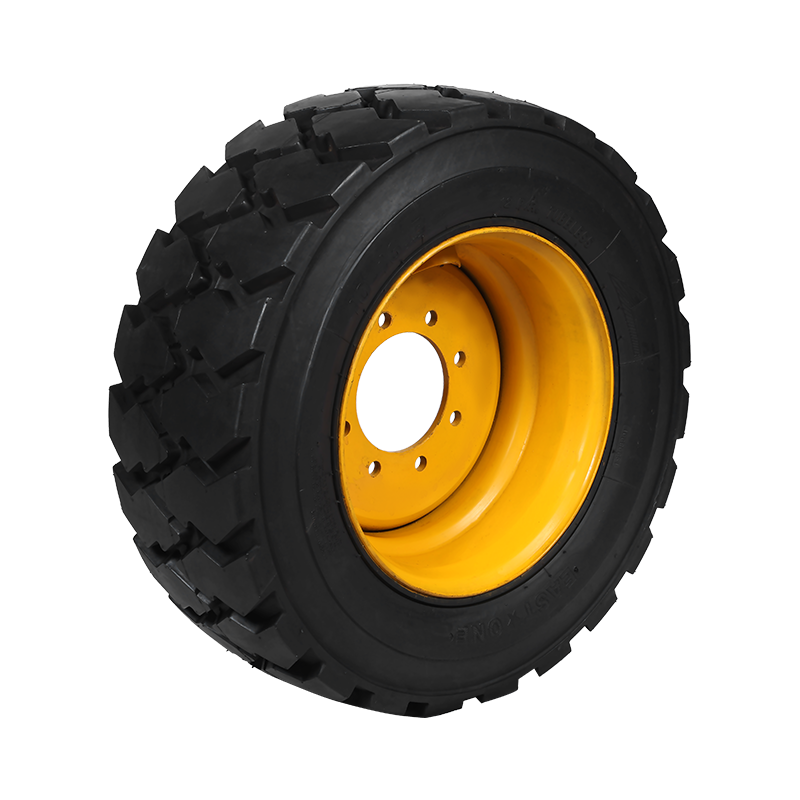
Pneumatic forklift tires are air-filled and similar to truck tires. They are ideal for outdoor use and uneven surfaces such as gravel or dirt. These tires provide excellent shock absorption and traction.
Solid Forklift Tires
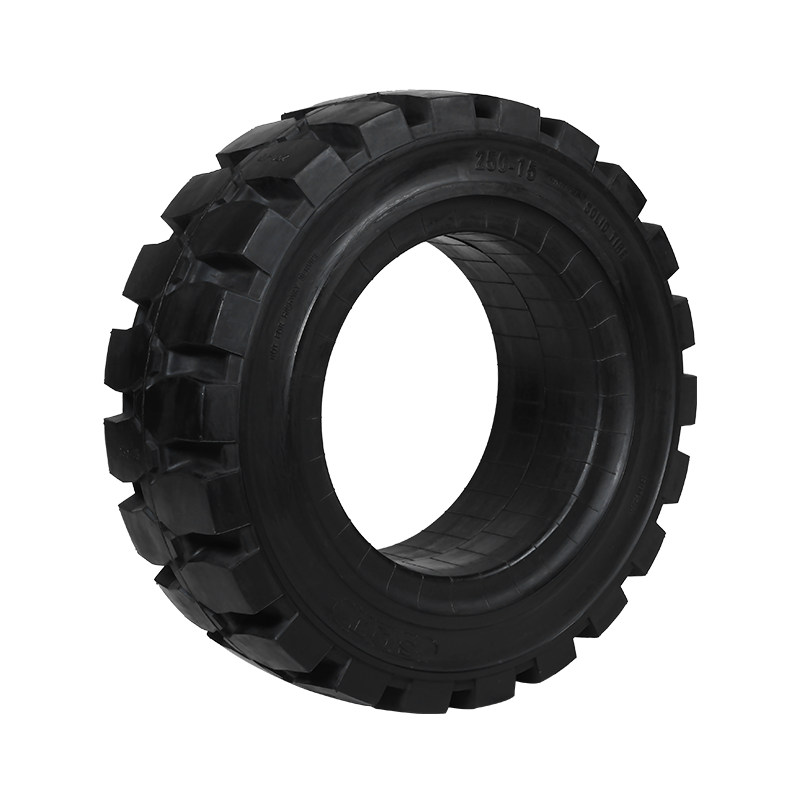
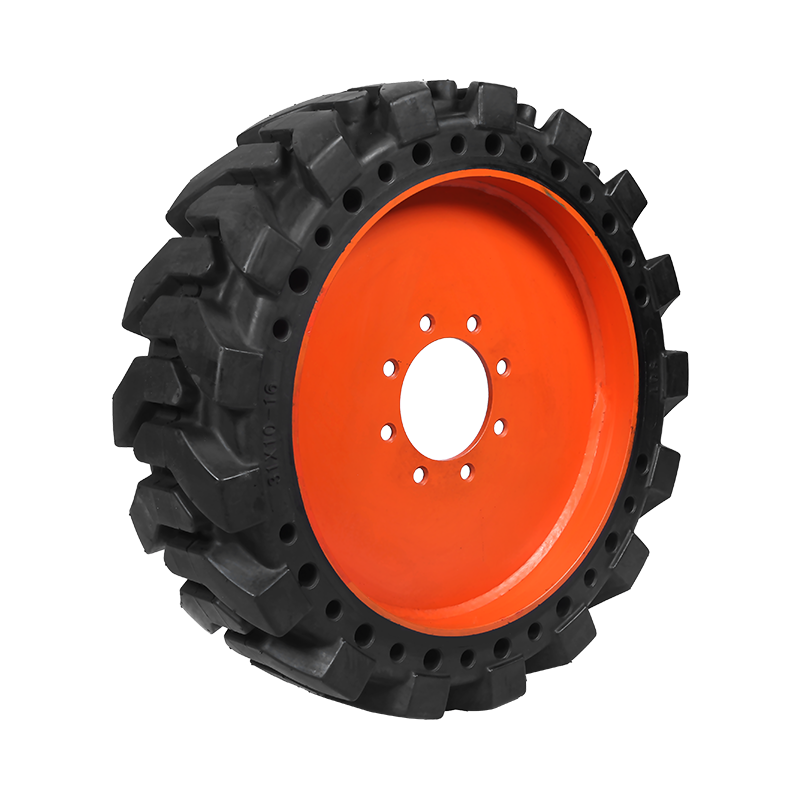
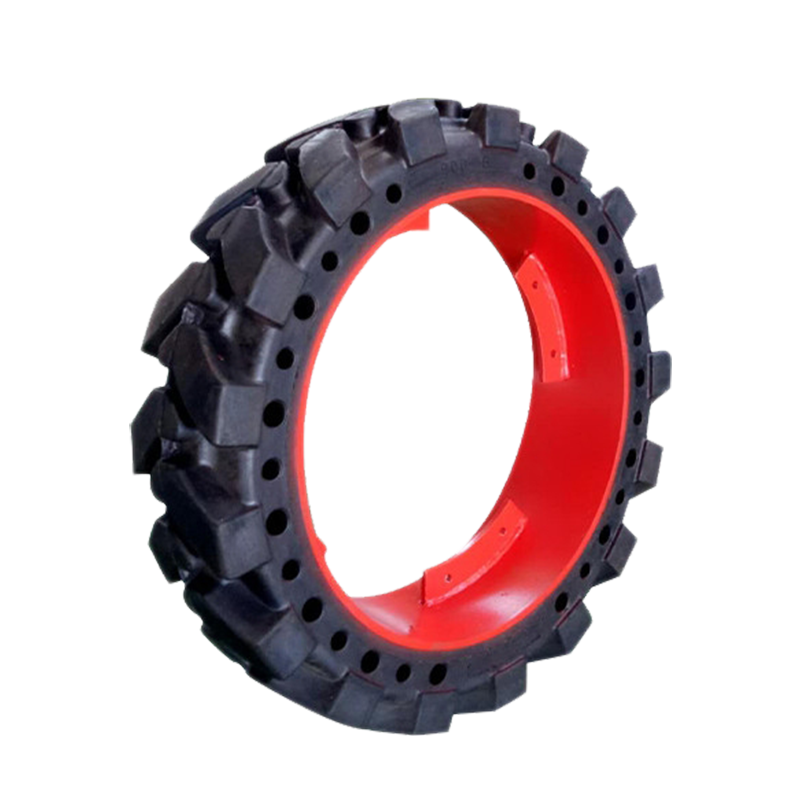
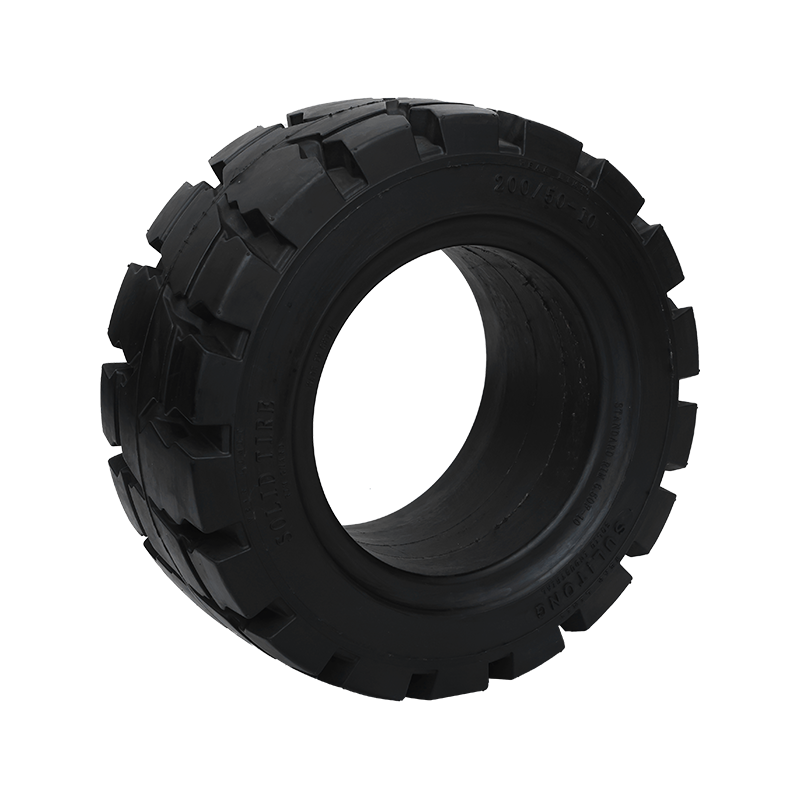
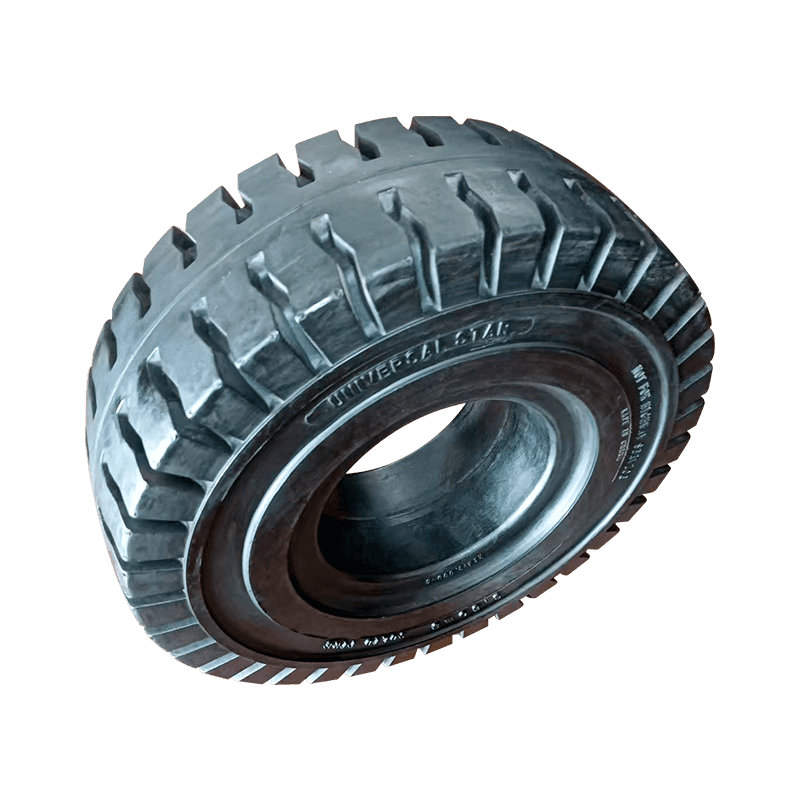
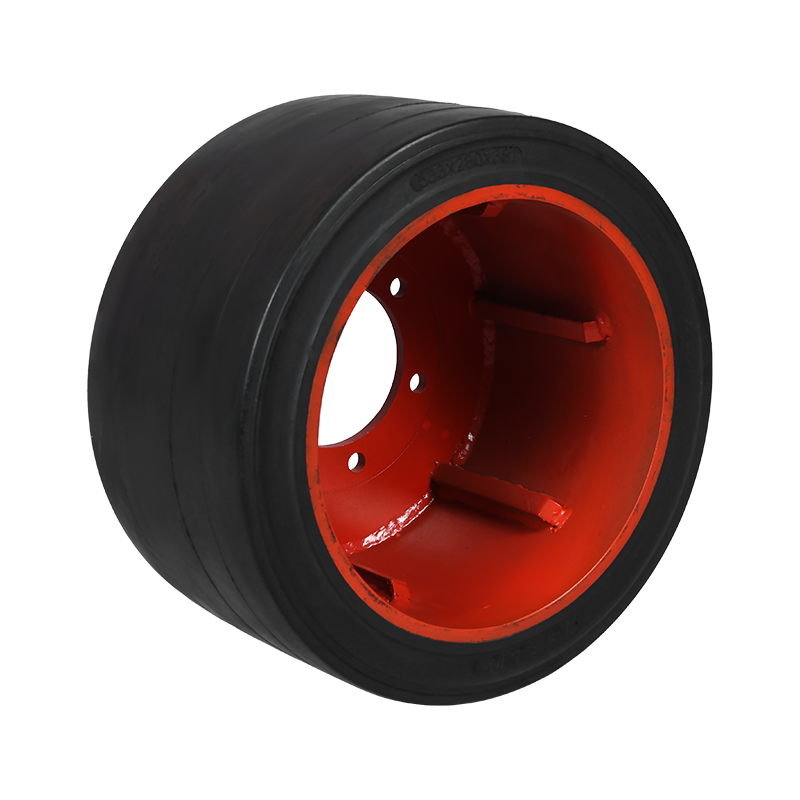
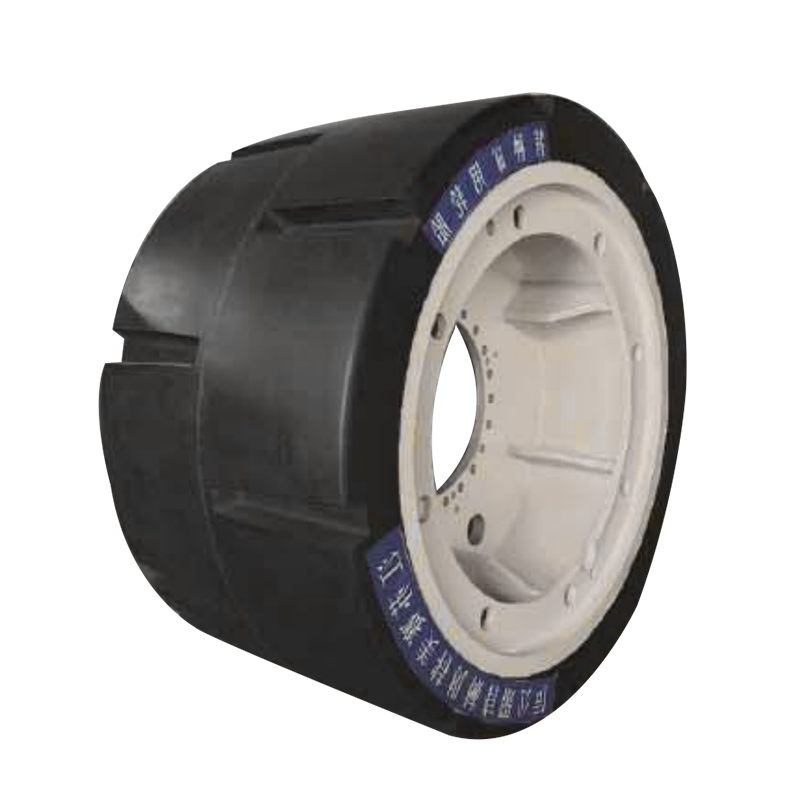
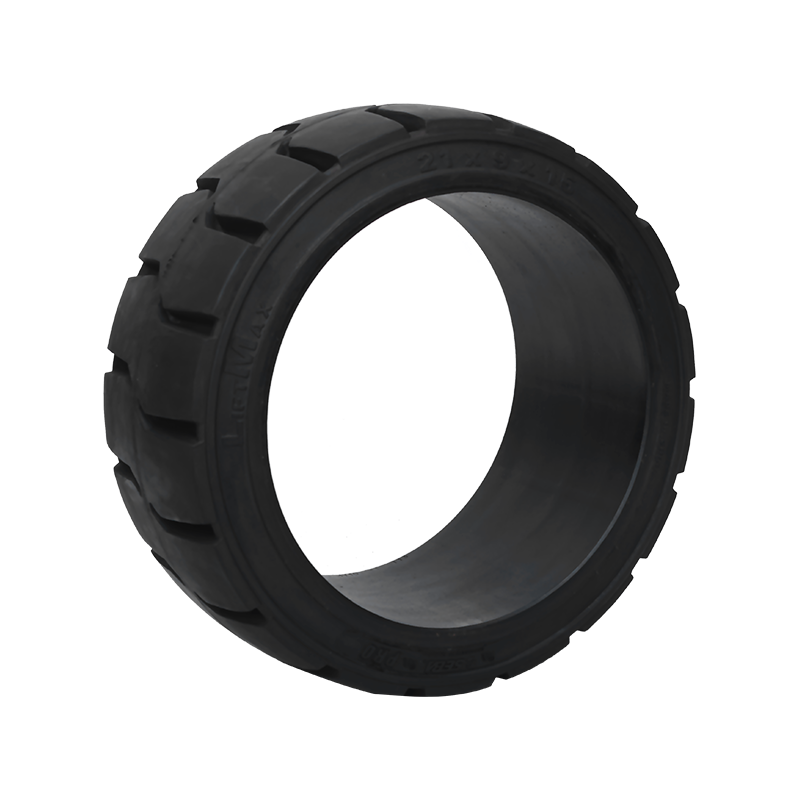
Solid industrial forklift tires are made from solid rubber and are puncture-proof. They are commonly used in indoor environments where sharp objects could damage pneumatic tires. They offer durability and require less maintenance.
Polyurethane Forklift Tires
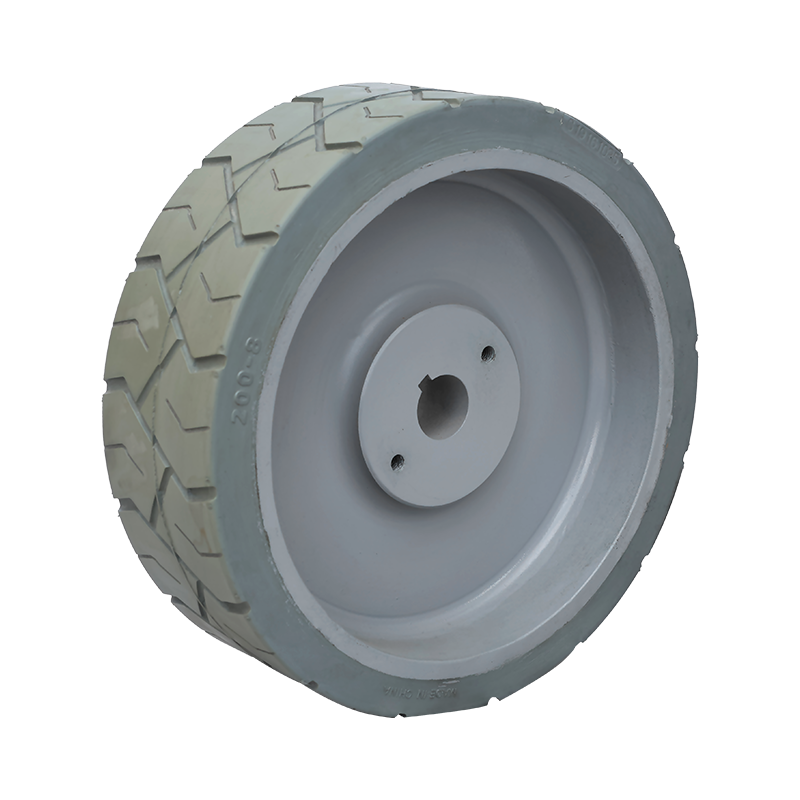
Polyurethane tires are typically used on electric forklifts in warehouses. They provide low rolling resistance, making them energy-efficient and suitable for smooth indoor floors.
Key Benefits of High-Quality Industrial Forklift Tires
Investing in high-quality industrial forklift tires brings multiple operational advantages. These benefits go beyond durability and directly influence productivity and safety.
- Improved Load Stability – Ensures safe handling of heavy goods.
- Enhanced Traction – Reduces the risk of slipping, especially in wet or dusty environments.
- Longer Service Life – High-quality materials reduce wear and tear.
- Lower Maintenance Costs – Durable tires minimize downtime and replacement frequency.
- Better Energy Efficiency – Reduces fuel or battery consumption.
Key Specifications to Consider When Choosing Forklift Tires
Selecting the right industrial forklift tire requires evaluating several technical factors to ensure optimal performance in your specific working conditions.
| Specification | Description |
| Load Capacity | Maximum weight the tire can safely support |
| Tire Size | Must match forklift specifications |
| Tread Pattern | Affects grip and wear performance |
| Material Type | Solid rubber, pneumatic, or polyurethane |
| Operating Environment | Indoor, outdoor, or mixed usage |
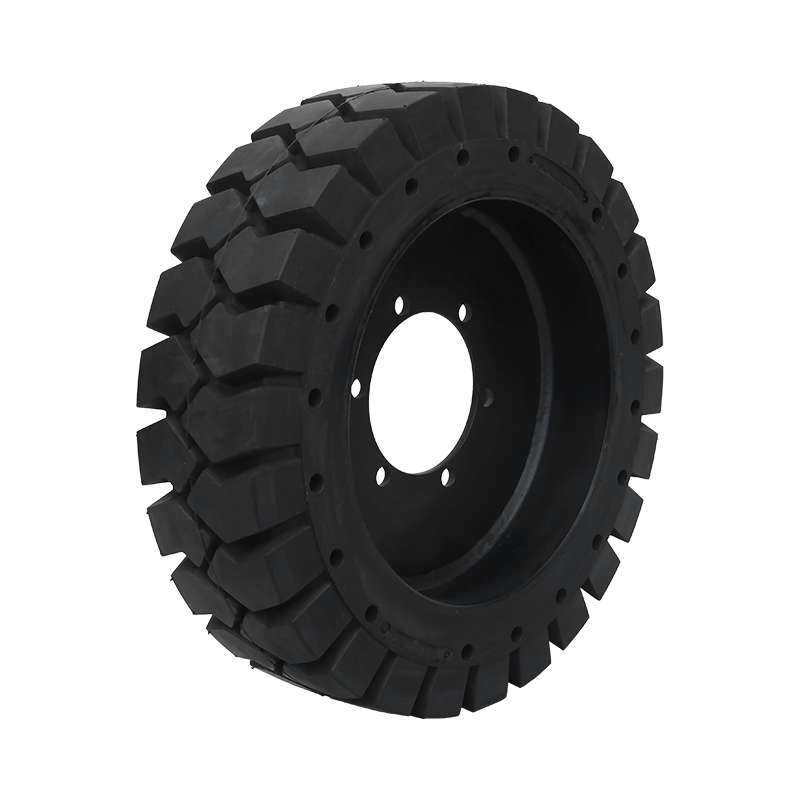
How to Choose the Right Industrial Forklift Tires
Choosing the right industrial forklift tires depends on your specific application. A proper selection improves efficiency and reduces long-term costs.
- Analyze the Work Environment – Rough terrain requires pneumatic tires, while smooth floors suit polyurethane tires.
- Consider Load Requirements – Ensure the tire can handle maximum load capacity.
- Evaluate Usage Frequency – High-usage operations need more durable tire options.
- Check Floor Conditions – Indoor floors may require non-marking tires.
- Balance Cost and Longevity – Higher upfront cost may lead to better long-term savings.
Maintenance Tips for Industrial Forklift Tires
Proper maintenance extends the lifespan of industrial forklift tires and ensures safe operation. Regular inspection and care can prevent unexpected failures.
- Inspect tires regularly for wear, cracks, or damage.
- Maintain proper air pressure for pneumatic tires.
- Rotate tires periodically to ensure even wear.
- Keep tires clean to prevent debris buildup.
- Replace worn-out tires promptly to maintain safety.
Signs It’s Time to Replace Your Forklift Tires
Recognizing when to replace industrial forklift tires is essential for maintaining performance and safety in your operations.
- Visible cracks or chunking on the tire surface.
- Reduced traction or slipping during operation.
- Uneven wear patterns affecting stability.
- Decreased load-handling performance.
- Frequent air pressure loss in pneumatic tires.
Conclusion
Industrial forklift tires play a critical role in ensuring safe, efficient, and cost-effective material handling operations. By understanding different tire types, evaluating key specifications, and following proper maintenance practices, businesses can significantly improve performance and reduce downtime. Investing in the right forklift tires is a practical step toward optimizing overall productivity.
CONTACT US
-

Email: SMT001@saimeite-tyre.com
-

Phone: +86-18451337018No. 1, Renmin South Road, Yandu District, Yancheng City, Jiangsu Province, China