
 English
 한국어
 Français
 Español


Compact Tractor Tires: Choose Tread, Size, and Load Rating for the Job
Compact tractors are the machines that do everything on a smallholding: mowing, hauling, loader work, snow clearing, light tillage. The only part of the machine that ever touches the ground is the tire, which is why compact tractor tires are one of the highest-leverage decisions an owner makes. Swap an agricultural bar tread for a turf tread and the same tractor stops tearing up the lawn. Swap back and it stops spinning in a wet paddock.
We build solid and foam filled tires for industrial equipment, and most of our conversations with customers are about matching a tire to a job rather than to a catalogue number. The guidance below follows the same order we use on the phone: start with what the machine actually does, then work backwards to tread pattern, size and construction.
Content
Start with the work, not the tread
Two compact tractors of identical horsepower can legitimately need completely different tires. A 25 hp sub-compact that spends its life mowing a lawn needs something gentle and rounded. A 45 hp utility tractor with a front loader, working a gravel yard and a muddy paddock, needs a much tougher carcass and a more open tread. Before looking at patterns, list the jobs the machine does and how often:
- Mowing and lawn maintenance: turf-type tread, low ground pressure, minimal marking.
- Loader and yard work: industrial tread, heavier sidewalls, good resistance to cuts and punctures.
- Tillage, pasture and hauling: agricultural bar tread, maximum grip in soft soil.
- Snow clearing and mixed hard surfaces: open tread with decent self-cleaning, plus room for chains if needed.
If one machine has to cover three of those jobs, the honest answer is that you will be compromising somewhere, and a hybrid tread is usually the least painful compromise.
The three tread families you will meet
Almost every compact tractor tire falls into one of three families, with a growing group of hybrids sitting between them.
| Tread family | Typical use | Grip in mud and soft soil | Turf damage | Wear on pavement | Notes |
|---|---|---|---|---|---|
| R1 agricultural bar | Tillage, pasture, pulling loads | Best of the three | High | Fast | Classic 45-degree bar; shallow-angle versions suit wet, sticky soil |
| R3 turf | Mowing, estates, loader work on finished ground | Weak; lugs fill and slip | Very low | Moderate | Many small ribs; best when the machine rarely leaves grass |
| R4 industrial | Loader and backhoe work, construction, mixed sites | Good | Moderate | Slower than R1 | Heavier carcass, better puncture resistance, stiffer ride |
| Hybrid turf/ag | Owners who mow and load with one machine | Fair | Low to moderate | Moderate | Compromise pattern; check the load rating carefully |
The practical warning about turf tires is worth repeating: they are gentle on grass but they are not load tires. Put a full bucket of gravel on the front of a turf-shod compact tractor on a slope and the front tires will tell you so, sometimes by rolling off the rim.
Reading the numbers on the sidewall
Compact tractor tire sizes look cryptic because they mix two systems. A size such as 23x10.50-12 gives overall diameter, section width in inches and rim diameter; a size such as 11.2-24 gives section width in inches and rim diameter with the aspect implied. Either way, the numbers you should write down before contacting anyone are:
- Overall diameter and section width, measured on the machine if the current tires fit well.
- Rim diameter and rim width, which decides whether a wider tire can be fitted safely.
- Ply rating or load index, plus the star rating if the tire is radial.
- Any clearance limits at the fender, the loader frame and the three-point linkage.
Load and speed go together. Tractor tires are rated on a load-inflation table that assumes low working speeds; running the same tire at road speed reduces the load it can legally carry. That matters for compact tractors because they often travel between sites on tarmac at 20 to 25 km/h before working all day in a field.
Punctures, thorns and the foam fill option
On orchards, demolition sites, landfill edges and anywhere with nails, wire or hawthorn, a pneumatic compact tractor tire can be flat before lunch. One option that is well established in agriculture is foam filling, where the casing is filled with a polyurethane compound so it can no longer be punctured or deflated. If you want the technical background first, our own article on foam filled tractor tires walks through how the fill behaves under load and heat.
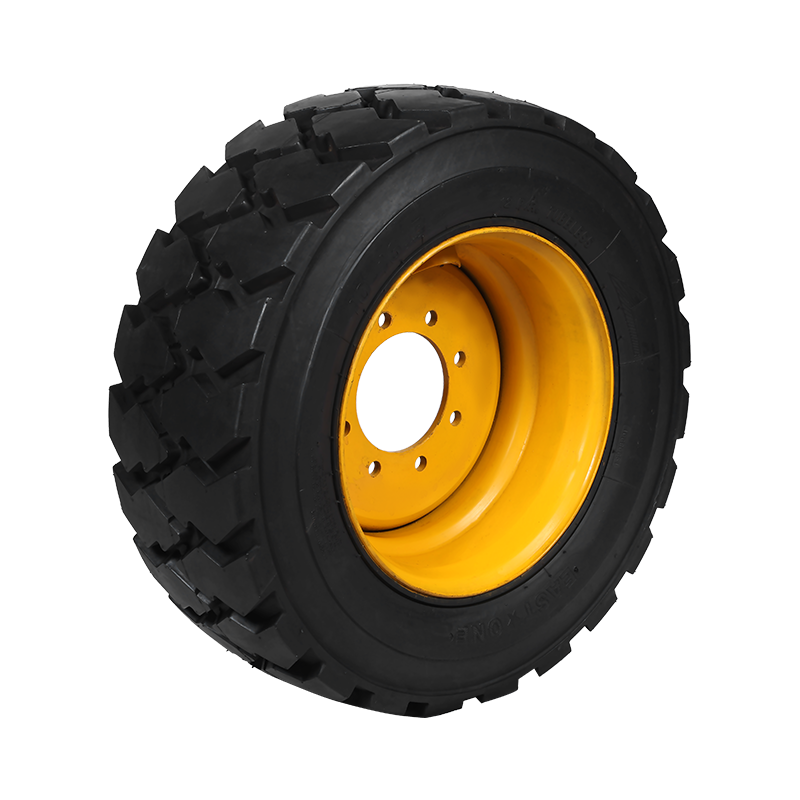 Foam Filled Tires for Puncture-Prone EquipmentFor orchards, demolition and landfill work, these foam-filled casings resist punctures and deflation while combining solid-tire load capacity with pneumatic comfort.View Product →
Foam filling is not free of consequences. A fully filled tire gains a noticeable amount of weight, which helps traction and stability but stiffens the ride and adds load to the axle and steering. The fill also makes the tire effectively unserviceable, so a damaged casing means replacement rather than repair. In our experience the economics work when downtime is expensive and the machine works at low speed; they rarely work for a machine that spends hours on the road.
When a solid tire is the better answer
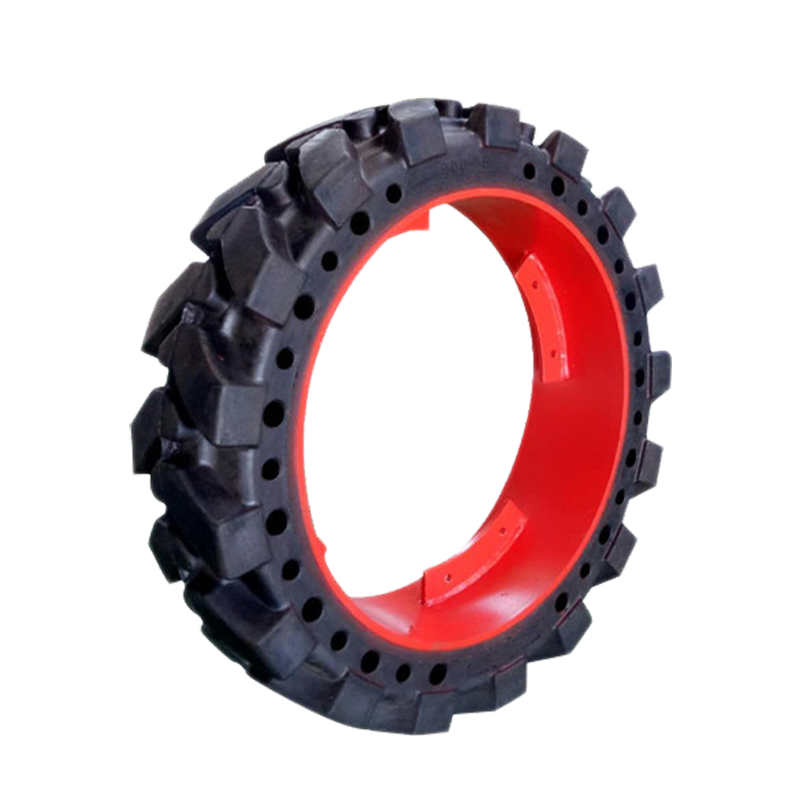
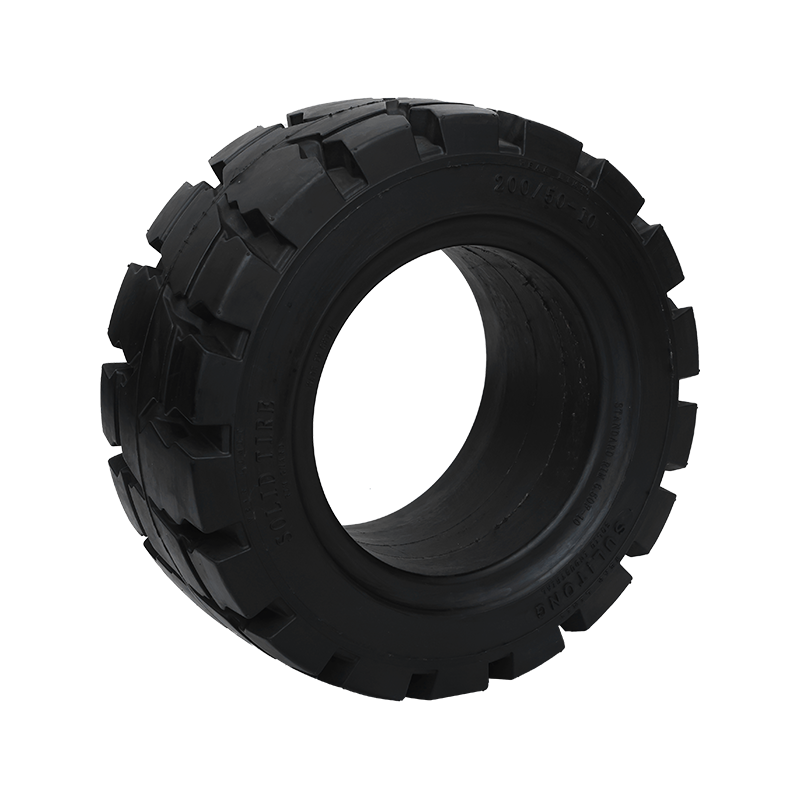
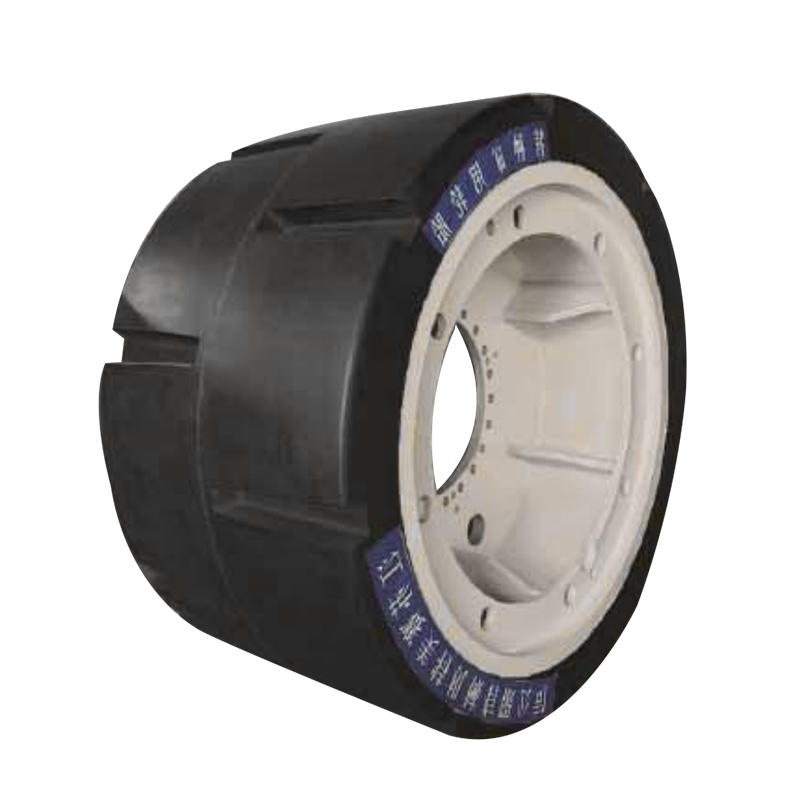
Compact tractors are not good candidates for solid tires. Their speeds, their suspension-free chassis and their need for soil flotation all point to pneumatic or foam filled casings. Compact loaders are a different story: a skid steer working in a scrap yard, a foundry or a waste transfer station at low speed can run solid or heavily reinforced rubber and forget about flats entirely.
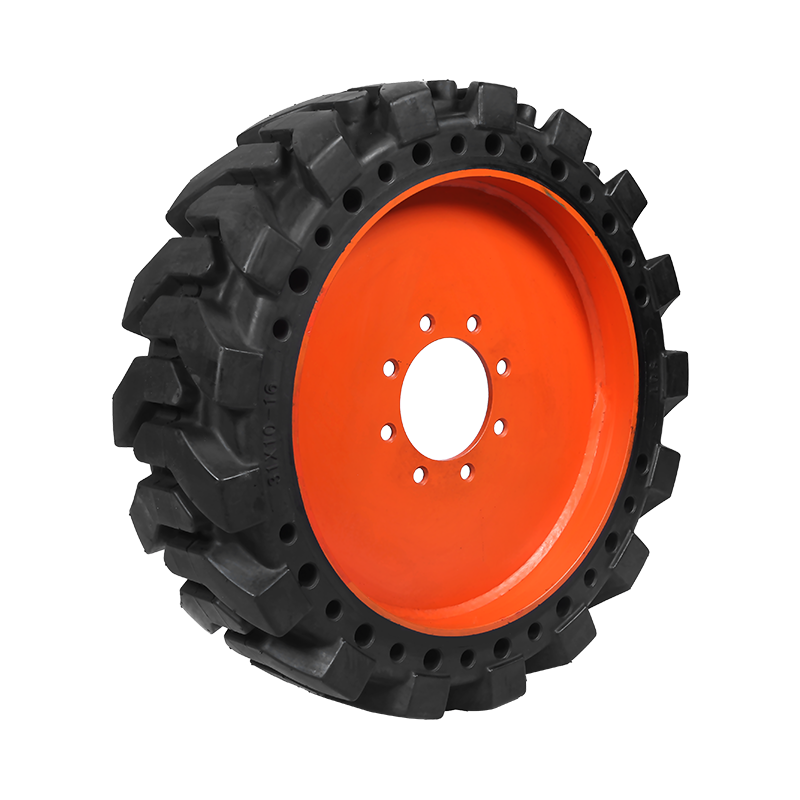 Skid Steer Tires for Compact Loader ApplicationsFor compact loaders doing demanding low-speed work, these skid steer tires combine a large-pitch transverse tread with a cut- and wear-resistant compound.View Product →
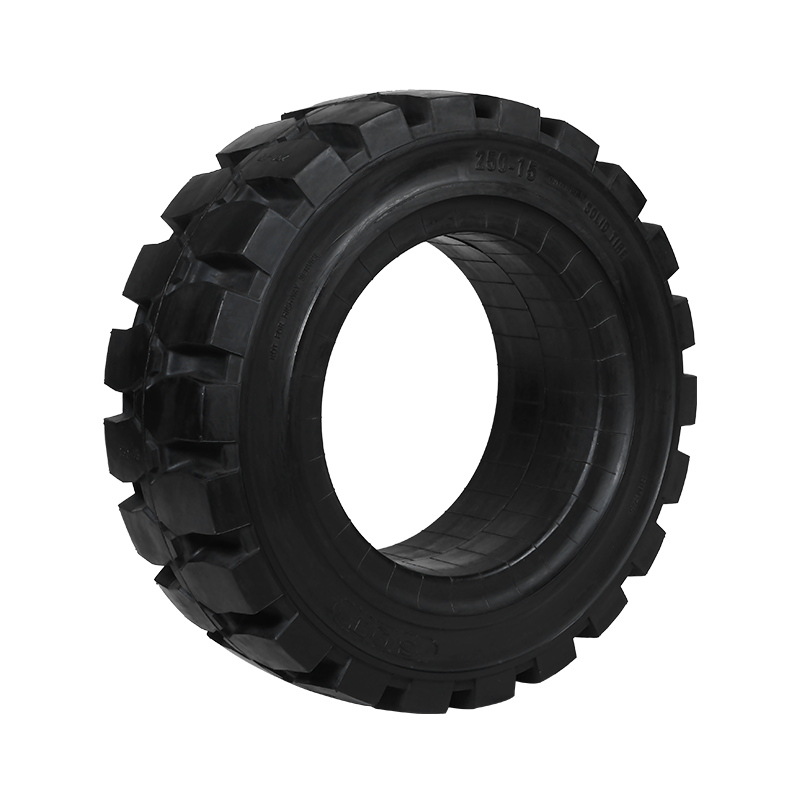
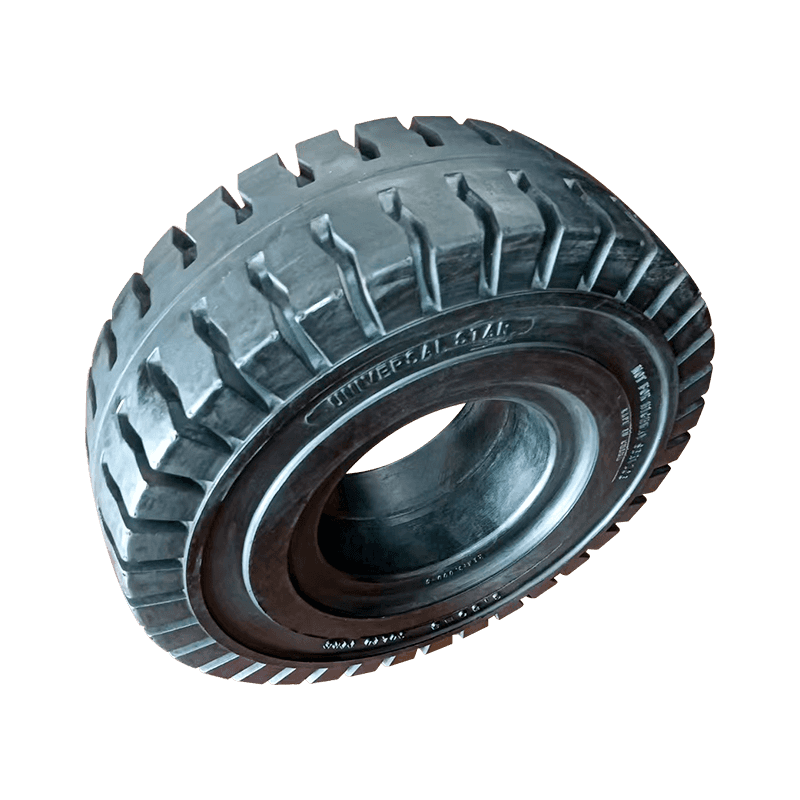
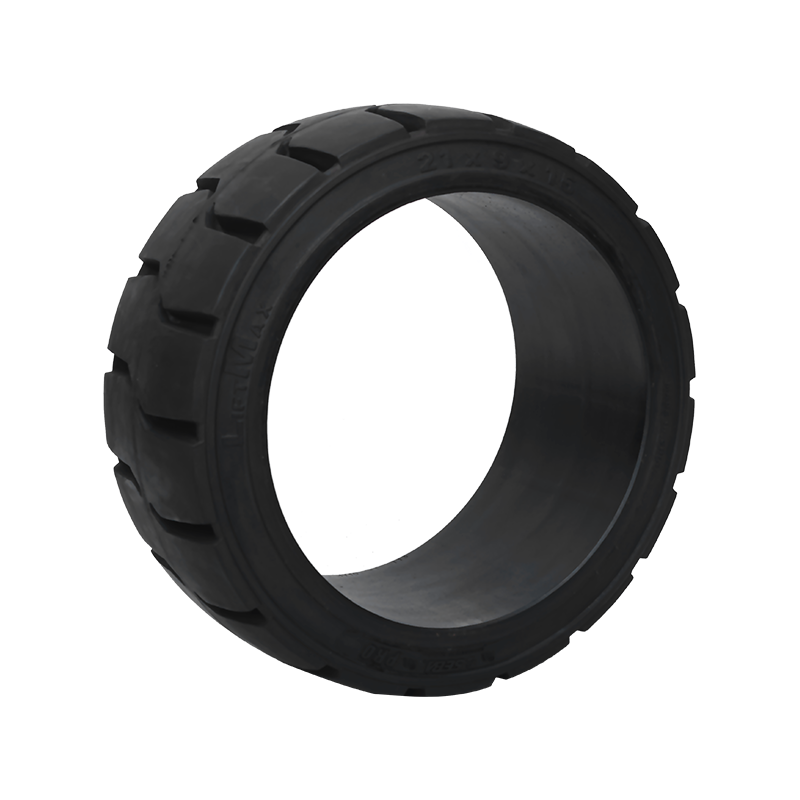
The same logic applies to press-on solid tires on forklifts, where low speed and high load make a solid tyre the default choice rather than a special order. If your "compact tractor" is really a compact loader doing industrial work, it is worth saying so early, because the recommendation changes completely.
Habits that add years to a set
Most premature tire failures we see are not manufacturing problems. They are pressure problems, alignment problems or overload problems.
Check pressure cold, and check it often
A tire that looks fine can be 30 percent under-inflated, and an under-inflated tractor tire flexes, heats and eventually slips on the rim or cracks at the sidewall. Check weekly, before the machine has done any work.
Match inflation to the load, not to habit
Heavy loader work calls for higher pressure than light mowing. If you regularly switch between the two, change the pressure with the job instead of leaving it at one setting year round.
Watch alignment, ballast and storage
Bad toe-in scrubs the front tires flat in a few hundred hours. Liquid ballast adds stability but also weight that the tire and axle must carry. And tires stored for a season should be cleaned, kept out of direct sun and kept away from oil and ozone sources.
A short buying checklist
When you are ready to order, work through this list in order:
- Confirm the machine model, horsepower and typical jobs.
- Record the current tire size, ply rating or load index from the sidewall.
- Decide on a tread family before choosing a brand or a price point.
- Confirm rim width and clearance for the size you intend to fit.
- Decide whether puncture protection is worth the trade-off in ride and cost.
- Buy the pair or the set together so wear stays even.
If you would rather compare specifications side by side, our technical sheets are available in the download centre, and we are happy to talk through a specific machine before you commit to a size.
CONTACT US
-

Email: SMT001@saimeite-tyre.com
-

Phone: +86-18451337018No. 1, Renmin South Road, Yandu District, Yancheng City, Jiangsu Province, China