
 English
 한국어
 Français
 Español


Farm Machinery Tires: A Practical Guide to Loads, Surfaces, and Uptime
Farm machinery tires are easy to overlook until a machine is stuck in a gateway, a loader is sidelined by a puncture, or a tire bill arrives halfway through harvest. On a working farm, tires are not cosmetic. They carry the load, transmit torque, protect the soil, and influence how stable a machine feels with a full bucket or bale. They also decide how often someone has to stop work to check pressures or change a wheel.
We build and supply solid and specialty tires for industrial and compact equipment, so we see both sides of the choice: the buyer who wants fewer flats and the operator who wants a machine that still handles well. This guide looks at farm machinery tires as a practical system—machine, surface, load, speed, and maintenance—rather than a list of tread patterns.
Content
- 1 Farm Machinery Tires Are a System, Not a Single Product
- 2 Start With the Job the Machine Does
- 3 Match Tire Construction to the Working Surface
- 4 Load, Speed, and Heat: The Numbers Behind a Safe Choice
- 5 Compact Farm Equipment: Skid Steers, Loaders, and Forklifts
- 6 Maintenance and Replacement Signals
- 7 Buying Farm Machinery Tires Without Guesswork
Farm Machinery Tires Are a System, Not a Single Product
“Farm machinery tires” covers a wide family. A row-crop tractor may run large pneumatic drive tires designed for traction and soil protection. A trailer or spreader may use implement tires with different load and road requirements. A skid steer in a barn, a wheel loader at a silage clamp, a forklift in a feed store, and an aerial platform in a farm workshop may all need tires that look industrial rather than agricultural.
Those differences matter because a tire is a compromise. A deep, open tread can bite in mud but may wear quickly on concrete and feel less stable during tight turns. A solid tire can resist punctures and stand up to abrasive yards, but it can ride harder and transfer more shock to the machine. A foam-filled tire can keep a slow-speed machine working after a puncture, but it adds weight and changes the feel of the machine. The right choice starts with the actual duty cycle, not the catalog picture.
Start With the Job the Machine Does
Before comparing tread patterns or prices, answer four questions: What surface will the machine work on? What is the heaviest axle load? How far and how fast will it travel? What kind of debris is present? A tire that suits a feed pad may be poor in a wet field, and a tire that grips well in soil may be expensive to run on a concrete apron.
Field and forage work
For field work, traction and soil protection usually lead. Large pneumatic agricultural tires can run at low pressure to spread load and reduce compaction, but pressure must match the load and the job. If you are buying for tractors, sprayers, or harvest equipment, use a specialist agricultural tire supplier and follow the machine manufacturer’s pressure tables. Our own focus is solid and specialty tires for industrial and compact machines, which is a different design brief.
Yards, barns, and feed pads
Concrete, gravel, feed pads, and waste areas bring sharp turns, curbs, stones, wire, and pallet tines. Puncture resistance, sidewall strength, and a consistent footprint matter more than maximum field traction. Solid or foam-filled tires may make sense here, especially where a flat would block a doorway or stop feeding. If floor marking matters, ask about non-marking compounds as well as tread shape.
Loading, lifting, and transport
Tires are part of machine stability. A tire with too little load capacity or too much deflection can make a load chart misleading. Check rated capacity at the actual speed and use, not just the static yard load. On loaders, the bucket, bale spike, or other attachment changes axle load, so the tire choice should reflect the heaviest realistic duty.
Match Tire Construction to the Working Surface
Most farm machinery tires fall into three broad construction families. Each has a place, and each has trade-offs that show up in daily work.
| Construction | Where it fits | What to watch |
|---|---|---|
| Pneumatic | Field traction, road transport, soil protection | Pressure checks, punctures, sidewall damage |
| Foam-filled | Rough yards, debris, slow-speed equipment | Added weight, stiffer ride, serviceability |
| Solid or press-on | Concrete, gravel, high puncture risk, tight turns | Load and speed limits, harsher ride, wheel condition |
Foam-filled tires are often chosen where a flat would interrupt work and the machine does not need high road speed. They are not a cure-all: they are heavier, can be harder to service, and are best suited to slow-speed duties. Our foam-filled tire range is one place to compare construction options if flat risk is your main concern.
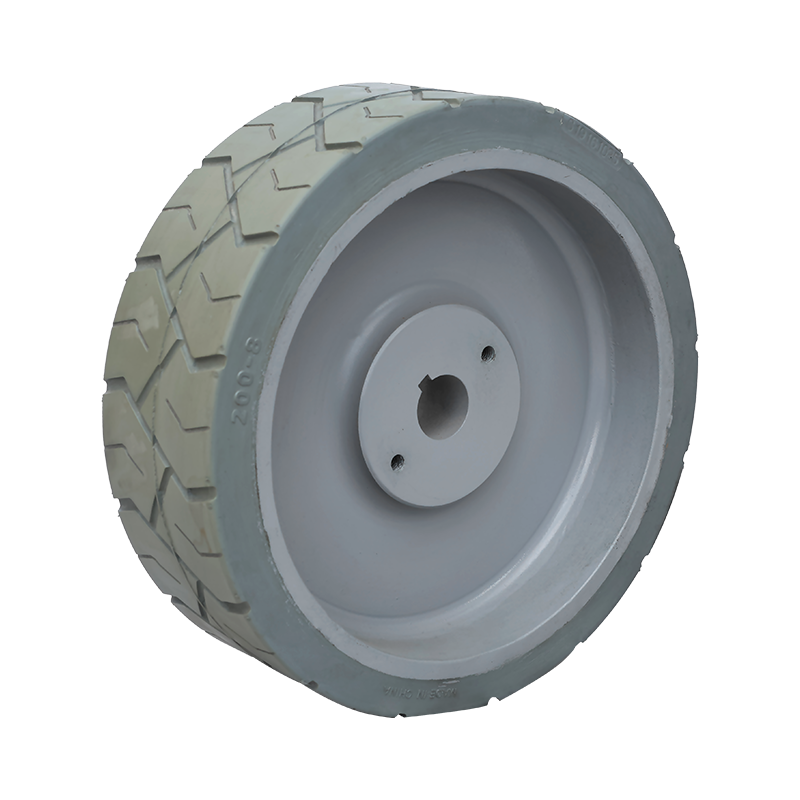
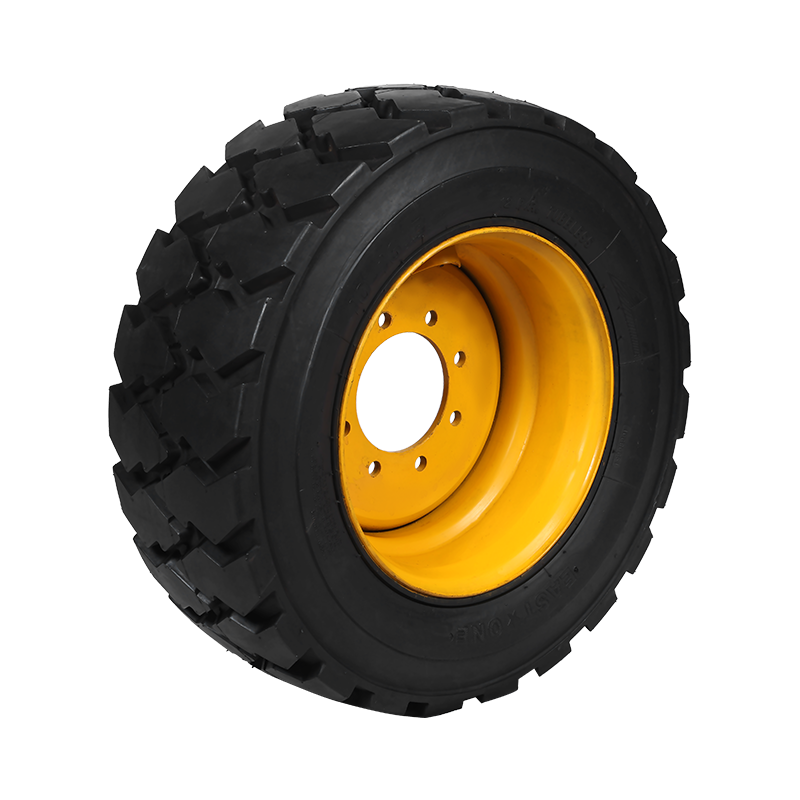 Foam-Filled Tires for Air Work PlatformsFoam-filled tires combine solid load-bearing with pneumatic comfort and are worth comparing where puncture risk and low maintenance matter.View Product →
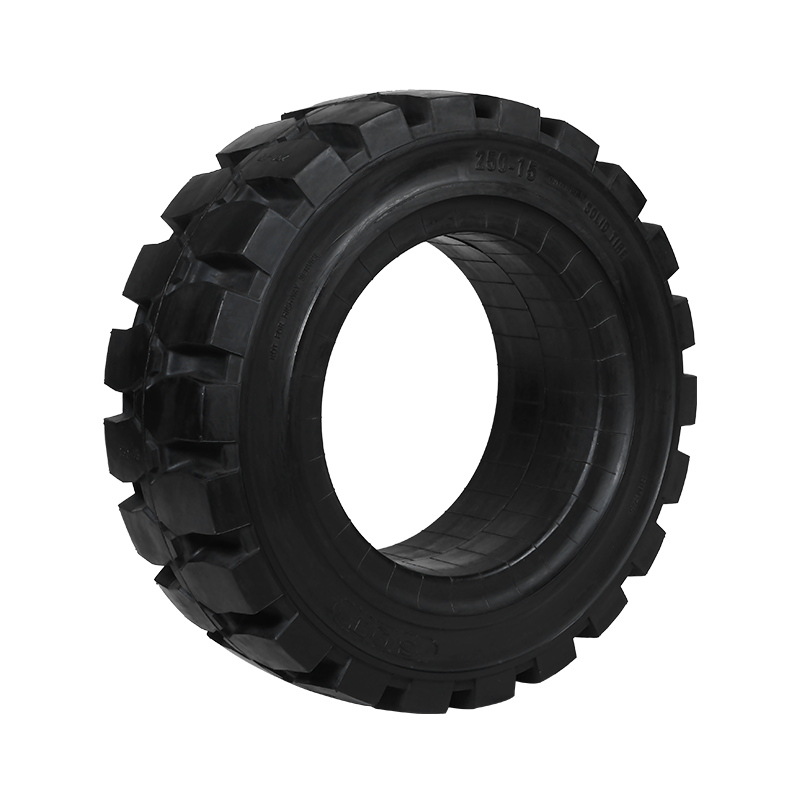
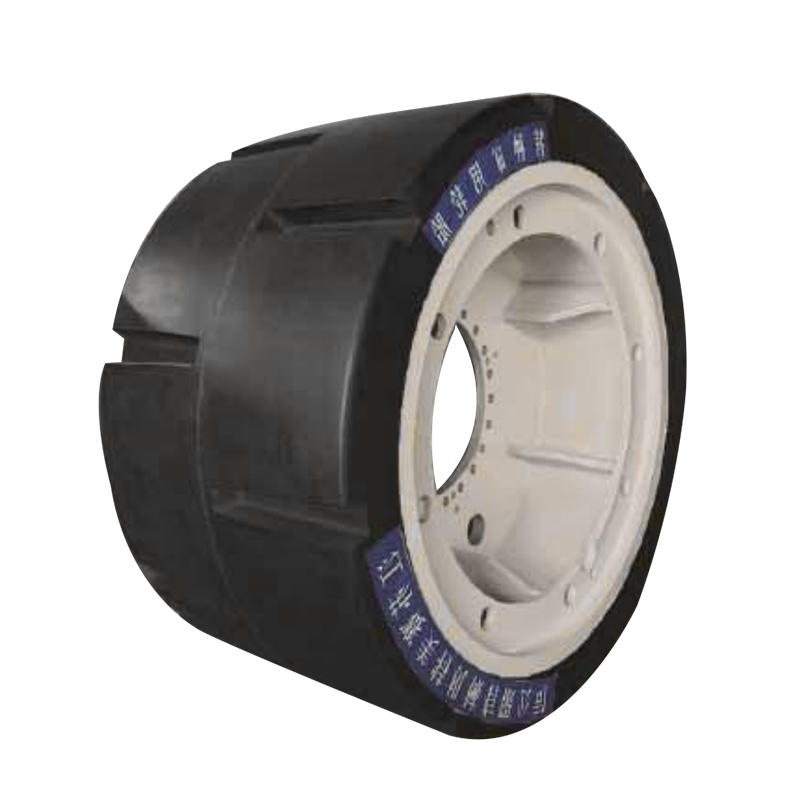
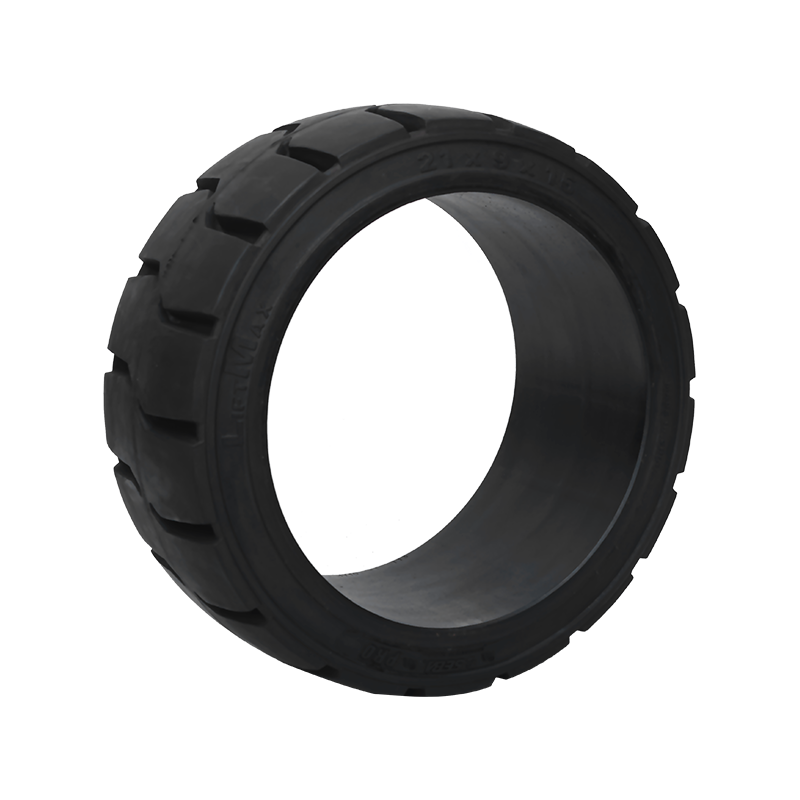
Solid tires take puncture resistance further. They suit machines that work in abrasive yards, on concrete, or around debris that would destroy a pneumatic sidewall. The penalty is usually a firmer ride and a need to respect load and speed limits. Press-on solid tires add another option for industrial equipment where the wheel and hub are designed for that mounting method.
Load, Speed, and Heat: The Numbers Behind a Safe Choice
Tire ratings are easy to ignore and expensive to exceed. A load index tells you how much weight a tire can carry at a stated speed under specified conditions. A speed symbol tells you how fast it can run. Those figures are not marketing extras; they are the basis of safe operation, especially on loaders that carry variable loads and machines that move between field, lane, and yard.
Heat is the quiet enemy. A pneumatic tire run underinflated for its load flexes too much and builds heat. An overloaded solid tire can also overheat, even though it has no air pressure to check. Short runs at low speed may tolerate conditions that would be unacceptable on a road journey. Be honest about the worst combination of load, speed, distance, and ambient temperature the machine will face.
- Record the machine model, attachment, and heaviest expected load.
- Check the rim size, tire size, and any required load or speed rating.
- Confirm whether the machine will work mainly on soil, gravel, concrete, or mixed surfaces.
- Ask for the manufacturer’s load and speed data in writing, not just a size match.
Compact Farm Equipment: Skid Steers, Loaders, and Forklifts
Skid steers are among the hardest-working machines on many farms. They turn tightly, scrub tires on concrete, and often work around sharp debris. Tire choice needs to balance traction, puncture resistance, wear life, and stability. A tread that works well in mud may wear quickly on a concrete yard, while a smoother industrial pattern may struggle in soft ground. Our guide to choosing skid steer tires for maximum efficiency goes deeper into those trade-offs.
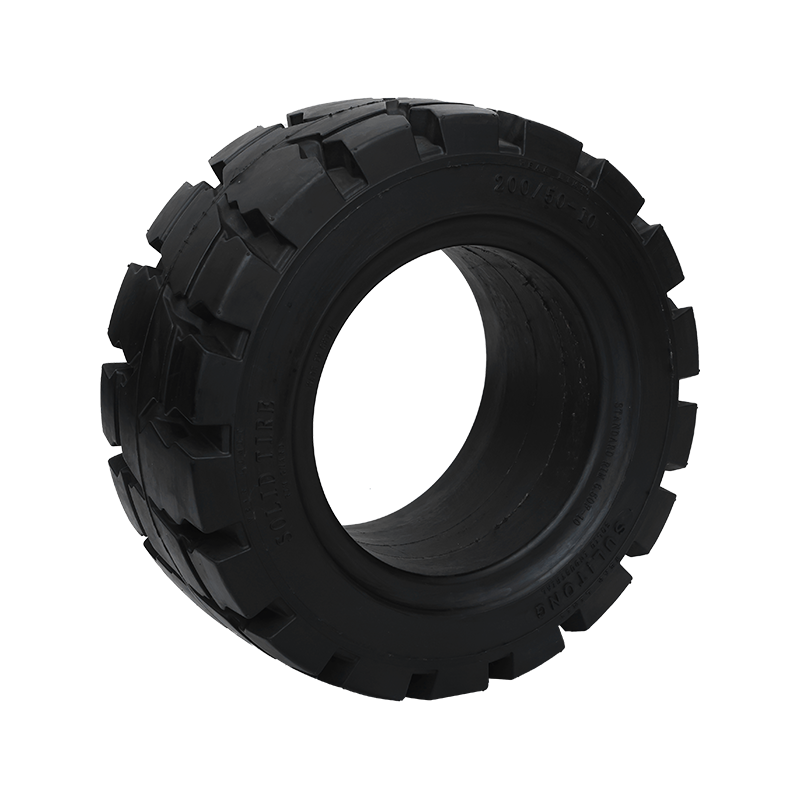
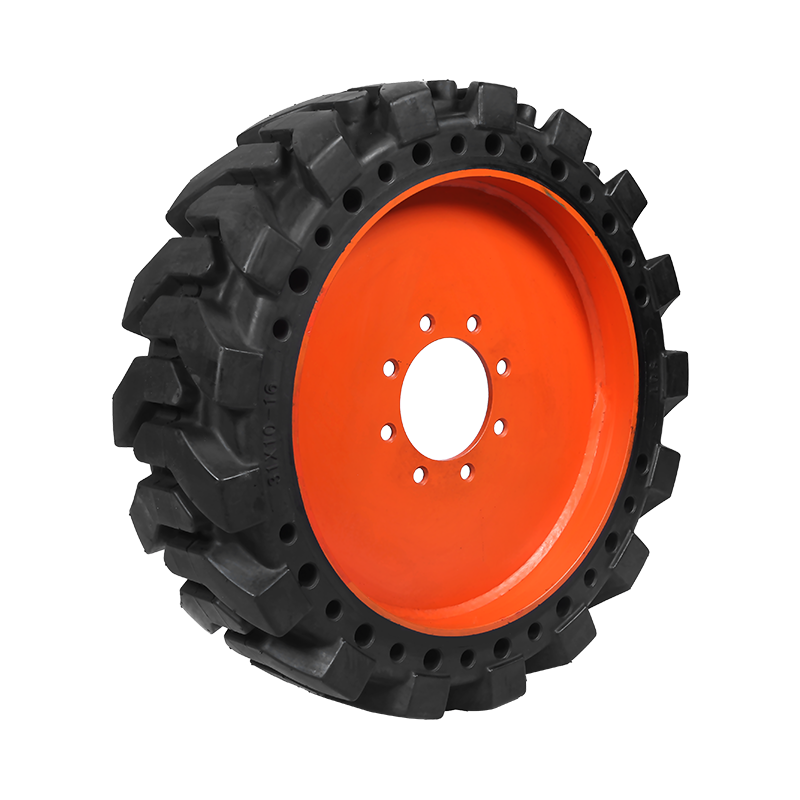 Skid Steer Tires for Loader ApplicationsSkid steer tires use a large-pitch transverse tread and cut-resistant compound for traction and wear life on demanding loader work.View Product →
Wheel loaders carry heavy bucket loads and work in abrasive conditions. Tire casings, tread depth, and load capacity matter, but so does heat buildup during repeated cycles. A loader tire that is underspecified for the job may fail early even if the tread pattern looks aggressive. Our wheel loader tire range is built around those heavy-duty demands.
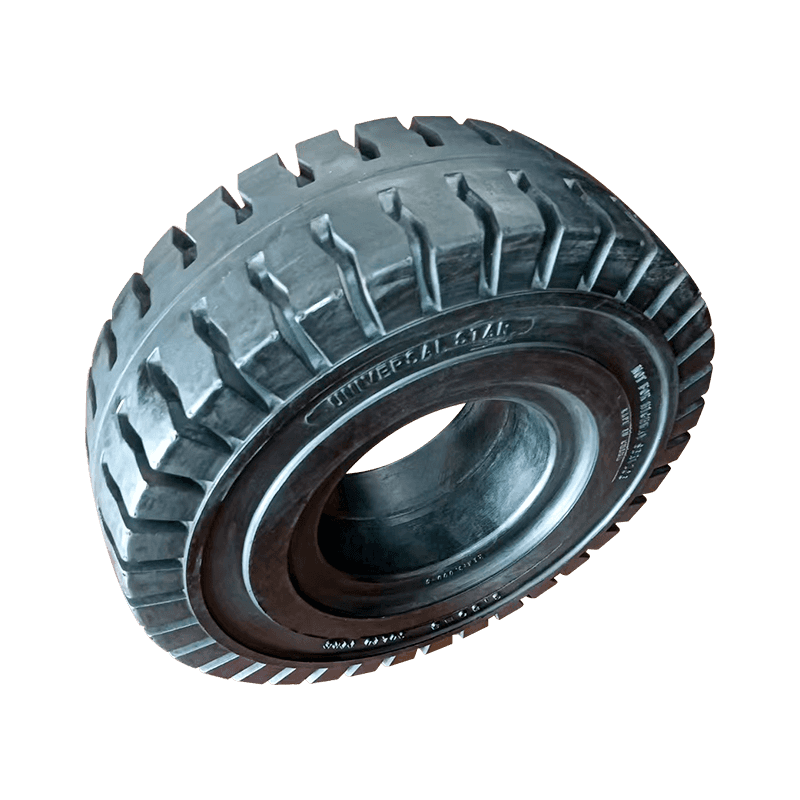
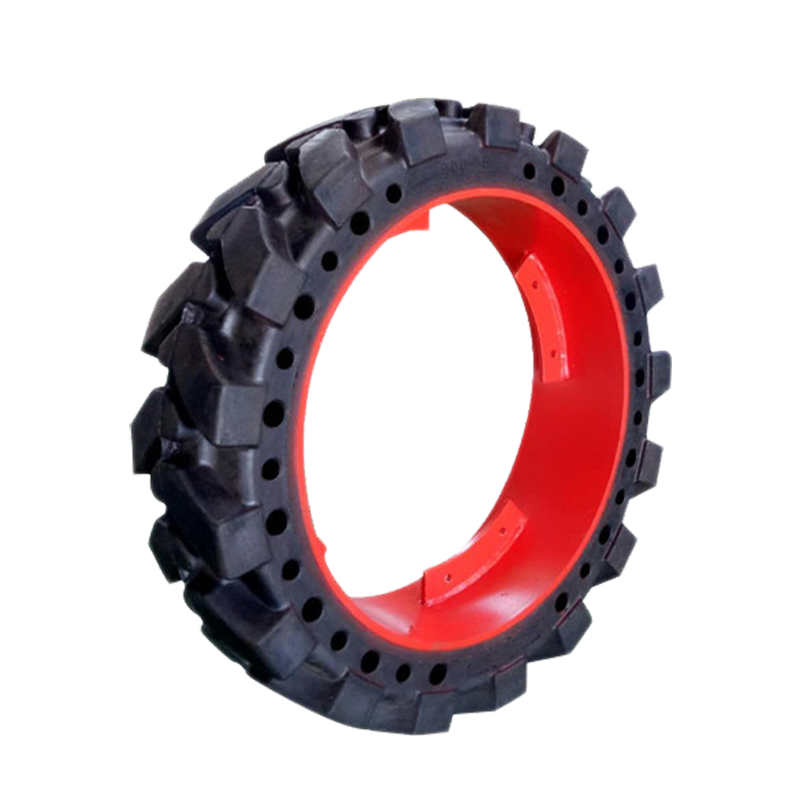 Wheel Loader Tires for Heavy-Duty ApplicationsWheel loader tires are built with high rigidity and low rolling resistance for heavy loads in ports, metallurgy, and loader work.View Product →
Forklifts and other material handling equipment usually work on hard surfaces, where stability and tight turning matter. Solid and press-on tires are common because they resist punctures and hold their shape under load. The key is to match the tire to the wheel type, load center, and floor conditions rather than assuming any solid tire will do.
Maintenance and Replacement Signals
Even the right tire will fail early if it is neglected. A short walk-around inspection is usually cheaper than a breakdown. Look for cuts, embedded stones, bulges, sidewall cracks, uneven wear, and loose wheel nuts. On pneumatic tires, check pressure with a reliable gauge when tires are cold. On solid and foam-filled tires, check for chunking, flat spots, exposed cord, and damage to the wheel or mounting area.
- Replace tires with cuts or bulges that reach the cord or sidewall structure.
- Investigate uneven wear; it can point to pressure, alignment, overload, or worn components.
- Keep matched tires across an axle where the machine manufacturer requires it.
- Check wheel nuts and rims after service and at regular intervals.
Do not mix tire sizes or constructions casually on a machine that relies on consistent rolling circumference. Mismatched tires can cause drivetrain wind-up, poor steering, or stability problems. If a tire is being replaced because of repeated failure, treat that as a symptom and check load, surface, and operating practice before buying the same specification again.
Buying Farm Machinery Tires Without Guesswork
The best buying conversation starts with machine data, not a price request. Send the machine model, current tire size, rim size, heaviest axle load, working surface, typical speed and distance, and photos of the wheel and wear pattern. That information lets a supplier check load capacity and construction, not just diameter and width.
We work with solid, foam-filled, and press-on tire options for industrial and compact equipment. If your machine is a tractor or a large agricultural trailer, we will tell you honestly when a specialist agricultural tire is the better route. For skid steers, loaders, forklifts, and similar equipment, we can compare options around the actual job. Our resource download page is a useful starting point for product data before you inquire.
In the end, farm machinery tires should be chosen for the work they will do, not for how they look on a shelf. Match the construction to the surface, respect the load and speed ratings, and keep the tires maintained. That approach reduces downtime, protects the machine, and keeps the farm moving—which is what a working tire is for.
CONTACT US
-

Email: SMT001@saimeite-tyre.com
-

Phone: +86-18451337018No. 1, Renmin South Road, Yandu District, Yancheng City, Jiangsu Province, China