
 English
 한국어
한국어 Français
 Español

Eco-friendly Tires for Scissor Lifts: What They Are & Why You Need Them
Content
- 1 What Are Eco-Friendly Tires for Scissor Lifts, Exactly?
- 2 Why Scissor Lift Tires Matter More Than You'd Think
- 3 Main Types of Eco-Friendly Scissor Lift Tires
- 4 Comparing the Options at a Glance
- 5 What Makes These Tires Genuinely Better for the Environment
- 6 Cost vs. Long-Term Savings
- 7 How to Choose the Right Eco-Friendly Tire for Your Scissor Lift
- 8 Maintenance Tips to Extend Tire Life
- 9 Final Thoughts on Making the Switch
What Are Eco-Friendly Tires for Scissor Lifts, Exactly?
If you've spent any time around a construction site or warehouse, you've probably seen a scissor lift rolling by without giving much thought to what's under it. But the tires on a scissor lift actually matter a lot more than people realize. Eco-friendly tires for scissor lifts are built using materials and manufacturing processes that reduce environmental impact — think recycled rubber compounds, non-marking formulas that don't leave black streaks on floors, and designs that last longer so fewer tires end up in landfills. They're not some niche product either; more rental companies and facility managers are switching to them because they check two boxes at once: better for the planet, and better for the bottom line.
Unlike traditional pneumatic (air-filled) tires that are prone to punctures and made from petroleum-heavy rubber blends, eco-friendly options are typically solid or foam-filled, using compounds engineered to reduce waste during production and extend the tire's working life. Some manufacturers now use post-consumer recycled rubber or bio-based polymers as part of the mix, cutting down on virgin material use without sacrificing durability.
Why Scissor Lift Tires Matter More Than You'd Think
Scissor lifts spend most of their working life indoors — warehouses, retail buildouts, hospital renovations, and manufacturing floors. That means the tires aren't just rolling over dirt and gravel; they're constantly in contact with polished concrete, epoxy coatings, and tile. A tire that isn't designed for this kind of use can leave scuff marks, crack under weight, or wear down unevenly, creating both a mess and a safety hazard.
Choosing eco-friendly tires for scissor lifts solves several problems simultaneously. They tend to be non-marking, which keeps floors clean without extra labor. They're often solid-core, which means no more flat tires stalling a project. And because they're built to last, you're not swapping them out every few months, which cuts down on the resources and shipping emissions tied to constant replacements.
Main Types of Eco-Friendly Scissor Lift Tires
Not all "green" tires are the same. Here's a breakdown of the most common types you'll come across when shopping for eco-friendly scissor lift tires.
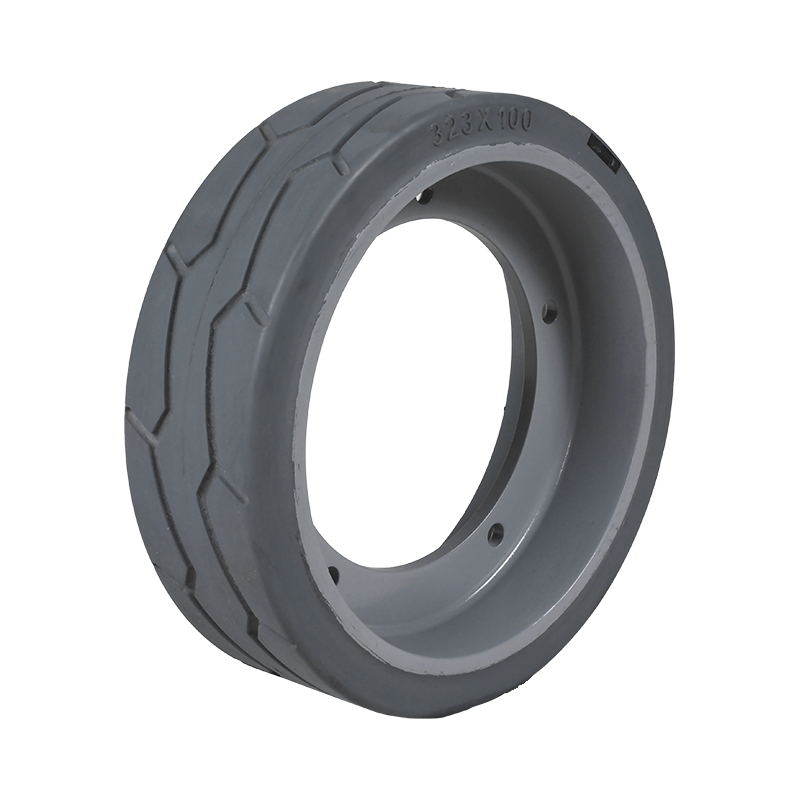
Solid Rubber Tires
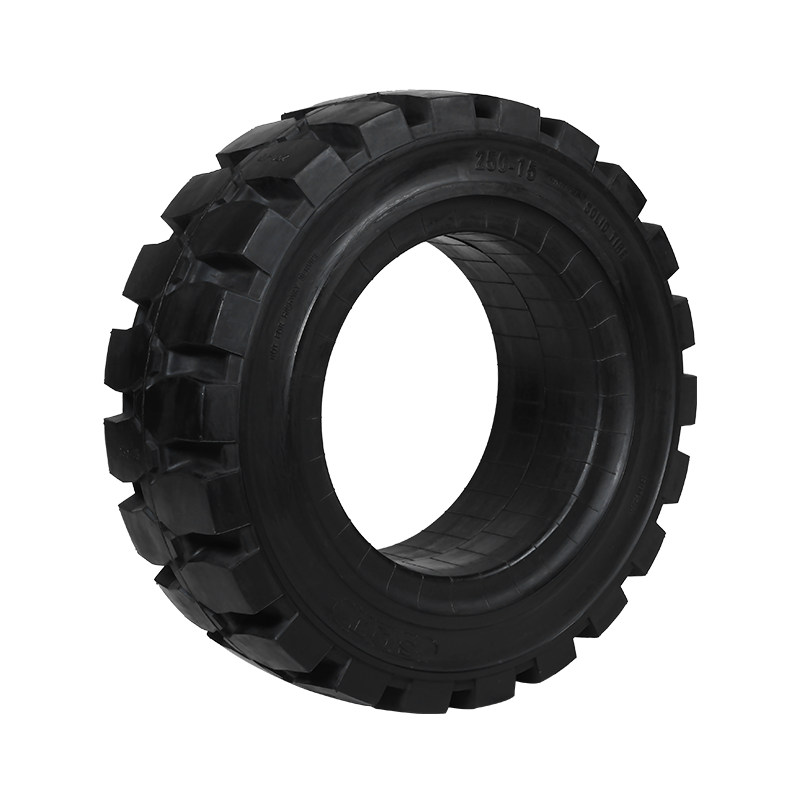
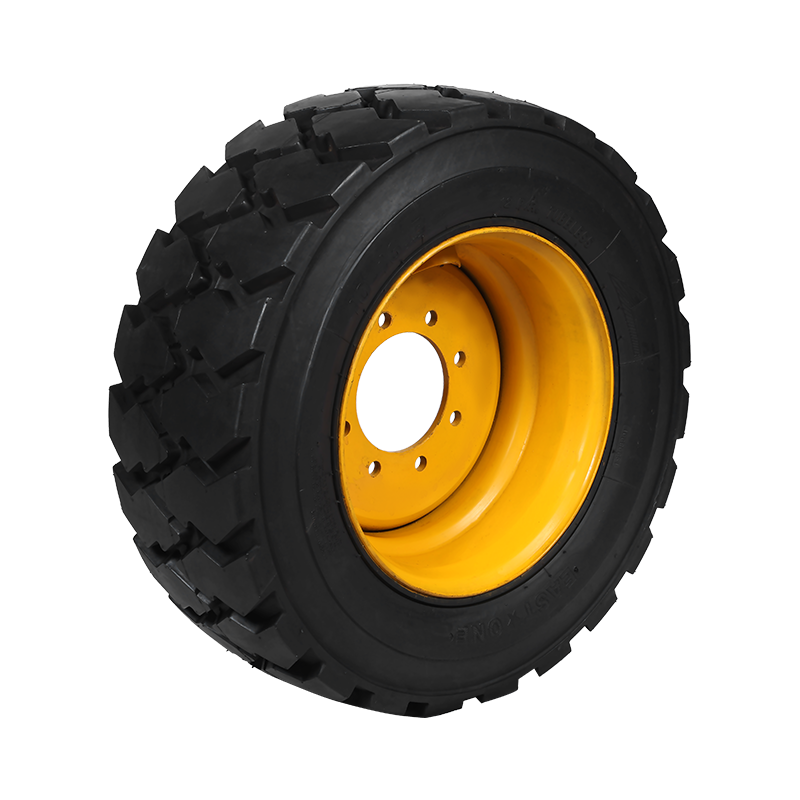
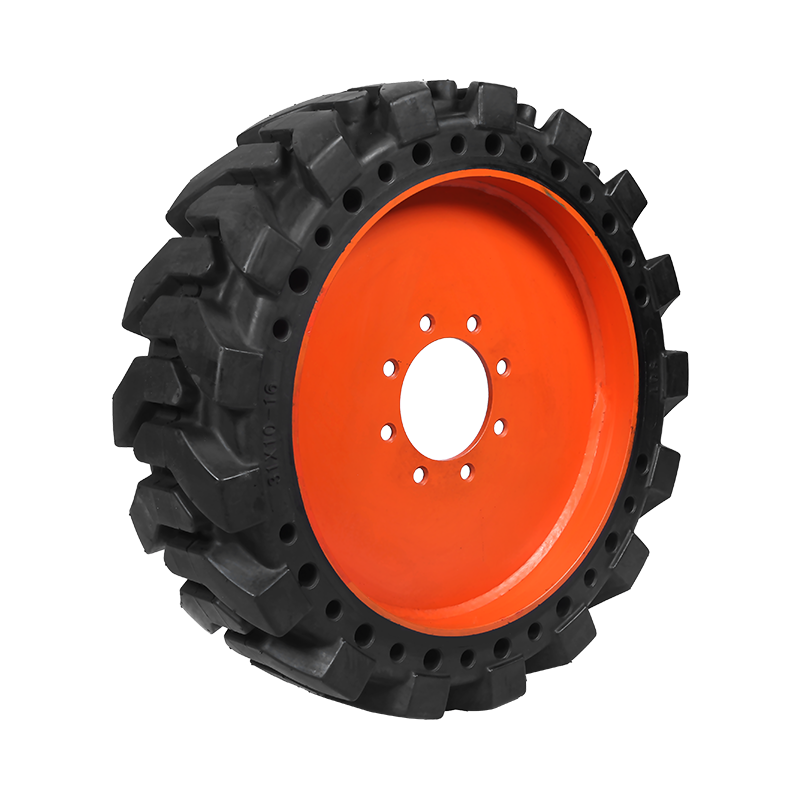
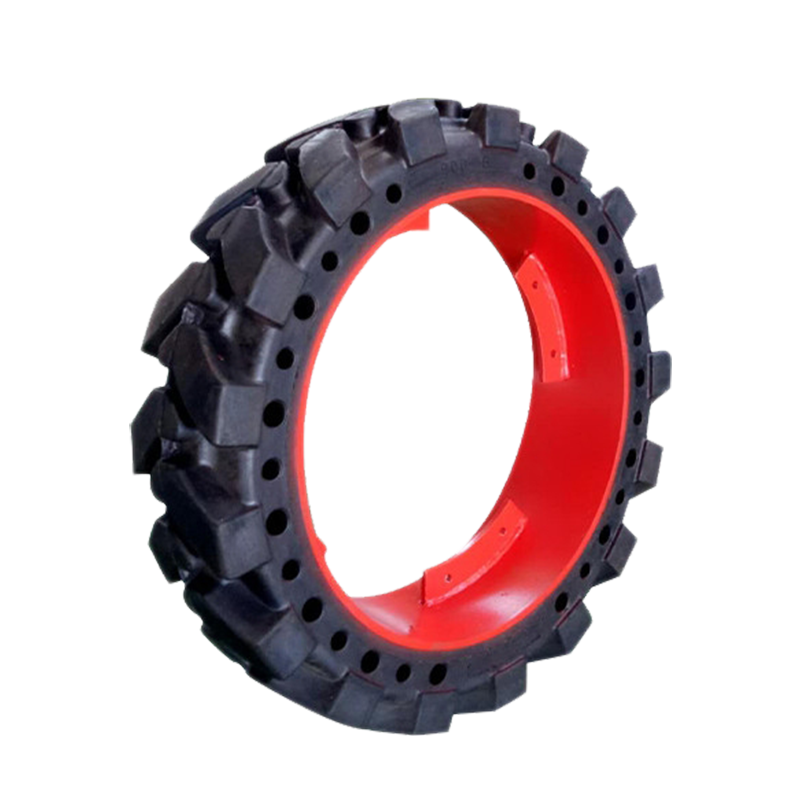
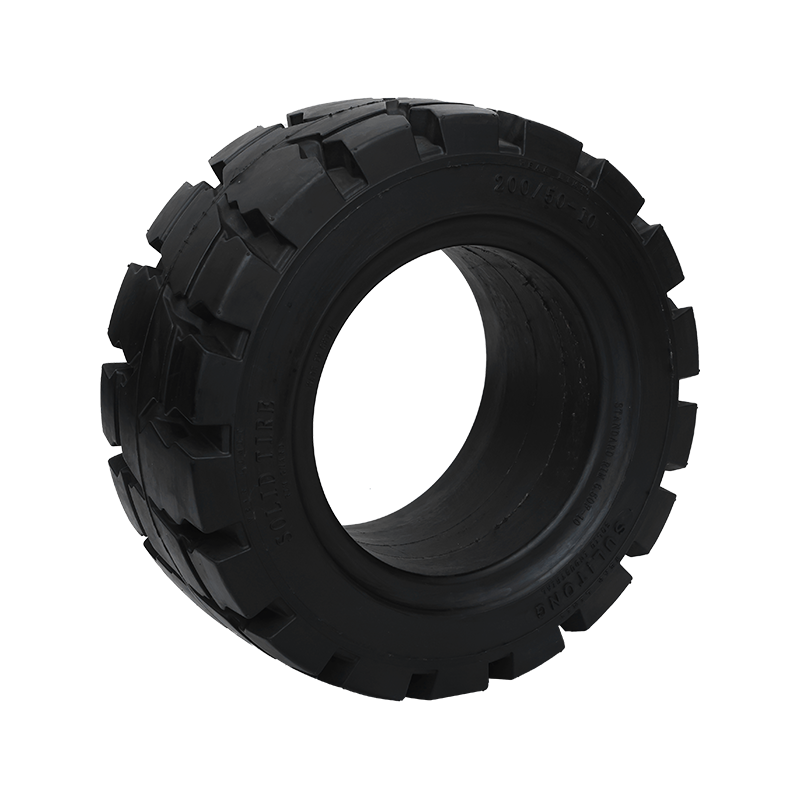
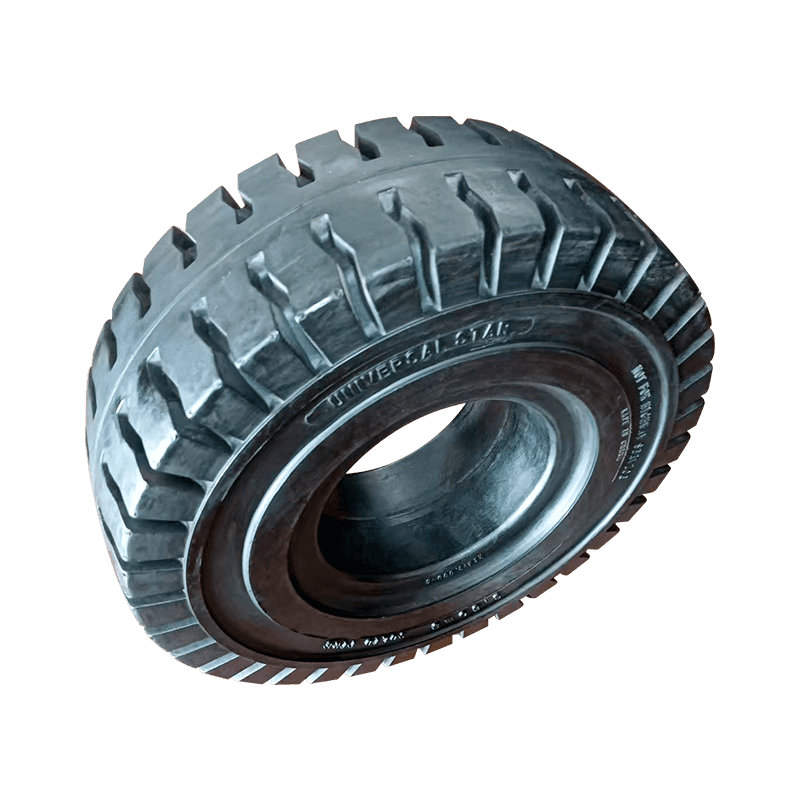
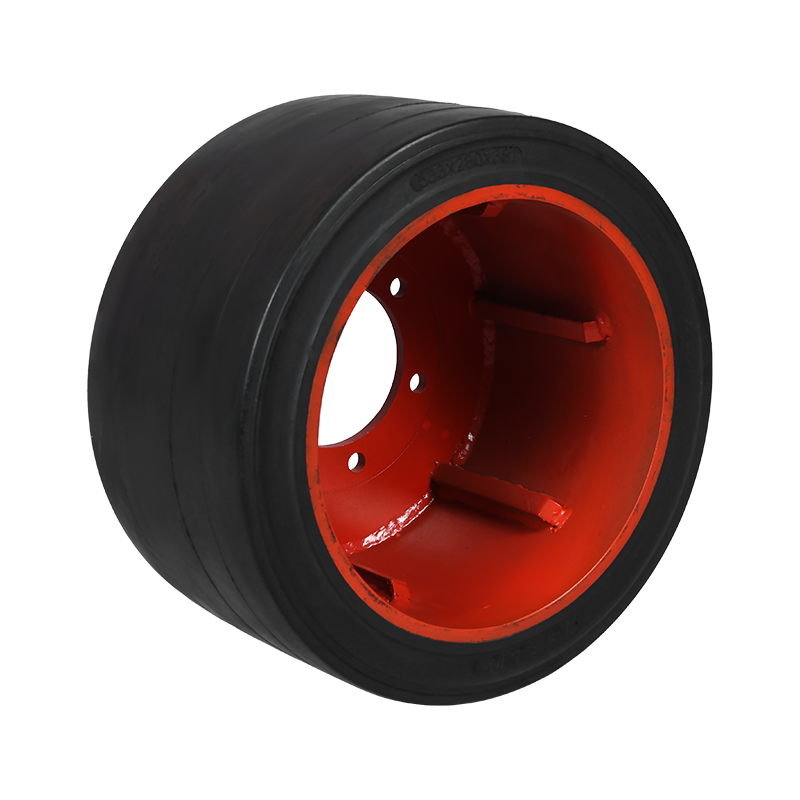
These are the most popular choice for indoor scissor lifts. They're puncture-proof, require zero maintenance in terms of inflation, and many manufacturers now produce them with recycled rubber content. Because they never go flat, they eliminate the waste associated with damaged pneumatic tires that get tossed after a single puncture.
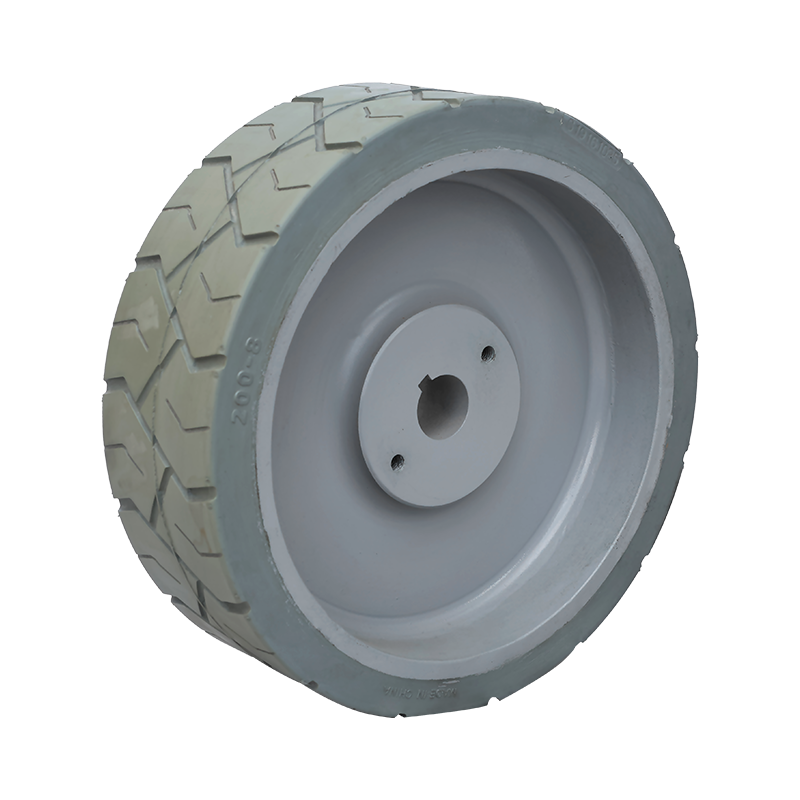
Polyurethane (PU) Tires
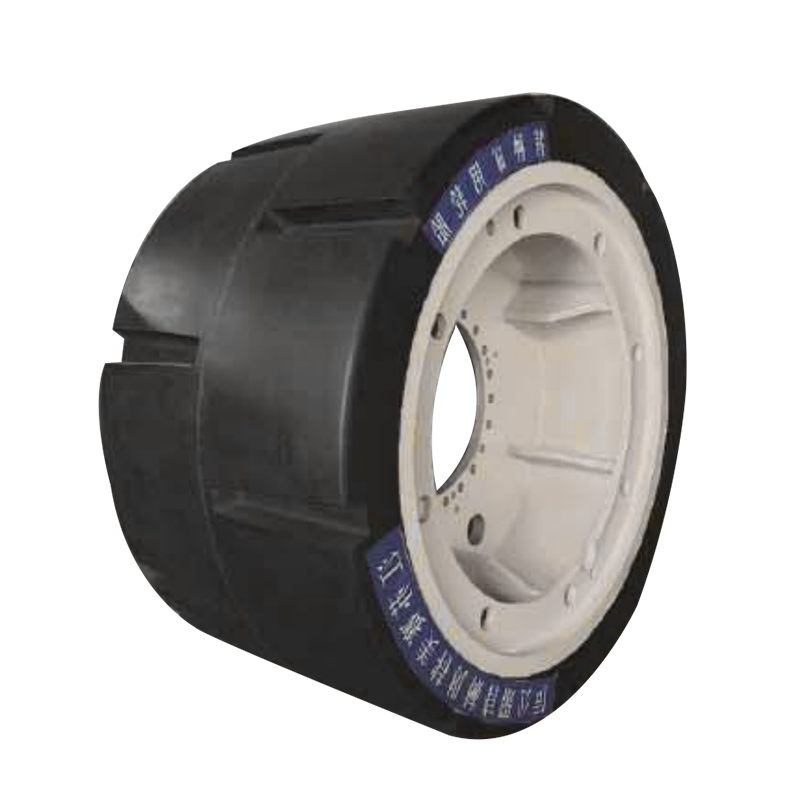
Polyurethane tires are lightweight, resistant to cutting and abrasion, and often last significantly longer than standard rubber. Some PU formulations are made with lower-VOC (volatile organic compound) processes, which reduces air quality impact during manufacturing — a detail that matters if your company is tracking sustainability metrics.
Recycled Rubber Composite Tires
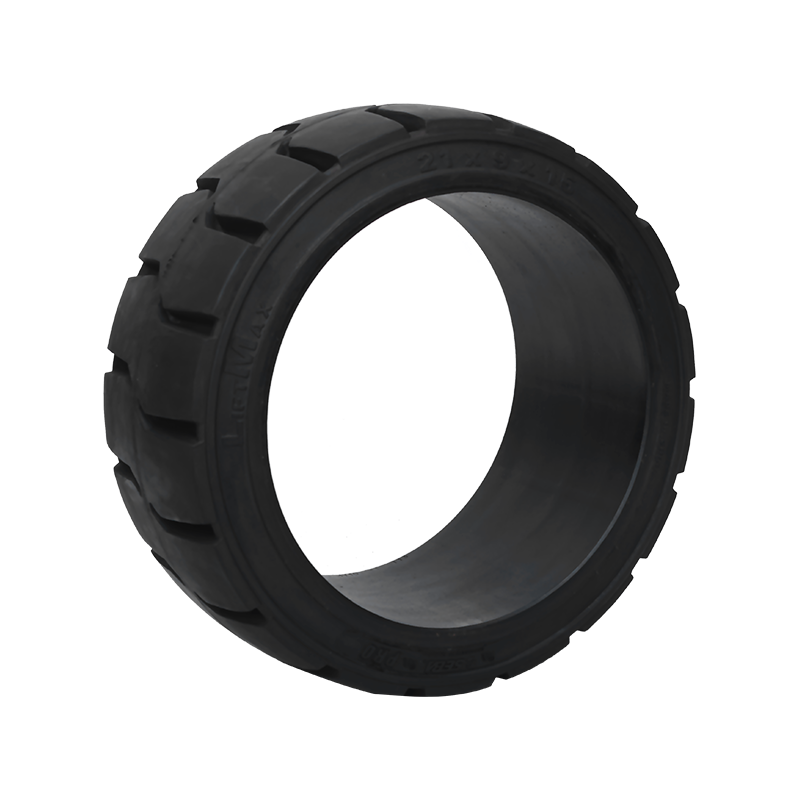
These tires blend reclaimed rubber from old tires with fresh compound, cutting down on landfill waste. They're a solid middle-ground option: more affordable than full PU tires while still offering a smaller environmental footprint than standard virgin-rubber tires.
Comparing the Options at a Glance
Here's a quick side-by-side look to help you figure out which type fits your job site best.
| Tire Type | Best For | Lifespan | Eco Benefit |
| Solid Rubber | Indoor warehouses, retail floors | Long, no punctures | Recycled rubber content, no waste from flats |
| Polyurethane | High-traffic commercial sites | Very long | Low-VOC production, extended service life |
| Recycled Composite | General indoor/outdoor use | Moderate to long | Reduces landfill rubber waste |
What Makes These Tires Genuinely Better for the Environment
It's worth being specific about what "eco-friendly" actually means here, since the term gets tossed around a lot without much substance. For scissor lift tires, the environmental benefits usually come from a few concrete factors:
- Reduced use of virgin rubber through recycled or reclaimed material blends
- Longer service life, which means fewer tires manufactured, shipped, and disposed of over time
- Non-marking compounds that eliminate the need for harsh floor cleaning chemicals
- Lower-emission manufacturing processes used by several leading tire producers
- End-of-life recyclability, with some manufacturers offering take-back or recycling programs
Cost vs. Long-Term Savings
A common hesitation with eco-friendly scissor lift tires is upfront cost — they can run higher per unit than basic pneumatic tires. But when you factor in the full picture, the math tends to favor the greener option. Solid and polyurethane tires don't need air pressure checks, don't go flat mid-job, and typically last two to three times longer than standard rubber tires. Over a few years of regular use, that translates into fewer replacements, less downtime, and lower total cost of ownership, even if the sticker price is higher on day one.
Rental companies in particular have found that switching fleets to eco-friendly tires cuts down on maintenance calls and warranty claims, which adds up across dozens or hundreds of machines.
How to Choose the Right Eco-Friendly Tire for Your Scissor Lift
Picking the right tire isn't just about grabbing whichever option is labeled "green." A few practical factors should guide your decision.
Match the Tire to Your Work Surface
If your lift spends most of its time on finished indoor floors, non-marking solid rubber or polyurethane is the way to go. For mixed indoor-outdoor use on gravel or uneven ground, a slightly more rugged recycled composite tire with better traction may hold up longer.
Check the Load Rating
Eco-friendly doesn't mean one-size-fits-all. Make sure the tire's load rating matches your scissor lift's platform capacity, especially if you're regularly carrying heavy materials or multiple workers.
Ask About Manufacturer Sustainability Practices
Not every supplier is transparent about what "eco-friendly" means for their product. Ask directly about recycled material percentages, manufacturing emissions, and whether the tire is recyclable at the end of its life. A reputable supplier should have clear answers.
Maintenance Tips to Extend Tire Life
Even the most durable eco-friendly tire benefits from a little upkeep. Keeping tires in good shape means less frequent replacement, which only adds to the sustainability payoff.
- Inspect tires regularly for cracking, chunking, or uneven wear patterns
- Keep the scissor lift on appropriate surfaces to avoid unnecessary tire stress
- Avoid sharp turns at full load, which accelerates wear on solid tires
- Clean debris from tire treads to prevent buildup that can affect traction
- Rotate or replace tires in sets rather than one at a time, when possible, for balanced wear
Final Thoughts on Making the Switch
Switching to eco-friendly tires for scissor lifts isn't just a feel-good decision — it's a practical one. You get fewer flats, cleaner floors, longer-lasting equipment, and a smaller environmental footprint, all from one component that's easy to overlook. Whether you're managing a single lift or an entire rental fleet, taking a closer look at tire options is a simple, low-effort way to cut costs and reduce waste at the same time.
CONTACT US
-

Email: SMT001@saimeite-tyre.com
-

Phone: +86-18451337018No. 1, Renmin South Road, Yandu District, Yancheng City, Jiangsu Province, China