
 English
 한국어
한국어 Français
 Español

Puncture-resistant Foam Filled Tires: What They Are and Why They Might Save You Money
Content
- 1 What Are Puncture-resistant Foam Filled Tires
- 2 How Foam Filled Tires Actually Work
- 3 Where Puncture-resistant Foam Filled Tires Make the Most Sense
- 4 Foam Filled vs Air-Filled vs Solid Tires
- 5 Cost Considerations for Foam Filling Your Tires
- 6 Maintenance and Lifespan of Foam Filled Tires
- 7 Downsides to Keep in Mind
- 8 Is Switching to Foam Filled Tires Worth It
What Are Puncture-resistant Foam Filled Tires
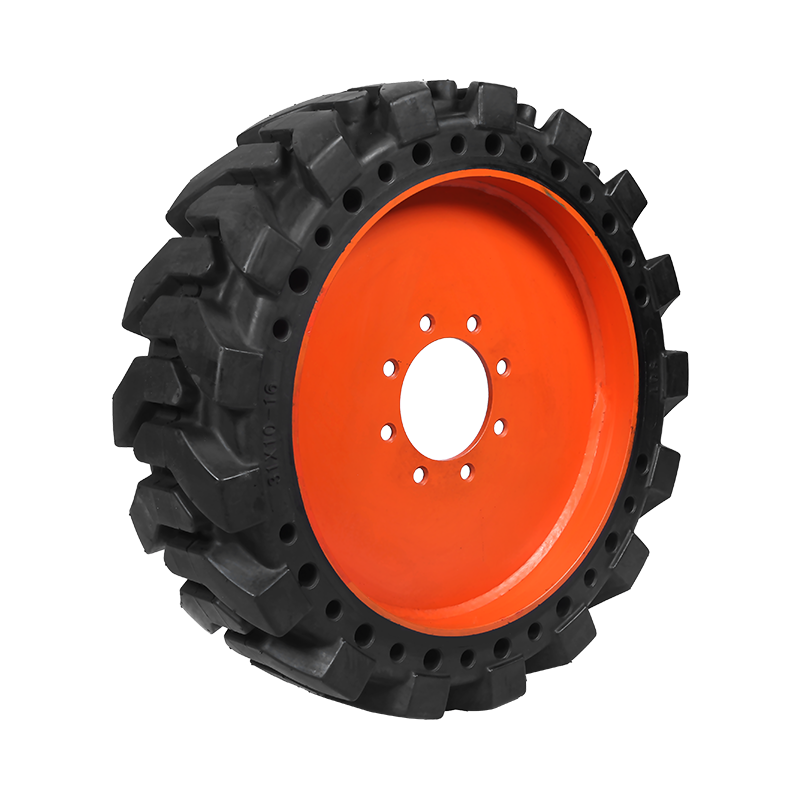
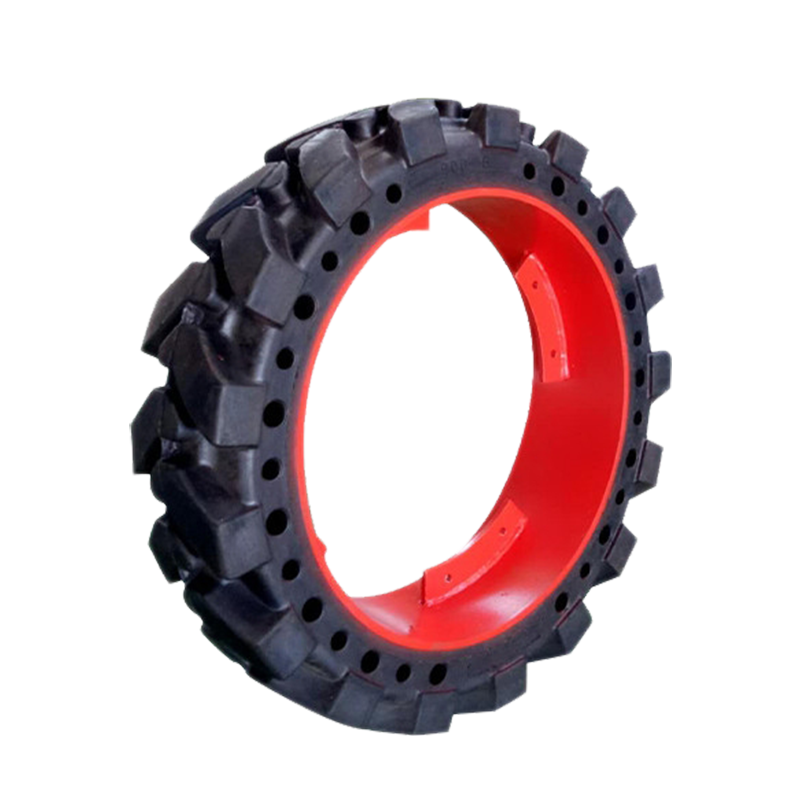
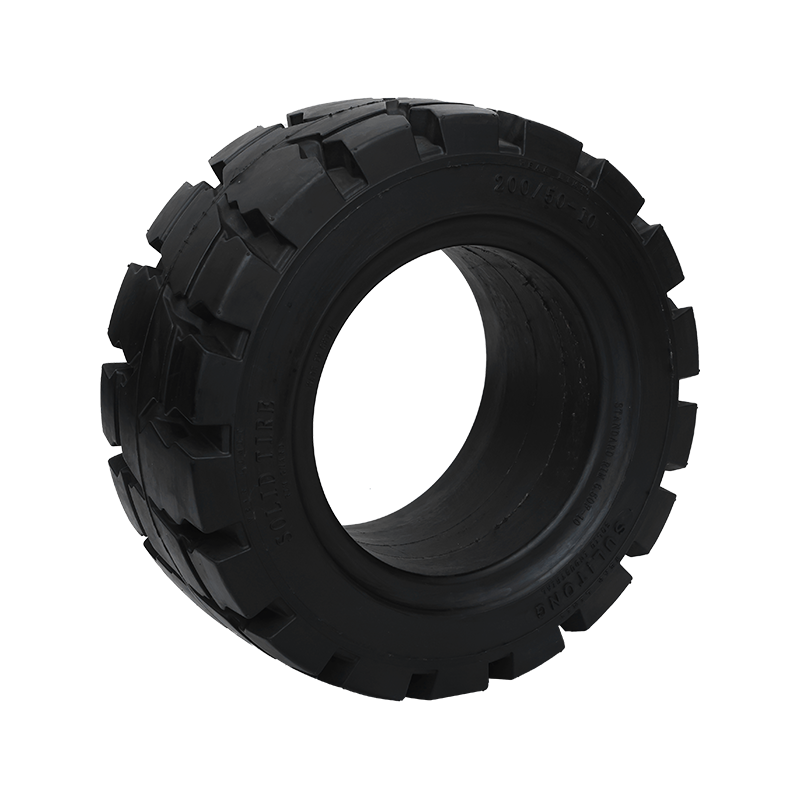
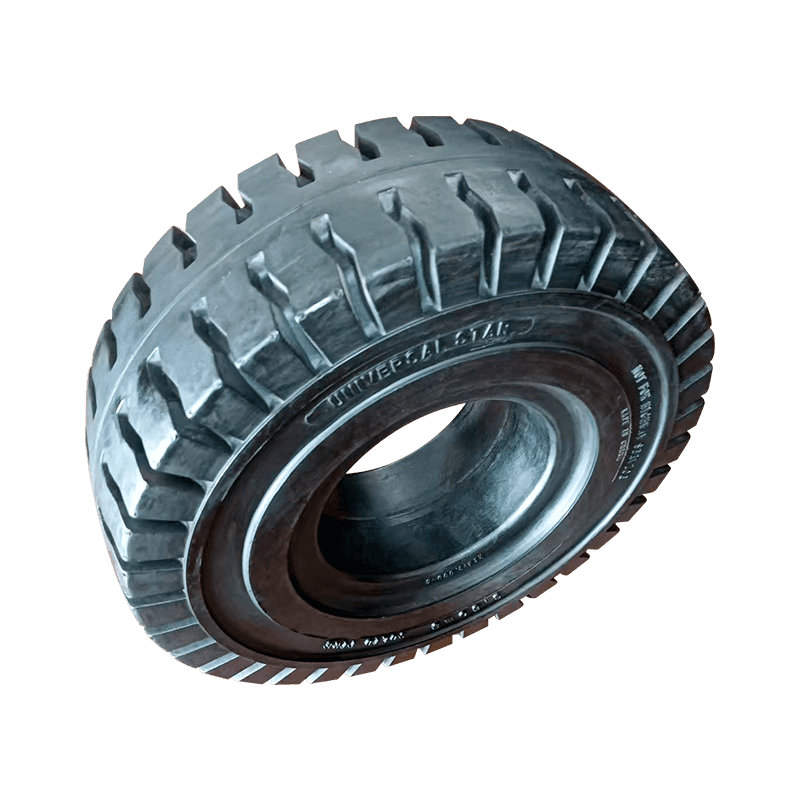
Puncture-resistant foam filled tires are standard pneumatic tires that have had their air cavity injected with a specialized polyurethane foam instead of compressed air. Once the foam cures, it takes on a firmness similar to rubber, permanently filling the tire from bead to bead. Because there's no air chamber left to lose pressure, these tires simply cannot go flat from a nail, sharp rock, or piece of scrap metal. This makes them a popular choice for anyone who has grown tired of dealing with unexpected downtime caused by punctures.
The process of converting a regular tire into a foam filled one typically happens at a specialized shop. A technician drills a small injection port into the tire, pumps in a two-part liquid polyurethane compound, and lets it expand and cure inside the casing over several hours. The result looks and mounts exactly like a normal tire, but behaves completely differently once it hits the jobsite.
How Foam Filled Tires Actually Work
The science behind foam filled tires is fairly straightforward. Liquid polyurethane foam is mixed on-site and injected under controlled pressure into the tire cavity. As the chemical reaction takes place, the foam expands to fill every pocket of space, then hardens into a dense, closed-cell material. This cured foam mimics the cushioning of air pressure while eliminating the vulnerability that comes with it.
Key Properties of Cured Foam Fill
- Maintains consistent firmness regardless of temperature swings
- Can be formulated softer or firmer depending on the load and application
- Distributes weight evenly across the tire footprint, similar to properly inflated air tires
- Resistant to chemical exposure from oils, fuels, and jobsite debris
Where Puncture-resistant Foam Filled Tires Make the Most Sense
Not every vehicle needs foam filled tires, but for certain industries they are practically a necessity. Any operation where sharp debris, nails, wire, or rocky terrain is a daily hazard benefits enormously from switching to foam fill. The upfront investment pays for itself quickly once you factor in lost productivity from flat tire repairs.
Common Industries That Rely on Foam Filled Tires
| Industry | Typical Equipment | Main Benefit |
| Waste and Recycling | Skid steers, loaders | Avoids punctures from scrap metal and glass |
| Construction | Forklifts, telehandlers | Handles nails and rebar-covered sites |
| Agriculture | Tractors, utility vehicles | Withstands thorns, stubble, and rough fields |
| Mining and Quarrying | Haul trucks, wheel loaders | Resists sharp rock and jagged terrain |
| Landscaping | Mowers, utility carts | Prevents downtime from stray sticks and stones |
Foam Filled vs Air-Filled vs Solid Tires
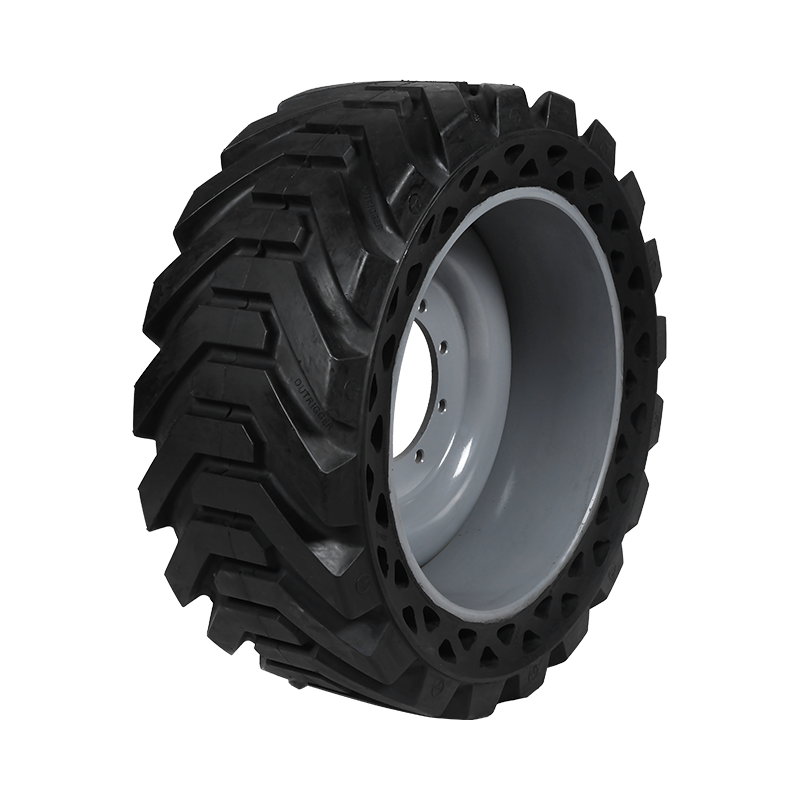
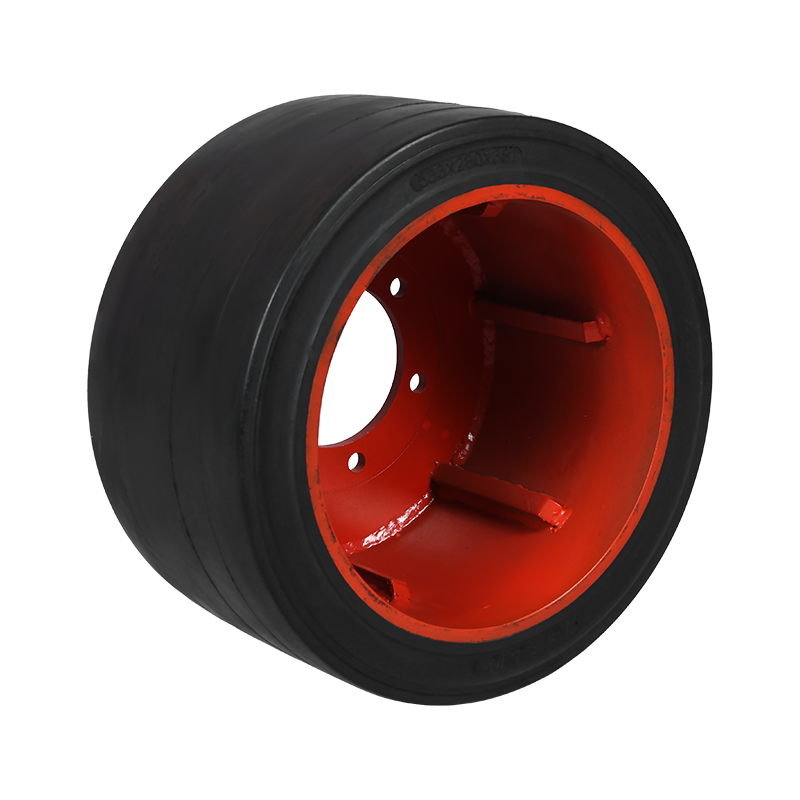
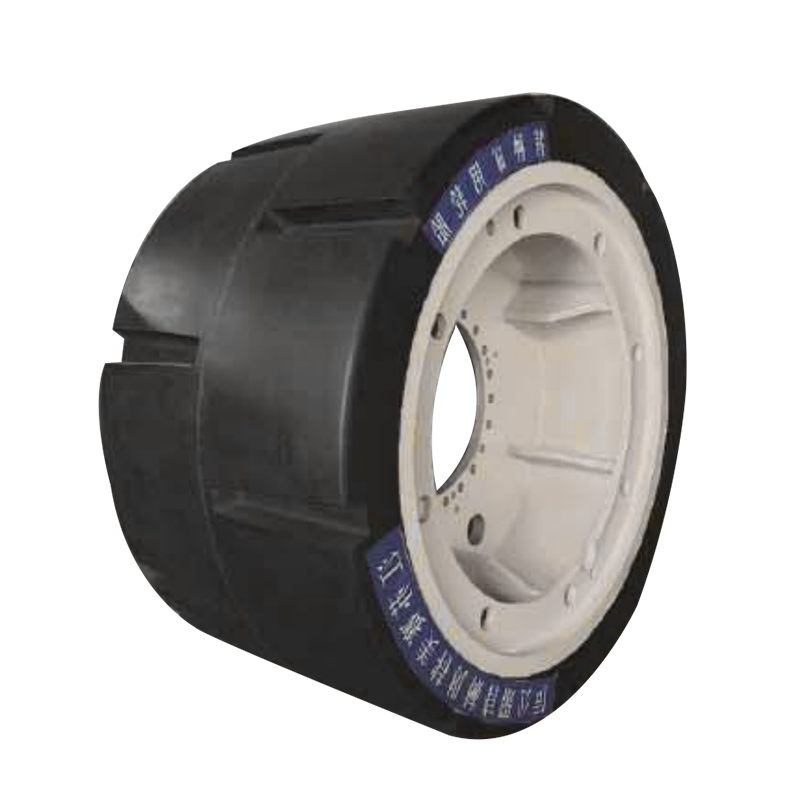
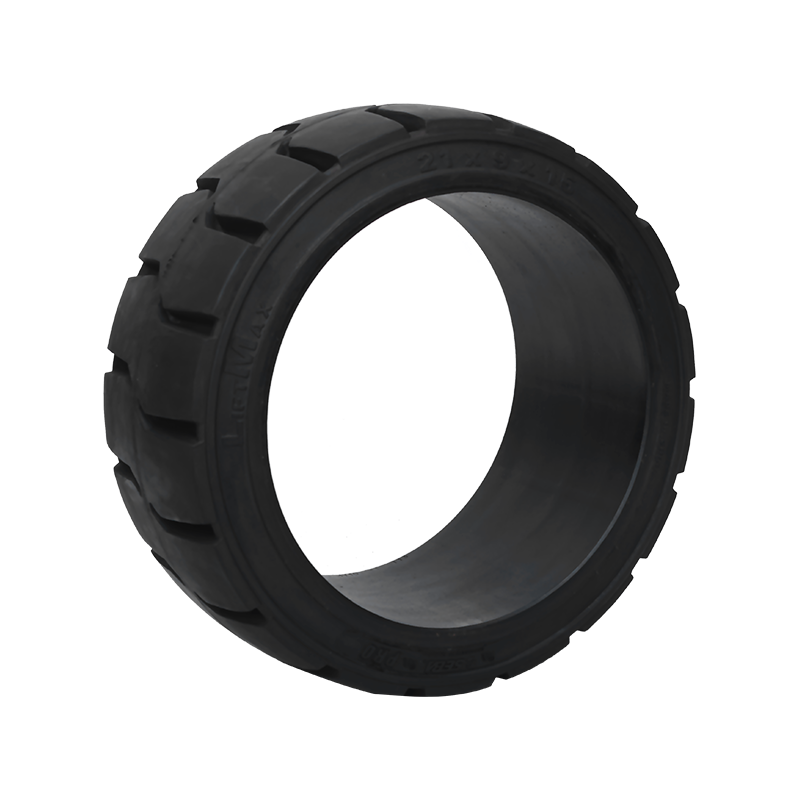
It helps to understand how foam filled tires stack up against the two other common options. Air-filled tires offer the smoothest ride but are the most vulnerable to punctures. Solid rubber tires are completely flat-proof but tend to be heavier, harsher riding, and put more stress on wheel components. Foam filled tires sit in the middle, offering a ride quality close to air tires with the puncture resistance of solid rubber.
- Air-filled tires: best ride comfort, lowest cost, highest puncture risk
- Solid rubber tires: zero puncture risk, heaviest, roughest ride, higher stress on axles
- Foam filled tires: near-zero puncture risk, moderate ride quality, moderate weight increase
Cost Considerations for Foam Filling Your Tires
The cost of foam filling varies depending on tire size, the type of foam used, and local labor rates. Smaller tires used on skid steers or lawn equipment tend to be the most affordable to fill, while large loader or haul truck tires cost significantly more due to the volume of foam required. Most shops charge per tire rather than per vehicle, so it's worth getting a full quote before committing.
Factors That Influence Price
- Tire diameter and internal volume
- Type of foam compound selected (standard, dual-durometer, or premium)
- Condition of the existing tire casing before injection
- Whether new tires are being filled versus retrofitting used ones
While the upfront cost is higher than a standard tire purchase, many fleet managers find that the money saved on service calls, roadside assistance, and lost productivity more than makes up the difference within the first year of use.
Maintenance and Lifespan of Foam Filled Tires
One of the biggest advantages of foam filled tires is how little maintenance they require compared to air-filled alternatives. There's no need to check air pressure, no risk of slow leaks, and no scheduled inflation checks. That said, foam filled tires aren't entirely maintenance-free. The rubber tread and sidewalls still wear down through normal use, and the tire should be inspected periodically for cracking, separation, or uneven wear patterns.
Simple Upkeep Tips
- Rotate tires on schedule to promote even tread wear
- Inspect sidewalls regularly for signs of cracking or bulging
- Avoid excessive heat buildup by not overloading equipment beyond rated capacity
- Replace the tire once tread depth reaches unsafe levels, since foam fill cannot be transferred to a new casing
Downsides to Keep in Mind
Foam filled tires aren't perfect for every situation, and it's worth understanding the tradeoffs before making the switch. The added weight from the foam can reduce fuel efficiency slightly and put more strain on wheel bearings and axles over time. The ride quality, while better than solid tires, is still noticeably firmer than a properly inflated air tire, which can be a factor for operators spending long hours on equipment. Additionally, once a tire is foam filled, the process cannot easily be reversed, so it's a fairly permanent commitment.
Is Switching to Foam Filled Tires Worth It
For businesses operating in harsh environments where downtime is costly, puncture-resistant foam filled tires are often a smart long-term investment. The combination of reduced maintenance, virtually eliminated flat tire risk, and dependable performance makes them especially valuable for fleets that can't afford unplanned stoppages. Weighing the higher upfront cost against the savings in labor, towing, and lost work hours will usually make the decision clear for operations working in debris-heavy or high-risk terrain.
CONTACT US
-

Email: SMT001@saimeite-tyre.com
-

Phone: +86-18451337018No. 1, Renmin South Road, Yandu District, Yancheng City, Jiangsu Province, China