
 English
 한국어
한국어 Français
 Español

Aerial Work Platform Boom Lift Tires: How to Pick the Right Tires and Make Them Last
Content
Why Boom Lift Tires Matter More Than People Think
When people think about aerial work platforms, they usually focus on boom length, platform capacity, or hydraulic performance. Tires rarely get the same attention, yet they are the only part of the machine actually touching the ground. Aerial Work Platform Boom Lift Tires carry the full weight of the machine, the operator, tools, and materials, all while the boom is extended and the center of gravity shifts constantly. A worn or damaged tire on a boom lift is not just a minor maintenance issue — it can lead to instability, tipping risks, or sudden downtime in the middle of a job. Understanding the different tire options and how to maintain them helps keep both the equipment and the people working on it safer.
Types of Aerial Work Platform Boom Lift Tires
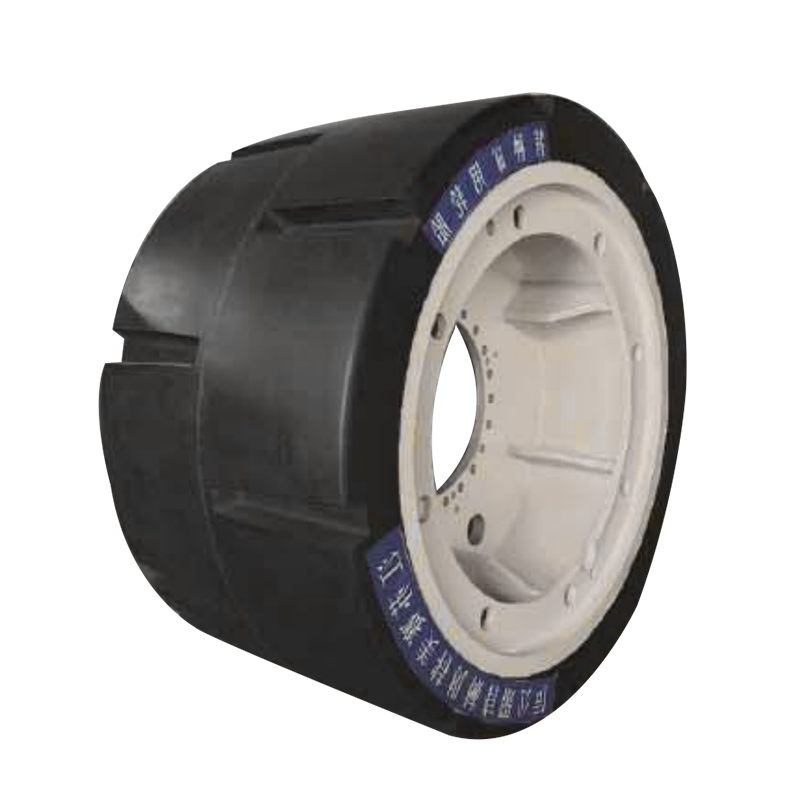
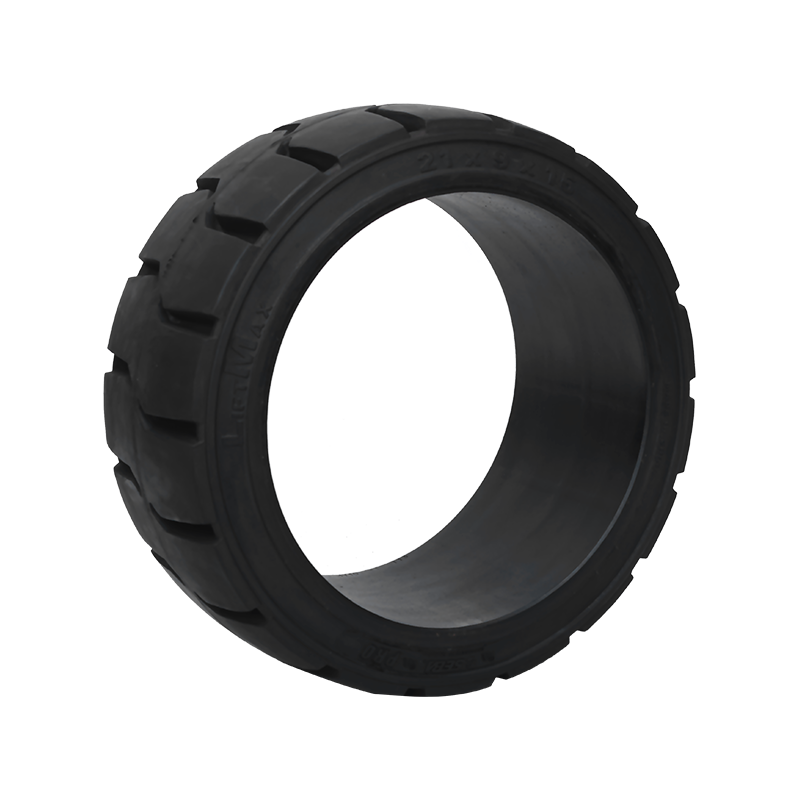
Not all boom lift tires are built the same way. The right choice depends heavily on the surface you're working on, whether it's an indoor warehouse floor, a rocky construction site, or uneven outdoor terrain. Below are the three main types used across most aerial work platforms today.
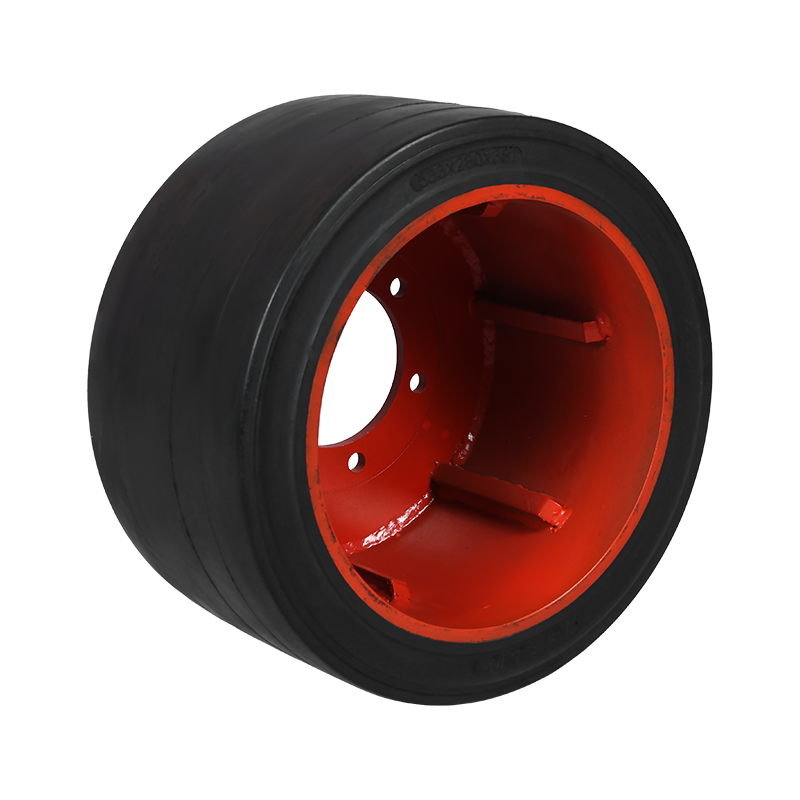
Solid Rubber Tires
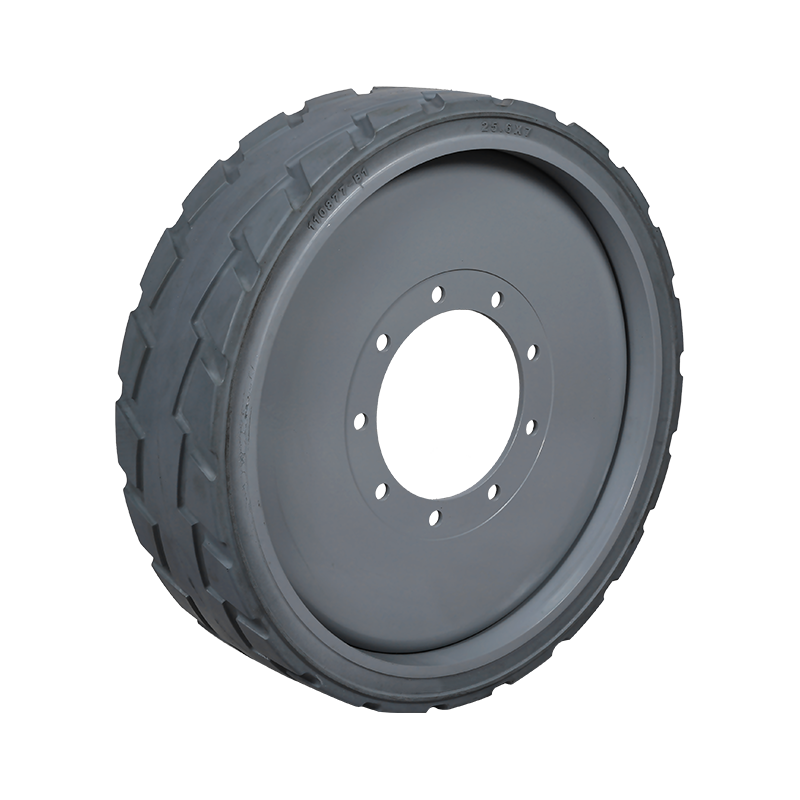
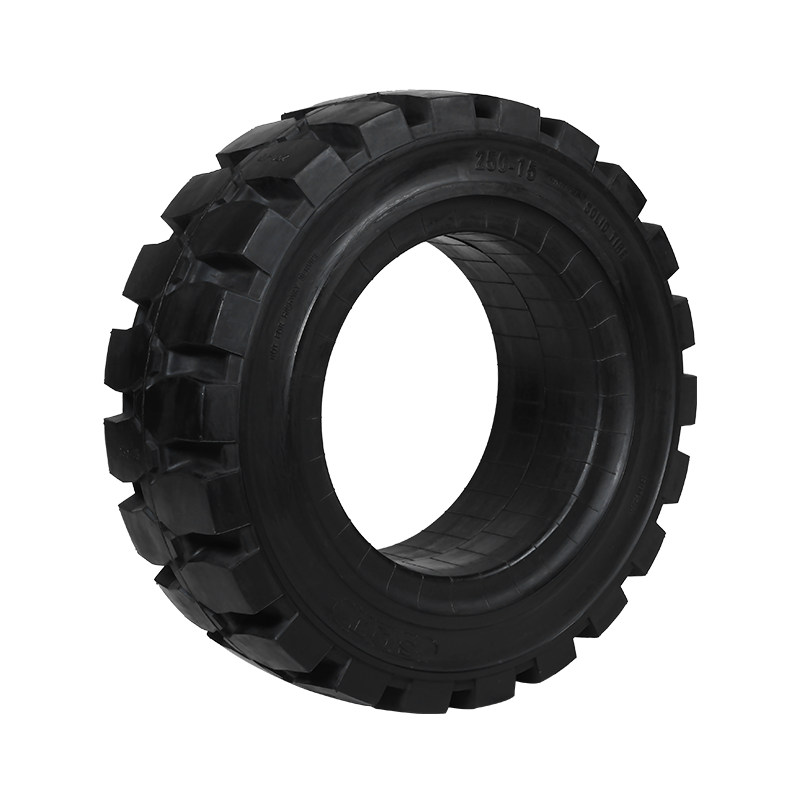
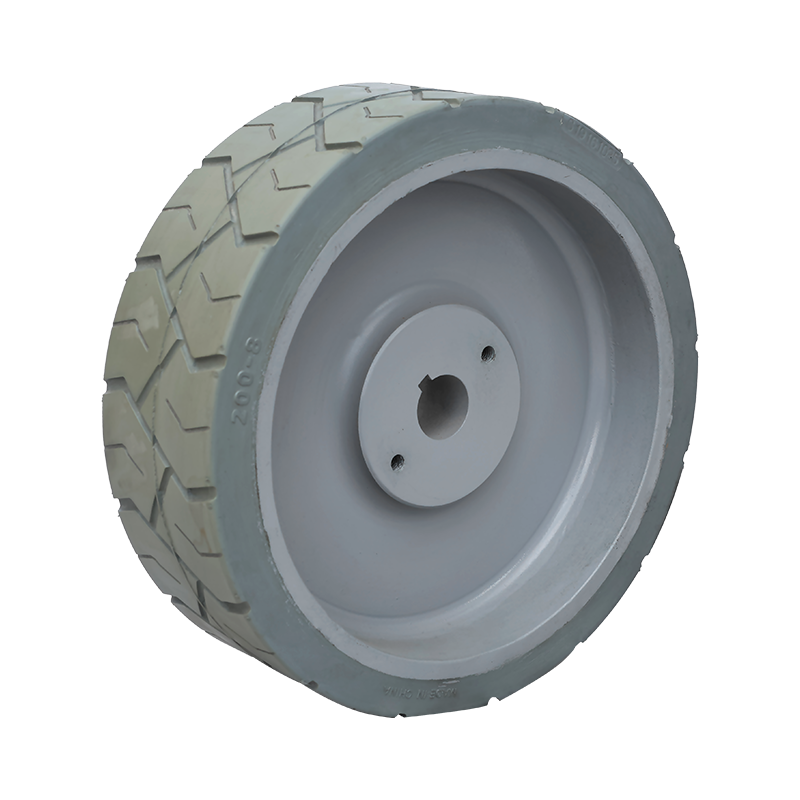
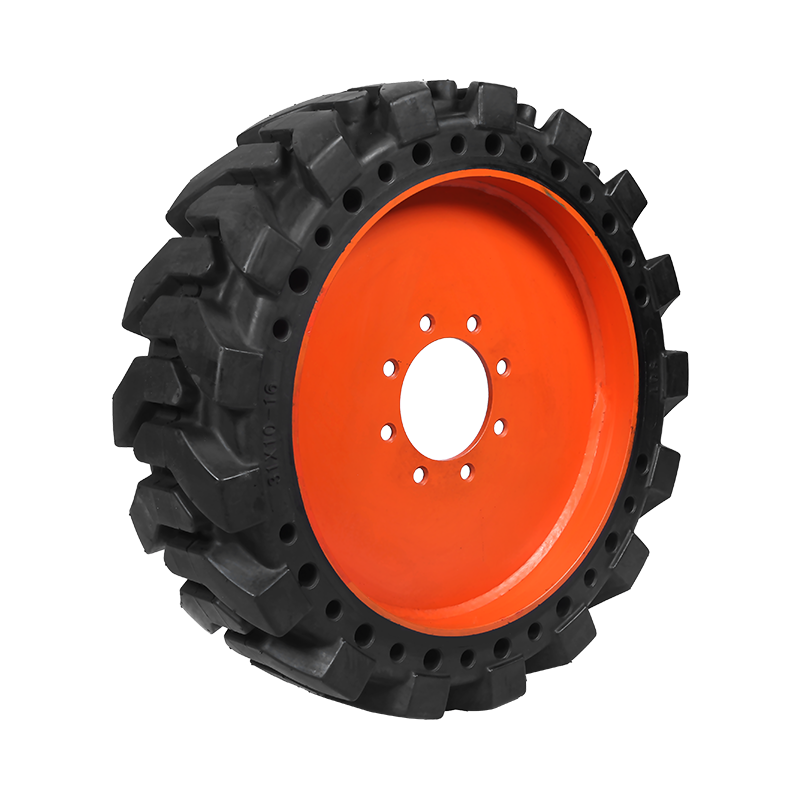
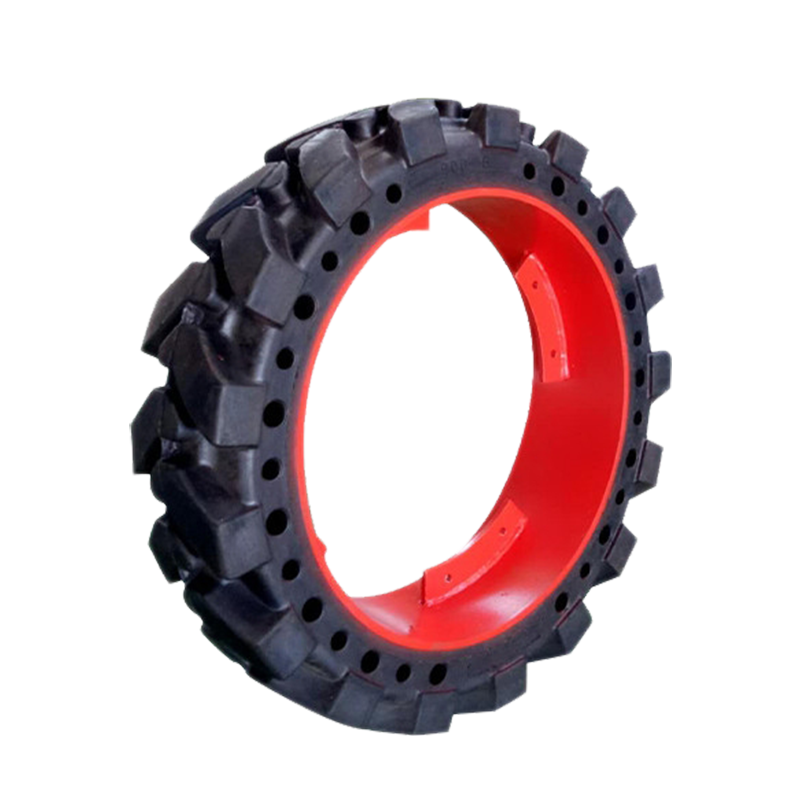
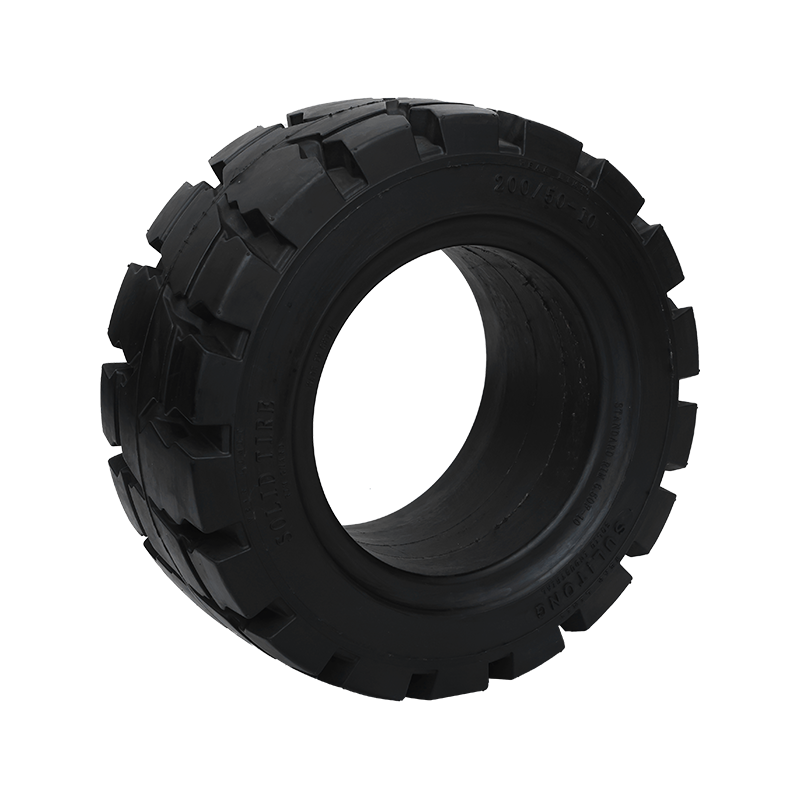
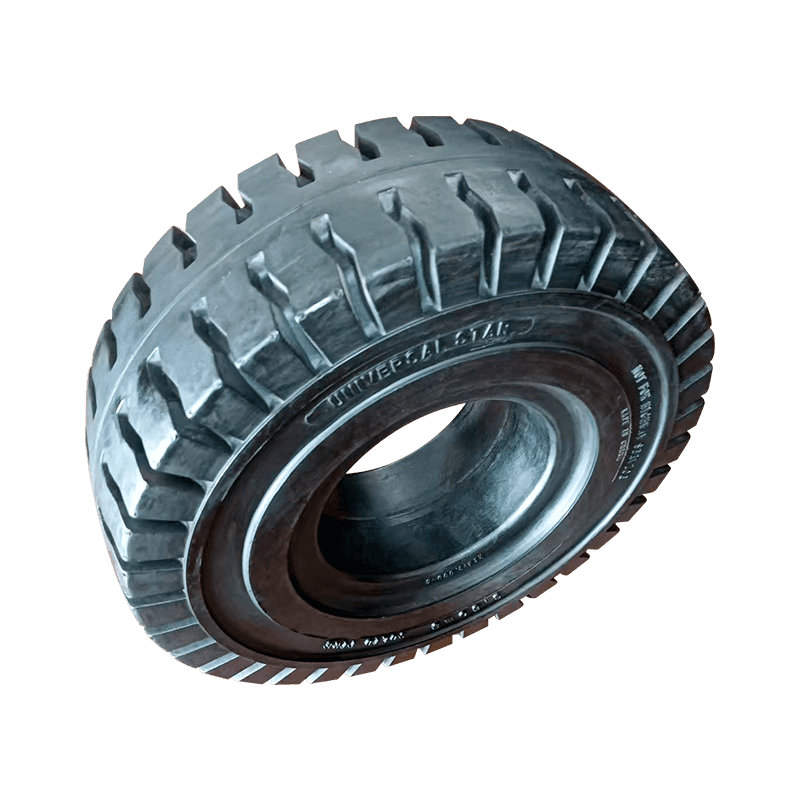
Solid rubber tires are the most common choice for boom lifts used on rough or debris-filled job sites. Since they have no air chamber, they cannot go flat, which makes them extremely reliable for demolition sites, construction zones, or areas with scrap metal and sharp debris scattered around. The tradeoff is a slightly harsher ride, since there is no air cushioning to absorb bumps.
Foam-Filled Tires
Foam-filled tires offer a middle ground between solid and pneumatic tires. They start as pneumatic tires but are injected with polyurethane foam instead of air, giving them puncture resistance similar to solid tires while still providing a smoother ride. These are popular for operators who want reliability without sacrificing too much comfort, especially on semi-rough terrain.
Pneumatic (Air-Filled) Tires
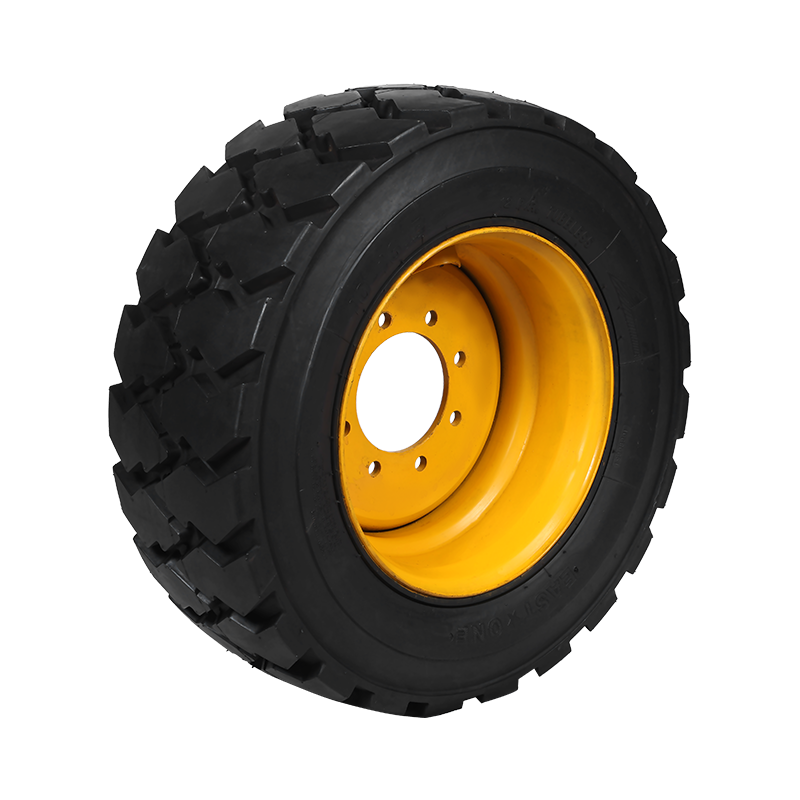
Pneumatic tires are filled with air, similar to a standard vehicle tire. They provide the best shock absorption and are ideal for soft or uneven outdoor ground, such as dirt, gravel, or grass. However, they are vulnerable to punctures from nails, glass, or sharp rocks, which makes them less ideal for demolition or scrap-heavy environments.
How to Choose the Right Tires for Your Boom Lift
Choosing the correct Aerial Work Platform Boom Lift Tires comes down to matching the tire type to the job site conditions, the machine's weight rating, and how often the lift will be moved across different surfaces. The table below compares the three tire types side by side to make the decision easier.
| Tire Type | Best For | Puncture Resistance | Ride Comfort |
| Solid Rubber | Demolition, debris-heavy sites | Excellent | Moderate |
| Foam-Filled | Mixed indoor/outdoor use | Good | Good |
| Pneumatic | Soft or uneven outdoor terrain | Fair | Excellent |
If your crew regularly moves the boom lift between a paved yard and a rough construction site, foam-filled tires often provide the best balance. If punctures are a constant concern, solid tires remove that risk entirely.
Signs Your Boom Lift Tires Need Replacement
Ignoring worn tires on an aerial work platform is a common and costly mistake. Regular visual inspections before every shift can catch problems early. Watch for the following warning signs:
- Visible cracks or splitting along the tire's sidewall or tread
- Uneven wear patterns, which can signal alignment or load distribution issues
- Chunks of rubber missing from solid or foam-filled tires
- Persistent air loss in pneumatic tires, even after topping off pressure
- Excessive vibration or a noticeably rougher ride during operation
Maintenance Tips to Extend Tire Life
Good maintenance habits can significantly extend the lifespan of Aerial Work Platform Boom Lift Tires and reduce unexpected downtime. Consider building these practices into your regular equipment checklist:
- Check pneumatic tire pressure weekly, since underinflation causes uneven wear and reduces stability
- Clean debris, nails, and sharp materials from tire treads after each use
- Avoid sharp turns at full load, which places extra stress on tire sidewalls
- Store the machine on level, dry ground to prevent flat-spotting over time
- Rotate or replace tires in pairs when possible to maintain even weight distribution
Common Mistakes to Avoid When Replacing Boom Lift Tires
One of the biggest mistakes operators make is choosing tires based on price alone rather than job site conditions. A cheaper pneumatic tire may seem like a good deal, but repeated punctures on a debris-heavy site will cost far more in downtime and replacements over time. Another common error is mixing tire types on the same axle, which can cause uneven handling and premature wear. Always consult the manufacturer's specifications before switching tire types, since load capacity and diameter must match the original equipment to keep the lift stable and safe to operate.
Ultimately, treating tires as a core safety component rather than an afterthought pays off in both performance and cost savings. Taking the time to choose the right tire type, inspect regularly, and follow good maintenance habits keeps aerial work platforms running smoothly and safely on every job site.
CONTACT US
-

Email: SMT001@saimeite-tyre.com
-

Phone: +86-18451337018No. 1, Renmin South Road, Yandu District, Yancheng City, Jiangsu Province, China