
 English
 한국어
한국어 Français
 Español

Aerial Work Solid Tires: Why They Matter and How to Choose the Right Set
Content
- 1 Why Solid Tires Have Become Standard on Aerial Work Platforms
- 2 How Solid Tires Are Constructed for Aerial Equipment
- 3 Solid Tires vs Foam-Filled and Pneumatic Options
- 4 Signs Your Aerial Equipment Tires Need Replacing
- 5 Choosing the Right Solid Tires for Your Equipment
- 6 Installation and Care Tips for Longer Tire Life
Why Solid Tires Have Become Standard on Aerial Work Platforms
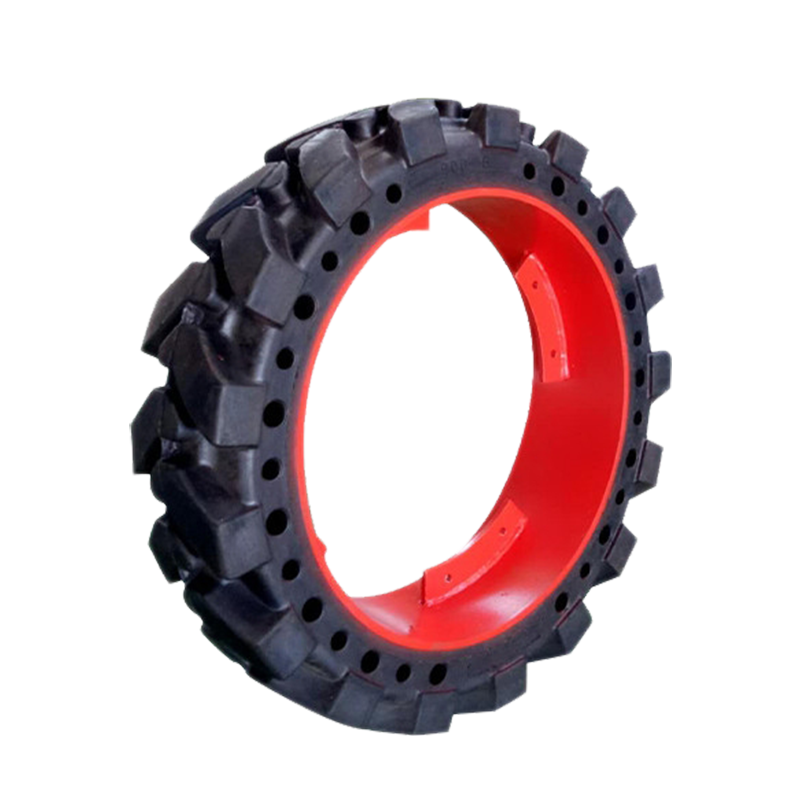
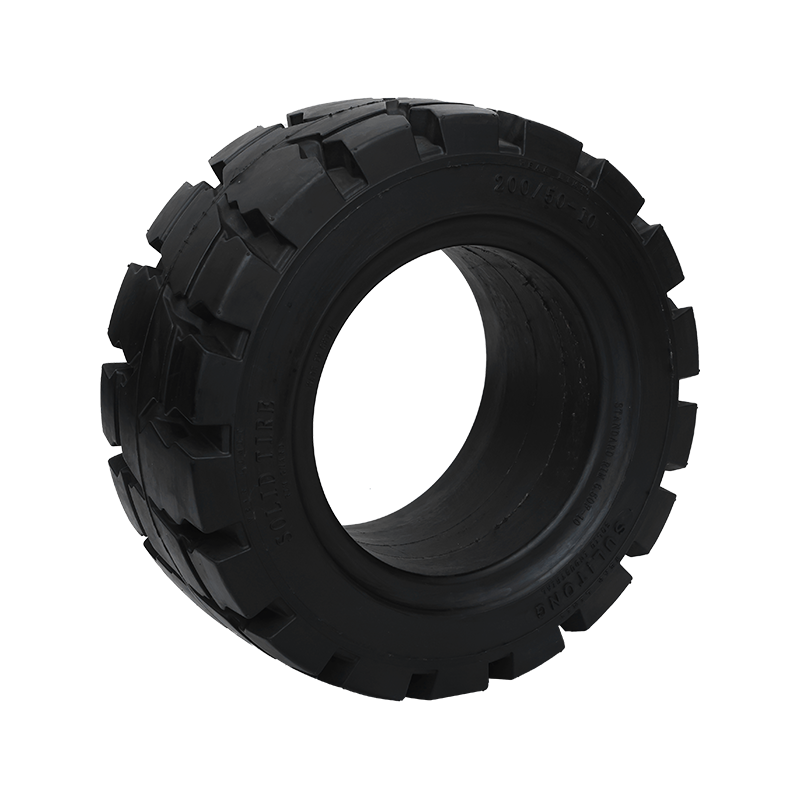
Aerial work solid tires are the go-to tire choice for scissor lifts, boom lifts, and other aerial platforms because job sites are full of exactly the kind of hazards that cause pneumatic tires to fail at the worst possible moment. Nails, sharp debris, uneven concrete, and scrap metal scattered across a construction site can puncture an air-filled tire in seconds, and a flat tire underneath a lift carrying a worker forty feet in the air is a serious safety concern, not just an inconvenience. Solid tires eliminate this risk entirely since there's no air chamber to puncture, making them the practical choice for equipment that needs to stay stable and reliable no matter what's on the ground beneath it.
Beyond puncture resistance, solid tires also hold their shape consistently under the weight of the platform and any workers or materials on board, which matters a lot for aerial equipment where stability directly affects safety. A pneumatic tire that's slightly underinflated can throw off a lift's leveling system, while a properly manufactured solid tire maintains consistent dimensions and support regardless of temperature or load changes throughout the day.
How Solid Tires Are Constructed for Aerial Equipment
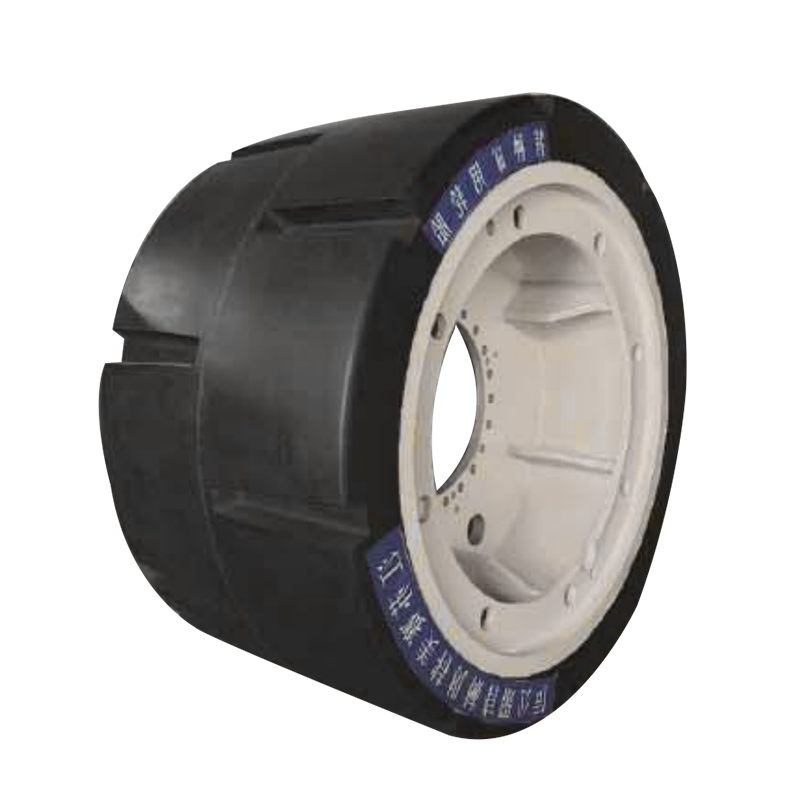
Solid tires for aerial work platforms aren't just a single block of rubber; they're engineered with specific layers and compounds designed to absorb shock, resist wear, and protect the equipment they're mounted on.
Rubber Compound Selection
Manufacturers use rubber compounds engineered to balance wear resistance with enough flexibility to absorb shock from uneven surfaces. A compound that's too hard transmits more vibration to the platform and operator, while one that's too soft wears down faster under heavy, repeated use.
Internal Cushioning Layer
Many aerial solid tires include an internal cushion layer, often a softer rubber core or specialized polyurethane insert, positioned between the outer tread and the wheel rim. This layer absorbs impact from bumps and rough terrain, reducing strain on both the tire and the lift's suspension components over time.
Tread Pattern Design
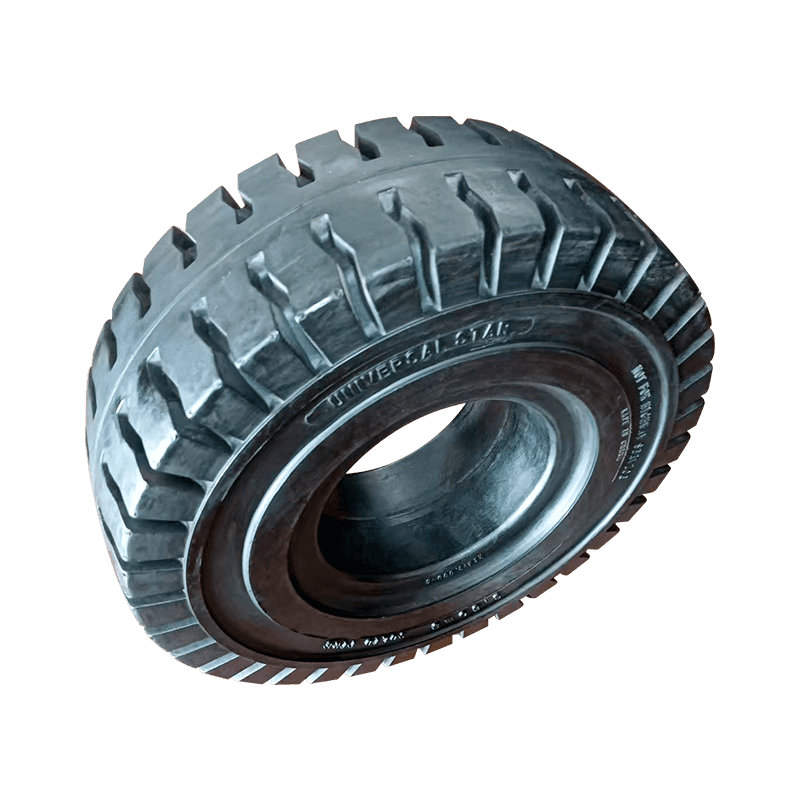
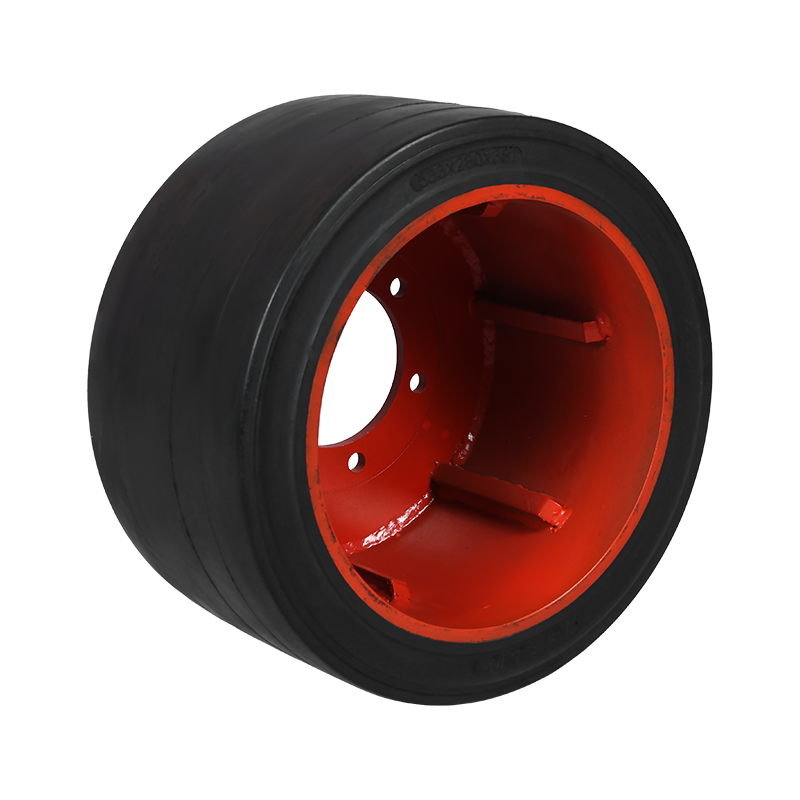
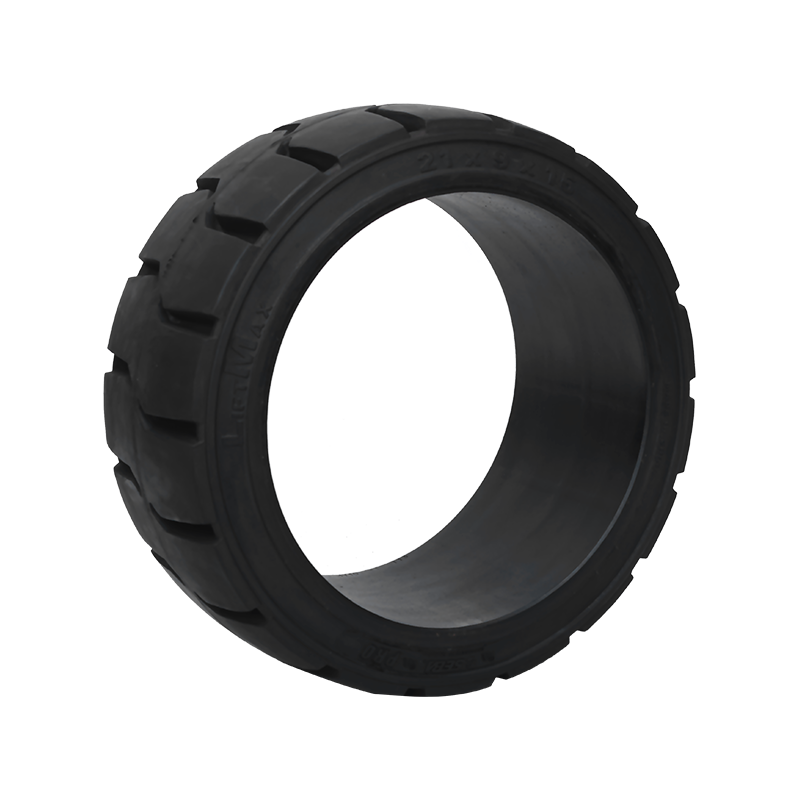
Tread patterns on aerial equipment tires are generally shallower and more uniform than those on off-road vehicle tires, since the priority is stable, even ground contact rather than aggressive traction. Some patterns are designed specifically for indoor use on smooth flooring, while others include slightly deeper grooves for outdoor sites with loose gravel or dirt.
Solid Tires vs Foam-Filled and Pneumatic Options
Understanding how solid tires compare to other tire types used on aerial platforms helps clarify why so many rental fleets and job sites have shifted toward solid options as the default choice.
| Tire Type | Puncture Risk | Ride Comfort | Maintenance Needs |
| Solid Rubber Tire | None | Firm, some vibration | Very low |
| Foam-Filled Tire | Low | Moderate cushioning | Low |
| Pneumatic (Air-Filled) Tire | High | Softest ride | Requires regular pressure checks |
Signs Your Aerial Equipment Tires Need Replacing
Even though solid tires don't go flat, they still wear down over time and eventually need replacement. Knowing what to look for keeps equipment operating safely and prevents unexpected downtime.
- Visible cracking or chunking along the tread surface, which indicates the rubber compound is breaking down from age or heavy use.
- Uneven wear across the tire width, often pointing to alignment issues or an imbalanced load distribution on the platform.
- Noticeable increase in vibration or a rougher ride than usual, suggesting the internal cushioning layer has started to degrade.
- Tread depth worn down close to the wear indicator line, if the tire model includes one, signaling reduced grip on smooth or wet surfaces.
- Visible separation between the tire and the wheel rim, which can affect stability and needs immediate attention before continued use.
Regular visual inspections before each shift make it easy to catch these issues early, especially for rental fleets where equipment cycles through many different operators and job site conditions.
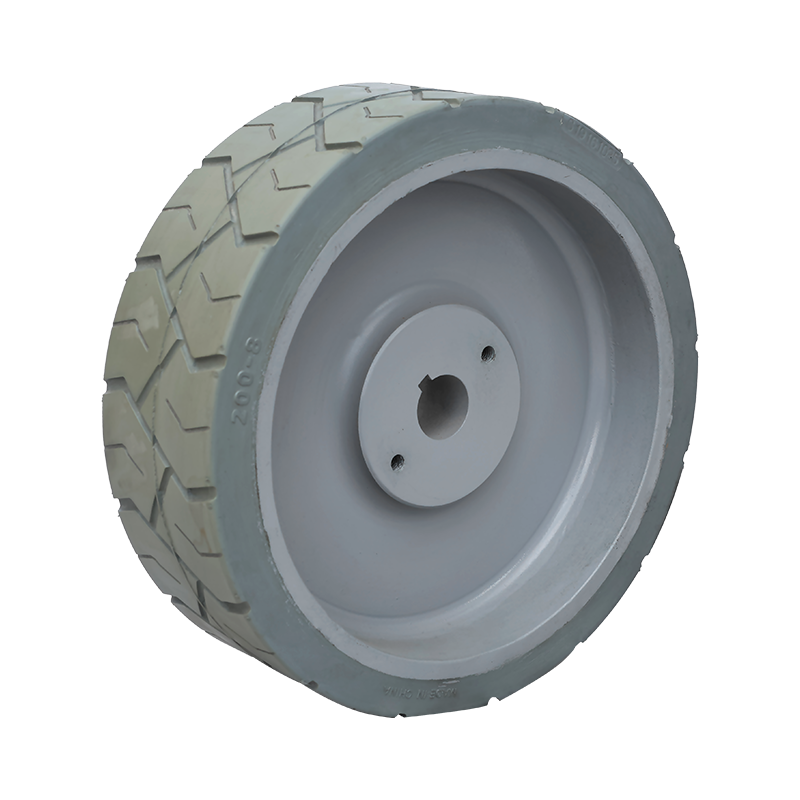
Choosing the Right Solid Tires for Your Equipment
Not every solid tire fits every aerial platform, and matching the tire to your specific equipment and working conditions makes a real difference in performance and longevity.
- Confirm the tire size and rim diameter match your lift's manufacturer specifications exactly, since aftermarket tires vary slightly between brands.
- Consider tread pattern based on your primary work surface, choosing smoother treads for indoor warehouse floors and grooved treads for outdoor gravel or dirt sites.
- Check the tire's load rating against your platform's maximum operating weight, including workers, tools, and materials typically carried on board.
- Ask about non-marking rubber compounds if the equipment is regularly used indoors on finished flooring that shouldn't show scuff marks.
- Factor in the operating temperature range of your job sites, since extreme cold or heat can affect rubber compound performance differently between brands.
Taking time to match these details to your actual working conditions helps avoid buying tires that technically fit but underperform once the equipment is back out on the job.
Installation and Care Tips for Longer Tire Life
Proper installation and a few care habits go a long way toward getting the most life out of a set of aerial work solid tires. Make sure tires are pressed onto rims using the correct equipment and technique recommended by the manufacturer, since improper installation can create stress points that lead to premature cracking. Avoid exposing stored spare tires to direct sunlight for extended periods, as UV exposure gradually breaks down rubber compounds even when tires aren't in active use.
Rotating equipment usage across a fleet, when possible, helps distribute wear more evenly rather than running the same units constantly on the roughest terrain. Keeping a simple maintenance log noting installation dates and inspection findings for each set of tires also helps fleet managers spot patterns, such as certain job sites causing faster wear, so replacement schedules can be planned proactively instead of reactively.

CONTACT US
-

Email: SMT001@saimeite-tyre.com
-

Phone: +86-18451337018No. 1, Renmin South Road, Yandu District, Yancheng City, Jiangsu Province, China