
 English
 한국어
한국어 Français
 Español

Industrial Solid Tires Explained: Are They the Right Choice for Your Equipment?
Content
- 1 What Are Industrial Solid Tires and Why They're Built Differently
- 2 Common Types of Industrial Solid Tires
- 3 Key Benefits of Choosing Industrial Solid Tires
- 4 Potential Drawbacks to Keep in Mind
- 5 Choosing the Right Solid Tire for Your Equipment
- 6 Maintenance Tips to Extend the Life of Solid Tires
- 7 Is It Time to Switch to Industrial Solid Tires?
What Are Industrial Solid Tires and Why They're Built Differently
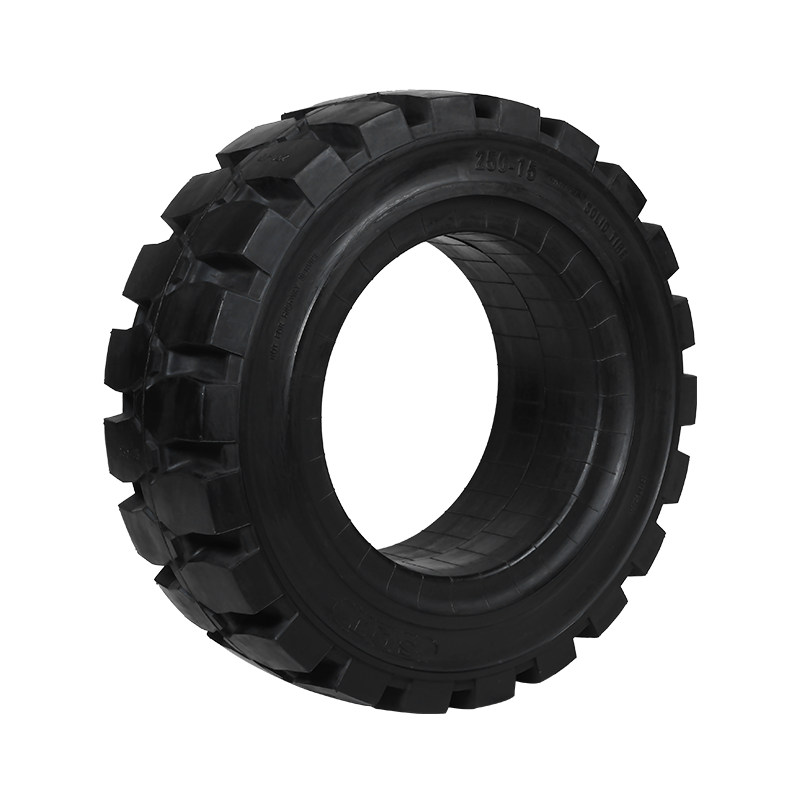
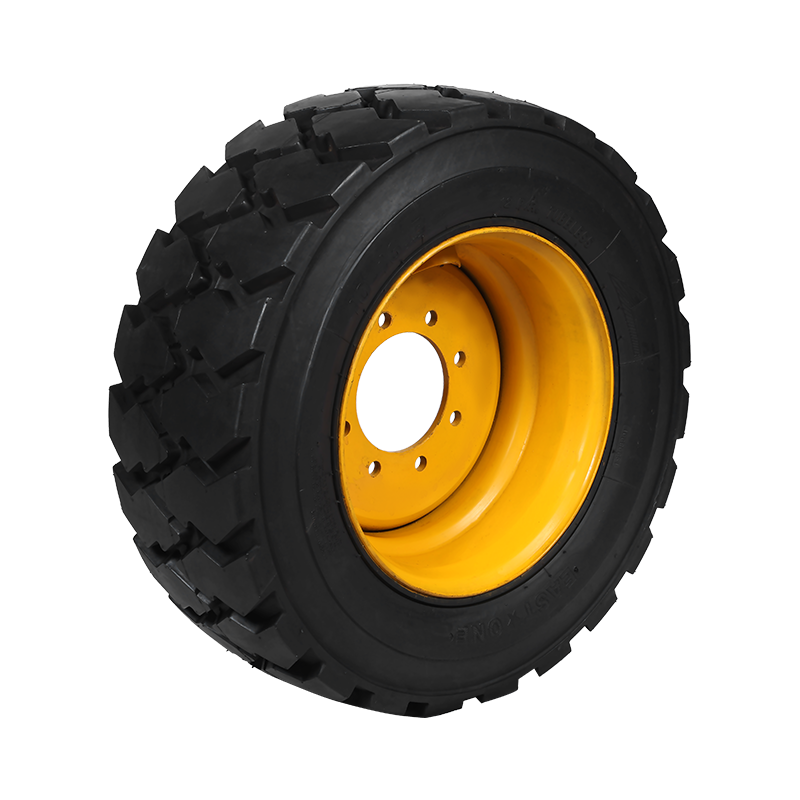
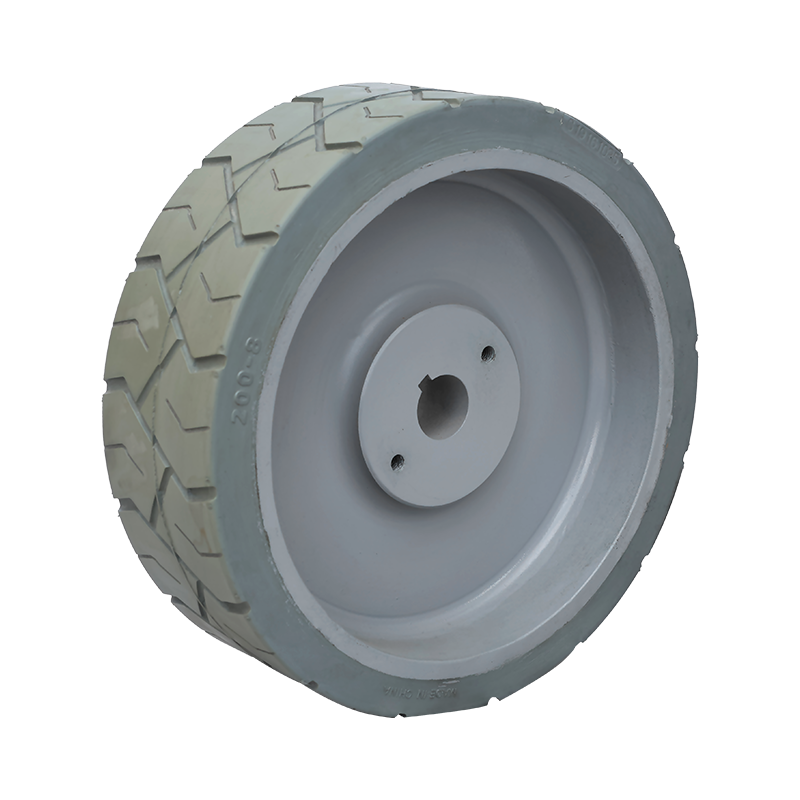
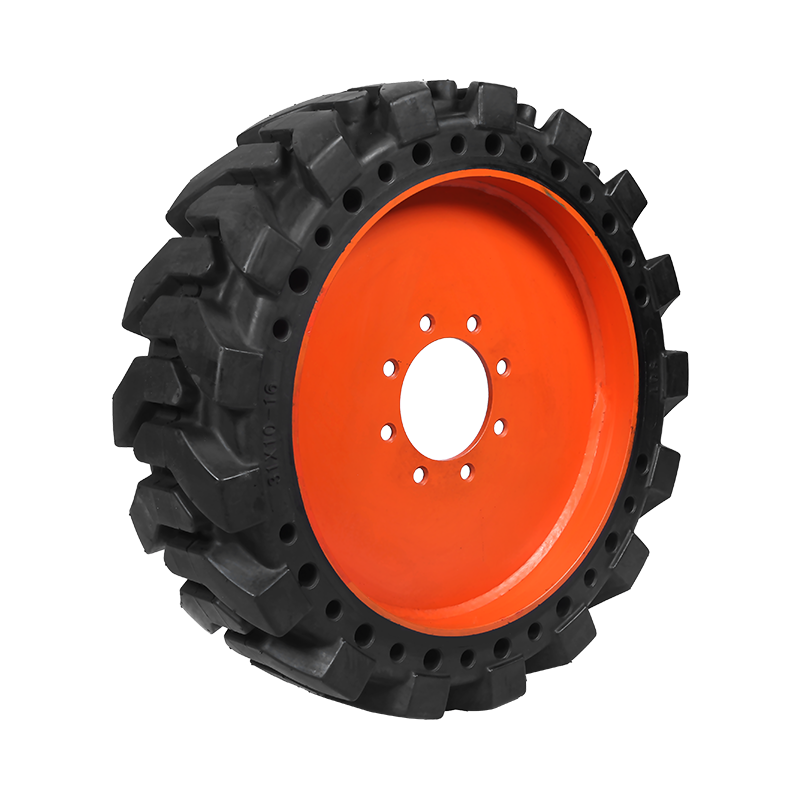
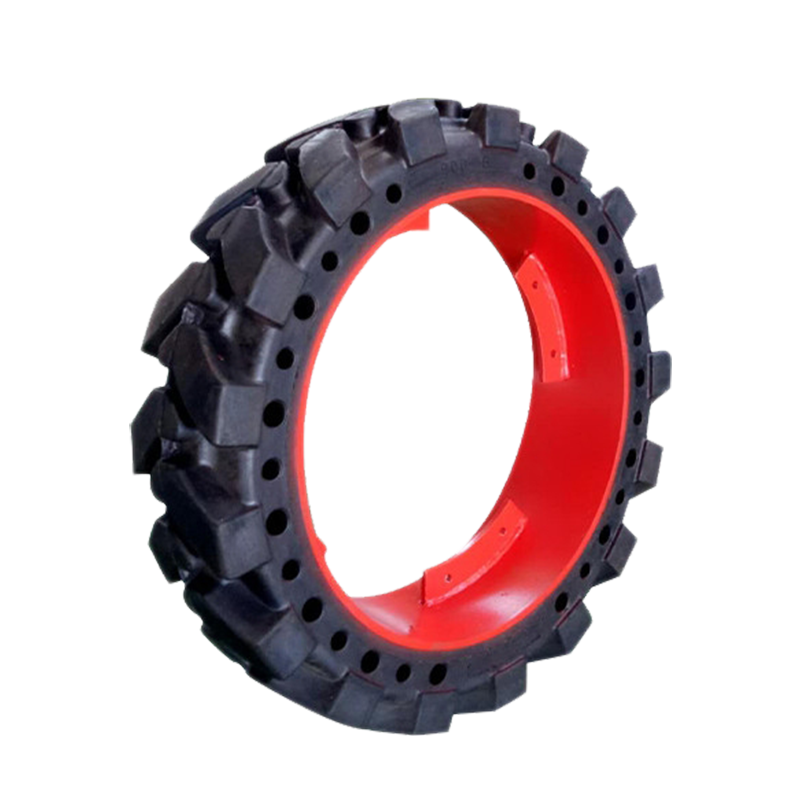
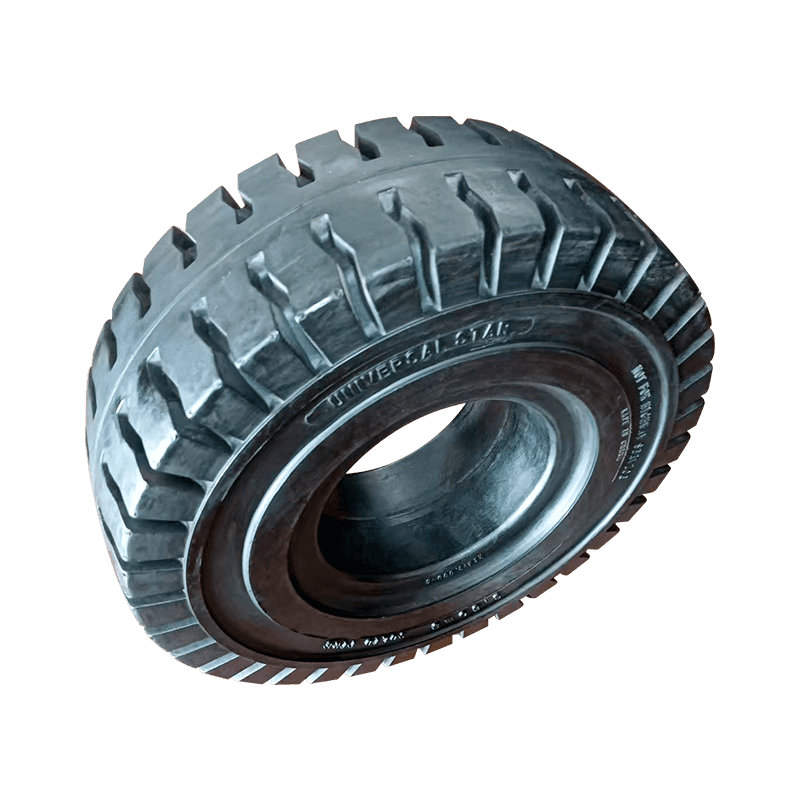
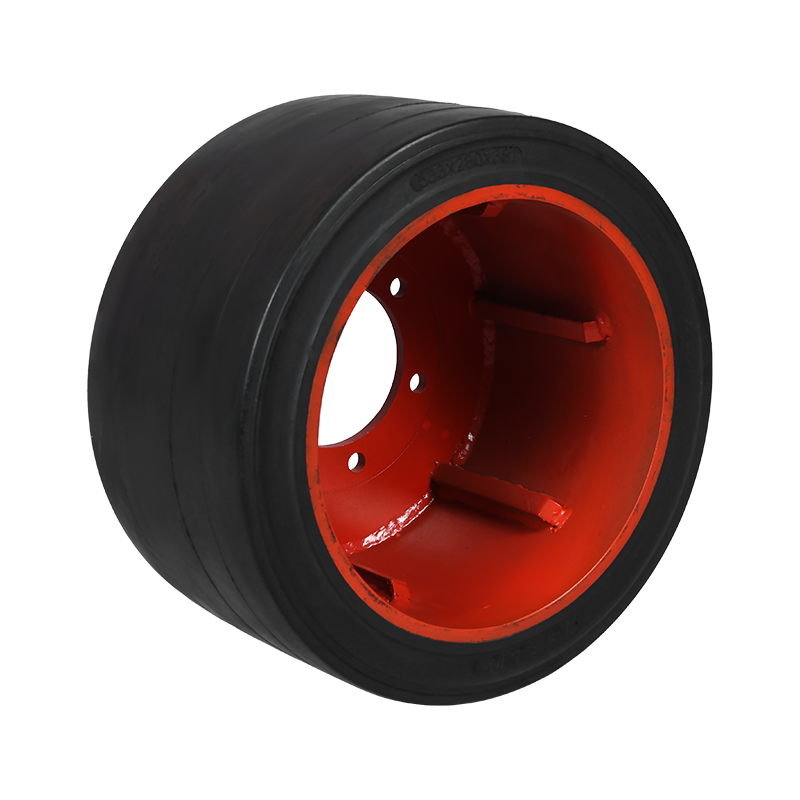
Industrial solid tires are exactly what they sound like: tires made from a solid rubber compound rather than being filled with air. Unlike pneumatic tires, there's no inner tube, no air pressure to maintain, and no risk of a sudden blowout from a puncture. This makes them a go-to choice for forklifts, industrial sweepers, scissor lifts, and other equipment that operates in tough environments like warehouses, construction sites, scrap yards, and manufacturing floors where debris, nails, and sharp metal scraps are a daily hazard.
Because industrial solid tires don't rely on air pressure, they maintain a consistent shape and load-bearing capacity throughout their lifespan. This translates into more predictable handling, less downtime for tire-related repairs, and lower long-term maintenance costs for fleet operators. However, solid tires aren't a one-size-fits-all solution, and understanding their construction, benefits, and limitations helps you decide when they're the right fit for your equipment.
Common Types of Industrial Solid Tires
Not all solid tires are built the same way. Depending on the application, manufacturers offer several distinct designs, each suited to different equipment and working conditions.
Press-On Solid Tires
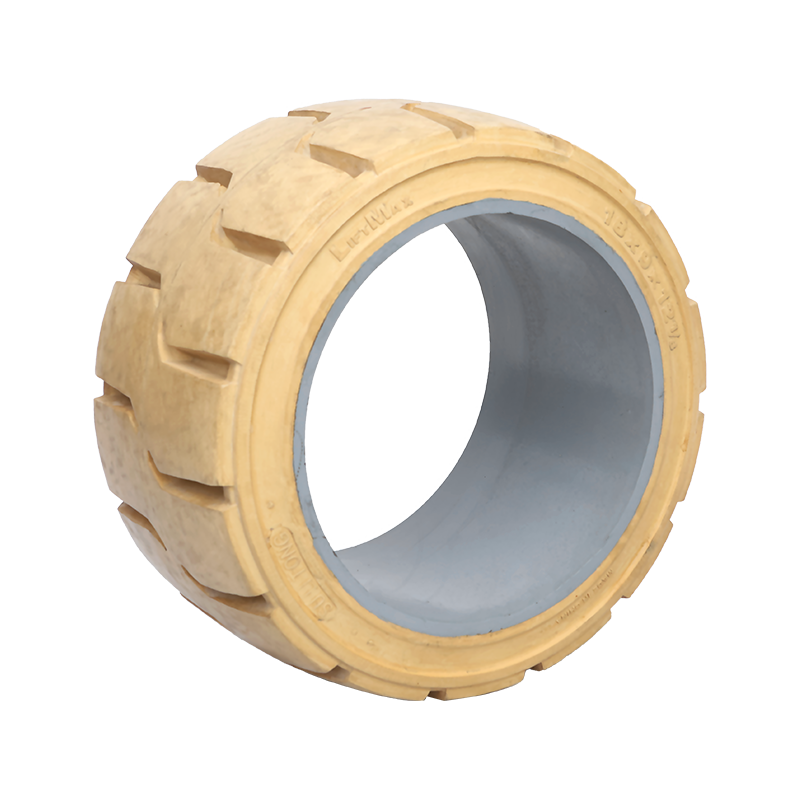
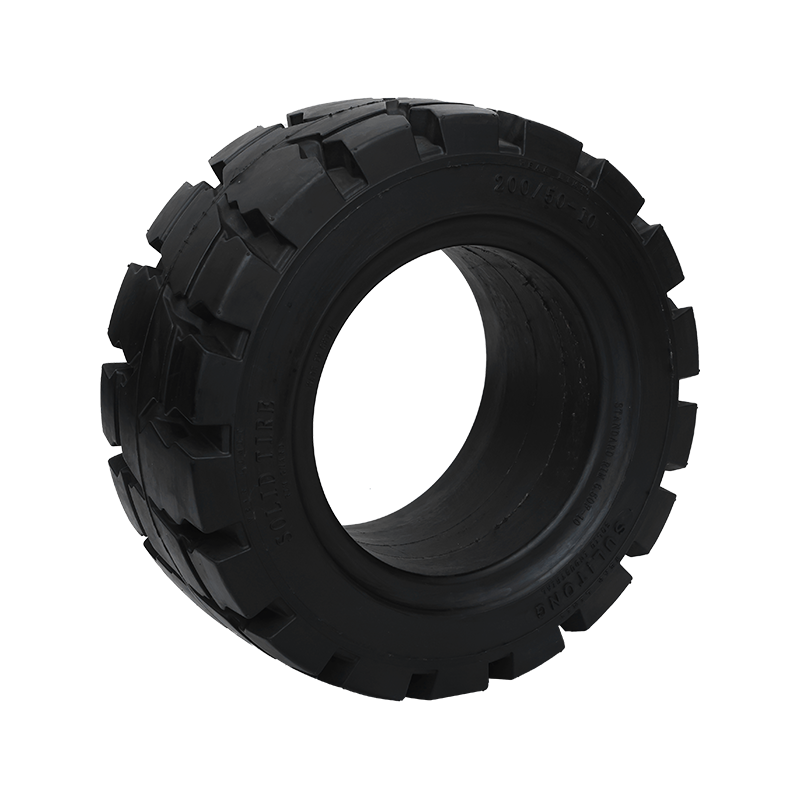
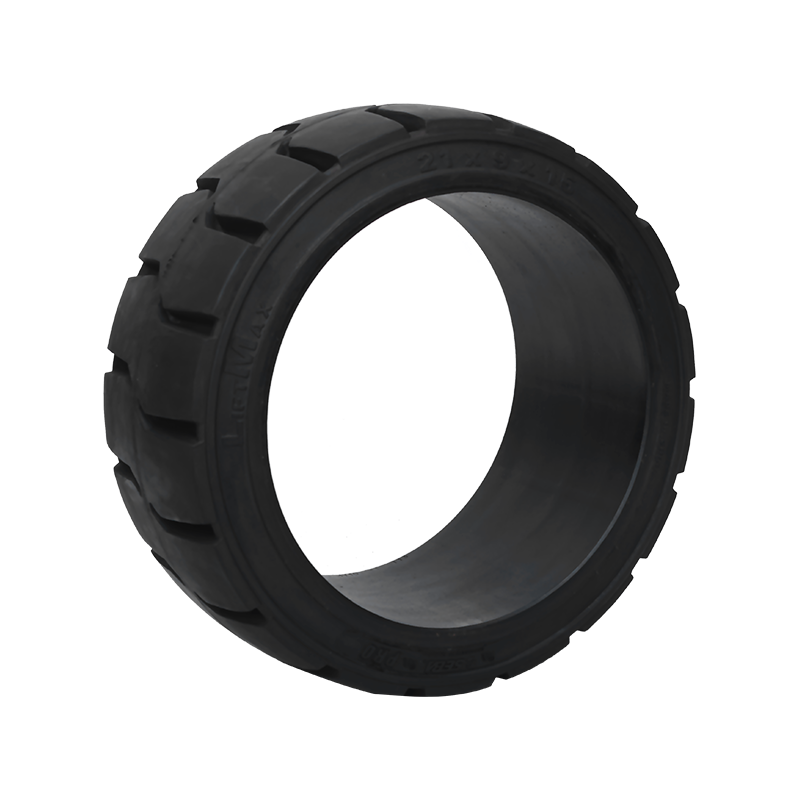
Press-on solid tires are mounted onto a steel wheel band using hydraulic press equipment. They're commonly used on forklifts and other material handling equipment because they offer a strong bond between the tire and the rim, reducing the chance of the tire shifting or spinning under heavy loads. These tires are typically easier and faster to replace compared to other solid tire types, which is a major advantage for busy warehouse operations that can't afford long downtime.
Solid Resilient Tires
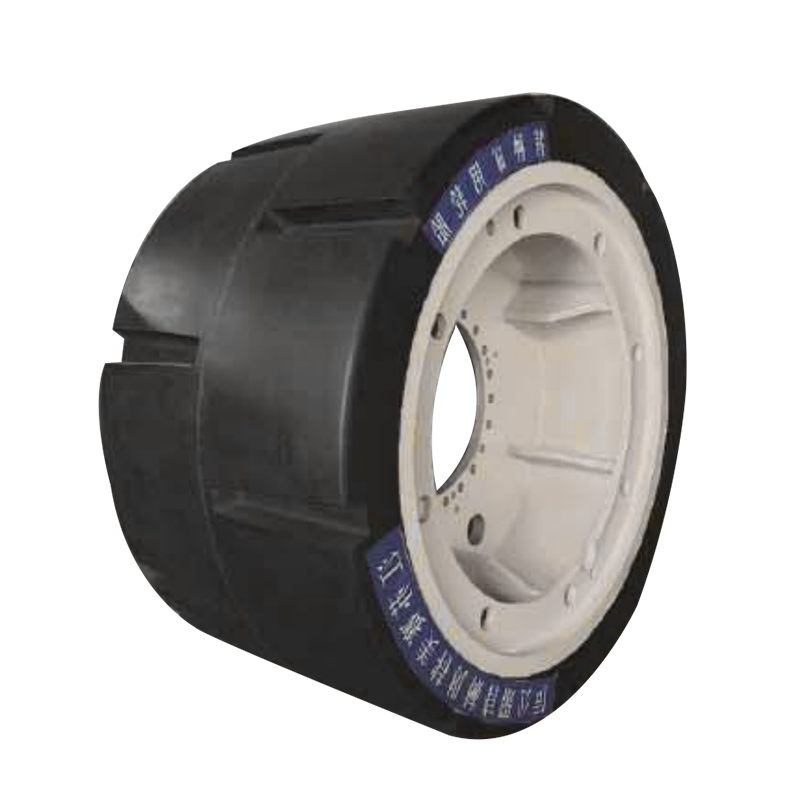
Solid resilient tires include a thin cushioning layer between the tire and the rim, which helps absorb shock and vibration better than standard press-on tires. This design offers a smoother ride and is often used in applications where operator comfort and equipment sensitivity are a concern, such as electronics warehouses or facilities with delicate cargo.
Cushion Tires
Cushion tires are a smaller, low-profile solid tire style typically found on electric forklifts used indoors. Their compact design allows for tighter turning radiuses, making them ideal for narrow warehouse aisles, though they generally aren't suited for rough outdoor terrain.
Key Benefits of Choosing Industrial Solid Tires
Solid tires offer several practical advantages that make them a preferred choice across many industrial settings.
- Puncture-proof design eliminates flat tires from nails, glass, or metal debris commonly found in industrial environments.
- Longer service life compared to pneumatic tires, since there's no air loss or tube degradation over time.
- Lower maintenance requirements, with no need for regular air pressure checks or tube replacements.
- Stable load handling, since the tire shape doesn't change under heavy or uneven loads the way an underinflated pneumatic tire might.
- Reduced risk of workplace accidents caused by sudden tire failure during operation.
Potential Drawbacks to Keep in Mind
While industrial solid tires offer significant durability advantages, they aren't without trade-offs. Solid tires generally provide a firmer, less cushioned ride compared to pneumatic tires, which can translate into more vibration for both the operator and the cargo being transported. This makes them less ideal for extremely rough or uneven outdoor terrain where shock absorption matters more. Solid tires also tend to be heavier than their pneumatic counterparts, which can slightly affect equipment maneuverability and energy consumption, particularly for electric-powered machines. Additionally, the upfront cost of solid tires is often higher than pneumatic alternatives, though this is typically offset over time through reduced maintenance and replacement frequency.
Choosing the Right Solid Tire for Your Equipment
Selecting the correct industrial solid tire depends on several factors specific to your equipment and work environment. Matching these factors correctly ensures better performance and a longer service life.
| Factor | What to Consider |
| Load Capacity | Match tire rating to the maximum weight your equipment will carry, including attachments |
| Surface Type | Smooth warehouse floors vs. gravel, asphalt, or uneven outdoor terrain |
| Operating Environment | Indoor vs. outdoor use, temperature extremes, exposure to chemicals or oils |
| Tire Compound | Standard rubber vs. non-marking rubber for indoor flooring protection |
| Equipment Type | Forklifts, sweepers, scissor lifts, and tow tractors each have specific fitment requirements |
Working with a knowledgeable tire supplier can help you cross-reference your equipment's make and model with the correct tire size, tread pattern, and compound for your specific application.
Maintenance Tips to Extend the Life of Solid Tires
Although industrial solid tires require far less maintenance than pneumatic tires, a few simple habits can help maximize their lifespan and performance.
- Regularly inspect tread depth and watch for uneven wear patterns, which can indicate alignment or load distribution issues.
- Check for cracking, chunking, or separation between the rubber and the steel band, especially on older tires.
- Avoid prolonged exposure to oils, fuels, or harsh chemicals, which can degrade rubber compounds over time.
- Rotate equipment usage when possible to avoid excessive wear on a single set of tires.
- Keep operating surfaces clear of sharp debris to reduce unnecessary surface damage, even though solid tires resist punctures.
Is It Time to Switch to Industrial Solid Tires?
If your operation frequently deals with flat tires, unexpected downtime, or equipment working in debris-heavy environments, switching to industrial solid tires is worth serious consideration. The upfront investment often pays for itself through reduced maintenance calls, fewer replacement cycles, and improved equipment uptime. On the other hand, if your equipment primarily operates on smooth, controlled indoor surfaces with light loads, pneumatic or foam-filled tires might still offer a more cost-effective and comfortable ride. Evaluating your specific operating conditions, load requirements, and budget will help you determine whether industrial solid tires are the right long-term investment for your fleet.
CONTACT US
-

Email: SMT001@saimeite-tyre.com
-

Phone: +86-18451337018No. 1, Renmin South Road, Yandu District, Yancheng City, Jiangsu Province, China