
 English
 한국어
한국어 Français
 Español

A Practical Guide to Choosing and Maintaining Gantry Crane Tires
Content
- 1 Why Gantry Crane Tires Matter More Than Most Operators Realize
- 2 What Makes Gantry Crane Tires Different From Regular Vehicle Tires
- 3 Solid Versus Pneumatic Gantry Crane Tires
- 4 Common Causes of Premature Gantry Crane Tire Wear
- 5 How to Inspect Gantry Crane Tires for Wear and Damage
- 6 Best Practices for Extending Gantry Crane Tire Life
- 7 Choosing the Right Supplier for Replacement Gantry Crane Tires
- 8 Final Thoughts on Keeping Your Cranes Rolling Safely
Why Gantry Crane Tires Matter More Than Most Operators Realize
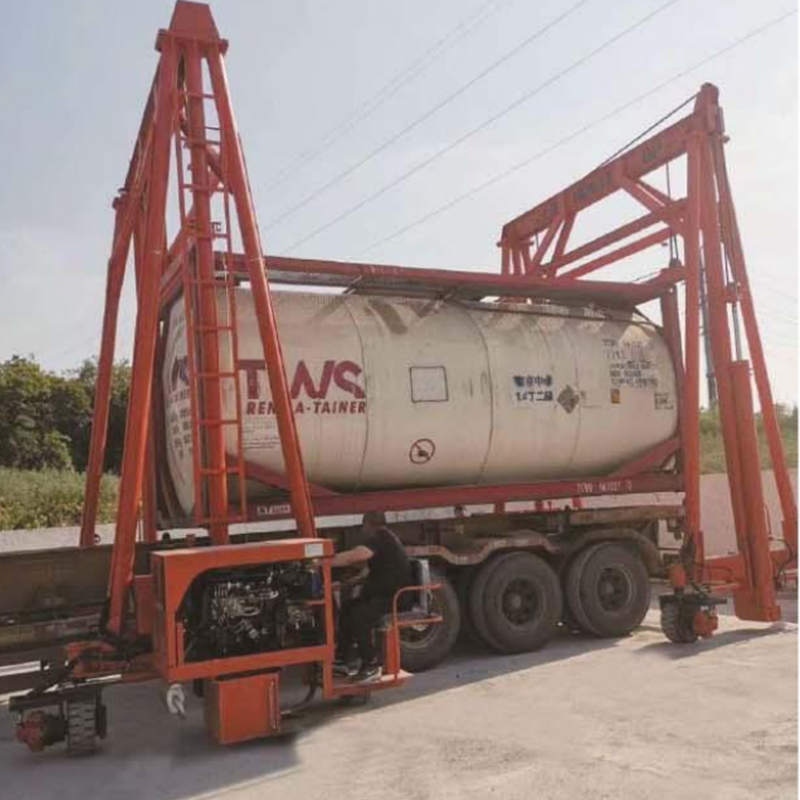
Gantry crane tires carry an enormous responsibility that often goes unnoticed until something goes wrong. These massive tires support the full weight of the crane structure, the load being lifted, and the dynamic forces created every time the crane travels, turns, or stops suddenly. In a busy container yard or shipbuilding facility, a rubber-tired gantry crane might travel back and forth dozens of times per shift, and every one of those movements puts stress on the tires beneath it. A tire failure isn't just an inconvenience, it can bring an entire operation to a halt and, in worst cases, create a serious safety hazard for nearby workers.
Because rubber-tired gantry cranes (commonly called RTGs) operate on paved yards rather than fixed rails, their tires deal with a completely different set of stresses compared to rail-mounted crane wheels. Heat buildup, uneven pavement, heavy point loads, and constant steering all combine to wear down gantry crane tires faster than standard vehicle tires. Understanding what makes these tires unique, and how to maintain them properly, can save port operators and logistics companies significant money and downtime over the life of their equipment.
What Makes Gantry Crane Tires Different From Regular Vehicle Tires
At first glance, a gantry crane tire might look similar to a large truck tire, but the engineering underneath is quite different. These tires are built with reinforced sidewalls and thicker tread compounds specifically designed to handle extremely high static loads for long periods, something a typical highway tire was never intended to do. Since gantry cranes often sit in one spot supporting tremendous weight for hours at a time, tire manufacturers use specialized rubber compounds that resist deformation and heat buildup under sustained pressure.
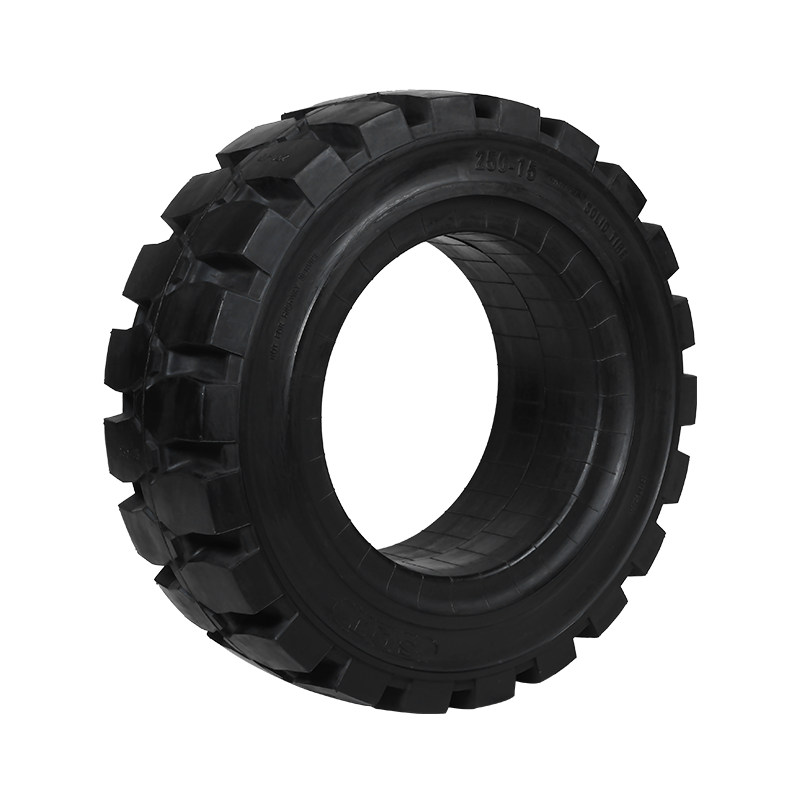
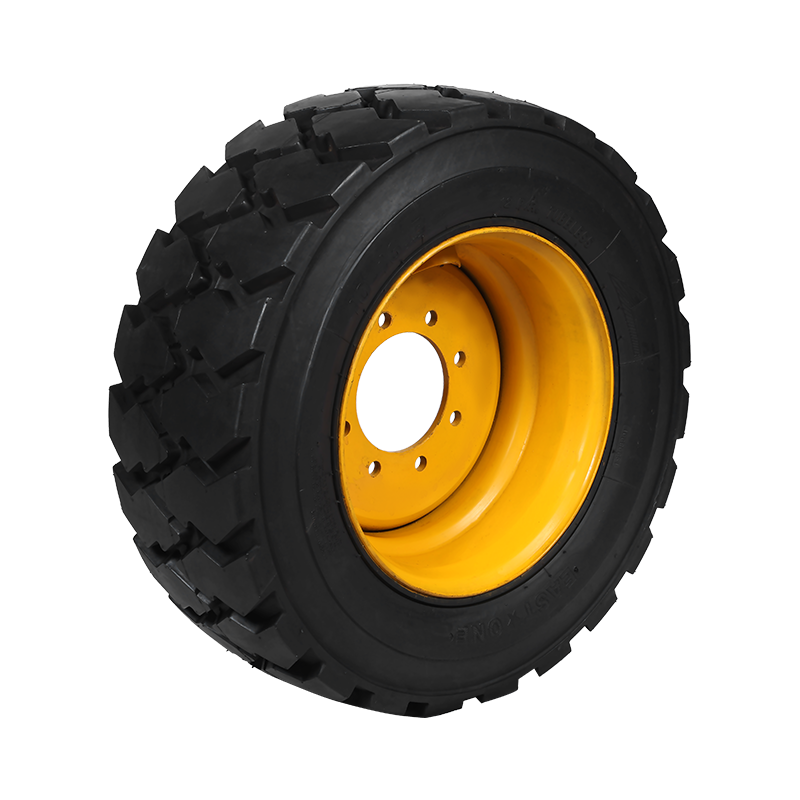
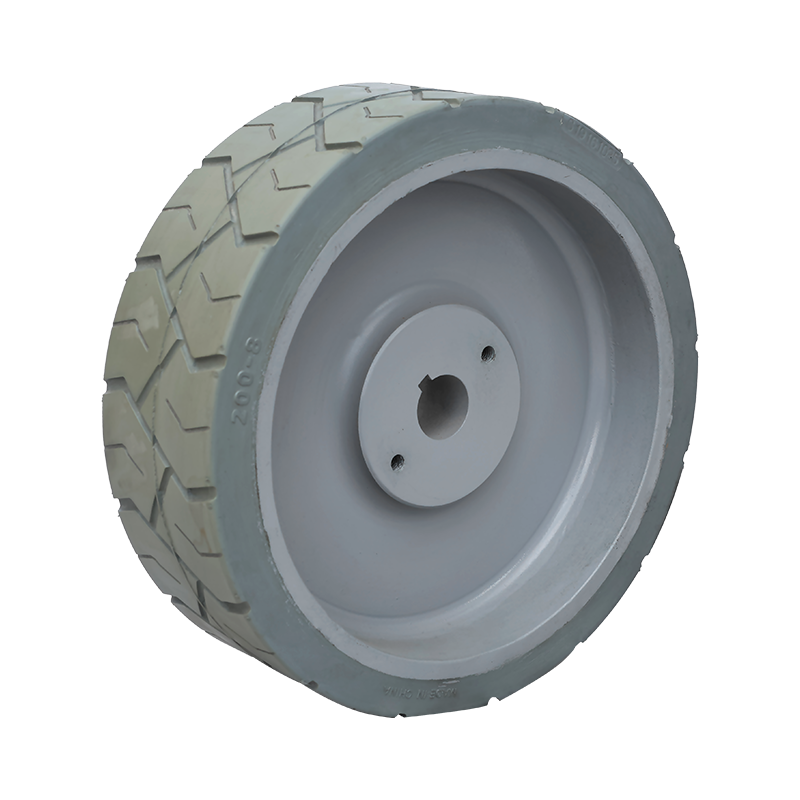
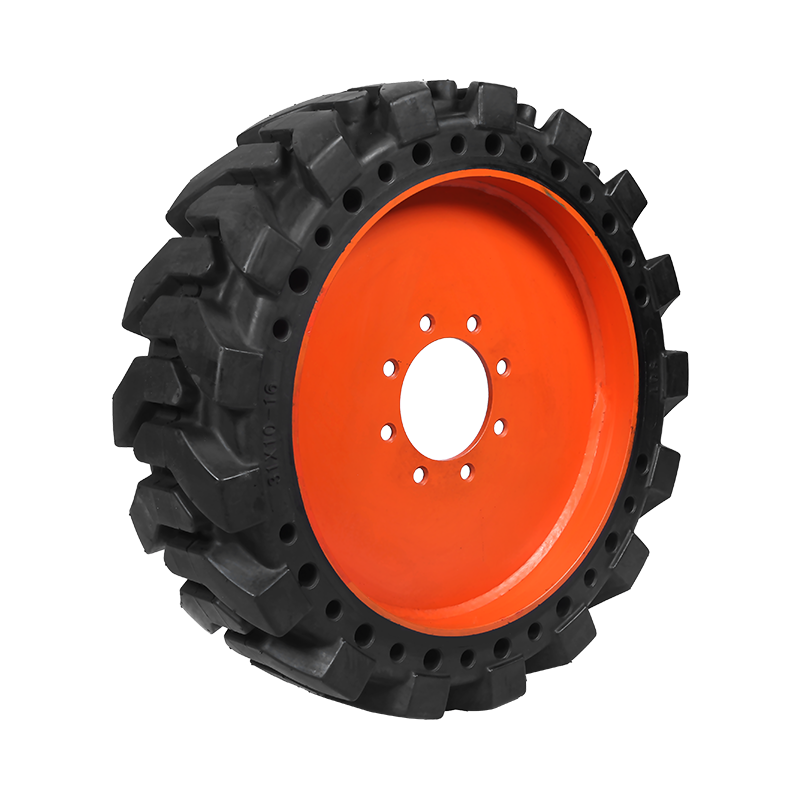
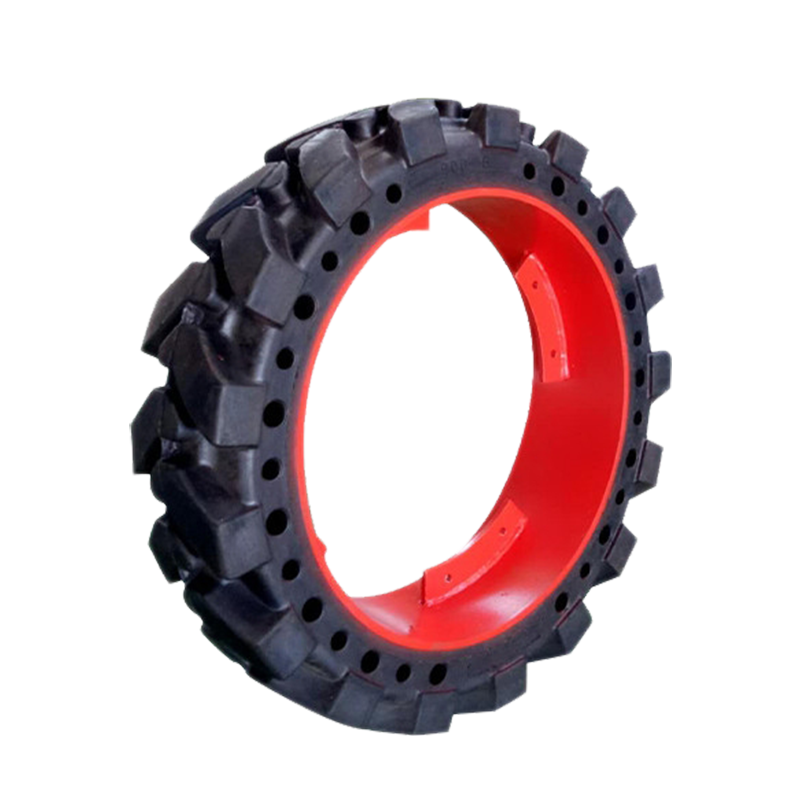
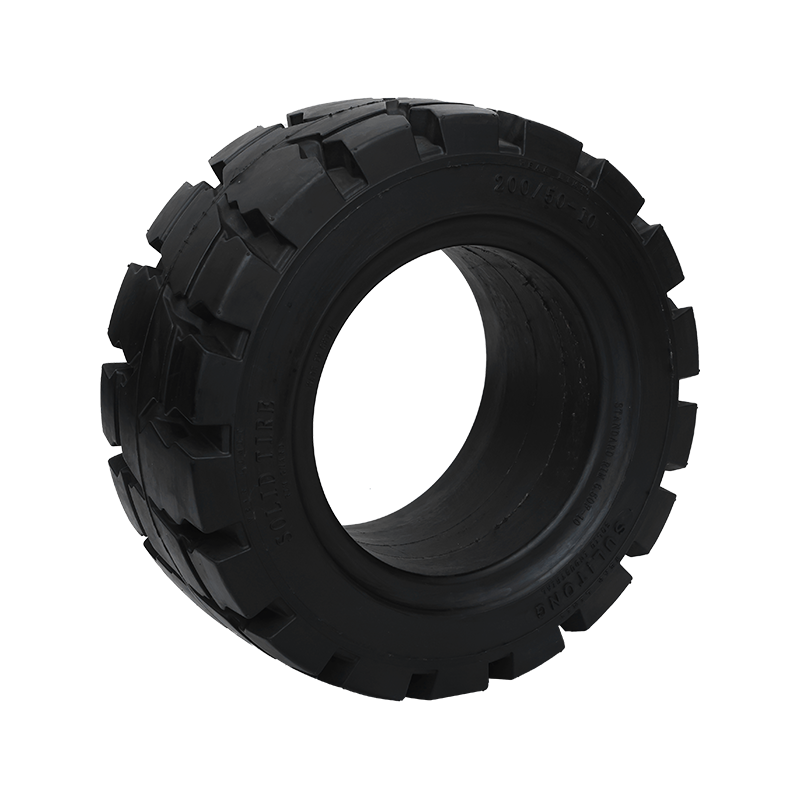
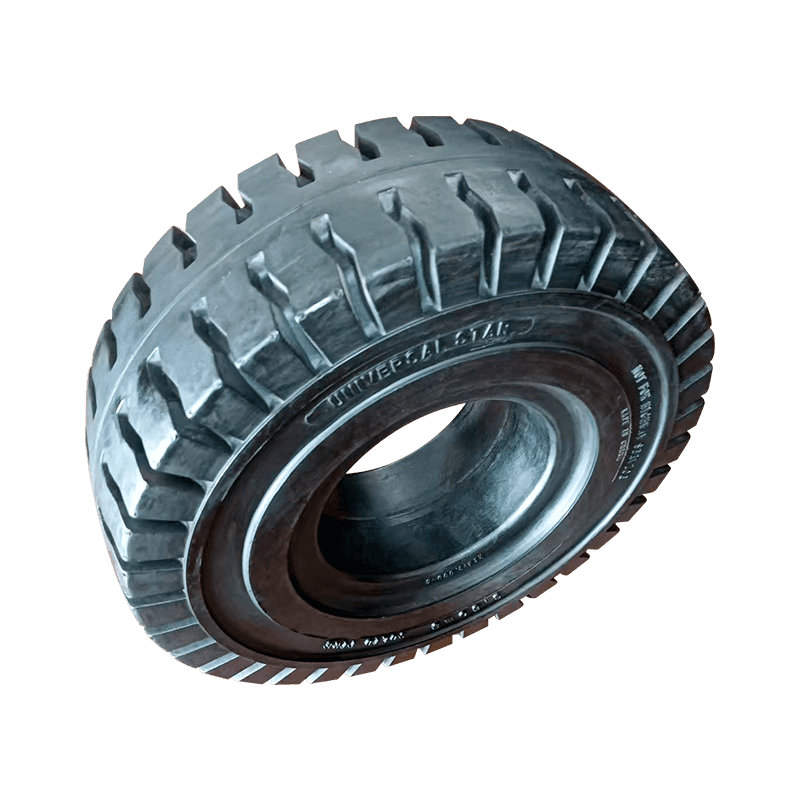
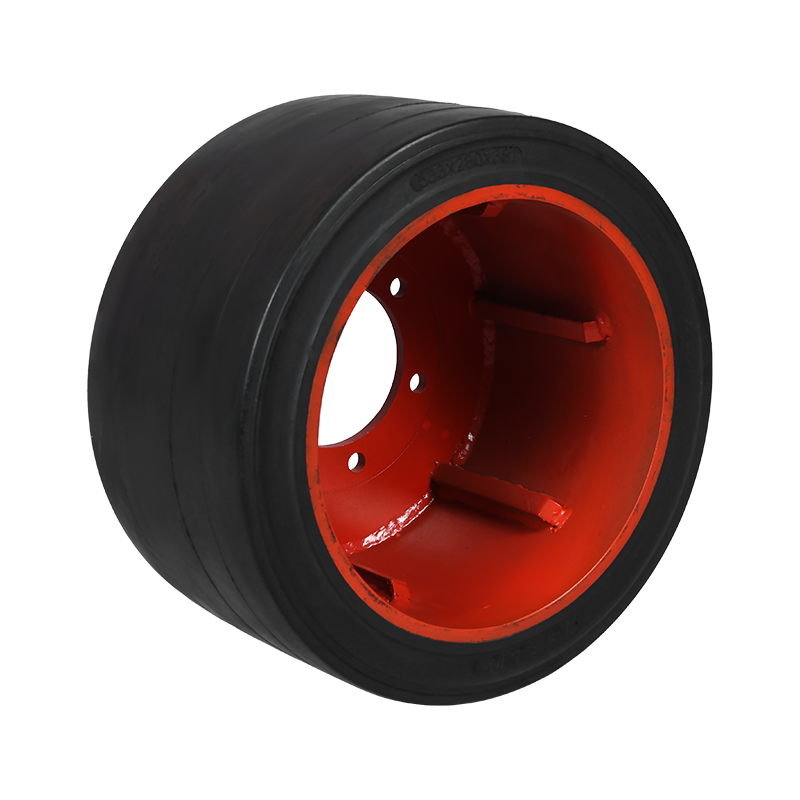
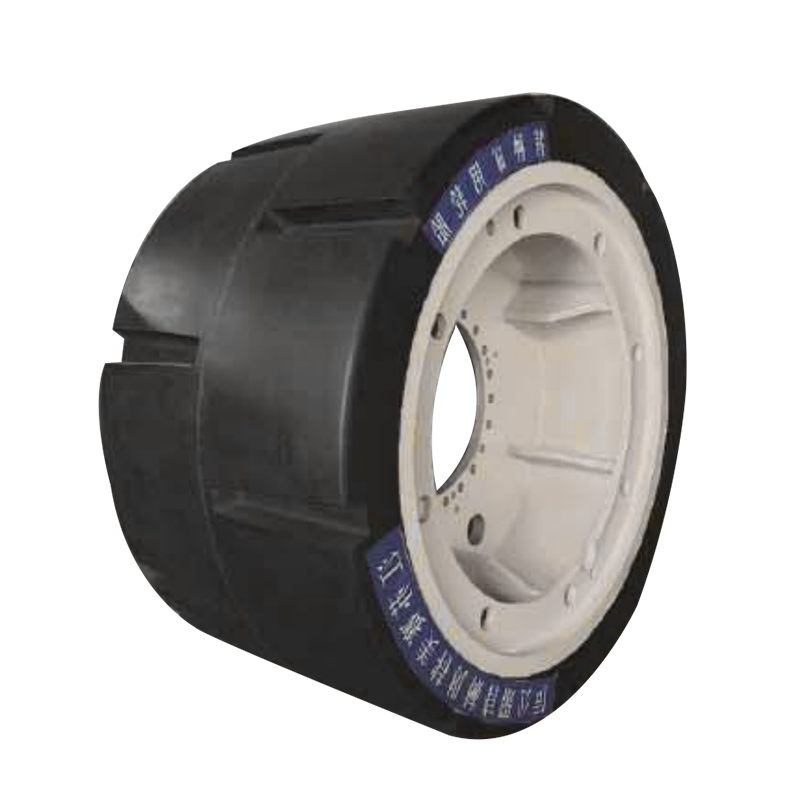
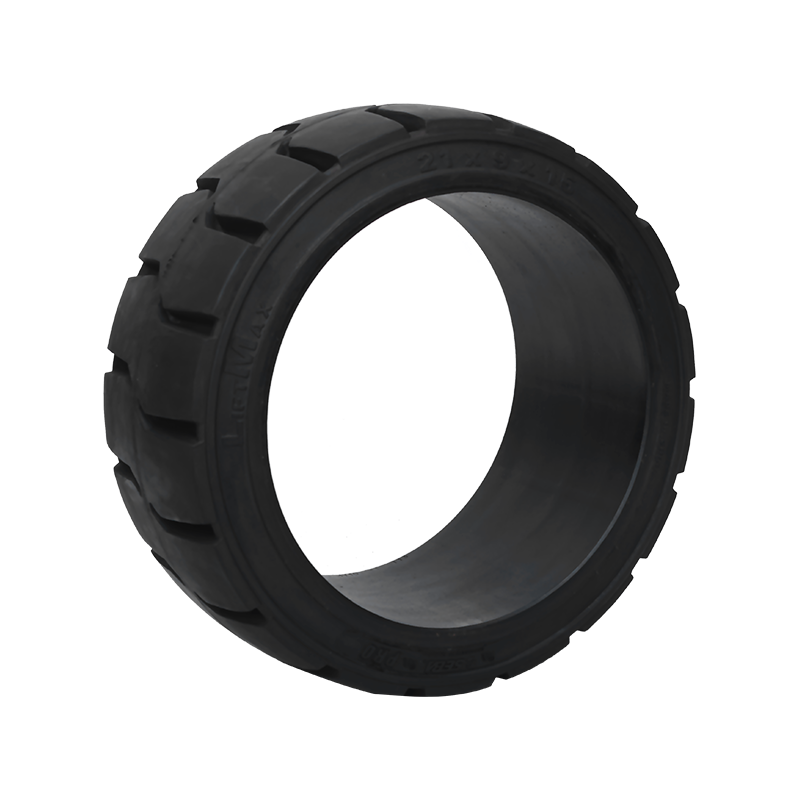
Gantry crane tires also tend to use solid or heavy-duty pneumatic construction depending on the crane type and application. Solid tires eliminate the risk of sudden deflation entirely, which is valuable in operations where a blowout could cause serious downtime or safety concerns, while pneumatic tires offer better shock absorption and a smoother ride across uneven yard surfaces, which reduces stress on the crane's structural components over time.
Solid Versus Pneumatic Gantry Crane Tires
Choosing between solid and pneumatic tires is one of the biggest decisions crane operators face, and the right choice depends heavily on the operating environment and priorities of the facility.
| Tire Type | Key Advantage | Key Drawback |
| Solid Tires | No risk of sudden deflation or blowout | Heavier, transmits more vibration to structure |
| Pneumatic Tires | Better shock absorption, smoother movement | Requires regular pressure checks, puncture risk |
Ports and terminals that prioritize uptime and minimal maintenance interruptions often lean toward solid tires despite the added weight, while facilities focused on protecting crane structural components and operator comfort may prefer pneumatic tires paired with a disciplined pressure-monitoring program.
Common Causes of Premature Gantry Crane Tire Wear
Even high-quality gantry crane tires can wear out well before their expected service life if certain conditions aren't managed properly. Identifying these causes early helps extend tire life and reduce unplanned replacement costs.
- Uneven or cracked pavement that creates concentrated stress points on the tread
- Frequent tight-radius turning, which accelerates edge and shoulder wear
- Overloading the crane beyond its rated capacity, increasing point-load pressure on each tire
- Improper wheel alignment, causing uneven tread wear across the tire surface
- Extended idle time under full load, leading to flat-spotting or compound fatigue
- Exposure to oil, fuel spills, or extreme heat from nearby equipment
Yard surface condition is one of the most overlooked factors. Even a well-maintained tire can wear unevenly or develop cracks prematurely if it's constantly rolling over potholes, seams, or debris scattered across the operating area.
How to Inspect Gantry Crane Tires for Wear and Damage
Routine visual inspections go a long way toward catching problems before they turn into costly failures. A thorough inspection should be part of every maintenance schedule.
Check Tread Depth and Wear Patterns
Measure tread depth at multiple points around the tire and compare readings side to side. Uneven wear from one edge to the other usually points to alignment issues, while wear concentrated in the center often signals overinflation on pneumatic tires.
Look for Cracking, Cuts, and Embedded Debris
Inspect sidewalls and tread grooves for cracks, cuts, or embedded stones and metal debris that could work their way deeper into the tire over time. Small cuts caught early can often be monitored, while deep cuts near steel belts usually mean the tire needs replacement sooner rather than later.
Best Practices for Extending Gantry Crane Tire Life
A proactive maintenance approach can significantly extend the service life of gantry crane tires and reduce the total cost of ownership over time.
- Keep yard pavement well maintained and repair cracks or potholes promptly
- Rotate tire positions periodically if the crane's wheel configuration allows it
- Monitor and maintain correct tire pressure on all pneumatic tires weekly
- Avoid exceeding the crane's rated load capacity under any circumstances
- Schedule regular wheel alignment checks to prevent uneven tread wear
- Clean spilled fuel, oil, or chemicals off tires promptly to prevent rubber degradation
Facilities that build these practices into a routine maintenance checklist, rather than addressing tire issues only when problems arise, consistently report longer tire lifespans and fewer unexpected equipment shutdowns.
Choosing the Right Supplier for Replacement Gantry Crane Tires
Not all replacement tires are created equal, and choosing a reliable supplier matters just as much as proper maintenance. Look for manufacturers who specialize in heavy equipment or port machinery tires rather than general commercial truck tires, since load ratings, compound formulations, and construction standards differ significantly between the two. Requesting load rating certifications and asking about the expected service life under conditions similar to your own facility can help ensure you're getting tires built to handle the specific demands of gantry crane operation, rather than a generic product that simply happens to fit the rim size.
Final Thoughts on Keeping Your Cranes Rolling Safely
Gantry crane tires might not get much attention during day-to-day operations, but they play a critical role in keeping heavy lifting equipment safe, stable, and productive. By understanding the differences between solid and pneumatic designs, recognizing the early signs of wear, and following consistent maintenance practices, port and terminal operators can significantly extend tire life and avoid costly, unplanned downtime. A little attention to this often-overlooked component pays off in smoother operations and a safer working environment for everyone on the yard.
CONTACT US
-

Email: SMT001@saimeite-tyre.com
-

Phone: +86-18451337018No. 1, Renmin South Road, Yandu District, Yancheng City, Jiangsu Province, China