
 English
 한국어
한국어 Français
 Español

Low Resistance Milling Machine Tires Explained: Save Fuel, Extend Tire Life
Content
- 1 What Low Resistance Milling Machine Tires Are and Why They Matter
- 2 How Rolling Resistance Affects Milling Machine Performance
- 3 Key Design Features That Reduce Rolling Resistance
- 4 Comparing Low Resistance Tires to Standard Milling Machine Tires
- 5 Choosing the Right Tires for Your Milling Machine Fleet
- 6 Maintenance Practices That Preserve Tire Performance
- 7 Signs It's Time to Replace Your Milling Machine Tires
What Low Resistance Milling Machine Tires Are and Why They Matter
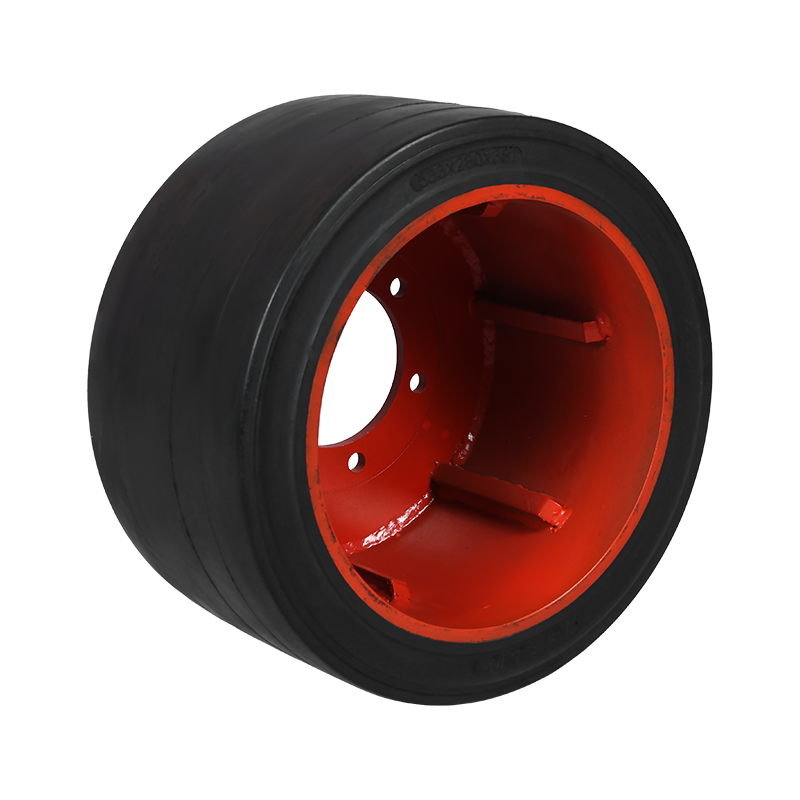
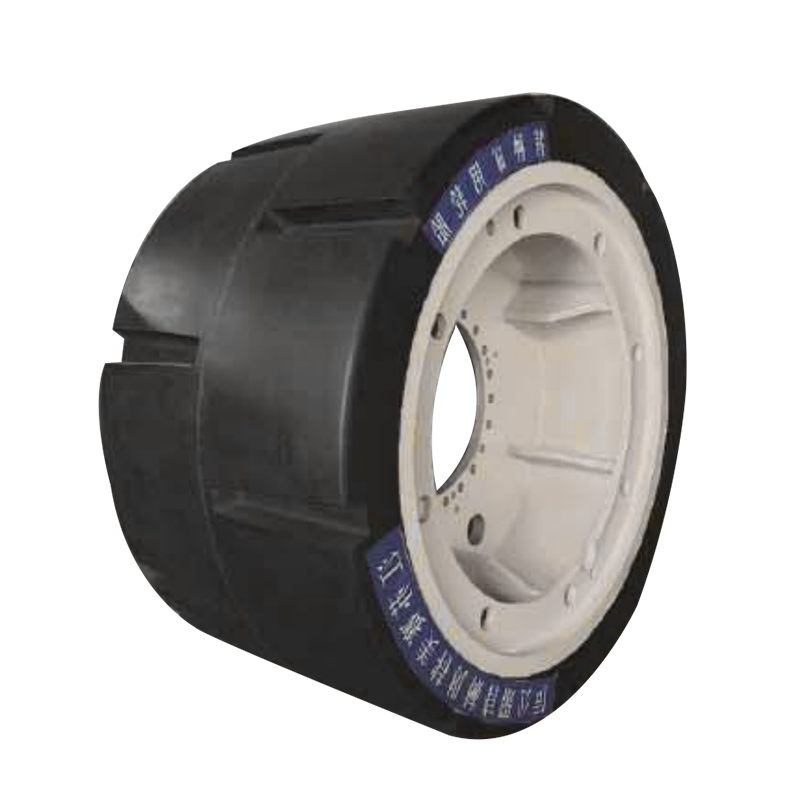
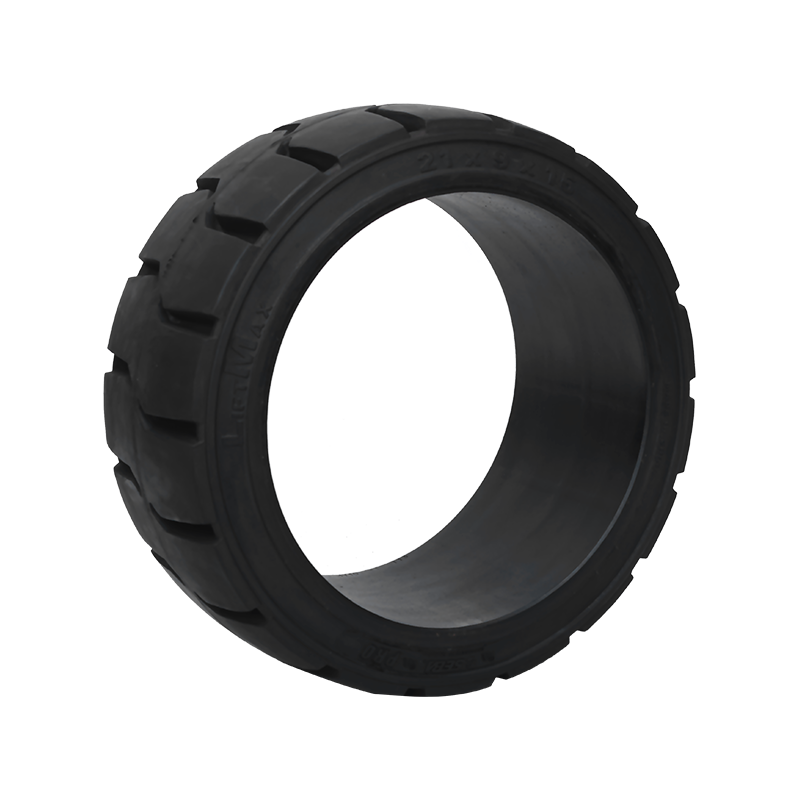
Low resistance milling machine tires are specially engineered tires designed to reduce rolling resistance on cold planers and road milling machines, directly improving fuel efficiency and reducing strain on the drivetrain during long paving and reclamation projects. Traditional tires built for milling equipment prioritize load capacity and puncture resistance, but often generate excessive heat and drag as they roll across abrasive milled surfaces, which increases fuel consumption and accelerates wear on both the tire and the machine's hydraulic system.
By using a refined tread compound and optimized carcass construction, low resistance milling machine tires minimize the energy lost to deformation as the tire rotates under heavy machine weight. This translates into measurable fuel savings over the lifespan of a project, especially for contractors running milling machines for extended shifts across large-scale roadway resurfacing jobs.
How Rolling Resistance Affects Milling Machine Performance
Rolling resistance refers to the energy lost as a tire flexes and recovers its shape while rolling under load. On milling machines, which often weigh tens of thousands of pounds, this energy loss becomes significant, directly affecting fuel burn, engine load, and even ground traction on freshly milled asphalt surfaces.
Impact on Fuel Consumption
Higher rolling resistance forces the engine to work harder to maintain travel speed, which increases diesel consumption noticeably over the course of a multi-day milling project, particularly on larger machines covering wide milling widths.
Impact on Heat Buildup and Tire Longevity
Excessive flexing generates internal heat within the tire structure, which accelerates rubber degradation and can lead to premature cracking or tread separation, especially when combined with the abrasive nature of milled pavement surfaces.
Impact on Machine Stability
Tires with poor resistance characteristics can also contribute to uneven load distribution across the machine's axles, which affects milling depth consistency and overall surface finish quality.
Key Design Features That Reduce Rolling Resistance
Manufacturers achieve lower rolling resistance in milling machine tires through a combination of material science and structural engineering. Understanding these features helps buyers evaluate tire options more effectively.
- Silica-enhanced rubber compounds that reduce internal friction while maintaining grip on abrasive surfaces
- Optimized tread patterns that balance traction needs with minimal surface contact drag
- Reinforced sidewalls that maintain shape stability under heavy loads without excessive flexing
- Radial ply construction, which generally offers lower rolling resistance than bias-ply alternatives
- Heat-dissipating internal structures that reduce temperature buildup during continuous operation
Comparing Low Resistance Tires to Standard Milling Machine Tires
Understanding the practical differences between tire types helps contractors make informed purchasing decisions based on project scale and budget. The table below outlines key distinctions.
| Feature | Low Resistance Tires | Standard Milling Tires |
| Fuel Efficiency | Higher | Standard |
| Heat Buildup | Lower | Higher |
| Tread Life on Abrasive Surfaces | Extended | Moderate |
| Upfront Cost | Higher | Lower |
Choosing the Right Tires for Your Milling Machine Fleet
Selecting the correct low resistance milling machine tires depends on several project-specific factors rather than a one-size-fits-all recommendation. Contractors should evaluate their typical milling depth, surface hardness, and daily operating hours before committing to a specific tire model.
Matching Tire Load Rating to Machine Weight
Every milling machine has a specific axle load requirement, and choosing a tire with an inadequate load rating, even if it offers excellent rolling resistance characteristics, can lead to premature sidewall failure or blowouts under heavy operation.
Considering Ambient Temperature and Climate
Rubber compounds behave differently across temperature ranges, so contractors working in consistently hot climates should prioritize tires with strong heat dissipation properties in addition to low resistance characteristics.
Evaluating Long-Term Cost Versus Short-Term Savings
While low resistance tires often carry a higher upfront cost, the combined savings from reduced fuel consumption and extended tread life frequently offset the initial investment over the course of a full milling season.
Maintenance Practices That Preserve Tire Performance
Even the best low resistance milling machine tires require proper maintenance to deliver their expected fuel savings and lifespan. Maintaining correct tire pressure is one of the most important habits, since underinflated tires increase rolling resistance significantly and generate excess heat regardless of the tire's engineered design. Operators should also inspect tread surfaces regularly for embedded debris or cuts caused by milled asphalt fragments, since small punctures left unaddressed can quickly develop into larger structural failures under continuous heavy load. Rotating tire positions periodically, where the machine design allows, helps distribute wear more evenly and extends the overall service interval before replacement becomes necessary.
Signs It's Time to Replace Your Milling Machine Tires
Recognizing when tires have reached the end of their useful service life prevents unexpected downtime and helps maintain the fuel efficiency benefits that low resistance tires are designed to provide.
- Visible cracking or checking across the sidewall or tread surface
- Noticeably increased fuel consumption compared to previous project benchmarks
- Uneven tread wear indicating alignment or load distribution issues
- Excessive heat felt on the tire surface immediately after operation
- Reduced tread depth approaching the manufacturer's minimum safety threshold
CONTACT US
-

Email: SMT001@saimeite-tyre.com
-

Phone: +86-18451337018No. 1, Renmin South Road, Yandu District, Yancheng City, Jiangsu Province, China