
 English
 한국어
한국어 Français
 Español

Wheel Loader Tires: How to Pick the Right Ones and Make Them Last
Content
- 1 Why Wheel Loader Tires Matter More Than Most Operators Realize
- 2 The Main Types of Wheel Loader Tires and What They're Built For
- 3 Pneumatic vs Solid Wheel Loader Tires: Which One Fits Your Operation
- 4 Reading the Numbers: Understanding Wheel Loader Tire Sizing and Ratings
- 5 Maintenance Habits That Extend Tire Life
- 6 Knowing When It's Time to Replace Wheel Loader Tires
Why Wheel Loader Tires Matter More Than Most Operators Realize
Wheel loader tires take on a heavier workload than almost any other component on the machine, since they're the only point of contact between thousands of pounds of equipment and whatever surface the loader happens to be working on, whether that's loose gravel, packed dirt, scrap metal, or wet mud. Choosing the wrong tire for the job doesn't just shorten its lifespan; it directly affects traction, fuel consumption, ride quality, and how much downtime a fleet experiences over the course of a year. Because wheel loaders often operate in some of the harshest conditions on a job site, tire selection deserves the same level of attention as engine maintenance or hydraulic system care, even though it's frequently treated as an afterthought.
The right set of wheel loader tires also has a direct impact on operating costs. A tire that wears unevenly or suffers repeated punctures from sharp debris translates into more frequent replacements, more unplanned downtime, and a higher total cost of ownership over the life of the machine. Understanding the different tire types available, how they're built, and which conditions they're designed for makes it far easier to match the right tire to the job rather than defaulting to whatever the machine shipped with from the factory.
The Main Types of Wheel Loader Tires and What They're Built For
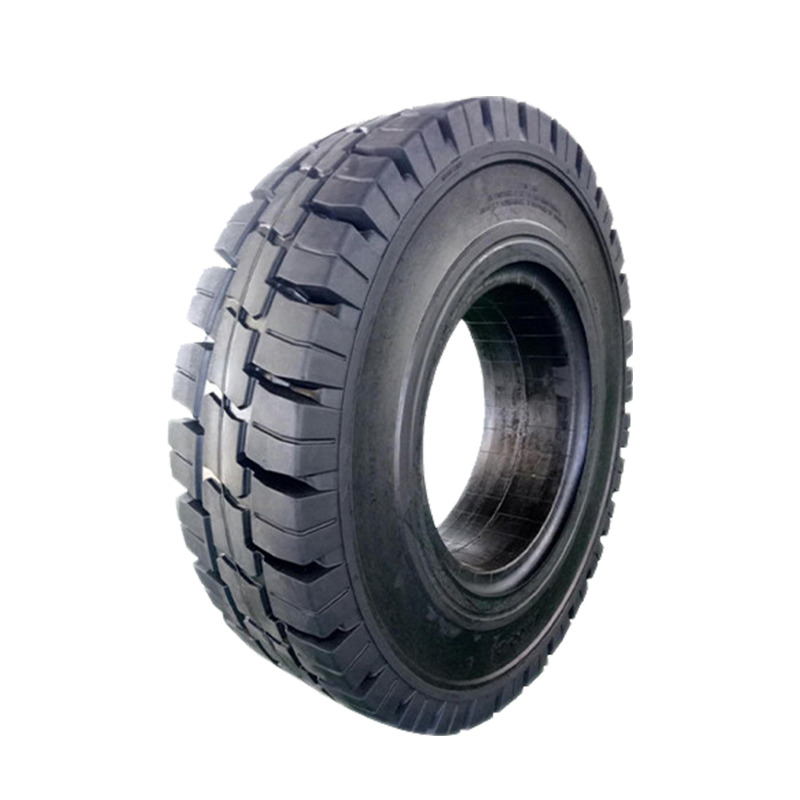
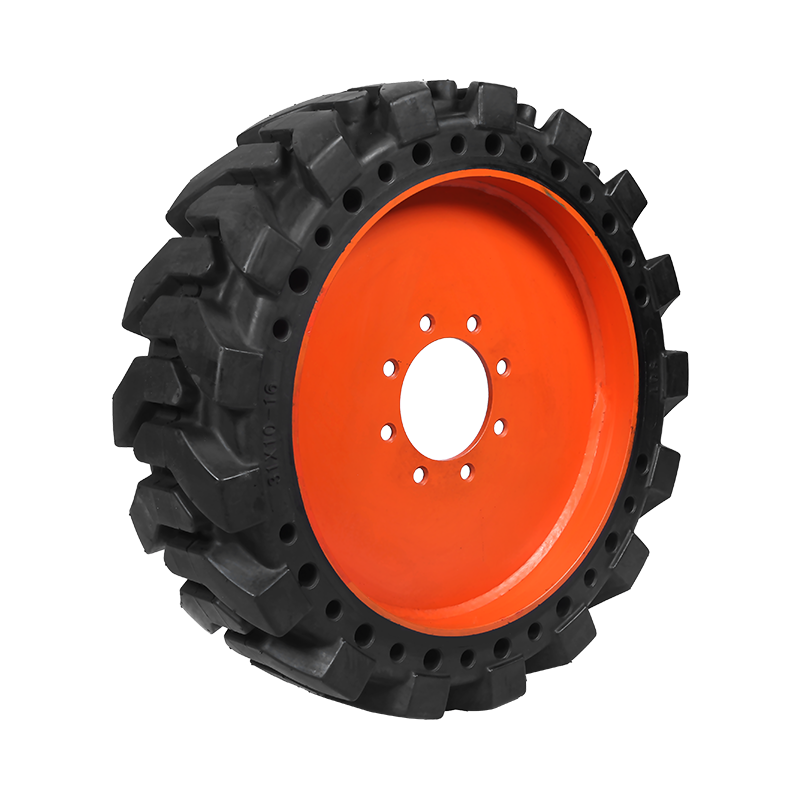
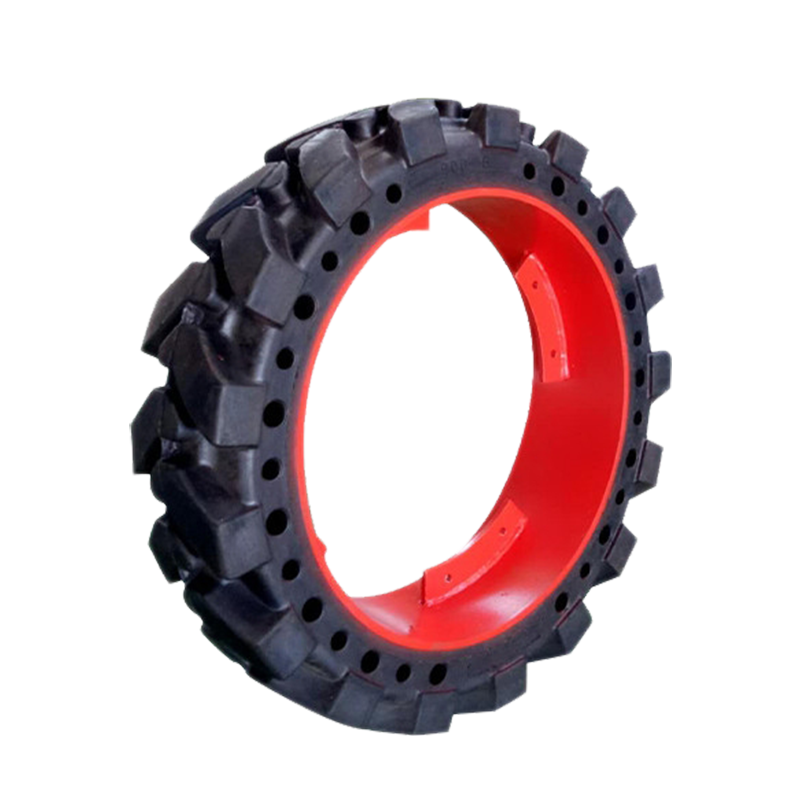
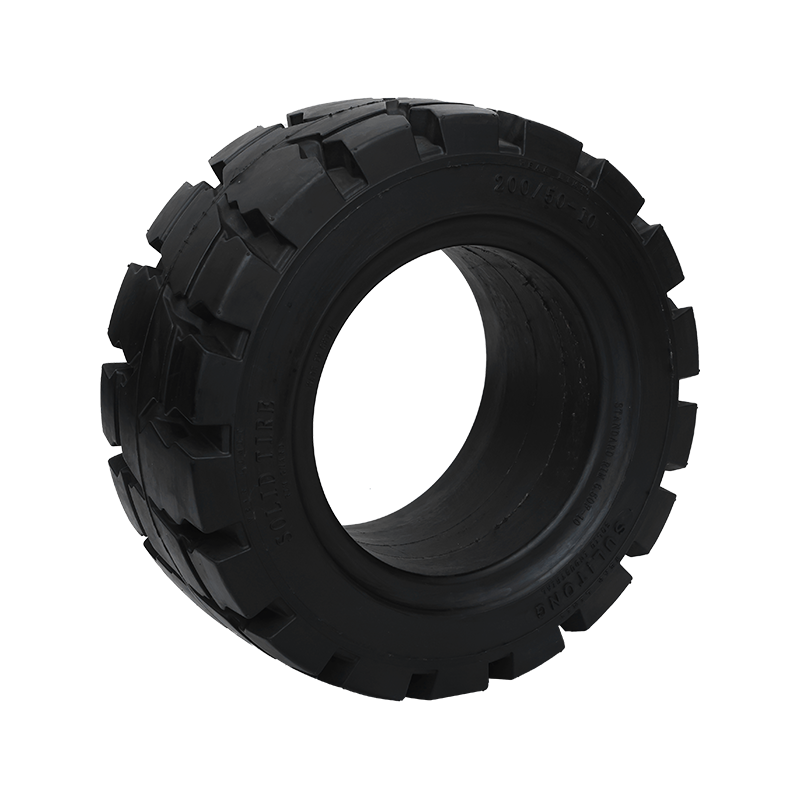
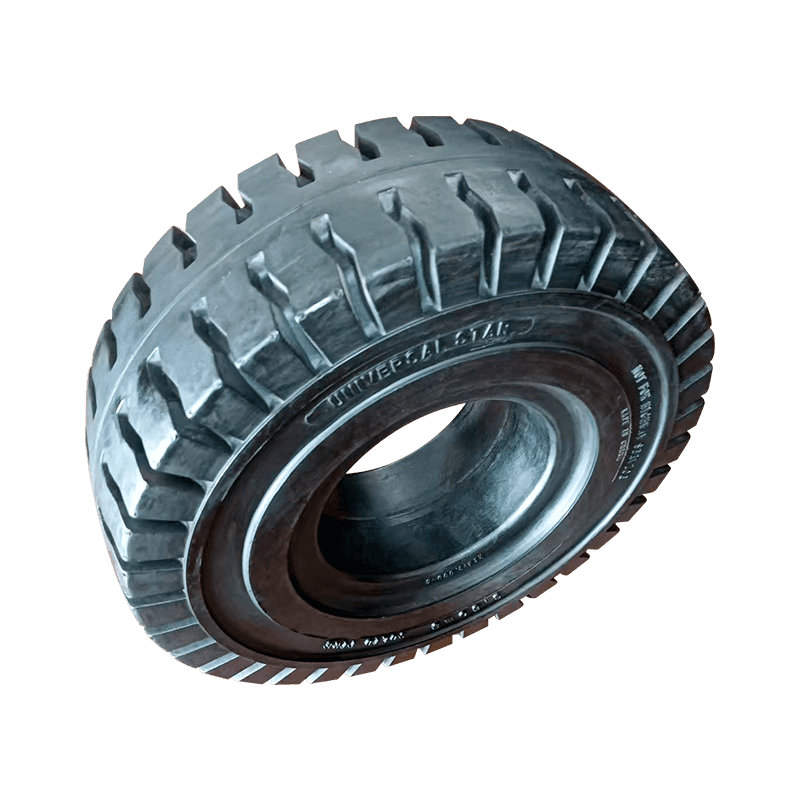
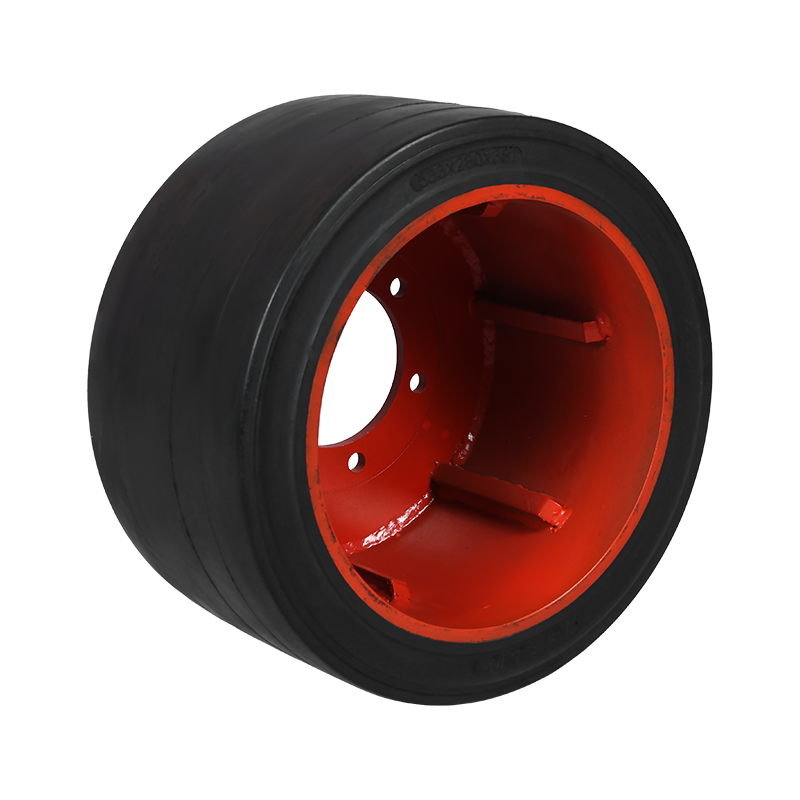
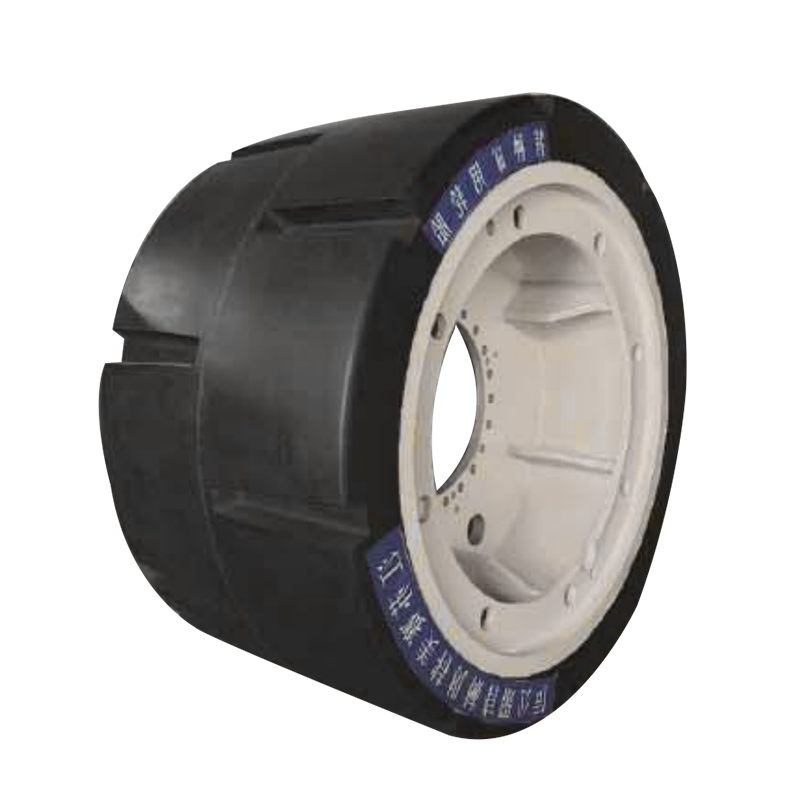
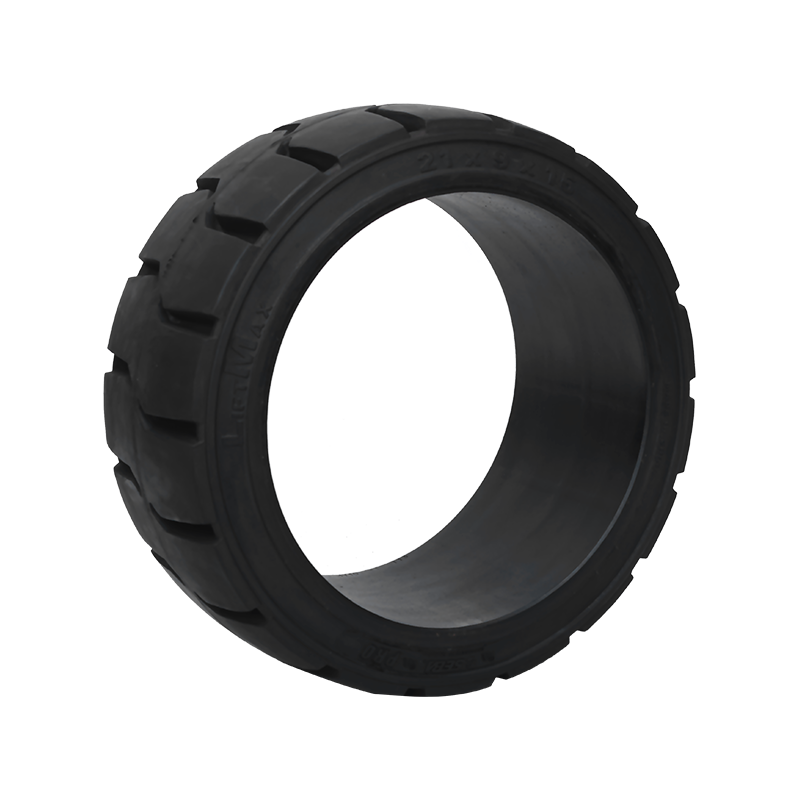
Wheel loader tires generally fall into a handful of categories based on tread pattern and construction, each designed to perform best under specific working conditions. Standard L-2 and L-3 tread patterns are among the most common, offering a balance of traction and wear resistance suited to general-purpose loader work on dirt, gravel, and mixed surfaces. Smooth or solid tires, by contrast, are built specifically for environments with heavy debris, such as scrap yards or demolition sites, where puncture resistance matters far more than traction on loose ground.
Common Tread Types and Their Best Use Cases
| Tread Type | Best Suited For |
| L-2 (Rock pattern) | General earthmoving, mixed dirt and gravel surfaces |
| L-3 (Traction pattern) | Softer ground, improved grip on loose material |
| L-4 (Smooth/Deep tread) | Hard, abrasive surfaces like quarries and rock yards |
| L-5 (Extra deep tread) | Heavy-duty rock handling and underground mining applications |
| Solid rubber | Scrap yards, demolition, and high-debris environments |
Pneumatic vs Solid Wheel Loader Tires: Which One Fits Your Operation
One of the biggest decisions in selecting wheel loader tires comes down to choosing between air-filled pneumatic tires and solid rubber alternatives. Pneumatic tires remain the most common choice across general construction and earthmoving applications, since they offer a smoother ride, better shock absorption, and lower rolling resistance, which in turn helps with fuel efficiency over long shifts. The tradeoff is vulnerability to punctures, especially in environments with sharp debris like rebar, broken glass, or jagged scrap metal, where a single puncture can mean unexpected downtime.
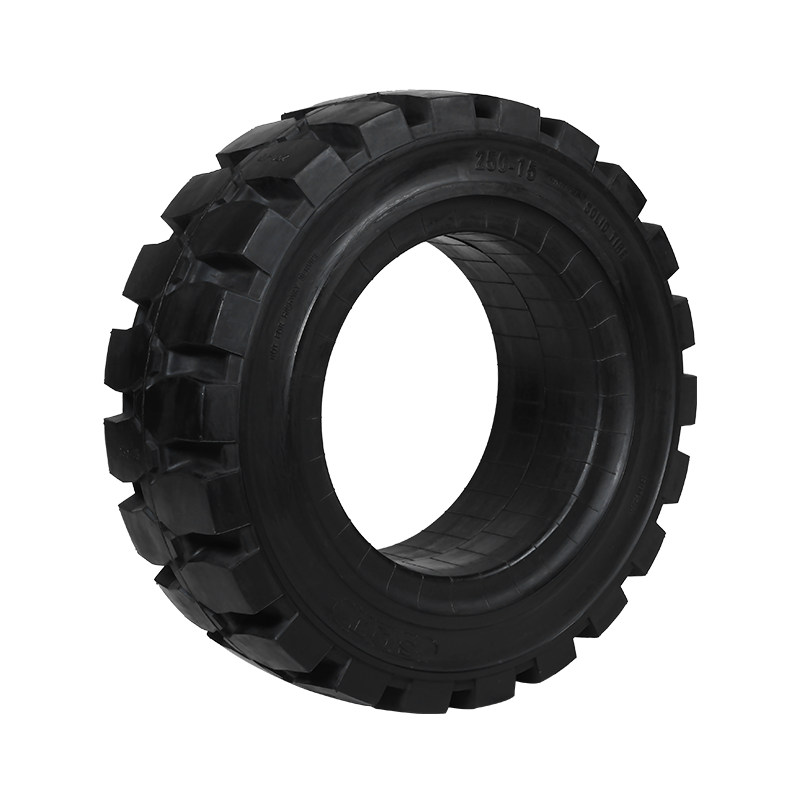
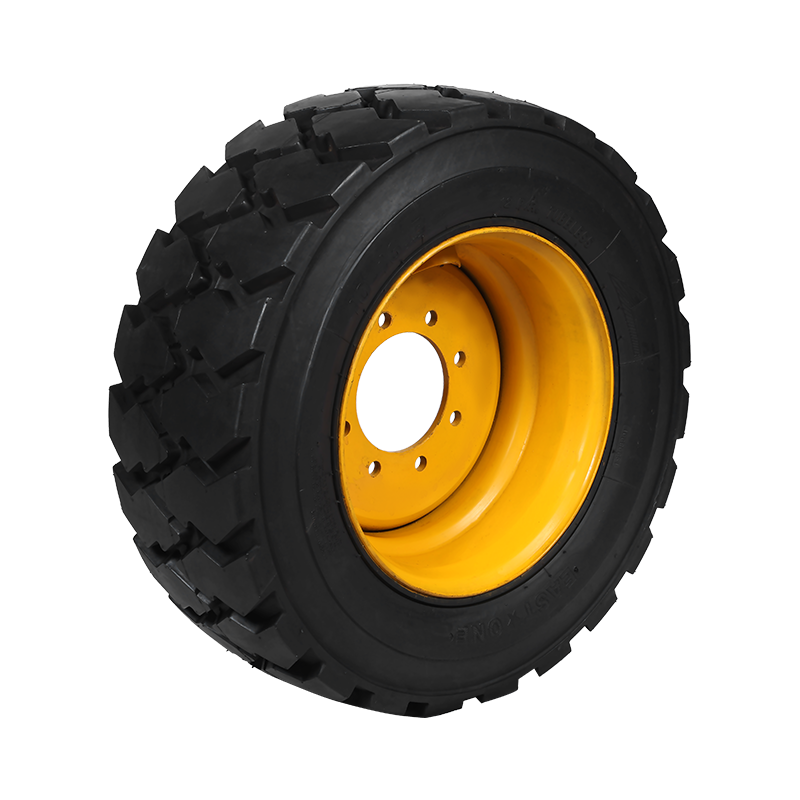
Solid tires eliminate the puncture risk entirely, making them the preferred choice in scrap handling, demolition, and other high-hazard environments where flat tires would otherwise be a near-constant problem. However, solid tires transmit more vibration to the operator and the machine itself, which can accelerate wear on other components over time and make for a rougher ride during long shifts. Many fleet managers choose to run pneumatic tires on machines working in cleaner conditions and reserve solid tires specifically for loaders dedicated to debris-heavy tasks.
Quick Comparison of Pneumatic and Solid Options
- Pneumatic tires offer a smoother ride and better fuel efficiency on clean surfaces
- Solid tires eliminate puncture risk entirely in high-debris environments
- Pneumatic tires generally cost less upfront but carry ongoing puncture repair risk
- Solid tires transmit more vibration, which can increase wear on other machine components
- Foam-filled pneumatic tires offer a middle-ground option, reducing puncture risk while keeping some ride comfort
Reading the Numbers: Understanding Wheel Loader Tire Sizing and Ratings
Tire sidewalls carry a string of numbers and letters that look intimidating at first but actually communicate everything needed to confirm a proper fit and load rating. The size designation typically includes the tire's width, aspect ratio, and rim diameter, while a separate ply rating or load index indicates how much weight the tire is designed to carry safely. Matching these specifications exactly to your loader's manufacturer recommendations is critical, since an undersized or under-rated tire can fail prematurely under the machine's actual operating weight, especially when carrying full buckets repeatedly throughout a shift.
Key Specifications to Check Before Buying
- Tire size matching your loader's manufacturer specifications exactly
- Ply rating or load index sufficient for your typical operating weight and bucket loads
- Tread pattern suited to the dominant surface conditions on your job site
- Recommended inflation pressure, since incorrect pressure accelerates uneven wear
- Manufacturer warranty terms and expected tread life under similar working conditions
Maintenance Habits That Extend Tire Life
Even the best wheel loader tires won't reach their full service life without consistent maintenance. Checking inflation pressure regularly is one of the simplest and most impactful habits, since underinflated tires wear unevenly along the edges and generate excess heat, while overinflated tires become more vulnerable to cuts and impact damage from sharp debris. Rotating tire position periodically, where the machine's configuration allows it, also helps distribute wear more evenly across the full set rather than concentrating damage on the tires handling the heaviest load.
Operator habits play a bigger role in tire longevity than many fleet managers initially assume. Sharp turns at high speed, excessive spinning when stuck, and repeatedly driving over sharp debris instead of navigating around it all accelerate wear well beyond what normal operation would cause. Training operators to recognize these habits and adjust their approach can meaningfully extend tire life across an entire fleet, often saving far more in replacement costs than the training time itself costs.
Routine Checks Worth Building Into a Maintenance Schedule
- Weekly inflation pressure checks, especially before high-load shifts
- Visual inspection for cuts, embedded debris, or sidewall bulging
- Tread depth measurement to track wear rate and plan replacement timing
- Wheel alignment and balance checks if uneven wear patterns appear
- Operator feedback logs noting any unusual vibration, noise, or handling changes
Knowing When It's Time to Replace Wheel Loader Tires
Recognizing the right moment to replace wheel loader tires before they fail outright saves money and prevents unplanned downtime that disrupts an entire job site. Tread depth is the most straightforward indicator, with most manufacturers providing minimum depth specifications below which traction and load-bearing capacity drop off significantly. Sidewall damage, including deep cuts, bulges, or exposed cords, should never be ignored even if tread depth still looks acceptable, since these issues can lead to sudden blowouts under load.
Uneven wear patterns are also worth investigating promptly rather than simply replacing the affected tire and moving on, since they often point to an underlying alignment, inflation, or operator habit issue that will simply repeat itself on the next set of tires if left unaddressed. Catching and correcting the root cause extends the life of every subsequent tire purchase, turning a recurring expense into a one-time fix.
CONTACT US
-

Email: SMT001@saimeite-tyre.com
-

Phone: +86-18451337018No. 1, Renmin South Road, Yandu District, Yancheng City, Jiangsu Province, China