
 English
 한국어
한국어 Français
 Español

Skid Steer Loader Tires: How to Pick the Right Type and Make Them Last
Content
Why Tire Choice Matters More Than You'd Think
Skid steer loader tires take a beating that most other equipment tires never have to deal with. Between constant turning, scraping against curbs, rolling over debris-covered job sites, and supporting heavy attachments, the tires on a skid steer absorb an enormous amount of stress in everyday use. Choosing the wrong type of tire for your application doesn't just shorten its lifespan; it can also affect traction, ride comfort, and even how precisely you can maneuver the machine during delicate tasks like grading or landscaping work.
Because skid steers pivot by turning their wheels in opposite directions rather than using a traditional steering system, the tires experience a unique kind of scrubbing wear that doesn't happen on most other vehicles. This is one of the main reasons skid steer tires wear out faster than people expect, and it's also why selecting the right tire type for your specific job site conditions makes such a noticeable difference in both performance and cost over time.
The Main Types of Skid Steer Tires and Where They Excel
Not all skid steer loader tires are built for the same job. Understanding the core categories helps you match the tire to the work you're actually doing.
Pneumatic Tires
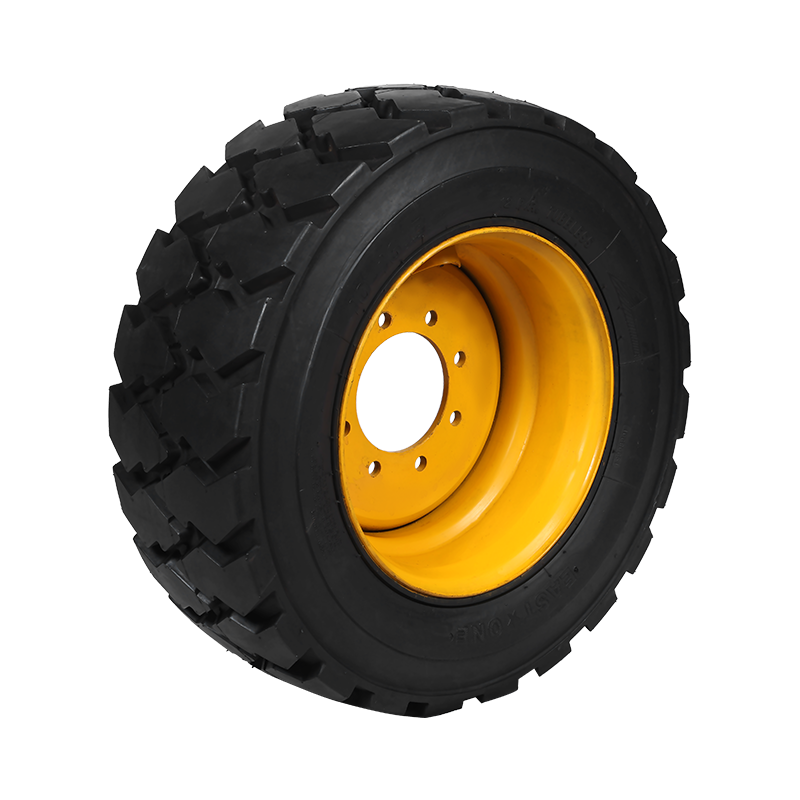
Pneumatic tires are air-filled and offer the smoothest ride of any skid steer tire option, making them a popular choice for operators who spend long hours on the machine or work on relatively clean, debris-free surfaces. They provide good traction and flex naturally over uneven ground, but they're vulnerable to punctures from nails, sharp rocks, and metal debris commonly found on construction and demolition sites.
Solid Skid Steer Tires
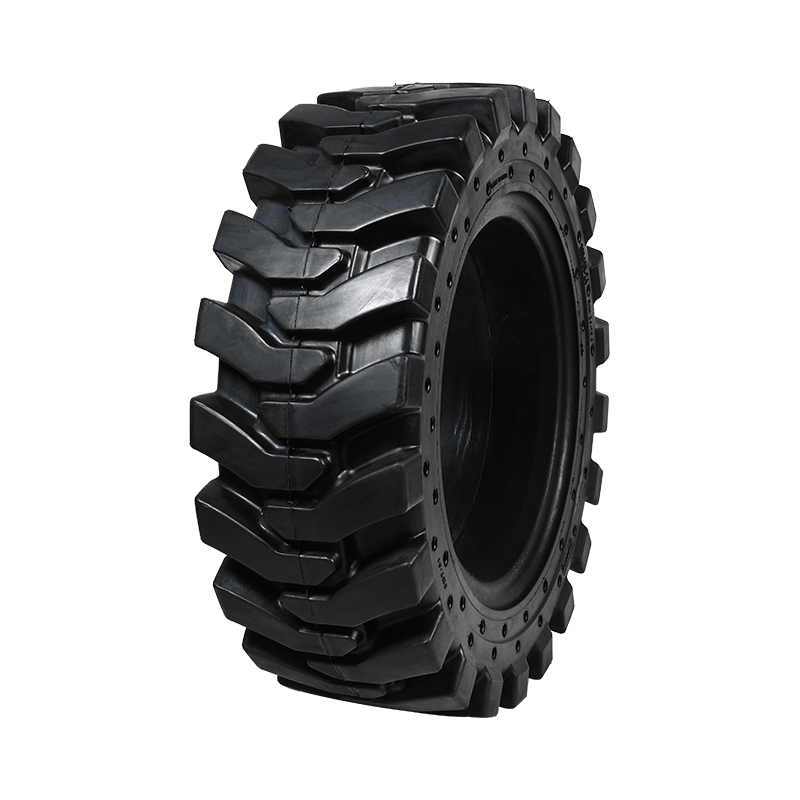
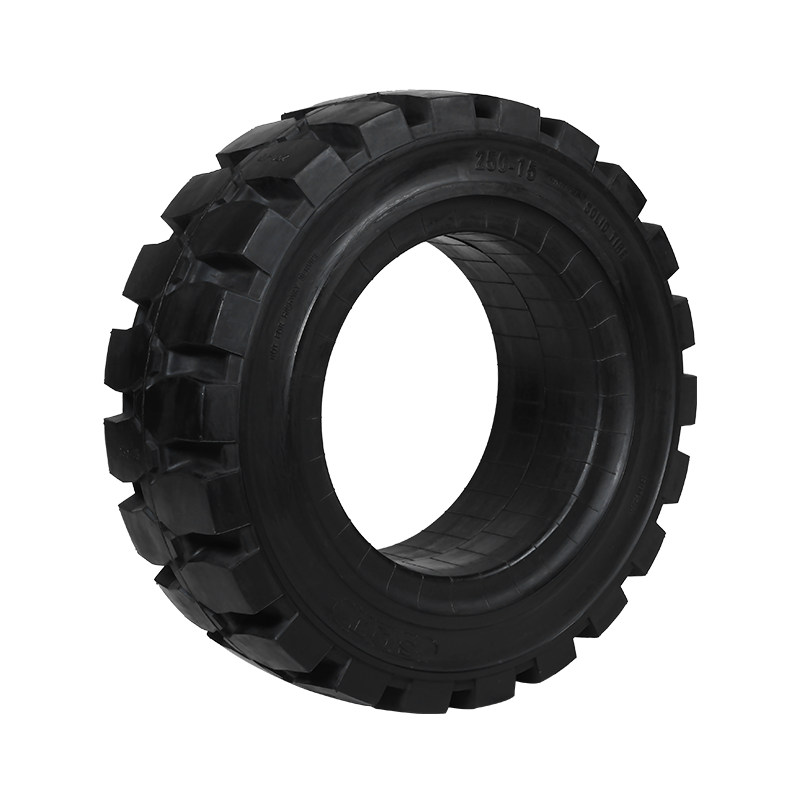
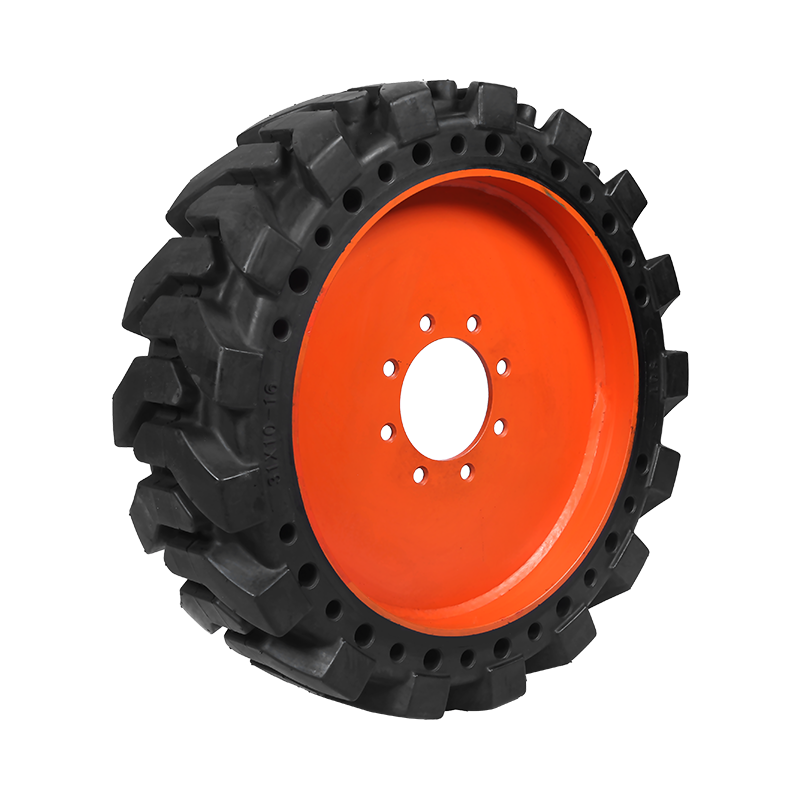
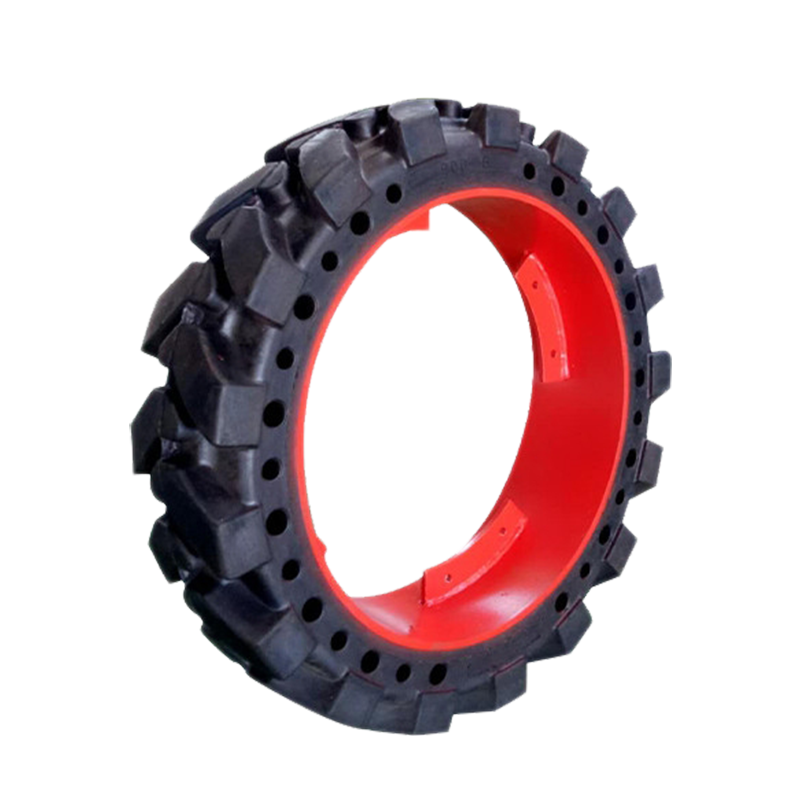
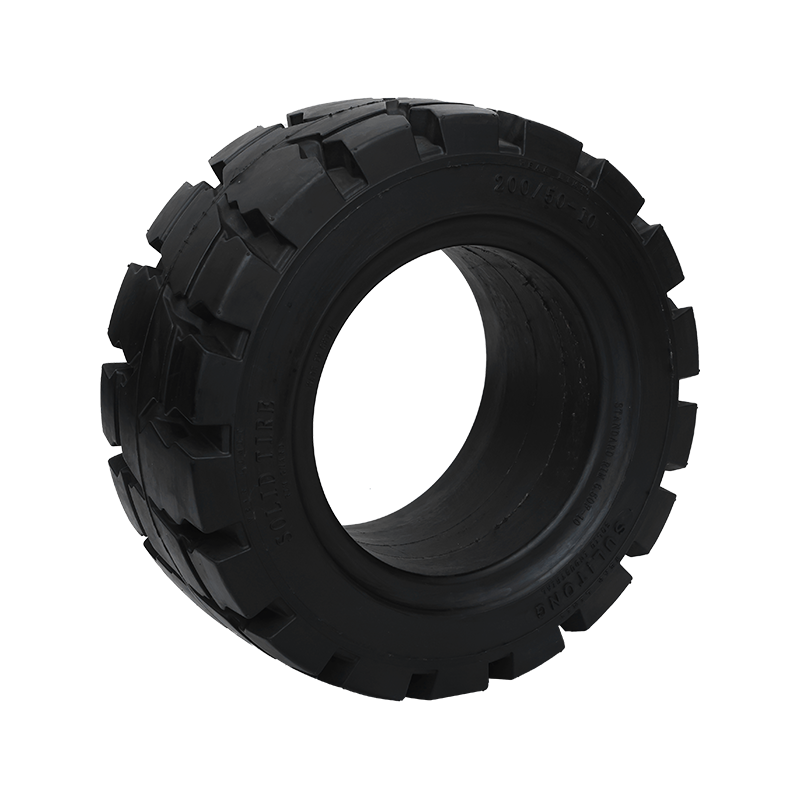
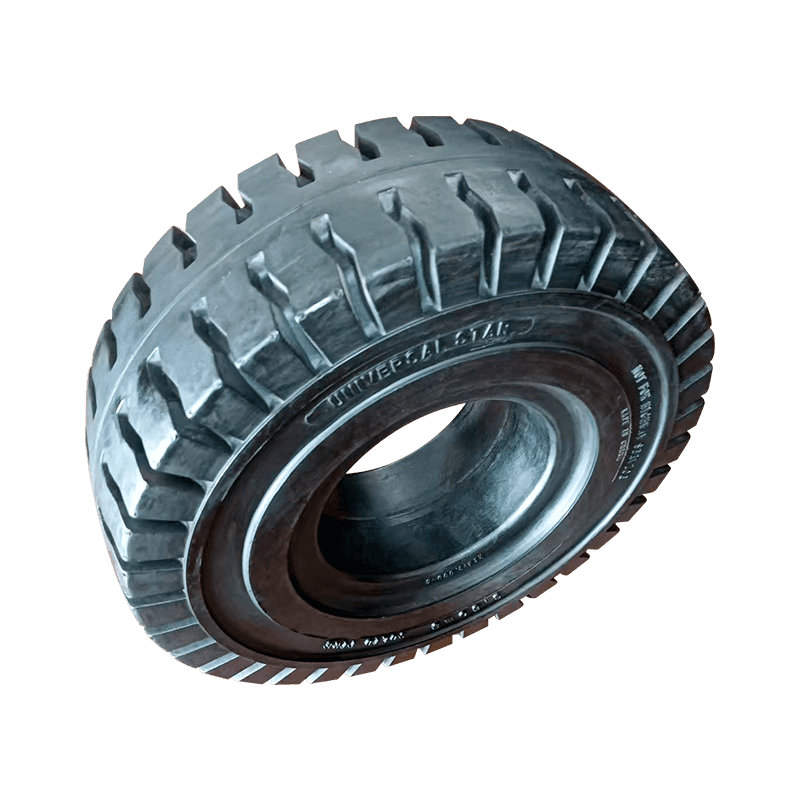
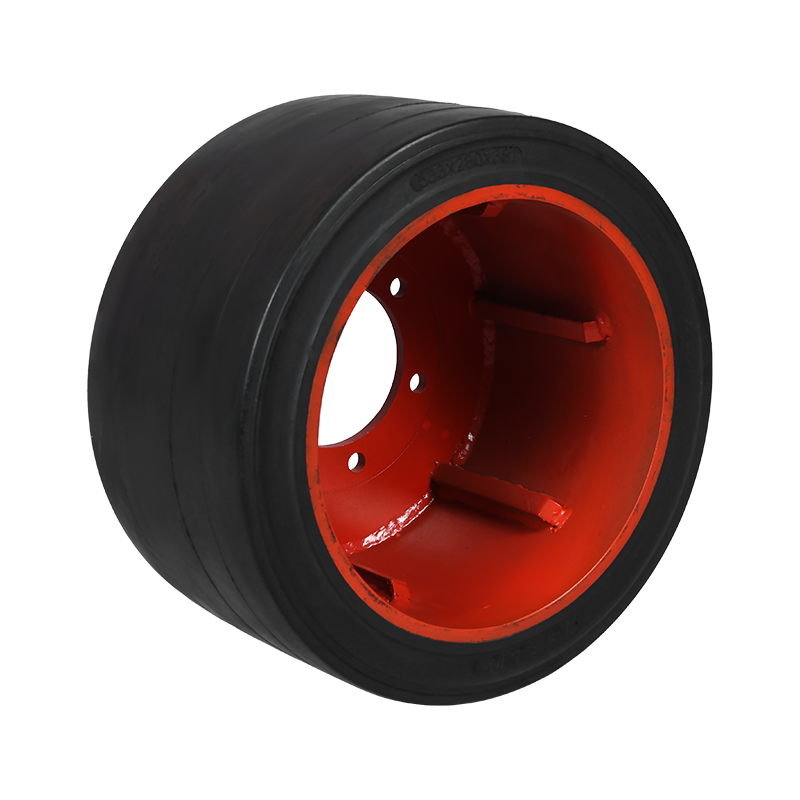
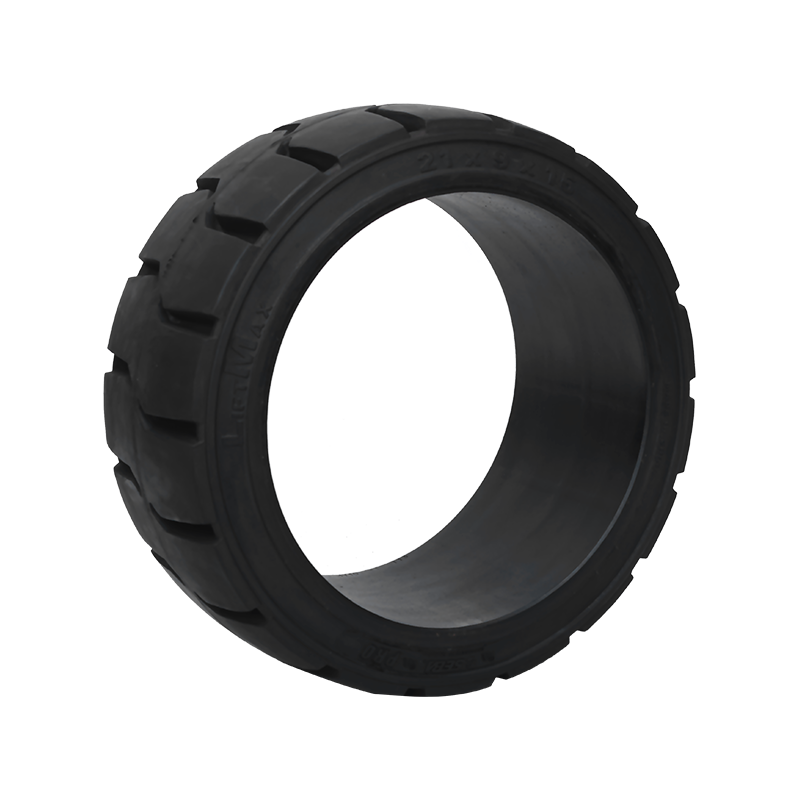
Solid tires are made entirely of rubber with no air chamber, which makes them essentially puncture-proof. This makes them the go-to choice for demolition, scrap yards, recycling facilities, and any job site littered with nails, glass, or sharp metal. The tradeoff is a noticeably stiffer ride, since there's no air cushion to absorb shock from rough terrain.
Foam-Filled Tires
Foam-filled tires start as a standard pneumatic tire that's then injected with polyurethane foam, combining some of the flat-proof reliability of a solid tire with a ride quality closer to a traditional air-filled tire. They're heavier than standard pneumatic tires, which can be an advantage for stability but adds extra strain on the machine's drive components over time.
Heavy-Duty and Severe-Duty Tires
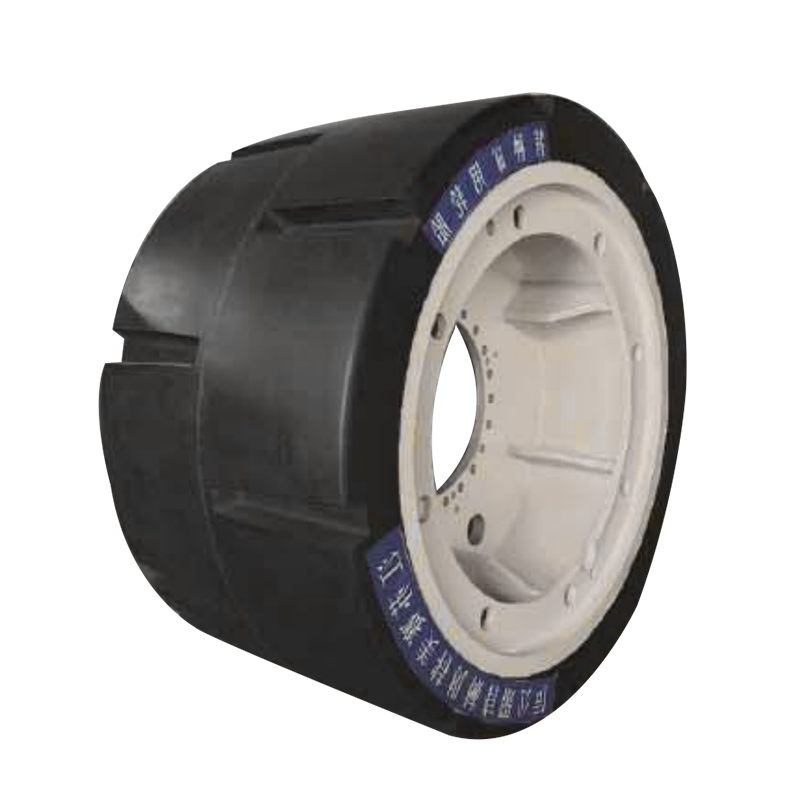
These tires use thicker sidewalls and reinforced rubber compounds designed specifically for harsh environments like rock quarries, mining operations, or job sites with constant exposure to sharp aggregate material. They cost more upfront but resist cuts and chunking far better than standard-duty options.
Matching Tread Pattern to Your Job Site Conditions
Beyond the tire's internal construction, the tread pattern plays a major role in how well a skid steer performs on different surfaces. Choosing the wrong tread for your terrain can lead to excessive wear, poor traction, or unnecessary surface damage.
- Traction-pattern tires feature deep, aggressive lugs designed for mud, loose dirt, and unimproved job sites where grip matters more than smoothness.
- Severe-duty tread tires use heavier rubber and tighter lug spacing to resist cuts and punctures on rocky or debris-heavy terrain.
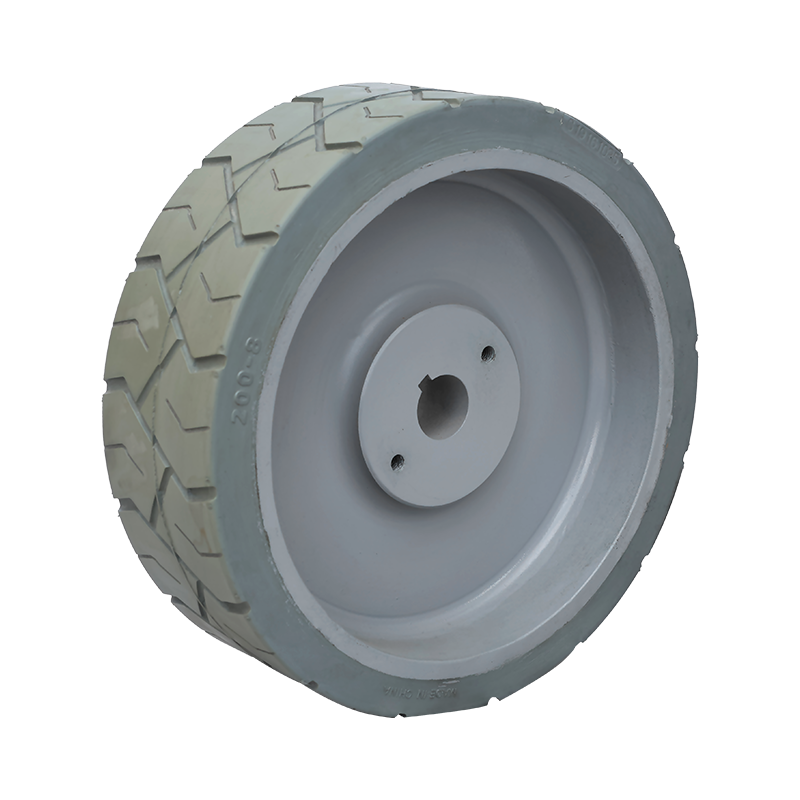
- Smooth or non-marking tires are designed for indoor use or finished surfaces like concrete floors, where standard tread patterns would leave scuff marks or damage the flooring.
- All-purpose tread patterns offer a balance of traction and durability, making them suitable for operators who move between different job sites regularly rather than working in one consistent environment.
If your skid steer regularly switches between different environments, such as moving from a gravel yard to a finished warehouse floor, it's worth considering a second set of wheels with a different tread pattern rather than trying to find one tire that compromises on both surfaces.
Understanding Skid Steer Tire Sizing
Skid steer tire sizes are typically labeled with a format that tells you the tire's width, aspect ratio, and rim diameter, similar to how passenger vehicle tires are labeled. Getting the size right is essential, since an incorrectly sized tire can throw off ground clearance, stability, and even the accuracy of the machine's load capacity ratings.
| Skid Steer Size Class | Common Tire Size |
| Compact / mini skid steer | 10x16.5 |
| Small frame skid steer | 10-16.5 to 12-16.5 |
| Medium frame skid steer | 12-16.5 to 14-17.5 |
| Large frame skid steer | 14-17.5 to 15-19.5 |
Always check your specific machine's manual or the existing tire sidewall for the exact size rating, since manufacturers can vary slightly even within the same general frame size class.
Signs Your Skid Steer Tires Need Replacement
Knowing when to replace skid steer loader tires before they fail can prevent unplanned downtime and avoid further damage to the machine's drive motors and wheel components.
- Tread depth worn down to less than 1/8 inch, which significantly reduces traction and increases slippage during turns.
- Visible cracking or dry rot in the sidewall, often caused by prolonged sun exposure or age, even on tires with relatively low hours.
- Chunking, where pieces of rubber tear away from the tread, typically from sharp impacts or excessive heat buildup.
- Uneven wear across the tire's surface, which can indicate alignment issues or a problem with the machine's drive system rather than the tire itself.
- Frequent air loss in pneumatic tires, suggesting a slow leak or sidewall damage that's no longer repairable with a simple patch.
Catching these signs early and replacing tires proactively, rather than waiting for a complete failure, helps avoid the kind of mid-job breakdown that can stall an entire crew's schedule.
Tips to Extend the Life of Your Skid Steer Tires
A few simple habits can meaningfully extend how long your skid steer tires last, especially given how much scrubbing wear they endure during normal operation.
Minimizing unnecessary pivot turns, especially on abrasive surfaces like concrete or asphalt, reduces the scrubbing action that wears down tread far faster than straight-line driving. Keeping pneumatic tires properly inflated according to the manufacturer's recommended pressure prevents uneven wear patterns and reduces the risk of sidewall damage from running underinflated. Rotating tires periodically, especially on machines that consistently turn in one direction more than the other due to job site layout, helps even out wear across all four tires rather than concentrating it on one or two. Finally, inspecting tires regularly for embedded debris like nails or sharp metal fragments allows you to address small punctures before they turn into bigger, more expensive problems.
CONTACT US
-

Email: SMT001@saimeite-tyre.com
-

Phone: +86-18451337018No. 1, Renmin South Road, Yandu District, Yancheng City, Jiangsu Province, China