
 English
 한국어
 Français
 Español


Forklift Pneumatic Tires: Air-Filled vs Solid Rubber, Selection and Care Guide
Pneumatic forklift tires are the familiar air-filled tires you see on counterbalance trucks working outdoor yards, gravel lots, and loading docks. They look a lot like small truck tires, with thick rubber, a deep tread, and a sidewall that flexes under load. That flex is the whole point: it softens the ride, helps the tire float over uneven ground, and gives the truck traction when the surface turns loose or wet.
But “pneumatic forklift tire” is not a single product. You will meet air-filled pneumatics, solid pneumatics, foam-filled pneumatics, and cushion or press-on tires that often get grouped into the same conversation. Each one solves a different problem. The trick is to match the tire to the load, the floor, the duty cycle, and the cost of downtime, not just to the size stamped on the sidewall.
Content
- 1 Pneumatic, Solid Pneumatic, Foam-Filled, or Cushion?
- 2 Where Air-Filled Pneumatic Tires Earn Their Keep
- 3 Sizing, Load, and Inflation: The Details That Bite
- 4 Tread and Compound Choices Matter More Than You Think
- 5 Practical Maintenance for Longer Tire Life
- 6 How to Compare Quotes and Avoid Costly Swaps
- 7 A Few Final Field Notes
Pneumatic, Solid Pneumatic, Foam-Filled, or Cushion?
In everyday warehouse language, “pneumatic” usually means air-filled. That is the classic black tire with a valve stem, deep tread, and a flexible sidewall. It is comfortable for the operator, forgiving on rough ground, and generally good at keeping the truck moving over gravel, dirt, and mixed outdoor surfaces. The trade-off is that air can leak, sidewalls can be cut, and a sharp piece of scrap can turn a productive shift into a tire change.
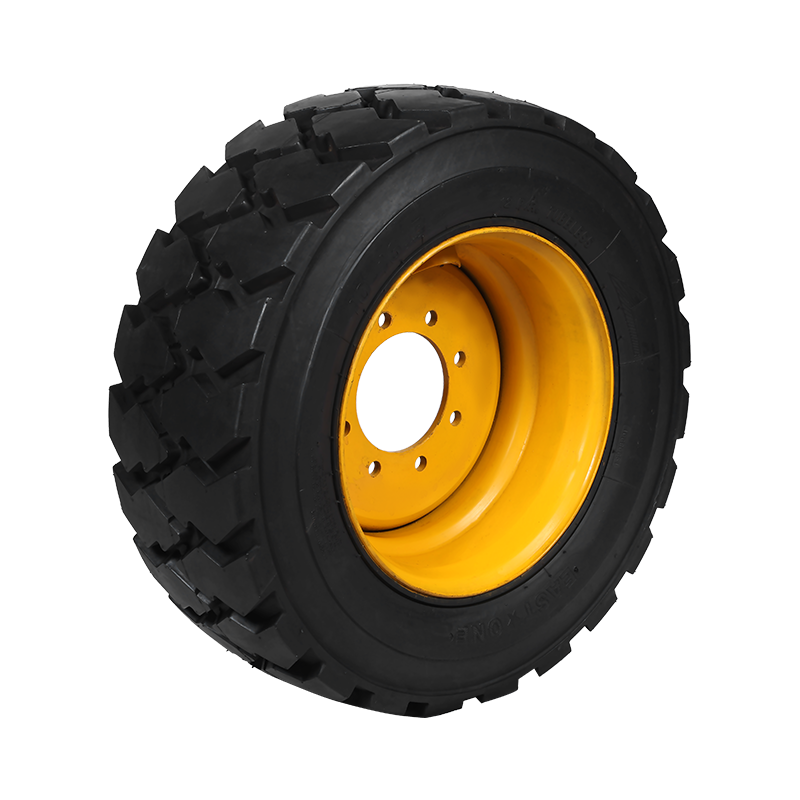
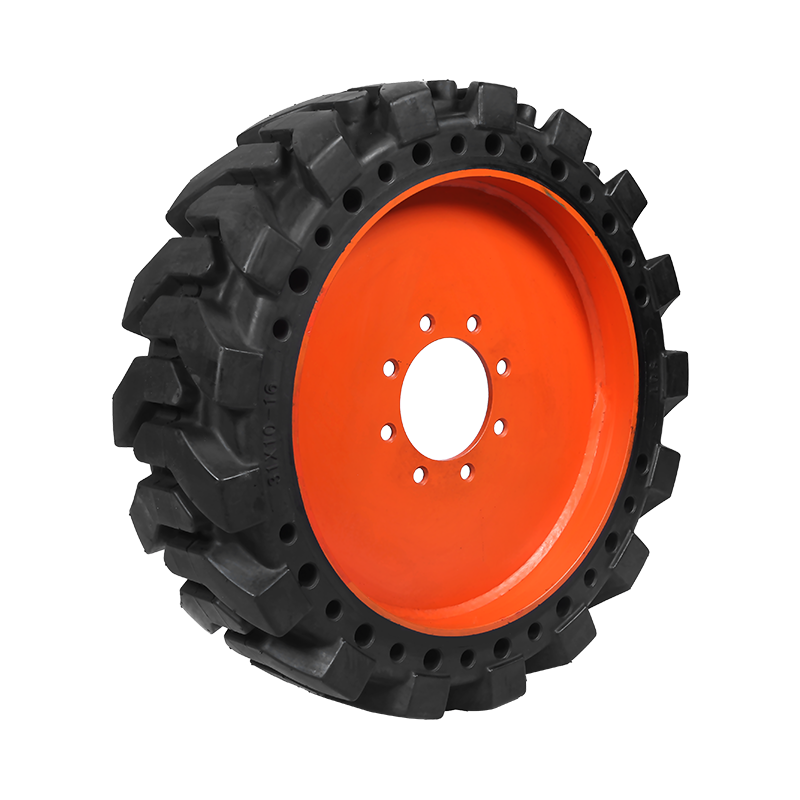
A solid pneumatic tire is a different animal. It uses solid rubber in a shape that resembles a pneumatic tire, so it still has useful ground clearance and a familiar profile, but there is no air to lose. It is heavier and stiffer, and it can build more heat during long runs. In exchange, it shrugs off punctures and works well in debris-heavy yards, scrap operations, and construction sites where flat tires are a recurring cost.
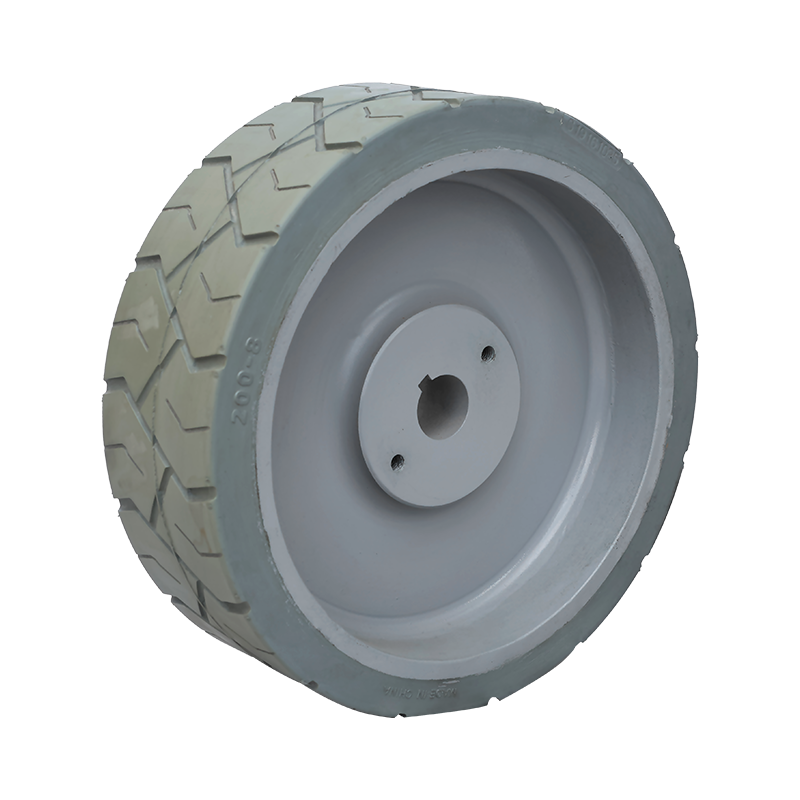
Foam-filled tires sit between those ideas. A pneumatic casing is filled with foam, so the tire keeps a pneumatic shape but cannot go flat in the usual sense. That makes it popular in demolition, recycling, and rough industrial sites. The downside is weight, a firmer ride, and the fact that foam damage is not something you fix with a patch kit. Cushion and press-on tires are the indoor specialists: low-profile, solid, and stable on smooth concrete, with little sidewall flex for tight aisles and clean warehouses.
At a glance
| Type | How it works | Best fits | Main trade-off |
|---|---|---|---|
| Air pneumatic | Air-filled casing with deep tread and a flexible sidewall | Outdoor yards, gravel, dirt, wet or uneven surfaces | Puncture risk, pressure checks, sidewall damage |
| Solid pneumatic | Solid rubber in a pneumatic-style shape | Scrap yards, construction, debris-heavy outdoor work | Harsher ride, more heat, heavier assembly |
| Foam-filled | Air casing filled with foam to prevent flats | High puncture risk, rough industrial sites | Heavy, stiff, not easily repaired |
| Cushion or press-on | Low-profile solid rubber pressed or bonded to the wheel | Smooth indoor floors, tight aisles, clean warehouses | Poor on rough ground, little cushioning |
The table is only a starting point. A tire that feels perfect in one yard can be a costly mistake in another, especially when the truck is asked to do two jobs on two very different surfaces.
Where Air-Filled Pneumatic Tires Earn Their Keep
Air pneumatics shine when the ground is not friendly. Think gravel yards, dirt lots, dock aprons with potholes, muddy construction entrances, and sites where the forklift has to cross curbs or debris. The sidewall can deflect over small obstacles, and the tread can bite into loose material. On top of that, air-filled tires generally run cooler than solid alternatives at similar speeds, which can matter for trucks that cover distance during a shift.
They are less happy on smooth concrete in a busy warehouse. The larger diameter and softer sidewall can make the truck feel less planted, and tight aisles reward the low profile and stability of a cushion tire. Air pneumatics also dislike sharp scrap, exposed rebar, and careless dock plates. A slow leak is easy to ignore until the sidewall is ruined, and a pinch cut can end a tire long before the tread is worn out. If your operation mixes indoor and outdoor work, a solid pneumatic or foam-filled tire may be the more practical compromise.
If you are still mapping the category, this guide to the different forklift tire types is a useful companion before you compare quotes.
Sizing, Load, and Inflation: The Details That Bite
Forklift tire sizes can look cryptic, but they are not random. A size such as 6.50-10 tells you the section width and rim diameter, while a size such as 28x9-15 gives outside diameter, width, and rim diameter in a different format. Two tires with the same footprint can still differ in ply rating, load capacity, tread depth, and speed rating. That is why “it fits the wheel” is not the same as “it suits the truck.”
Load is not just about the tire. It is about the truck, the load center, the attachment, and the way the operator works. A data plate capacity is measured under specific conditions; add a side shifter, a long load, or a soft floor, and the real margin can shrink quickly. Before you change tire construction, check the axle load and the tire load chart. Moving from an air pneumatic to a solid or foam-filled tire can change ride, weight, and capacity, so the conversion needs a proper check rather than a hopeful guess.
- Match outside diameter, section width, and rim diameter to the original specification.
- Confirm the load rating at the actual axle load, not the truck’s headline capacity.
- Check wheel type, offset, valve style, and whether the assembly is tube or tubeless.
- Verify speed, duty cycle, and ambient conditions with the tire supplier.
For air pneumatics, inflation is a maintenance item, not a one-time setup. Check pressure when the tire is cold and use the manufacturer’s figure for the application. Underinflation causes sidewall flex, heat, and bead damage; overinflation gives a harsh ride and reduces the contact patch. Solid and foam-filled tires remove the pressure check, but they still need inspection for tread chunking, flat spots, loose bonding, and embedded metal.
Tread and Compound Choices Matter More Than You Think
A deep lug tread is not automatically better. Tread design and rubber compound should follow the job. A traction tread with deep lugs can work well in loose dirt, gravel, mud, and snow, but it may be noisy and wear faster on hard concrete. A ribbed or smoother tread is often better for hard floors, trailers, and indoor work where stability and a clean footprint matter. Non-marking compounds are the right call for clean warehouses, food and beverage plants, pharmaceutical spaces, and airport operations where black marks are not acceptable.
- Traction or lug tread: loose ground, gravel, mud, and mixed outdoor surfaces.
- Ribbed or smooth tread: hard floors, trailers, and indoor material handling.
- Non-marking compound: clean floors, food handling, pharma, and airport areas.
- Cut-and-chip resistant compound: scrap yards, demolition, foundries, and debris-heavy sites.
- Heat-resistant compound: long runs, high ambient temperatures, and heavy duty cycles.
Small electric trucks have their own size and load envelope. They often work indoors or on clean concrete, where a low-profile tire and predictable steering matter more than maximum flotation. Our electric mini forklift tires page covers that class of truck, and it is a sensible starting point if you are replacing tires on a compact electric counterbalance machine.
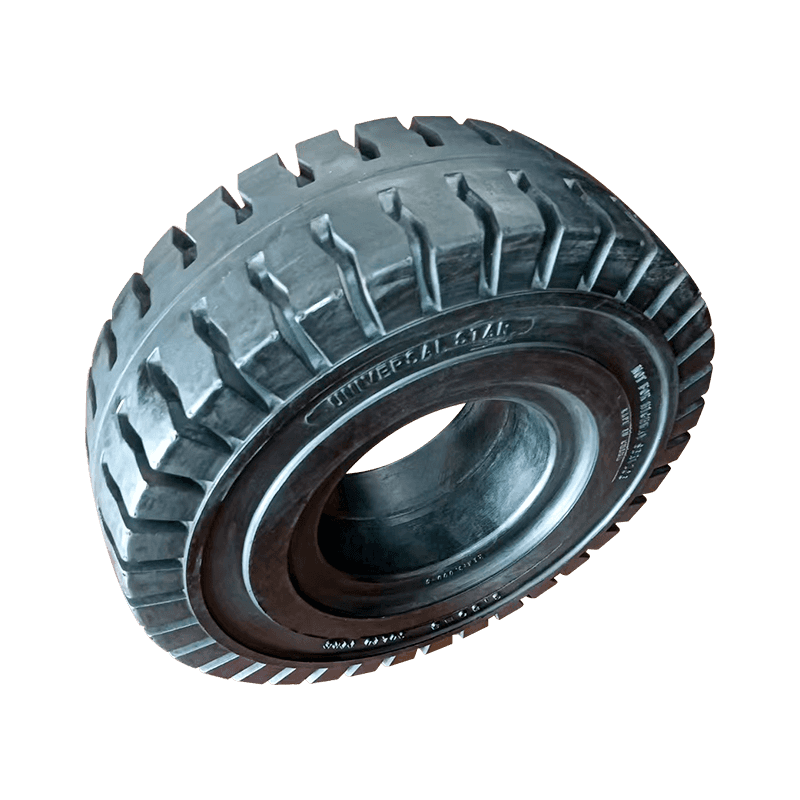 Electric Mini Forklift Tires for Compact Electric TrucksRun-flat tires for electric mini forklifts, with maintenance-free operation and 18 size options for warehouse and demanding outdoor use.View Product →
Practical Maintenance for Longer Tire Life
Most premature tire failures are boring. They start with a slow leak, a cut that nobody logged, a pressure gauge that never came out, or a yard full of sharp scrap. A simple walk-around at the start of each shift catches a lot of trouble before it becomes a breakdown. Look for cuts, bulges, embedded metal, missing valve caps, oil contamination, and uneven wear across the tread. On air pneumatics, check pressure weekly and after any impact.
Keep the floor as clean as the job allows. Remove sharp scrap, broken pallet nails, and loose metal from traffic lanes. Watch for uneven wear that points to alignment, steering, or load distribution problems. Do not ignore a sidewall bubble or a tire that keeps losing pressure; both are warnings, not inconveniences. For solid and foam-filled tires, inspect tread chunking, flat spots, and bond lines. After any wheel service, recheck wheel nuts and confirm the tire is seated correctly before the truck goes back to work.
How to Compare Quotes and Avoid Costly Swaps
The lowest tire price is rarely the lowest cost. A cheap tire that fails early, damages a wheel, or takes a truck out of service for half a shift can cost far more than a better-matched product. When you compare quotes, make sure you are comparing the same size, ply or load rating, tread pattern, compound, and wheel requirement. Ask what the tire is expected to do on your surface and duty cycle, and ask for the load chart rather than a verbal assurance.
- Is the quoted tire the same size and load rating as the original specification?
- Is the tread and compound suited to the actual floor and debris conditions?
- Does the wheel need to change, especially when converting from pneumatic to solid or foam-filled?
- What is the warranty, batch traceability, and expected lead time?
- Has the supplier checked capacity, stability, and ride after the proposed change?
At Saimeite Machinery, we have supplied solid and specialty tires for industrial equipment since 2009, and we have seen how often a small sizing or application detail decides whether a tire performs well or becomes a recurring problem. Our range includes ordinary forklift tires, electric mini forklift tires, and press-on solid tyres, so we can talk through the practical trade-offs rather than push one construction for every job.
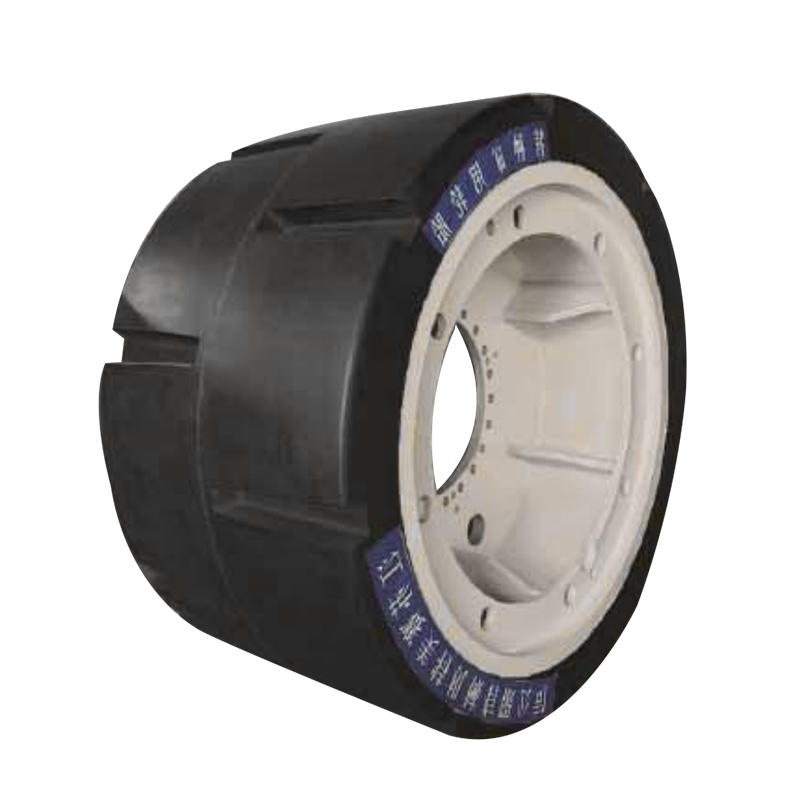
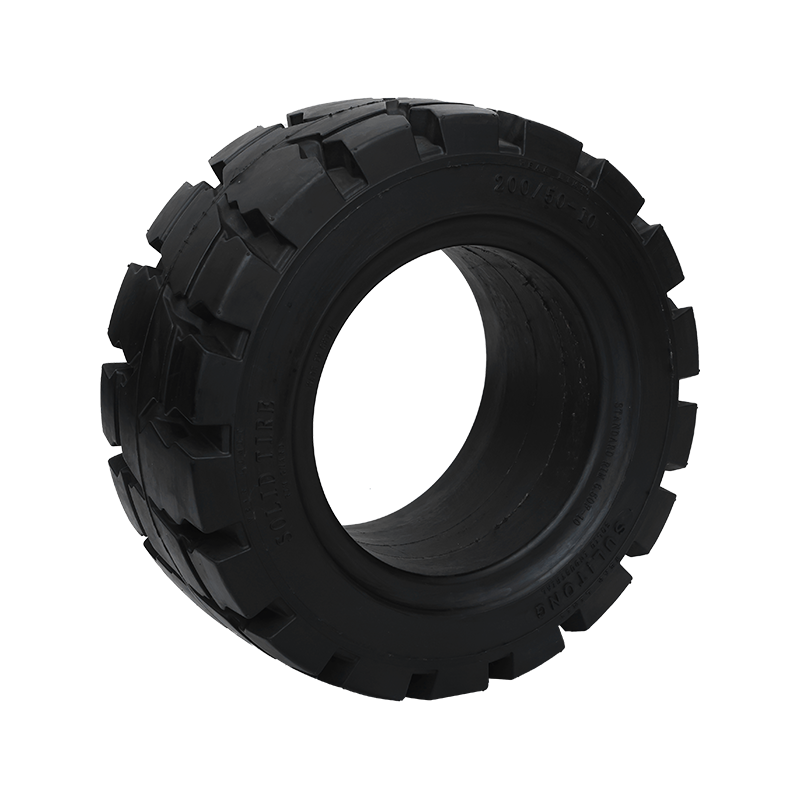 Ordinary Forklift Tires with Three-Layer Solid Rubber ConstructionSolid rubber forklift tires use a wear-resistant tread, elastic cushioning layer, and steel-wire-reinforced base for durability, stability, and reduced maintenance.View Product →
If you want a second set of eyes on a size, load, or surface question, contact our team and send the tire size, truck model, and a photo of the current wear pattern. That small amount of information usually saves a lot of guesswork.
A Few Final Field Notes
If you remember one thing, remember that a forklift pneumatic tire is part of a system: truck, wheel, load, floor, operator, and maintenance. Air-filled pneumatics are a strong choice for uneven outdoor ground and mixed surfaces. Solid pneumatics and foam-filled tires make sense where punctures are a daily risk. Cushion and press-on tires remain the practical answer for smooth indoor floors and tight aisles. Choose for the work the truck actually does, confirm the load and wheel details, and inspect the tires before small damage becomes expensive downtime.
When smooth floors and tight aisles point toward a press-on solid, our press-on solid tyres overview is the place to start.
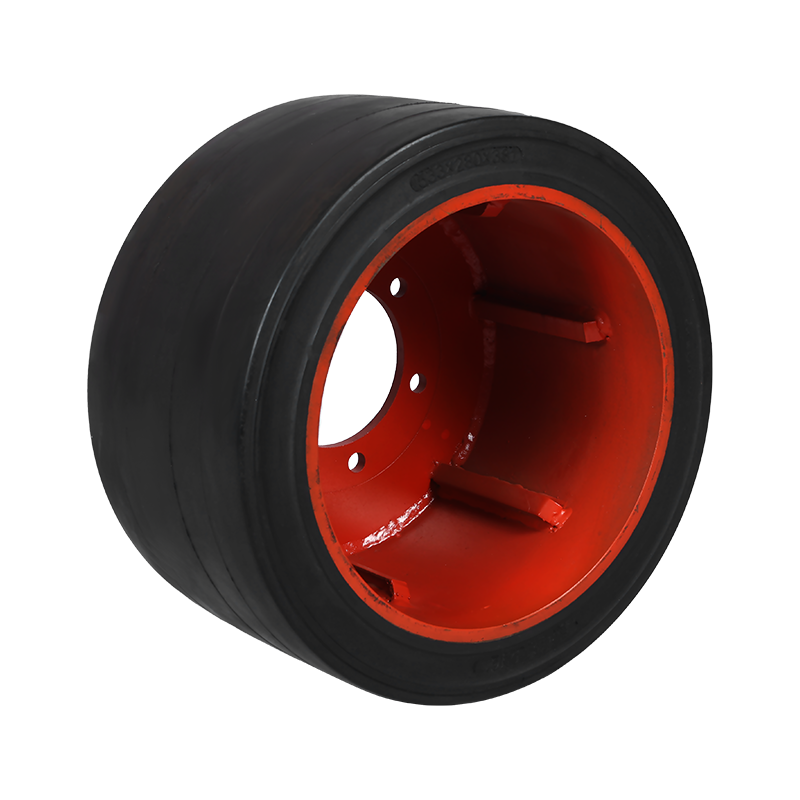
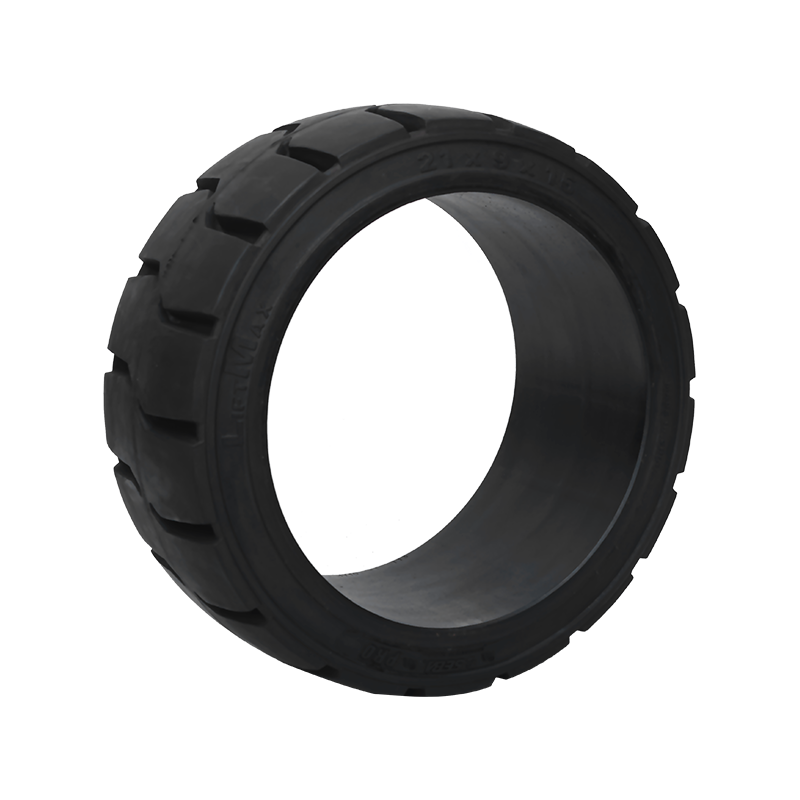 Press-On Solid Tyres for Flat-Road Industrial Material HandlingSteel-rim press-fit solid tires with high-grip, wear-resistant tread and low rolling resistance, offered in many sizes for forklifts and trailers on flat roads.View Product →
CONTACT US
-

Email: SMT001@saimeite-tyre.com
-

Phone: +86-18451337018No. 1, Renmin South Road, Yandu District, Yancheng City, Jiangsu Province, China