
 English
 한국어
 Français
 Español


Forklift Press-On Tires: How Cushion Bands Fit, Wear, and Keep Fleets Moving
A press-on tire looks almost too simple to matter: a ring of solid rubber bonded to a steel band, pressed onto the hub and then forgotten for months. On a busy warehouse floor, though, that plain ring is what keeps a counterbalance truck moving through broken pallets, dropped fasteners, and concrete that is never quite clean. We speak with forklift fleets, rental yards, and equipment builders every week, and the questions about forklift press-on tires are always the same: will it fit my hub, how long will it last, and how do I get it on? Here is what we have learned.
Content
What a Press-On Tire Actually Is
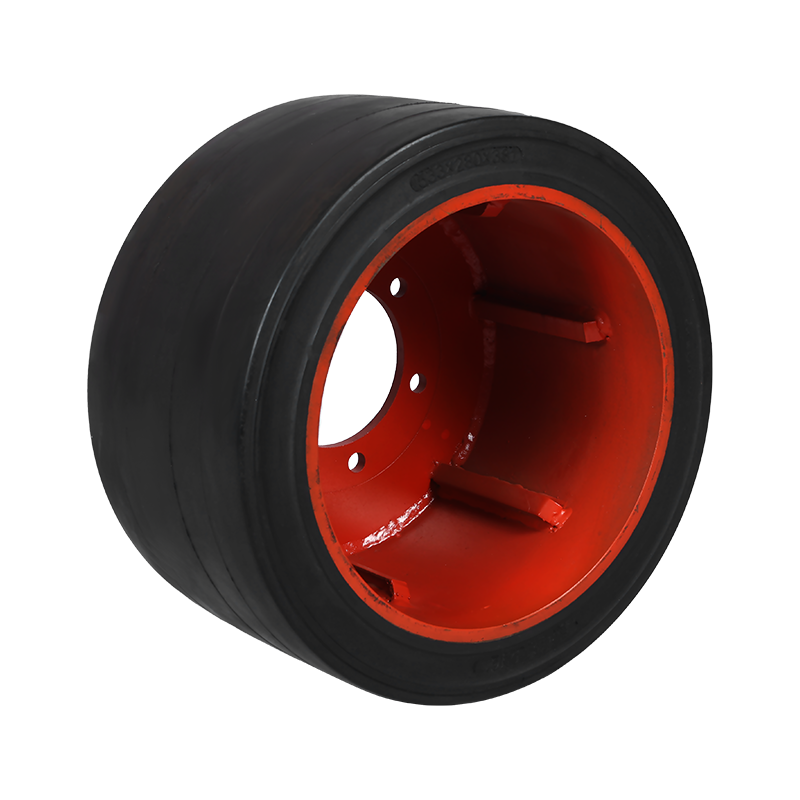
Sometimes called a cushion tire, sometimes a press-on band, this is a solid rubber tire molded and cured directly onto a steel band. There is no air chamber and no tube. The band is pressed onto the forklift hub with a hydraulic press, which is where the name comes from, and it stays there until the tread is worn down and a replacement is fitted.
Because the rubber is solid, the whole assembly is short, noticeably shorter than a pneumatic tire of similar capacity. That lower profile brings a loaded truck's center of gravity down, which matters when a pallet is stacked high in a narrow aisle. Press-on tires are built for exactly that kind of work: high load, low speed, tight turns, and a floor that is swept but never spotless.
Most ranges include smooth treads for clean indoor concrete and lug or traction treads for wet, oily, or ramped surfaces.
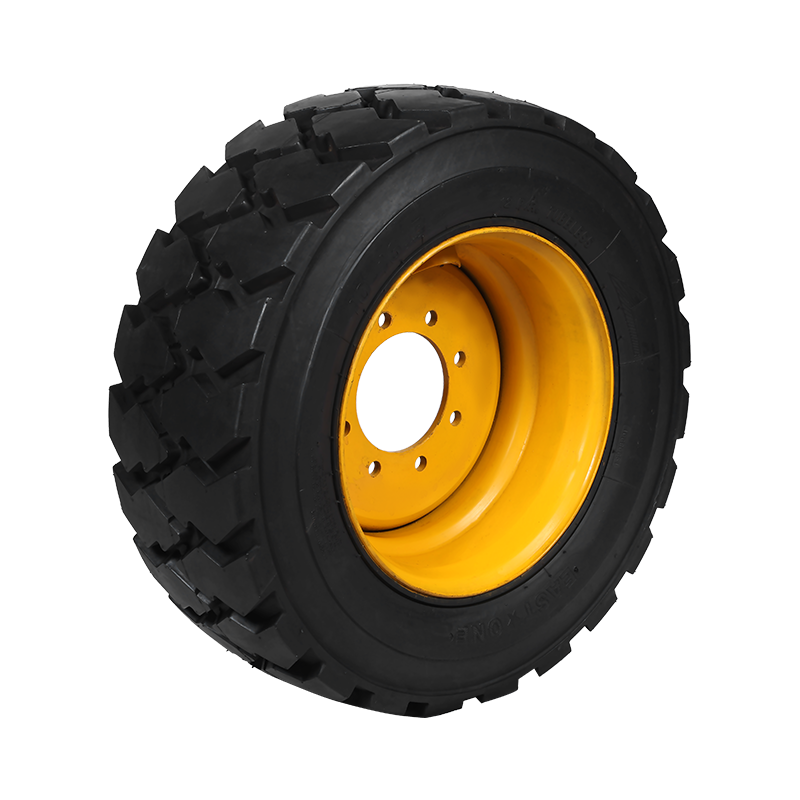
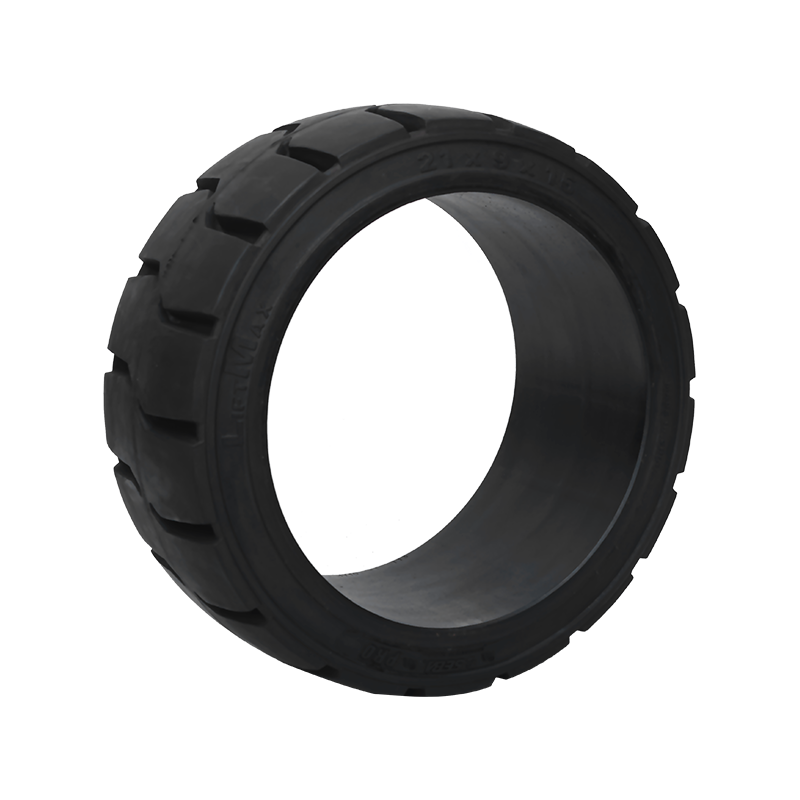 Steel-Rim Press-Fit Solid Tires for Industrial VehiclesPress-fit solid tires with steel rims, high-density wear-resistant tread and strong grip for trailers and industrial vehicles on flat surfaces.View Product →
Why Fleets Keep Choosing Press-On Forklift Tires
If you have ever pulled a nail out of a pneumatic tire during a night shift, the appeal is obvious. The practical reasons our customers give sound like this:
- Puncture-free by design: no air to lose, so a screw on the floor cannot end a shift.
- No pressure maintenance: nothing to gauge, inflate, or argue about between shifts.
- Compact size and stability: a lower tire gives a shorter, steadier truck.
- Predictable wear: the tread goes down slowly and evenly, so replacement can be planned rather than rushed.
None of this makes press-on tires universal. They run hotter over long travel distances, they pass more shock into the chassis on rough ground, and the bands need a press to fit, which is a workshop job rather than a hand-tool one. On a yard with gravel, mud, and long runs, a solid pneumatic tire often makes more sense. If you want a deeper look at those trade-offs, our guide on press-on solid tyres for industrial applications walks through them step by step.
Press-On vs. Solid Pneumatic vs. Pneumatic
Most counterbalance trucks end up with one of three tire types. The differences that matter in daily operation come down to mounting, ride, and where the truck actually works.
| What it affects | Press-on (cushion) | Solid pneumatic | Pneumatic |
|---|---|---|---|
| How it mounts | Pressed onto the hub with a hydraulic press | Bolted to a multi-piece rim | Fitted to a standard rim and inflated |
| Puncture risk | Very low | Very low | High |
| Ride and shock absorption | Firmest | Moderate | Softest |
| Overall height | Lowest | Taller | Tallest |
| Best suited to | Smooth indoor floors, tight aisles, high stacking | Mixed indoor and outdoor yards with debris | Uneven ground and long travel distances |
| Main checks | Tread depth and band seating | Tire and rim condition | Inflation pressure and sidewalls |
Sizing and Tread Choice
Reading the numbers on the band
Press-on tires are sized by outer diameter, tread width, and band diameter. The band diameter is the one that has to match your hub exactly. Measure the hub itself rather than the worn tire, check whether the wheel takes a single band or a dual, and confirm the load rating against the truck's rated capacity at the correct load center. A band that is a few millimeters out will either refuse to seat or run out of true and shake the mast.
Smooth, traction, or non-marking treads
On sealed concrete in a distribution center, a smooth tread gives the largest contact patch and the quietest ride. In yards, cold stores, or on ramps where oil and water collect, a lug pattern earns its place. In food, pharmaceutical, and retail environments, non-marking compounds keep floors free of black streaks; they cost more and wear a little faster, so they belong where the floor finish genuinely matters.
Mixed-duty trucks are the tricky ones. Read the surfaces the truck meets on its worst day, not its easiest, and remember that the front axle on a loaded counterbalance truck does most of the work. Many fleets fit a harder-wearing tread up front and a grippier one at the rear.
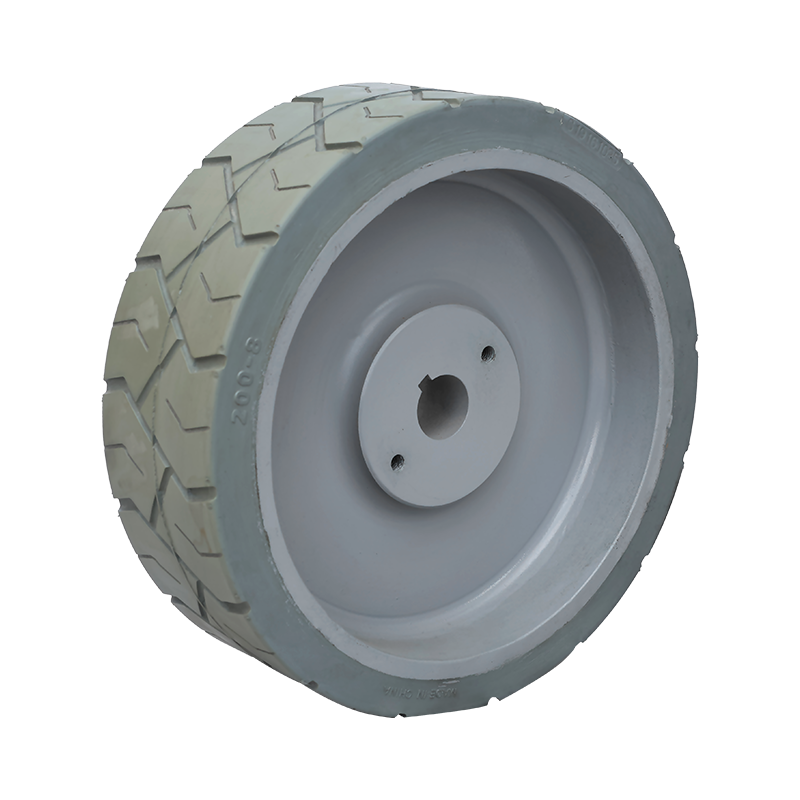
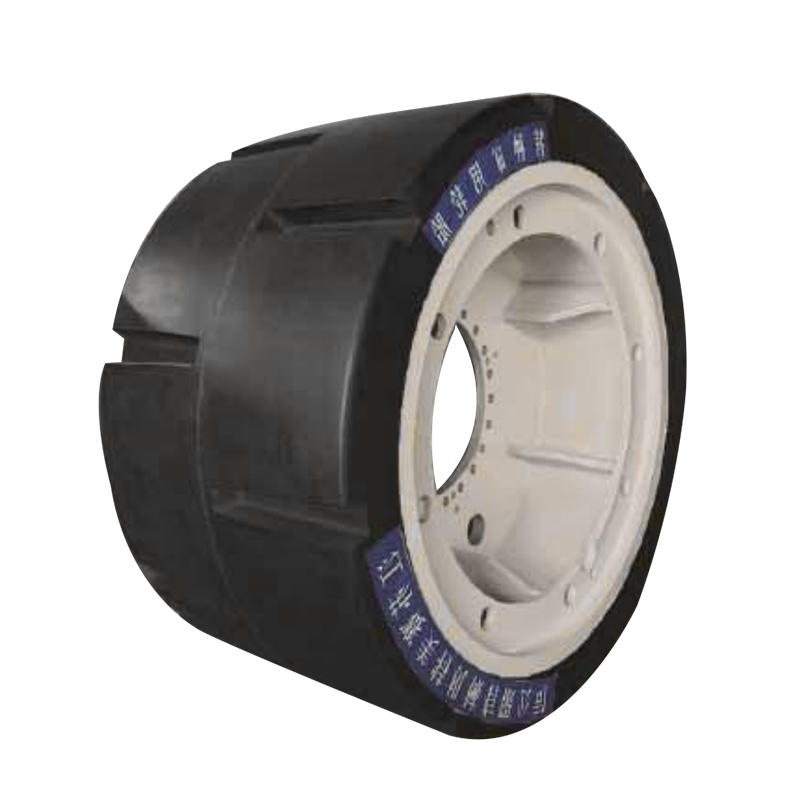
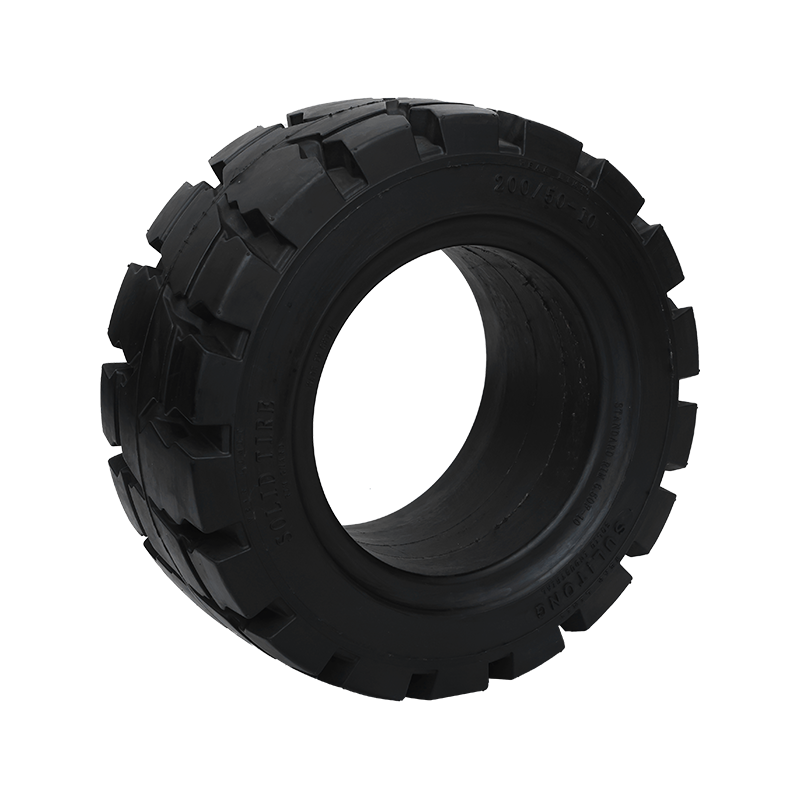 Three-Layer Rubber Forklift Tires for Mixed-Duty OperationsForklift tires with wear-resistant tread, elastic cushioning middle layer and rigid steel-wire base to resist heat, vibration and rim separation in demanding duty.View Product →
Fitting a Band the Safe Way
Press-on work is not difficult, but it is unforgiving of shortcuts. A band that is half seated will fail early and can damage the hub. The sequence we recommend to workshops:
- Park on level ground, block the truck, and lift only the axle you are working on.
- Remove the wheel, then clean rust, grit, and old lubricant from the hub face and band seat.
- Apply an approved mounting lubricant to the band and hub, never grease that will stay slippery.
- Align the band square to the hub, then press it home with the correct hydraulic press and check seating around the full circumference.
- Refit the wheel and torque the nuts to the manufacturer's figure, then re-check the torque after the first shift.
- Run lighter loads and gentler turns for the first few shifts while the band beds in.
Habits That Add Months to Band Life
- Inspect tread and sidewalls weekly; catch chunking before it reaches the band.
- Sweep aisles and yard lanes; small debris causes most of the damage we see.
- Rotate the front and rear tires when wear patterns differ noticeably.
- Avoid spinning the wheels on ramps or wet concrete, which flats a band quickly.
- Store spare bands out of direct sun and away from oil, on a clean flat surface.
- Replace both tires on an axle together so the truck tracks straight.
Working with a Supplier Who Knows Industrial Trucks
We have been making industrial and off-highway tires since the company's early days, and press-on solid bands run on the same equipment as our forklift and aerial platform lines. Our quality system has been certified to ISO 9001 since 2018, and our range also covers shock absorbers, track pads, and steel rims, which helps when a customer needs a complete wheel assembly rather than a tire alone. You can read more about our plant and history if that context is useful.
For small electric trucks and narrow-aisle equipment, the lighter bands in our electric mini forklift range are usually the better match than a full-size counterbalance band.
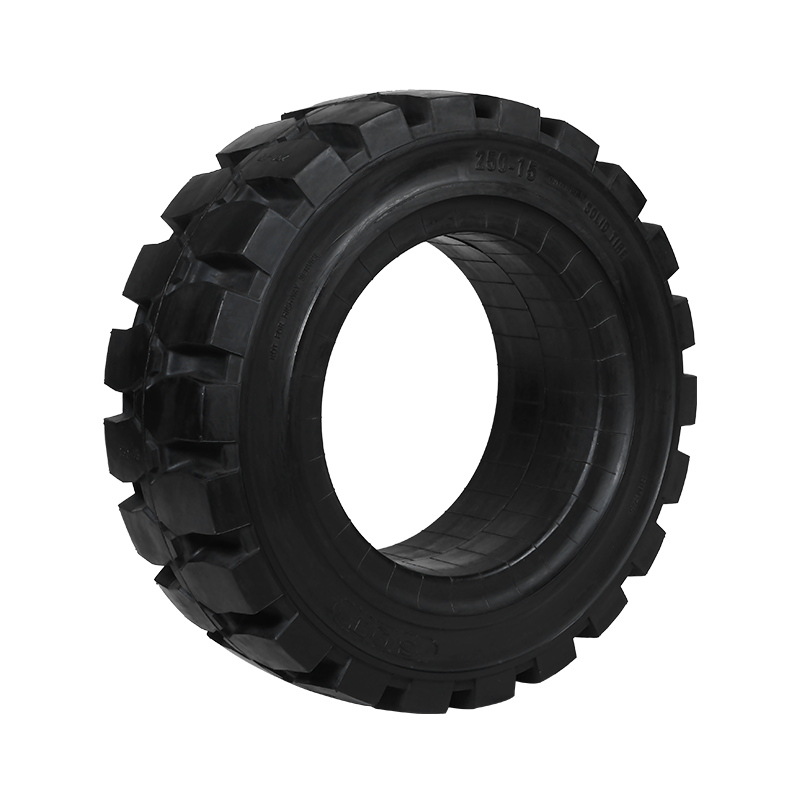
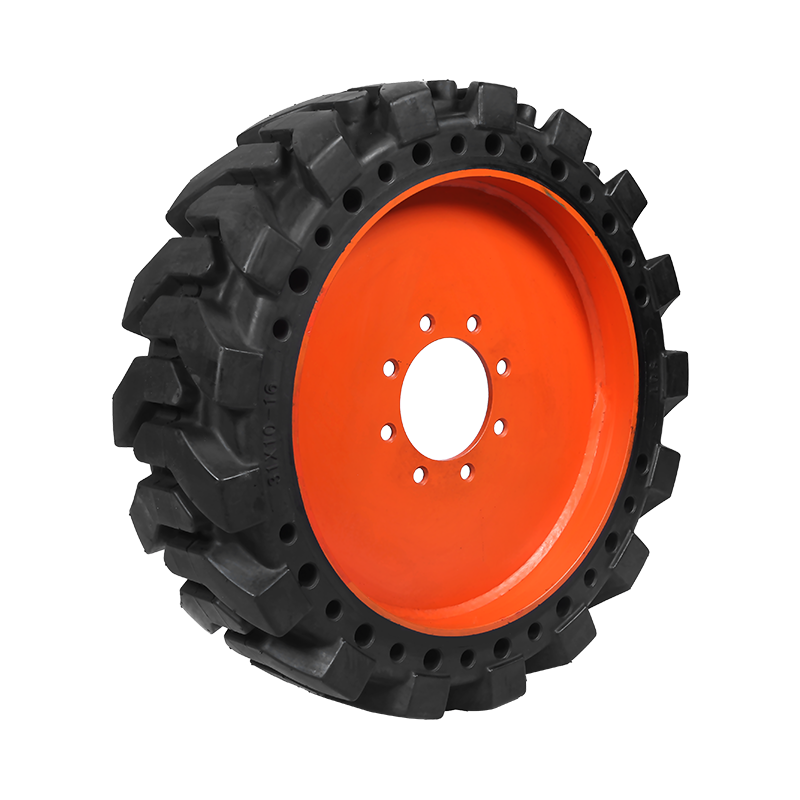
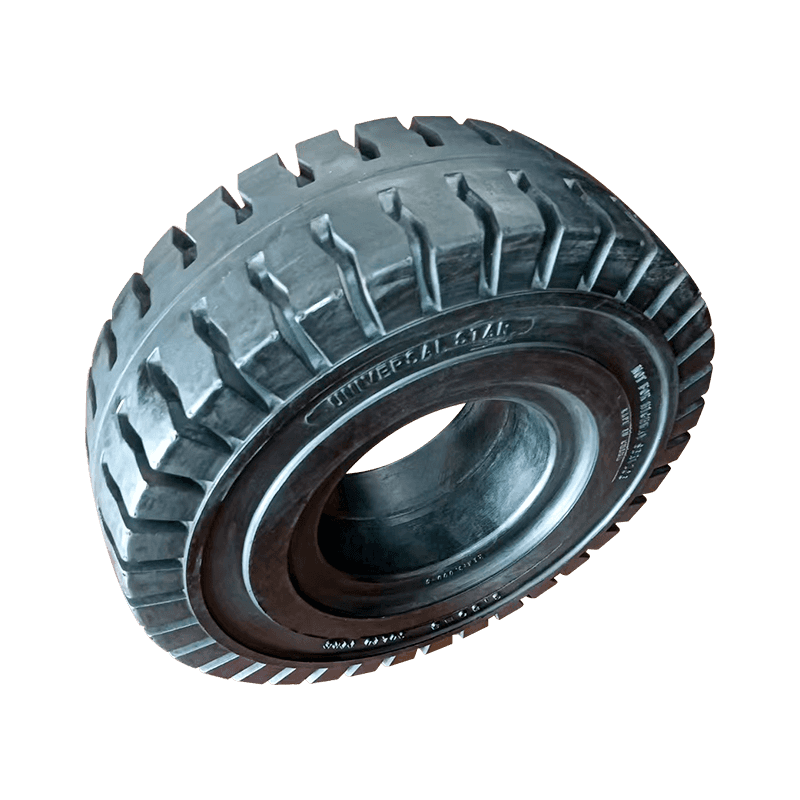 Electric Mini Forklift Tires for Narrow-Aisle EquipmentRun-flat, maintenance-free press-on tires for electric mini forklifts, with close steel-rim fit and easy mounting for narrow-aisle equipment in demanding environments.View Product →
Choosing forklift press-on tires comes down to three things: a band diameter that matches the hub, a tread compound that suits the floor, and a fitting job done properly with the right press. Send us your hub size, truck model, floor surface, and a rough description of the duty cycle, and we will shortlist the band that fits the work instead of the one that simply fits the wheel.
CONTACT US
-

Email: SMT001@saimeite-tyre.com
-

Phone: +86-18451337018No. 1, Renmin South Road, Yandu District, Yancheng City, Jiangsu Province, China