
 English
 한국어
한국어 Français
 Español

How to Pick the Best Skid Steer Loader Tires for Your Job
Content
Choosing the Right Construction for Your Skid Steer Loader Tires
Selecting the right skid steer loader tires is one of the most impactful maintenance decisions an owner can make. The "skid" in the name refers to how these machines turn—by locking one side while the other rotates—which puts immense lateral stress on the rubber. Choosing a tire construction that doesn't match your environment can lead to rapid wear or frequent flats. Generally, tires fall into three categories: pneumatic (air-filled), foam-filled, and solid (aperture) tires. Each has a specific trade-off between initial cost, operator comfort, and durability.
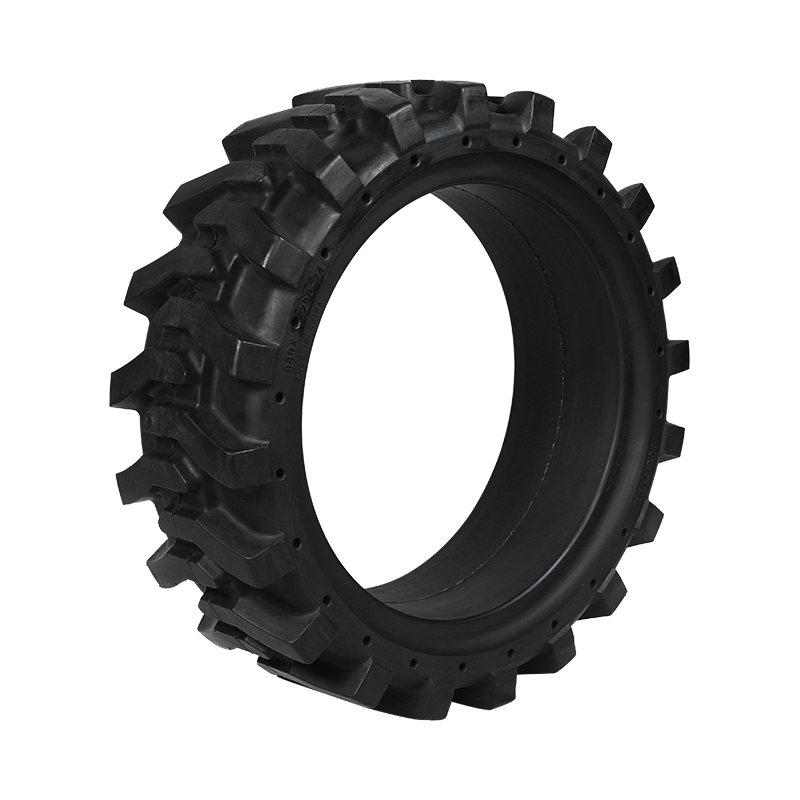
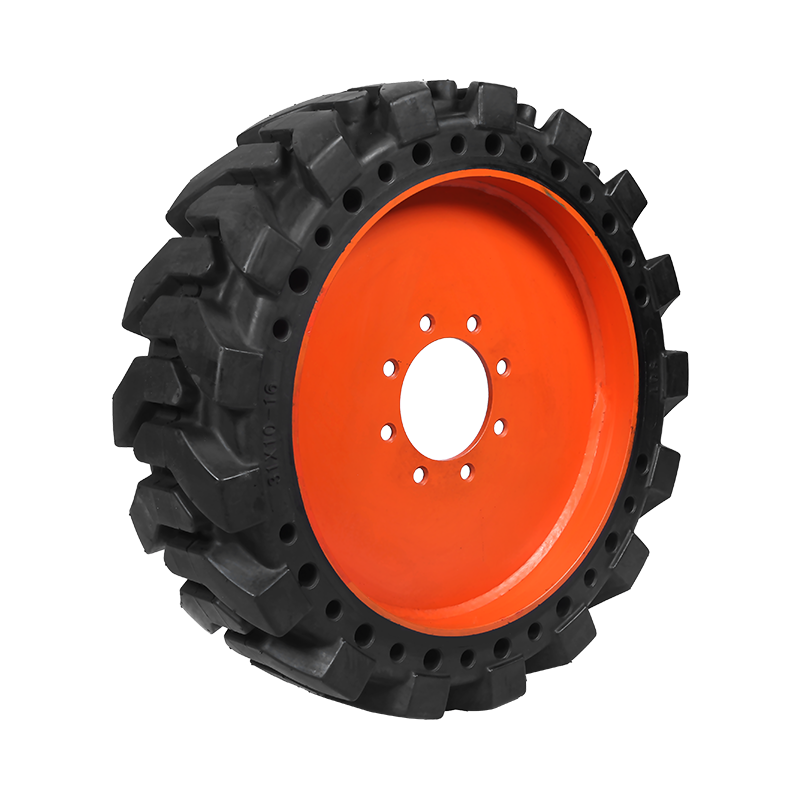
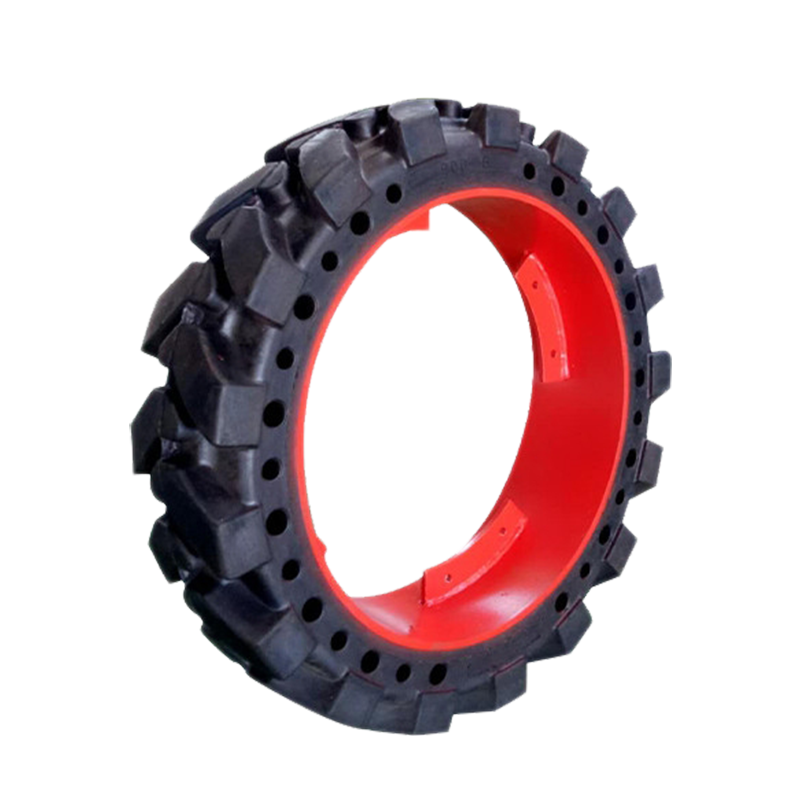
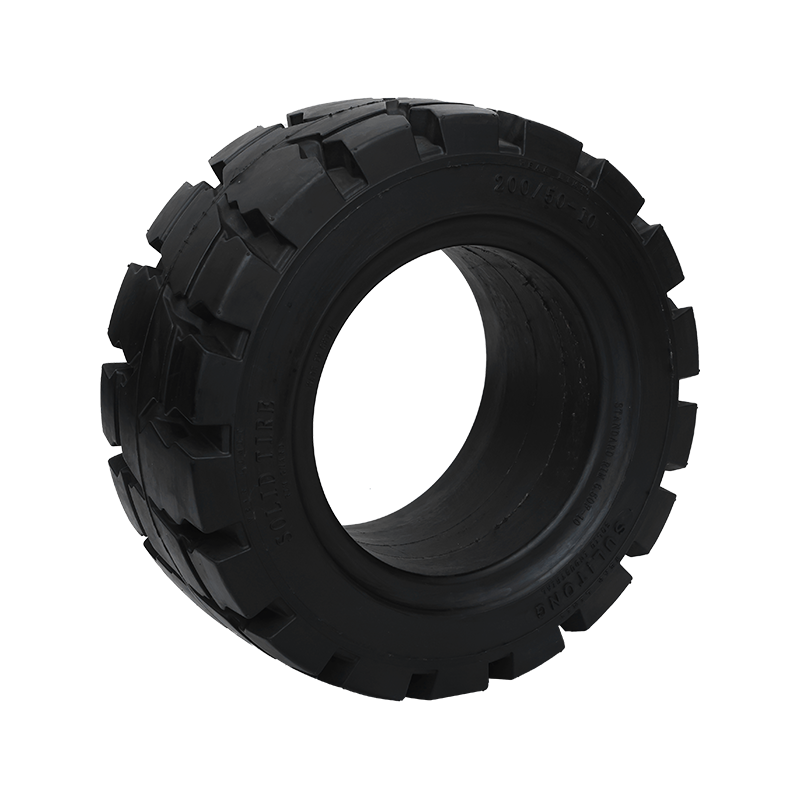
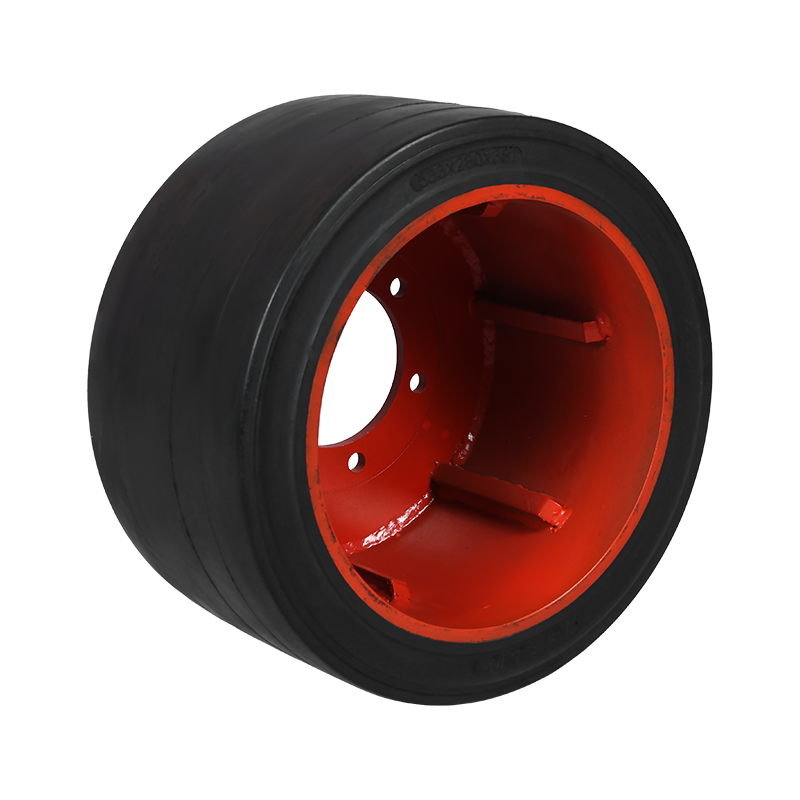
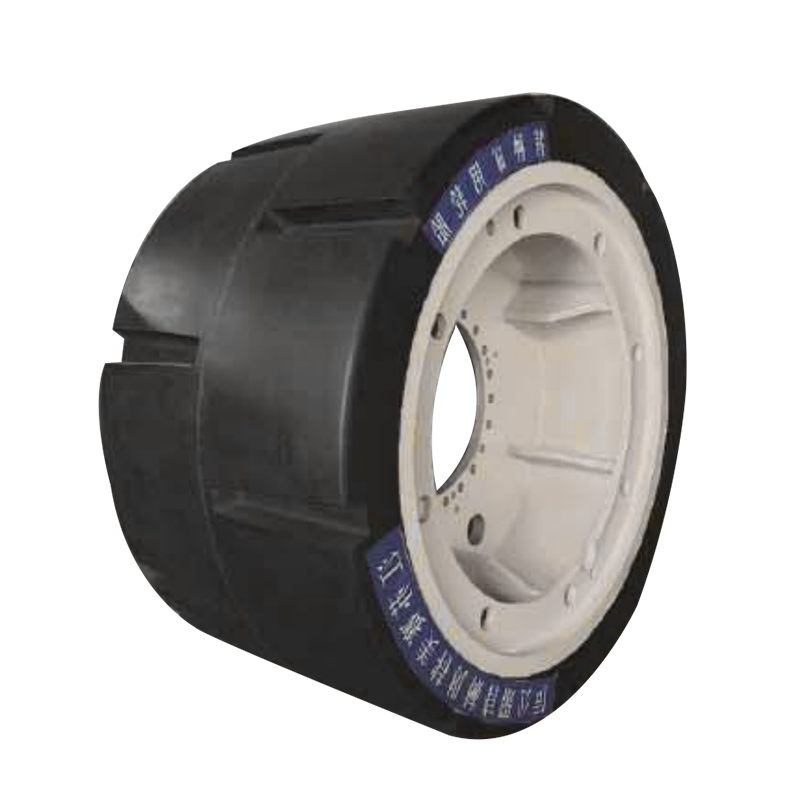
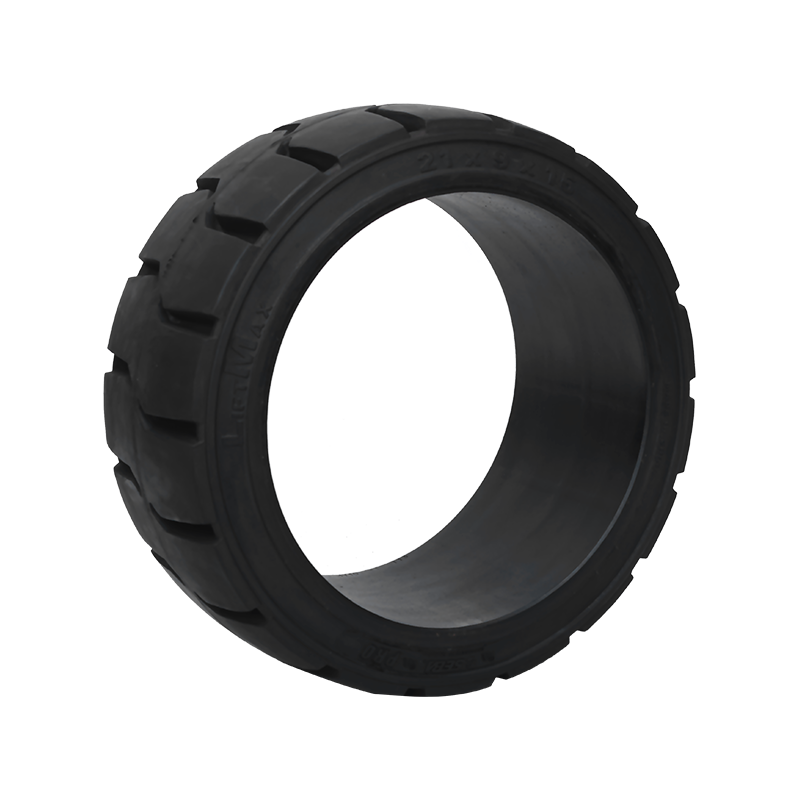
Pneumatic tires are the most common choice for general landscaping and dirt work. They provide a "cushion" that absorbs shocks, protecting the machine's axles and keeping the operator comfortable during long shifts. However, if you are working on a demolition site with rebar or a recycling center with broken glass, an air-filled tire is a liability. In those high-risk environments, many professionals opt for solid skid steer tires, which feature aperture holes to provide some vibration damping while remaining completely immune to punctures.
Understanding Tread Patterns and Their Applications
Standard Duty (R-4) Tread
The R-4 tread is the "all-purpose" pattern seen on most rental units. It features deep, overlapping lugs that provide decent traction in mud while still offering a reasonable lifespan on harder surfaces. These are excellent for general-purpose construction, farming, and landscaping where the machine moves between soil and gravel frequently. They are affordable but will wear down quickly if used exclusively on abrasive asphalt or concrete.
Severe Duty and Rock Tread
For machines operating in quarries, scrap yards, or on road milling projects, a severe duty tire is required. These tires have a much higher "land-to-sea" ratio, meaning there is more rubber touching the ground and smaller gaps between the lugs. This dense rubber prevents sharp rocks from penetrating the carcass and provides a much longer wear life on abrasive surfaces. While they offer less "bite" in deep mud, their durability on hard ground is unmatched.
Turf and Non-Marking Options
When working on golf courses, finished lawns, or indoor warehouse floors, standard aggressive lugs will tear up the surface. Turf tires feature a blocky, shallow pattern that distributes weight evenly to minimize ground pressure. For indoor use, non-marking rubber compounds are also available to ensure the machine doesn't leave black streaks on epoxy or concrete floors.
Tire Performance Comparison Table
To help you decide which investment makes the most sense for your fleet, compare the performance metrics of the three primary tire types below. Consider your "Total Cost of Ownership" rather than just the up-front price tag.
| Tire Type | Puncture Resistance | Operator Comfort | Service Life |
| Pneumatic (Air) | Low | Excellent | Short - Moderate |
| Foam-Filled | High (Flat-Proof) | Moderate | Moderate - Long |
| Solid (Aperture) | Maximum | Low - Moderate | Maximum |
Best Practices for Extending Tire Life
Even the most expensive skid steer loader tires will fail prematurely if the machine is operated incorrectly. Because these machines turn by skidding, every tight 360-degree turn on concrete acts like a giant eraser, scrubbing rubber off the carcass. Operators should be encouraged to make wide, gradual turns whenever possible to preserve the tread. Additionally, if using pneumatic tires, checking the air pressure weekly is non-negotiable; under-inflated tires lead to sidewall cracking and uneven wear.
Follow these maintenance steps to get the most out of your rubber:
- Rotate tires from front to back every 200 hours, as front tires on skid steers typically wear faster due to weight distribution when loaded.
- Wash mud and debris out of the wheels daily to prevent dried material from throwing off the wheel balance or hiding cuts.
- Inspect for "chunking," where large pieces of rubber break off. If chunking reaches the ply layers, the tire must be replaced immediately for safety.
- Avoid mixing tire brands or tread depths on the same axle, as this can strain the machine's drive motors.
Investing in the right set of tires ensures your skid steer remains the most versatile tool in your arsenal. By matching the tire construction and tread to your specific job site, you can significantly reduce your hourly operating costs.
CONTACT US
-

Email: SMT001@saimeite-tyre.com
-

Phone: +86-18451337018No. 1, Renmin South Road, Yandu District, Yancheng City, Jiangsu Province, China