
 English
 한국어
한국어 Français
 Español

Non Marking Tires Made Simple: What They Are, When to Use Them, and How to Choose
Content
- 1 What Are Non Marking Tires and Why Do They Matter?
- 2 How Non Marking Tires Work Compared to Standard Tires
- 3 Where Non Marking Tires Are Most Useful
- 4 Main Types of Non Marking Tires
- 5 Pros and Cons of Choosing Non Marking Tires
- 6 How to Choose the Right Non Marking Tires for Your Equipment
- 7 Simple Maintenance Tips for Non Marking Tires
What Are Non Marking Tires and Why Do They Matter?
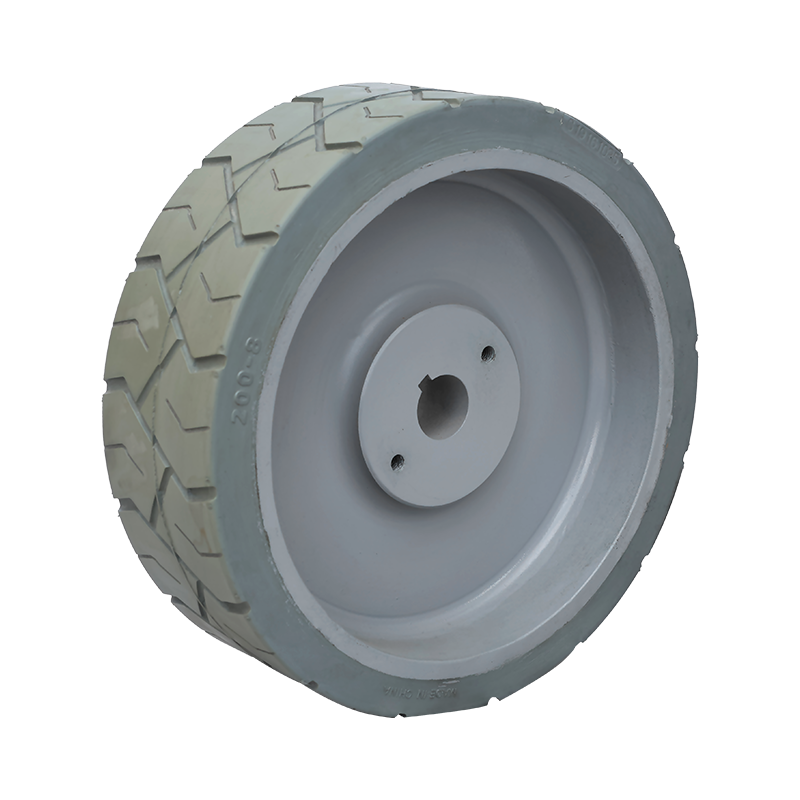
Non marking tires are special tires designed to avoid leaving black streaks, scuffs, or residue on floors. Instead of the usual carbon black used in standard tires, these floor-safe tires use alternative compounds like silica or non-marking rubber blends. The result is a tire that still provides grip and durability but keeps your floors looking clean and professional.
You will often see non marking tires on forklifts, pallet jacks, scrubbers, and other indoor equipment in places like warehouses, supermarkets, hospitals, and airports. Anywhere the floor appearance matters or cleanliness is critical, non-marking tyres quickly become the preferred choice over traditional black tires.
How Non Marking Tires Work Compared to Standard Tires
Traditional tires use carbon black to strengthen the rubber and improve wear resistance, but that same carbon is what leaves dark marks on concrete, epoxy, or tile floors. Non marking tires replace or reduce carbon black with lighter fillers, so the tire does not transfer dark pigment onto the surface. This is why they often appear grey, white, or light beige instead of black.
Because of the different compound, non marking forklift tires may run slightly warmer and sometimes wear a bit faster than standard black tires. However, the trade-off is usually worth it when you factor in reduced floor cleaning costs, better hygiene, and a more professional-looking facility.
Key differences at a glance
| Feature | Standard Black Tires | Non Marking Tires |
| Floor marks | Often leave black streaks | Designed not to leave marks |
| Typical color | Black | Grey, white, or light beige |
| Best environment | Outdoor or rough floors | Indoor, clean, or sensitive floors |
| Cleaning needs | More frequent floor cleaning | Less cleaning, fewer visible marks |
Where Non Marking Tires Are Most Useful
Non marking tires shine in environments where appearance, hygiene, or safety are top priorities. If your operation involves customers walking through your facility or strict cleanliness standards, switching to non marking wheels can make a noticeable difference. They are especially common on electric forklifts and indoor material-handling equipment that run all day on smooth floors.
Typical applications for non marking tyres
- Warehouses and distribution centers with polished concrete or epoxy floors that must stay clean and presentable.
- Food and beverage facilities where dark rubber dust or streaks could affect hygiene or inspections.
- Hospitals, clinics, and pharmaceutical plants that require spotless, easy-to-sanitize floors.
- Retail stores, supermarkets, and shopping centers where customers see the floors every day.
- Airports, train stations, and public buildings with high foot traffic and light-colored flooring.
Main Types of Non Marking Tires
Just like regular tires, non marking options come in different constructions depending on the machine and the job. The most common are solid (cushion) tires, pneumatic non marking tires, and polyurethane wheels. Each type has its own strengths in terms of comfort, durability, and load capacity.
Solid non marking forklift tires
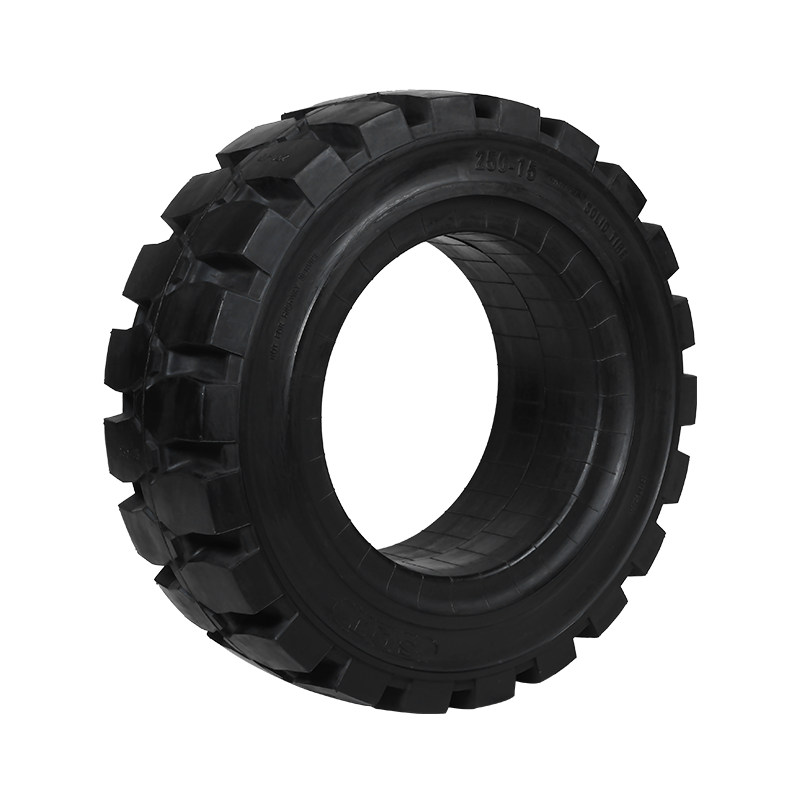
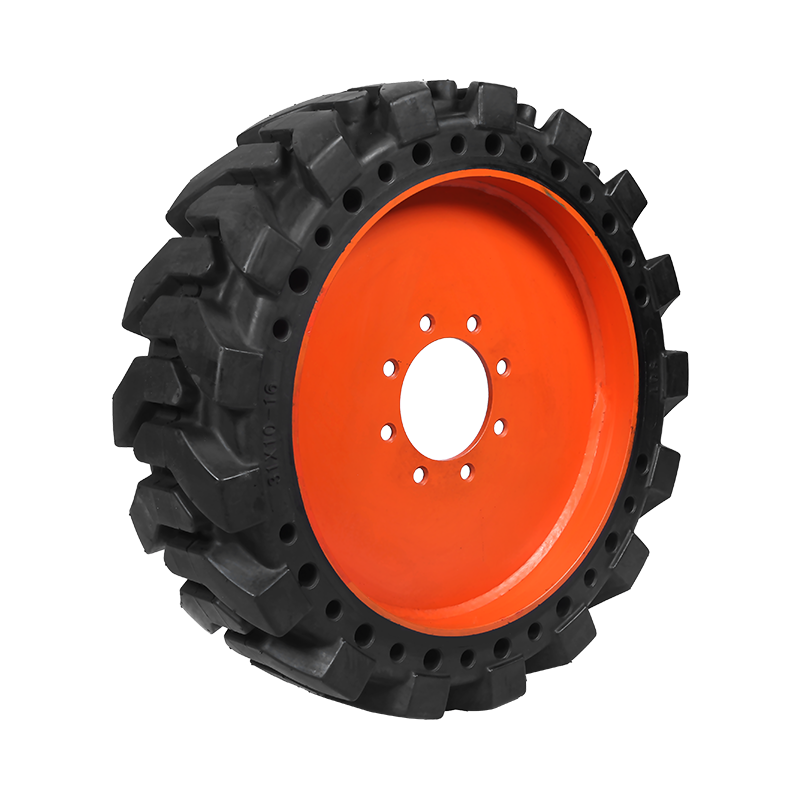
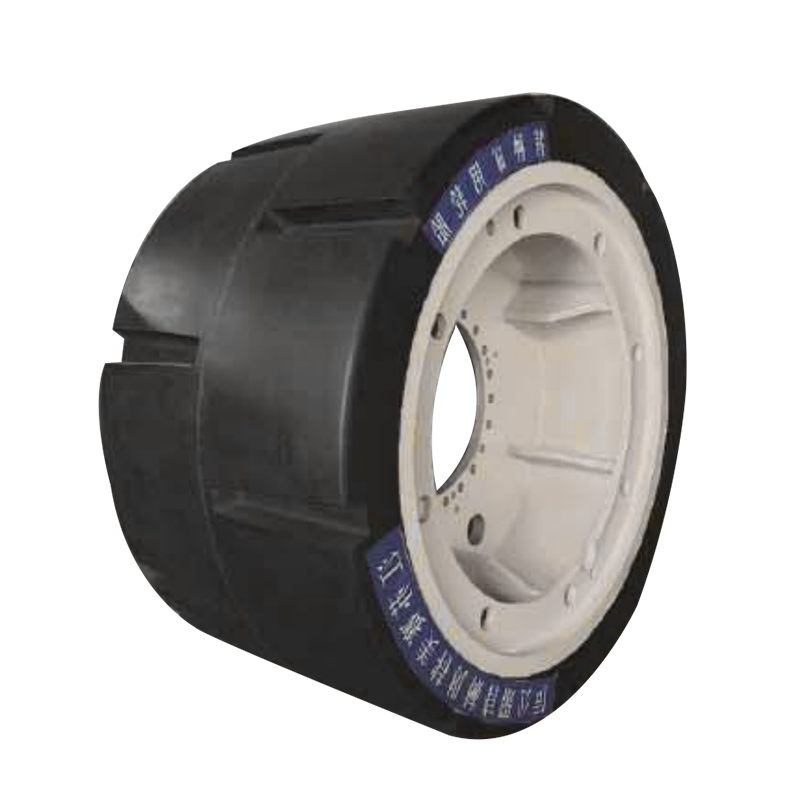
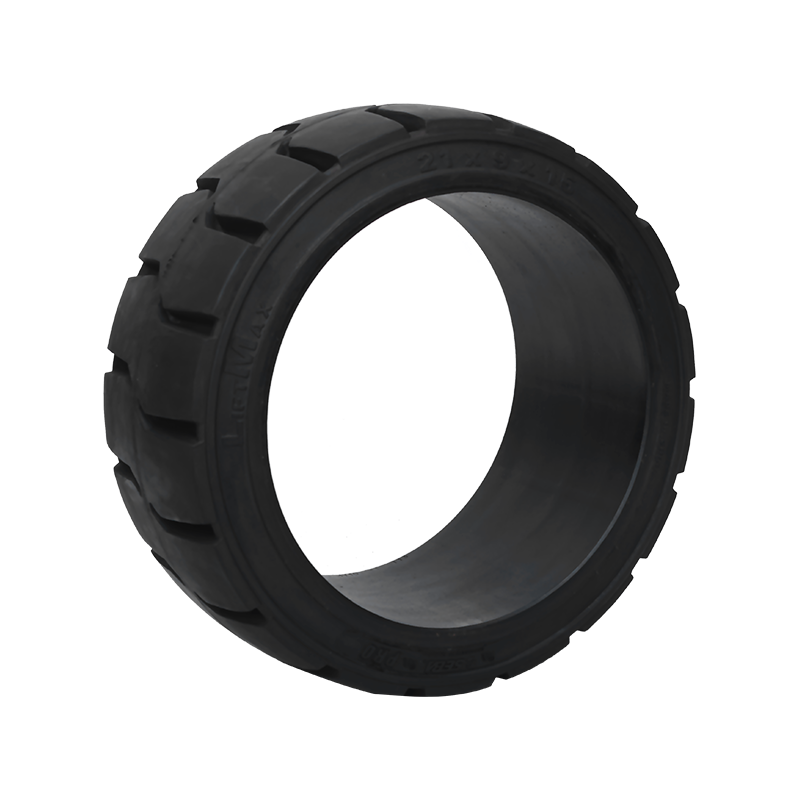
Solid non marking forklift tires are made from a dense rubber compound and are puncture-proof. They are ideal for indoor or light outdoor use where debris is minimal. These tires offer good stability and low maintenance because there is no air pressure to check, making them a popular choice for electric forklifts and warehouse trucks.
Pneumatic non marking tires
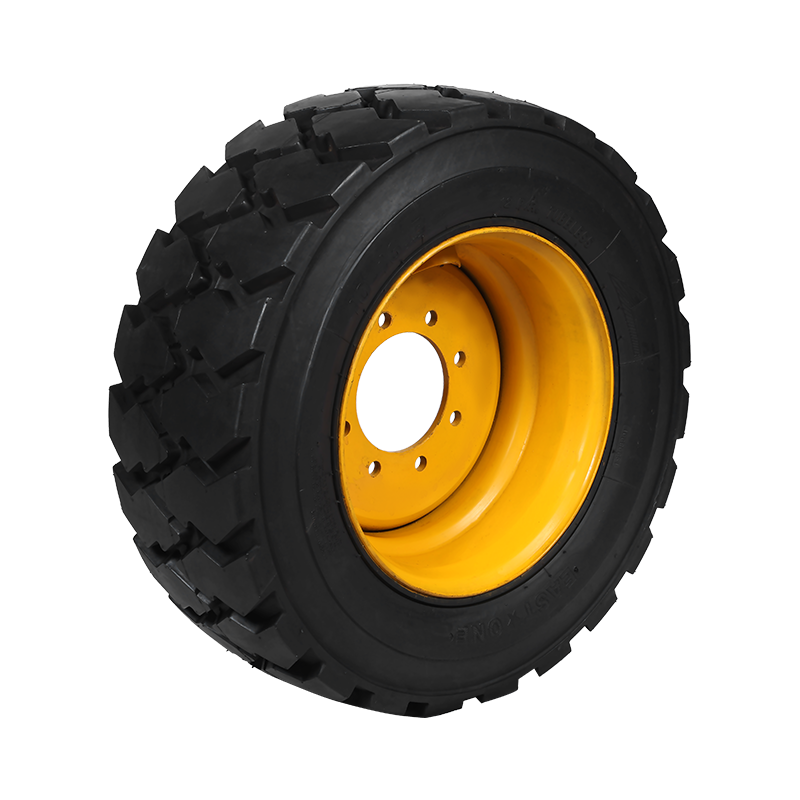
Pneumatic non marking tires are air-filled, giving a softer ride and better shock absorption. They are useful when equipment needs to travel over ramps, dock plates, or slightly uneven surfaces but still operate mostly indoors. While they provide more comfort for the operator, they do require regular pressure checks and can be vulnerable to punctures.
Polyurethane non marking wheels
Polyurethane non marking wheels are common on pallet jacks, reach trucks, and smaller material-handling equipment. They offer low rolling resistance, good load capacity, and excellent floor protection. These wheels are especially popular in cold storage, clean rooms, and tight indoor spaces where maneuverability and cleanliness are critical.
Pros and Cons of Choosing Non Marking Tires
Like any equipment choice, non marking tires come with trade-offs. Understanding the advantages and limitations helps you decide if they are the right fit for your operation. In many indoor environments, the benefits easily outweigh the downsides, especially when you factor in cleaning costs and floor maintenance.
Benefits of non marking tires
- Reduced floor marks, streaks, and scuffs, which keeps your facility looking cleaner and more professional.
- Lower cleaning and maintenance costs because you spend less time scrubbing dark tire marks off the floor.
- Better hygiene in sensitive areas like food processing, healthcare, and pharmaceuticals where residue is a concern.
- Improved safety, since fewer rubber deposits can mean less slippery buildup on smooth surfaces.
Potential drawbacks to keep in mind
- Slightly higher upfront cost compared to standard black tires, especially for specialty sizes or compounds.
- In some cases, non marking compounds may wear faster, particularly in heavy-duty or high-heat applications.
- Not always ideal for rough outdoor surfaces where floor appearance is less important and maximum durability is the priority.
How to Choose the Right Non Marking Tires for Your Equipment
Picking the right non marking tires is about more than just matching the size. You need to think about your floor type, load, operating hours, and whether you run indoors only or move between indoor and outdoor areas. A good approach is to start with your environment and work backward to the tire type that fits best.
Key factors to consider
- Floor surface: Smooth concrete, epoxy, tile, or vinyl floors benefit most from non marking tires, especially light-colored surfaces.
- Load and duty cycle: Heavier loads and long shifts may call for solid non marking forklift tires with higher durability.
- Indoor vs. outdoor use: If you occasionally go outside, consider a tougher compound or pneumatic non marking option for comfort.
- Equipment type: Pallet jacks, reach trucks, scrubbers, and order pickers may each use different wheel materials and sizes.
- Temperature and environment: Cold storage, wet areas, or chemical exposure may require specific non marking rubber or polyurethane compounds.
Simple Maintenance Tips for Non Marking Tires
Even though non marking tires are designed to protect your floors, they still need basic care to perform well and last longer. Regular checks help you catch issues early, avoid unexpected downtime, and keep your equipment running smoothly. A few simple habits can extend the life of both your tires and your floors.
Everyday best practices
- Inspect tires regularly for cuts, flat spots, or chunking, especially on solid and polyurethane non marking wheels.
- For pneumatic non marking tires, check air pressure according to the manufacturer’s recommendations to avoid uneven wear.
- Keep floors swept and free of debris to reduce damage to the tire surface and maintain good traction.
- Train operators to avoid aggressive turning or sudden braking that can cause premature wear and heat buildup.
- Work with a trusted tire supplier who understands non marking compounds and can recommend the right option for your site.
When you match the right non marking tires to your equipment and environment, you get cleaner floors, smoother operations, and a more professional-looking facility. Whether you run a busy warehouse, a retail store, or a hospital, investing in quality non marking tyres is a simple upgrade that pays off every day.

CONTACT US
-

Email: SMT001@saimeite-tyre.com
-

Phone: +86-18451337018No. 1, Renmin South Road, Yandu District, Yancheng City, Jiangsu Province, China