
 English
 한국어
한국어 Français
 Español

Industrial Forklift Tires: A Simple Guide to Picking the Right Ones for Your Job
Content
- 1 What Industrial Forklift Tires Actually Do for Your Operation
- 2 The Main Types of Industrial Forklift Tires
- 3 How to Pick the Right Tire for Your Application
- 4 Signs Your Forklift Tires Need to Be Replaced
- 5 Simple Maintenance Tips to Make Forklift Tires Last Longer
- 6 Common Mistakes Businesses Make When Buying Forklift Tires
What Industrial Forklift Tires Actually Do for Your Operation
Industrial forklift tires are one of those parts nobody thinks about until something goes wrong. A worn or mismatched tire doesn't just slow down a shift — it can throw off load stability, chew through fuel or battery power faster, and turn a smooth concrete floor into a bumpy ride that shakes loose pallets and rattles operators. Choosing the right forklift tires is really about matching the tire to the surface you drive on, the loads you carry, and the number of hours the truck runs each day. Get that match right, and you'll see fewer breakdowns, smoother handling, and tires that actually last as long as they're supposed to.
The Main Types of Industrial Forklift Tires
Most industrial forklift tires fall into four categories, and each one is built for a different kind of work environment. Knowing the difference before you order a set can save you a lot of money and downtime.
Pneumatic Forklift Tires
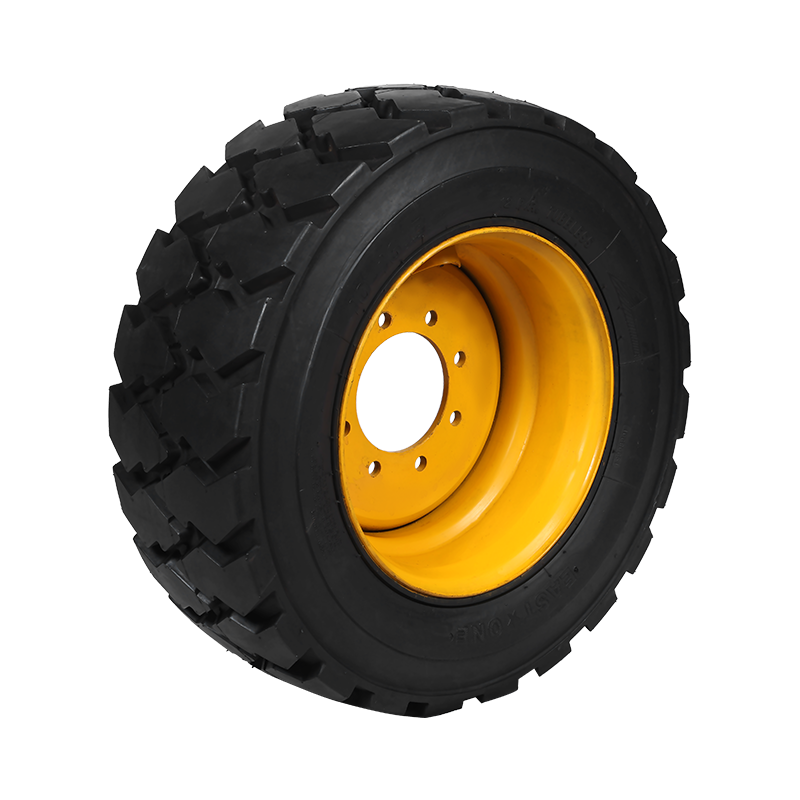
Pneumatic tires are air-filled (or foam-filled for the solid version) and have deep treads similar to a truck tire. They're the go-to choice for outdoor work — construction sites, lumber yards, gravel lots, and anywhere the ground is uneven or covered in debris. Because they have more cushioning, they handle rough terrain and higher speeds better than other tire types, but they also wear faster when used on rough surfaces without proper puncture protection.
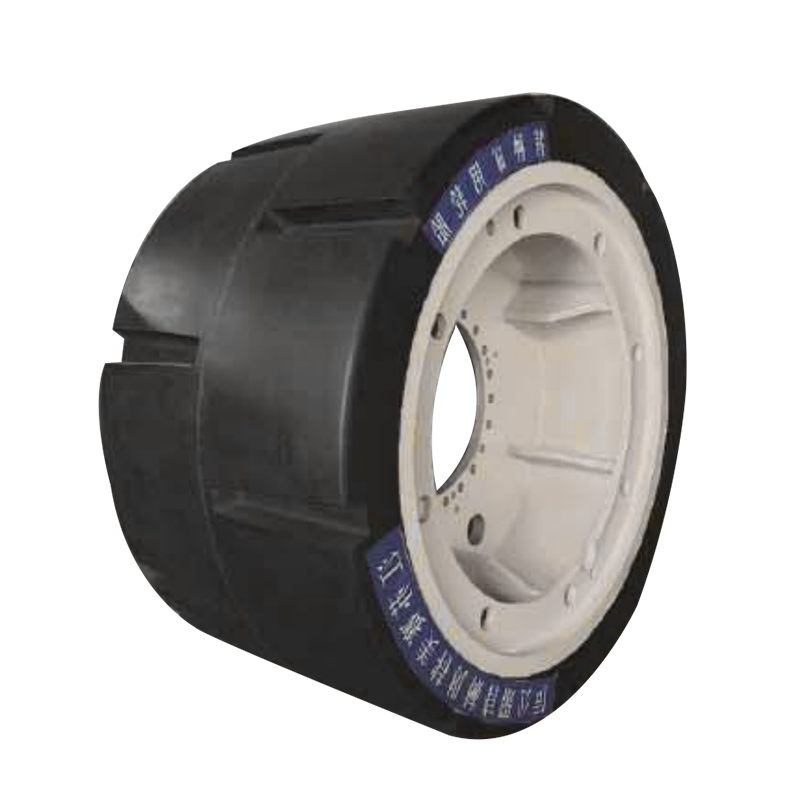
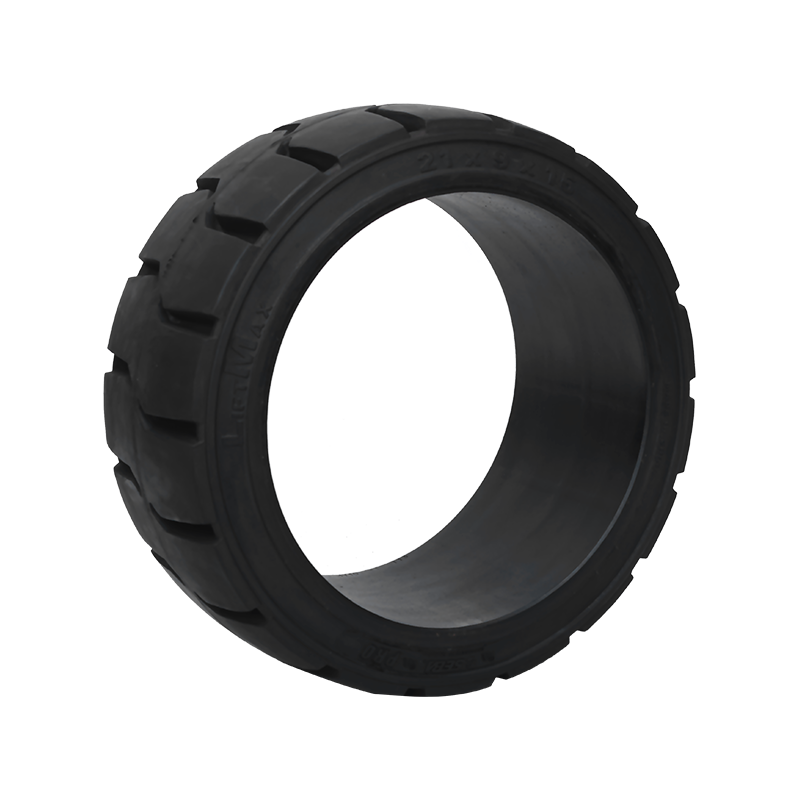
Solid (Press-On) Forklift Tires
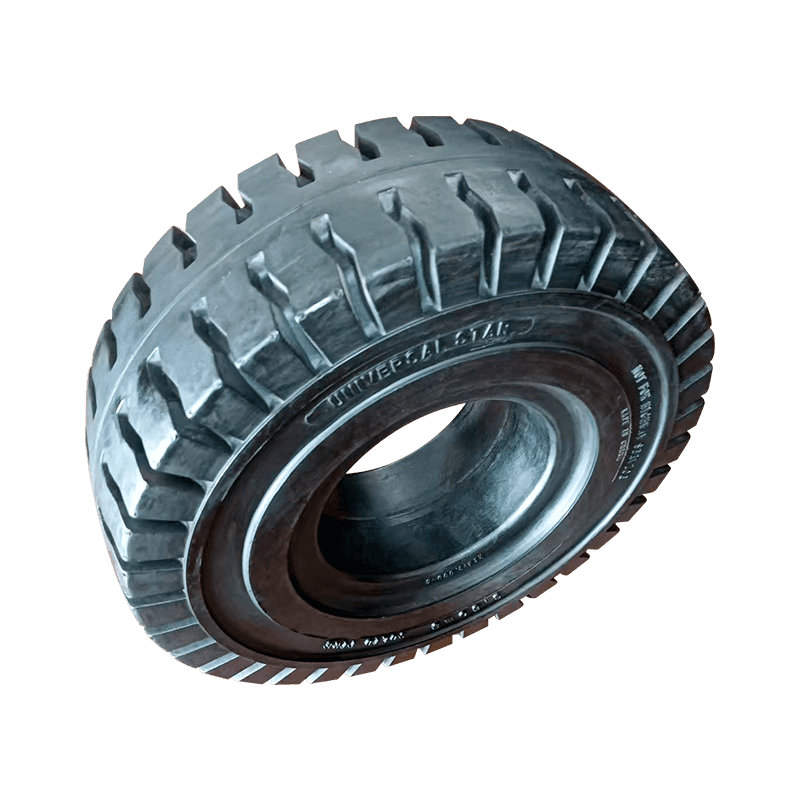
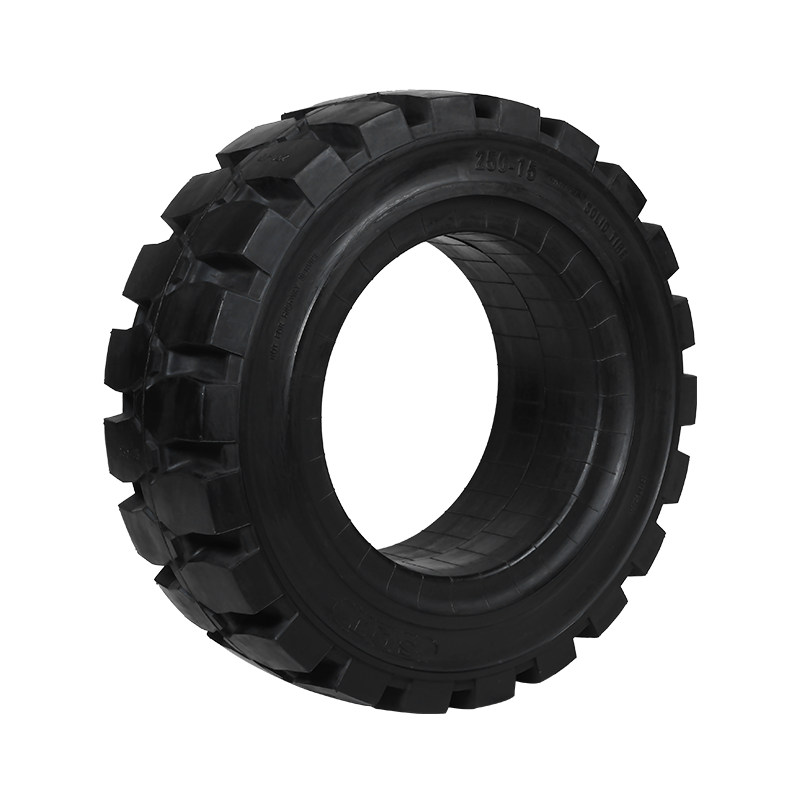
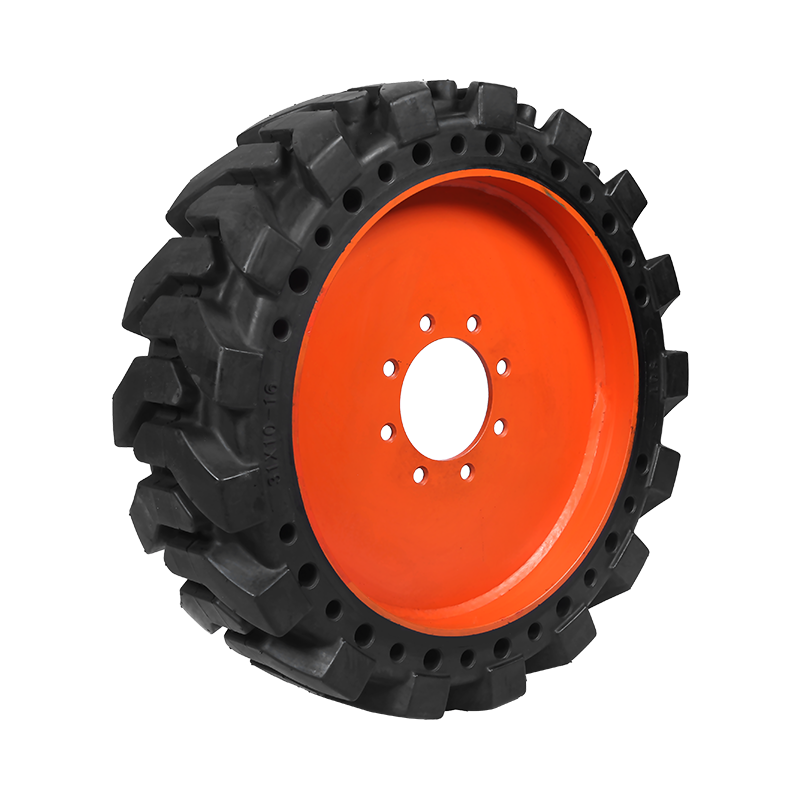
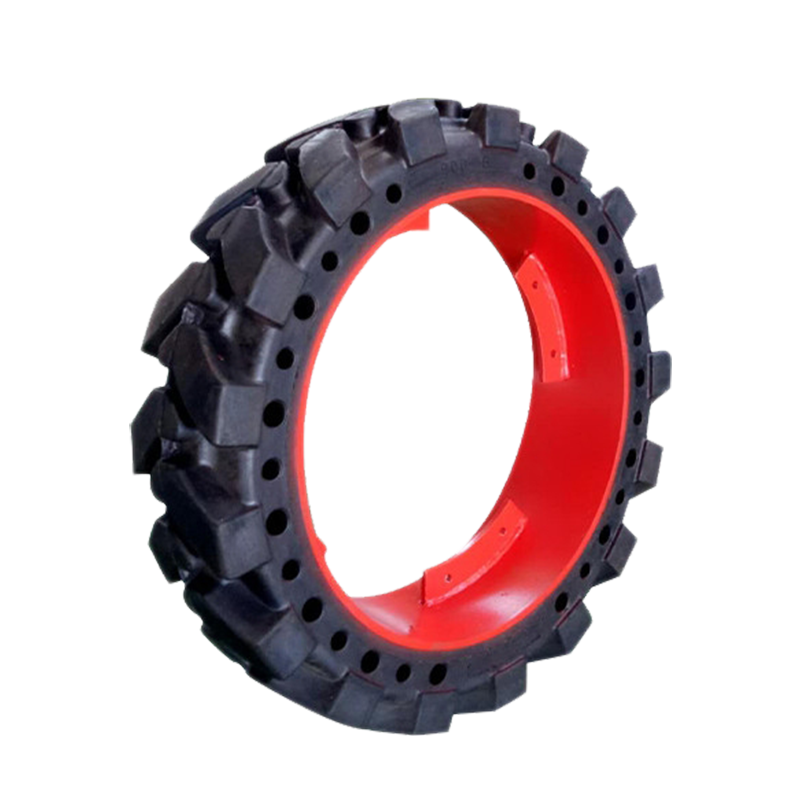
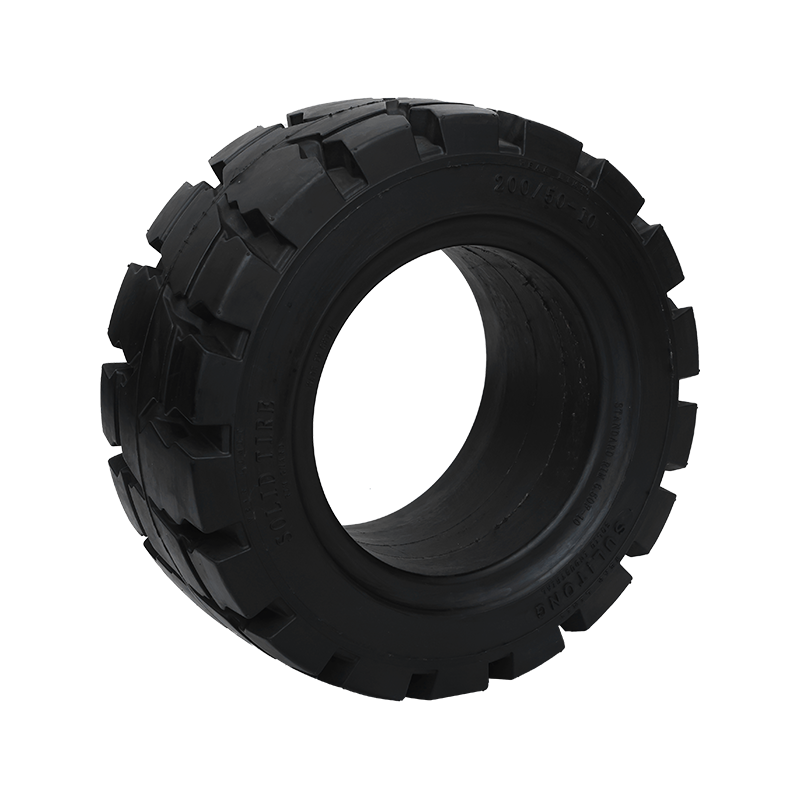
Solid tires are made from a solid rubber compound pressed onto a metal band, so there's no air chamber to worry about — no flats, no blowouts, no need to check pressure. They're a favorite in warehouses, recycling centers, and scrap yards where sharp debris like nails, glass, or metal shavings is common. The trade-off is a firmer ride, so operators may feel more vibration over long shifts.
Cushion Forklift Tires
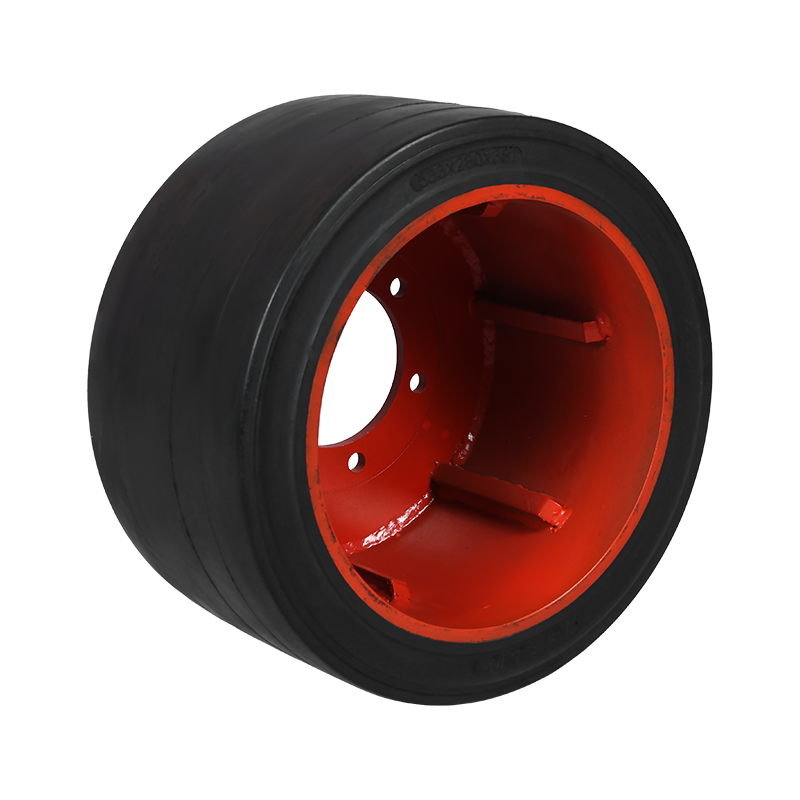
Cushion tires are solid rubber molded directly onto a metal band with no separate tread pattern, giving forklifts a smaller turning radius. They're built almost exclusively for smooth, indoor concrete floors — think tight warehouse aisles and loading docks. They're not designed for outdoor use since they lack traction on wet or uneven ground.
Polyurethane Forklift Tires
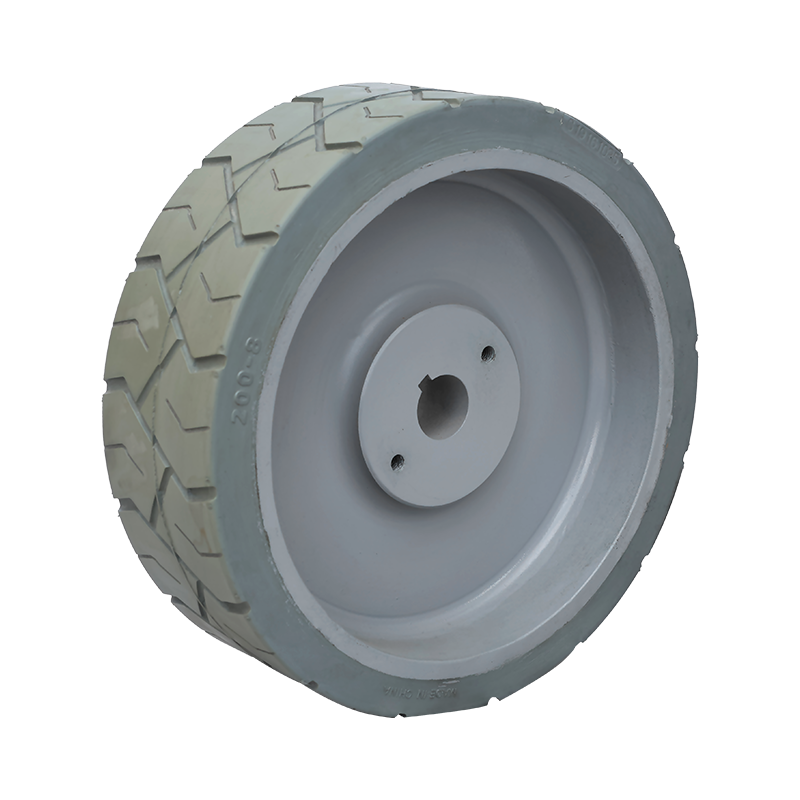
Polyurethane tires are lighter than rubber, resist chemical spills and oil better, and leave less marking on clean floors — which makes them popular in food processing plants, pharmaceutical warehouses, and cold storage facilities. They typically cost more upfront but often outlast rubber tires by a wide margin in the right setting.
| Tire Type | Best Surface | Typical Setting | Key Advantage |
|---|---|---|---|
| Pneumatic | Rough, outdoor | Construction, lumber yards | Shock absorption |
| Solid | Debris-heavy floors | Scrap yards, recycling | No flats or blowouts |
| Cushion | Smooth concrete | Indoor warehouses | Tight turning radius |
| Polyurethane | Clean, indoor floors | Food, pharma, cold storage | Chemical resistance, longevity |
How to Pick the Right Tire for Your Application
There's no single "best" industrial forklift tire — the right pick depends on a handful of practical questions. Start by thinking through where and how the forklift actually works day to day.
- Where does the forklift operate — indoors on smooth concrete, or outdoors on gravel, dirt, or uneven pavement?
- What's the average load weight, and does the truck regularly max out its rated capacity?
- Is there sharp debris on the ground, like metal shavings, nails, or broken glass?
- How many hours per day or week does the forklift run, and is it a single-shift or multi-shift operation?
- Are there chemical spills, oils, or extreme temperatures involved, such as in a freezer warehouse?
Once you've answered those, matching a tire type becomes a lot easier. A high-traffic indoor warehouse with smooth floors rarely needs the rough-terrain cushioning of a pneumatic tire, while an outdoor lumber yard would wear through cushion tires almost immediately.
Signs Your Forklift Tires Need to Be Replaced
Waiting too long to replace worn forklift tires is one of the most common (and costly) mistakes in a warehouse or yard. Watch for these warning signs before a tire fails on the job.
- Visible chunking, where pieces of rubber are missing or torn away from the tire surface
- Flat spots or uneven wear patterns that cause vibration while driving
- Cracking or splitting along the tire's sidewall or tread
- Tread worn down close to the wear indicator line or the metal band underneath
- Noticeable loss of traction, especially when turning or stopping quickly
Any one of these on its own might not be an emergency, but ignoring several at once increases the risk of a tire failure mid-shift, which can damage the forklift, drop a load, or injure an operator.
Simple Maintenance Tips to Make Forklift Tires Last Longer
Good maintenance habits can add months, sometimes years, to the life of a set of industrial forklift tires. None of these tips require special tools or a big time investment — just consistency.
- Check pneumatic tire pressure weekly, since underinflated tires wear unevenly and use more energy to move
- Keep the warehouse or yard floor free of sharp debris that can cut or puncture tires
- Rotate tires when possible so wear is distributed evenly across the front and rear
- Avoid tight, repeated turns in the same spot, which grinds down tread faster than straight-line driving
- Train operators to avoid sudden braking and sharp acceleration, both of which accelerate tread wear
- Store spare forklifts or units out of direct sunlight, since UV exposure dries out and cracks rubber over time
Common Mistakes Businesses Make When Buying Forklift Tires
One frequent mistake is buying tires based on price alone. A cheaper tire that wears out in six months usually costs more over a year than a slightly pricier tire that lasts twice as long, once you factor in labor and downtime for changeovers. Another common error is using the wrong tire type for the surface — cushion tires on a gravel lot, for example, will wear out fast and can even damage the wheel rim. It's also easy to overlook load ratings; a tire rated for a lighter-duty forklift can fail early if it's constantly pushed to handle heavier pallets than it was designed for. Finally, many businesses skip routine tire inspections altogether, only noticing a problem once it becomes a safety issue rather than catching it early during a scheduled check.
At the end of the day, picking the right industrial forklift tires comes down to being honest about how and where your equipment actually works. Matching tire type to terrain, staying on top of routine checks, and replacing tires before they become a safety hazard will keep your fleet running smoothly and your operating costs predictable.

CONTACT US
-

Email: SMT001@saimeite-tyre.com
-

Phone: +86-18451337018No. 1, Renmin South Road, Yandu District, Yancheng City, Jiangsu Province, China