
 English
 한국어
한국어 Français
 Español

Milling Machine Tyres: Complete Guide to Types, Specifications, Wear Management, and Replacement
Content
- 1 What Milling Machine Tyres Are and Why They Are Different from Standard Construction Tyres
- 2 Types of Milling Machines and Their Tyre Configurations
- 3 Key Tyre Specifications for Road Milling Equipment
- 4 Tread Patterns and Compound Choices for Different Milling Applications
- 5 How Milling Machine Tyres Wear and What Affects Their Service Life
- 6 Wear Indicators and Knowing When to Replace Milling Machine Tyres
- 7 Sourcing Replacement Tyres for Milling Machines: What to Check
- 8 Practical Tyre Maintenance Routine for Milling Machine Fleets
What Milling Machine Tyres Are and Why They Are Different from Standard Construction Tyres
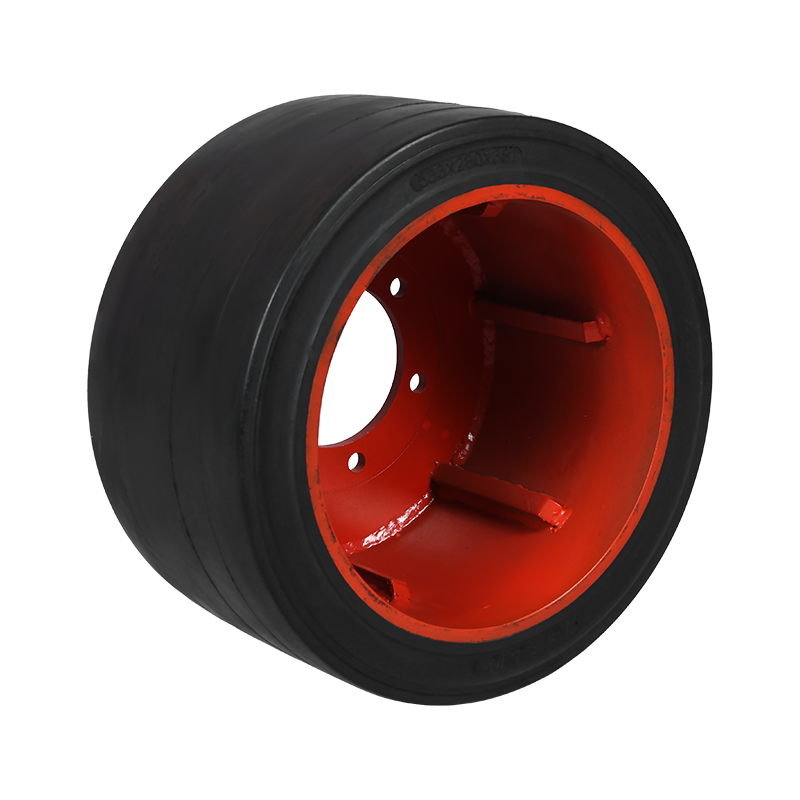
Milling machine tyres are the rubber tyres fitted to road milling machines — also called cold planers or asphalt milling machines — that are used to remove layers of road surface material during road maintenance, rehabilitation, and construction work. These machines, manufactured by brands including Wirtgen, Caterpillar, Bomag, Dynapac, and Roadtec, operate on a fundamentally different basis from most other wheeled construction equipment. Rather than simply supporting and propelling a load, milling machine tyres must simultaneously carry the machine weight, transmit the high drive torques needed to propel a machine that is actively cutting into hard asphalt or concrete, absorb the vibrations generated by the rotating drum cutting into the road surface, and maintain precise positional stability so that the drum cuts at a consistent and accurate depth across the full working width.
These combined demands make milling machine tyres a specialised product category with design requirements that standard industrial or construction tyres do not fully address. The operating environment is also harsh in specific ways — the tyres run over freshly milled asphalt rubble at the rear of the machine, are frequently exposed to fuel and oil contamination, operate in high ambient temperatures generated by both the milling process and summer road surface temperatures, and must maintain their dimensions and load-bearing capacity through long operating days without the cooling effect of road travel speed that normal highway tyres benefit from. Selecting the correct tyre specification and managing tyre condition proactively is a significant factor in overall milling machine productivity and operating cost.
Types of Milling Machines and Their Tyre Configurations
Road milling machines come in several size classes, and the tyre configuration varies significantly between them. Understanding which configuration applies to your machine is the starting point for correct tyre specification.
Small and compact milling machines
Compact cold planers with cutting widths typically ranging from 300mm to 600mm are designed for repair work in confined spaces — car parks, footpaths, utility trenches, and tight urban road sections. These machines are almost exclusively tyre-mounted on four rubber tyres and are small enough to be trailered between sites. The tyres on compact millers are relatively small — typically in the 10 to 15 inch rim diameter range — and carry lower loads than those on larger machines, but they still need adequate load ratings for the machine weight and must maintain precise steering and depth control for accurate repair cuts. Many compact milling machine tyres in this class are sourced from the industrial forklift or compact telehandler tyre range, provided the load index and overall dimensions are compatible.
Mid-size rubber-tyred milling machines
Mid-size milling machines with cutting widths from approximately 600mm to 1,300mm are the workhorses of routine road maintenance operations. These machines typically run on four large rubber tyres — often with a steerable rear axle — and their tyre requirements are more demanding than compact machines in terms of load capacity, heat resistance, and tread durability. The Wirtgen W 100 Fi, Caterpillar PM310, and Bomag BM 1000/35 are typical examples of this class. Tyre sizes in this range commonly include specifications such as 23.5-25, 17.5-25, or equivalent metric designations depending on the specific machine model and manufacturer specification.
Large and extra-large milling machines
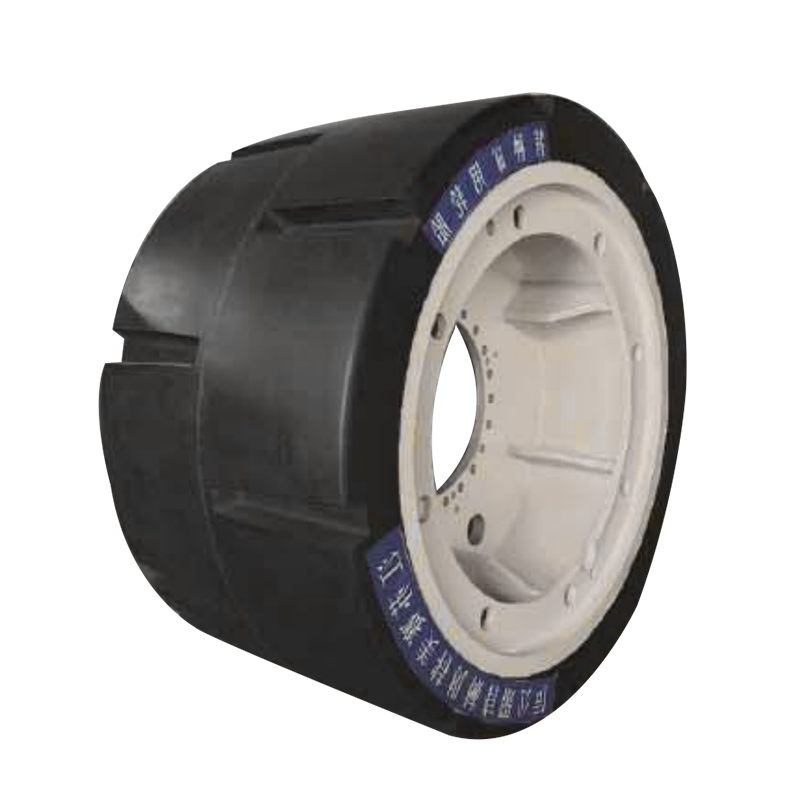
Large cold planers with cutting widths from 1,300mm to 4,200mm and above are used for high-productivity highway resurfacing and large-area milling operations. These machines carry very substantial weights — total operating weights of 30,000 to over 70,000 kg are common in the largest class — and their tyres must carry correspondingly high loads. Large milling machines may run on four, six, or eight tyres depending on machine width and design. Some large millers use dual rear tyres on each rear leg to distribute the load. The tyre specifications for large millers are typically unique to the machine model or shared only within a narrow range of similar machines, and sourcing correct replacements requires precise reference to the machine manufacturer's tyre specification.
Track and hybrid configurations
Some milling machines — particularly the largest class — use rubber tracks rather than tyres for their primary undercarriage, with some models using a hybrid configuration of front rubber tracks and rear tyres. Where tyres are fitted on hybrid machines, they are typically on the steerable rear legs and their role is primarily steering and height control rather than primary traction. The tyre requirements on hybrid machines are somewhat less severe in terms of traction and drive torque than on fully tyre-mounted machines, but load capacity and dimensional accuracy remain critical for maintaining drum depth consistency.
Key Tyre Specifications for Road Milling Equipment
Milling machine tyre specifications involve several parameters that must all be correctly matched to the machine and application. Getting any one of them wrong can result in premature tyre failure, machine instability, or inaccurate cutting depth.
| Specification parameter | What it means | Why it matters for milling machines |
| Tyre size designation | Width, aspect ratio, rim diameter (e.g. 23.5-25 or 600/65 R25) | Determines overall diameter and loaded radius, which directly affects drum cutting depth calibration |
| Load index | Maximum load per tyre at rated inflation pressure | Must exceed the per-tyre load at maximum machine weight including material on conveyor |
| Speed rating | Maximum continuous operating speed | Milling machines travel slowly but must also be driven between sites at higher speeds — both conditions must be within rating |
| Ply rating / load range | Construction strength grade (e.g. 12PR, 16PR, Load Range G) | Higher ply ratings provide stiffer sidewalls that resist deformation under heavy static loads and cornering forces |
| Tread pattern | Block, lug, ribbed, or smooth tread configurations | Affects traction on loose asphalt millings, heat dissipation, and wear rate on hard surfaces |
| Compound specification | Rubber compound hardness and heat resistance grade | Heat-resistant compounds resist thermal degradation from sustained low-speed operation on hot road surfaces |
| Inflation pressure | Operating pressure in bar or PSI | Affects loaded radius, load capacity, and tyre temperature — must be maintained precisely and checked daily |
One specification dimension that is particularly critical for milling machines and less important for most other construction equipment is the overall tyre diameter consistency across all four (or more) tyres on the machine. Because the drum cutting depth is calculated relative to the ground contact points of the tyres, any significant difference in overall diameter between tyres — whether from different wear levels, different inflation pressures, or mixing tyre brands with different overall dimensions — translates directly into inaccuracy in the cut surface level. On a milling machine operating to a depth tolerance of ±3mm, a 10mm difference in overall diameter between front and rear tyres on the same side of the machine can cause the cut surface to slope across its width or length. This is why milling machine operators routinely replace tyres in matched sets and monitor diameter consistency as part of regular machine calibration.
Tread Patterns and Compound Choices for Different Milling Applications
The tread pattern and rubber compound of a milling machine tyre are not one-size-fits-all choices — different operating environments and machine types perform better with different tyre designs. Understanding the trade-offs helps fleet managers make better decisions when specifying replacements.
Block and lug tread patterns
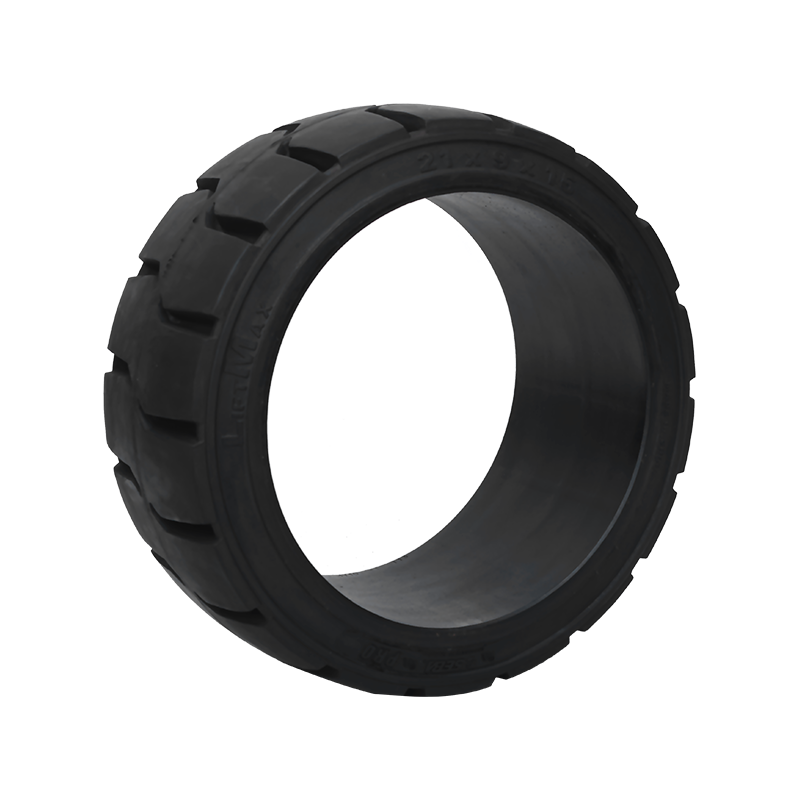
Block and lug tread patterns are the most common configuration on mid-size and large milling machine tyres. The individual tread blocks or lugs provide grip on loose asphalt millings and on unprepared surfaces, and the voids between blocks allow the tread to flex and dissipate heat more effectively than a solid tread would. The lug pattern is particularly effective for traction when the machine is working on a freshly milled surface where the broken asphalt rubble can be quite loose and unstable. The trade-off is that block and lug patterns wear faster on hard, compacted surfaces than ribbed or smoother designs, and the individual tread elements are more susceptible to chunking and tearing if the tyre runs over sharp-edged debris — a common occurrence behind a milling drum.
Ribbed and directional tread patterns
Ribbed tyres — with continuous circumferential ribs rather than individual blocks — offer lower rolling resistance and better wear resistance on hard compacted surfaces. They are well-suited to milling machines that spend a significant proportion of their operating time travelling on roads between work sites at higher speeds, where a ribbed pattern provides better high-speed stability and longer tread life than a lug pattern. However, ribbed tyres offer less traction on loose millings and in the variable surface conditions found on active road maintenance sites, which limits their suitability as the sole tyre specification on machines that must perform reliably in demanding on-site conditions.
Heat-resistant and heavy-duty compounds
Standard construction equipment tyre compounds are designed for cyclic loading at working speeds where air movement over the tyre provides significant cooling. Milling machines operating in slow forward motion — typically 3 to 15 metres per minute during milling — generate far less convective cooling than a machine moving at normal construction site speeds. Combined with the elevated ambient temperature from working on sun-heated road surfaces in summer, milling machine tyres operate at significantly higher internal temperatures than their construction machine counterparts. Heat-resistant rubber compounds with higher thermal stability and better fatigue resistance under elevated temperature conditions are available from specialist tyre manufacturers — these compounds typically cost 15 to 25% more than standard equivalents but deliver substantially longer service life in sustained milling operations, making them a cost-effective choice for high-utilisation machines.
How Milling Machine Tyres Wear and What Affects Their Service Life
Understanding the wear mechanisms that reduce milling machine tyre life helps fleet managers identify and address the causes of premature wear rather than simply accepting high tyre replacement costs as inevitable. Several factors interact to determine how long a set of asphalt milling machine tyres will last.
Abrasion from milled material
The milled asphalt and aggregate debris that the rear tyres run over is one of the primary causes of accelerated tyre wear on milling machines. Sharp-edged aggregate particles act as abrasives against the tread surface, and larger chunks of milled material can cause localised tread damage, chunking, and sidewall scuffing. Front tyres on machines where the front wheels lead the drum generally experience less abrasion from milled material than rear tyres, which is why some operators rotate tyres between front and rear positions to even out wear across all four tyres.
Operating temperature effects
Sustained operation at elevated tyre temperatures — caused by slow working speeds, high ambient temperatures, and hot road surfaces — accelerates rubber compound fatigue and oxidative degradation. Tyres that run consistently above their thermal design limit develop premature cracking in the tread and sidewall, loss of compound elasticity, and in severe cases, ply separation or bead failure. Monitoring tyre temperature with a contact or infrared thermometer during operation and comparing against the manufacturer's maximum operating temperature specification is a simple preventive measure. If temperatures are consistently high, reducing load per tyre by adjusting machine weight distribution, increasing inflation pressure to the maximum recommended value, or specifying a heat-resistant compound on the next replacement set are the practical responses.
Inflation pressure management
Incorrect inflation pressure is one of the most controllable causes of premature tyre wear and failure on milling equipment. Under-inflation causes the tyre sidewalls to flex excessively with each rotation, generating internal heat and fatigue stress that dramatically shortens tyre life — a tyre running 20% below its recommended pressure can have its service life halved. Under-inflation also increases the tyre footprint, changing the loaded radius and causing depth inaccuracy in the milled surface. Over-inflation reduces the contact patch, concentrates wear in the centre of the tread, and makes the tyre more vulnerable to impact damage from sharp debris. Checking and correcting tyre pressures at the start of each working day is the single most cost-effective tyre maintenance practice for milling machine fleets.
Chemical contamination
Milling machines operate in an environment that involves diesel fuel, hydraulic oil, cutting lubricant, and the bitumen binders in the asphalt being milled. All of these substances can contaminate tyre surfaces, and petroleum-based compounds — fuel and oil in particular — attack rubber compounds, causing swelling, softening, and accelerated degradation of both the tread and sidewall. Keeping refuelling and hydraulic maintenance procedures tidy, cleaning any fuel or oil spills from tyre surfaces promptly, and avoiding parking machines on surfaces contaminated with petroleum products are practical measures that extend tyre life. Some tyre compounds are specifically formulated with improved oil resistance for applications where chemical contamination is unavoidable.
Wear Indicators and Knowing When to Replace Milling Machine Tyres
Deciding when to replace milling machine tyres involves balancing safety and machine performance against the cost of premature replacement. Replacing tyres too early wastes serviceable life; continuing with tyres past their safe working condition risks blowout, instability, or loss of depth accuracy on the milled surface. The following indicators guide replacement timing:
- Tread depth at or below minimum: Most construction equipment tyre manufacturers specify a minimum remaining tread depth — typically 3 to 5mm for large off-road tyres. Below this threshold, wet traction and resistance to puncture from sharp debris are significantly reduced. Many milling machine tyres include moulded tread wear indicators at the minimum depth level as a visual guide.
- Uneven wear across the tread width: Significant centre wear or shoulder wear indicates chronic inflation pressure problems — over-inflation causes centre wear, under-inflation causes shoulder wear. Uneven wear across a set of tyres also indicates machine alignment issues that should be corrected before fitting replacement tyres, otherwise the new set will wear in the same uneven pattern.
- Sidewall cracking or checking: Fine surface cracks in the sidewall rubber — sometimes called checking or weathering — indicate compound degradation from heat, UV exposure, or chemical attack. Superficial surface checking is cosmetically undesirable but may not immediately compromise structural integrity. Deep cracking that penetrates to the carcass fabric is a structural failure risk requiring immediate replacement.
- Bulges or deformations in the sidewall or tread: Any bulge, lump, or localised deformation in the tyre profile indicates internal structural damage — typically ply separation or belt edge lifting — that makes the tyre a blowout risk. Tyres showing these symptoms must be removed from service immediately regardless of remaining tread depth.
- Diameter inconsistency across the set: As noted earlier, significant diameter differences between tyres on the same machine affect cutting depth accuracy. When tread wear has reduced the diameter of some tyres noticeably more than others — a difference typically detectable by measuring the loaded height at the tyre centreline — replacing the worn tyres to restore diameter consistency is justified on accuracy grounds even if minimum tread depth has not yet been reached.
- Chunking and tread block loss: Localised loss of tread blocks or chunks from the tread surface indicates either mechanical damage from running over sharp debris or compound fatigue from thermal degradation. Progressive chunking accelerates because the edges of the damage sites act as stress concentrators for further loss. Tyres losing multiple tread elements should be replaced rather than monitored, as the rate of further loss is unpredictable.
Sourcing Replacement Tyres for Milling Machines: What to Check
The market for milling machine replacement tyres includes OEM (original equipment manufacturer) tyres supplied through the machine manufacturer's parts channel, and aftermarket tyres from specialist construction equipment tyre suppliers. Both sources can provide acceptable products, but the evaluation criteria differ and the risks of incorrect specification are significant enough to warrant careful supplier assessment.
OEM versus aftermarket sourcing
OEM tyres sourced through Wirtgen, Caterpillar, Bomag, or other machine manufacturer parts channels are the safest specification choice — they are tested and approved for the specific machine model, carry the manufacturer's dimensional and performance guarantees, and support machine warranty compliance. The trade-off is that OEM channel tyres are typically 20 to 40% more expensive than comparable aftermarket options and may have longer lead times, particularly for less common machine models. For high-utilisation machines where tyre specification confidence directly affects daily productivity and depth accuracy, the OEM premium is frequently justified.
Quality aftermarket tyres from established construction equipment tyre brands — including Michelin, Bridgestone, BKT, Alliance, and Camso — are a legitimate alternative when OEM supply is unavailable, too expensive, or has unacceptable lead times. The key requirement is that the aftermarket tyre matches the OEM specification precisely in overall diameter, load rating, and ply rating — not just in the nominal size designation, as dimensional variations between brands in the same nominal size can be significant. Requesting the manufacturer's dimensional data sheet and comparing overall diameter at rated inflation pressure against the OEM tyre specification before ordering is the essential verification step.
Questions to ask any tyre supplier
- What is the overall diameter of this tyre at the rated inflation pressure, and how does it compare to the OEM tyre specification for my machine model?
- What is the maximum operating temperature specification for this tyre, and is a heat-resistant compound variant available for sustained low-speed milling operation?
- Do you hold stock of matched sets — all four or all six tyres from the same production batch — to minimise dimensional variation across the machine?
- What is your lead time for this specification, and do you hold safety stock for repeat orders?
- Can you provide load/inflation tables confirming the tyre's load capacity at the machine's operating inflation pressure?
Practical Tyre Maintenance Routine for Milling Machine Fleets
A consistent tyre maintenance routine applied across a milling machine fleet reduces unplanned downtime, extends tyre service life, and maintains the depth accuracy that quality milling work demands. The following routine covers the essential daily, weekly, and periodic checks:
- Daily — inflation pressure check: Check and correct tyre pressures at the start of each shift, before the tyres have warmed up from operation. Use a calibrated gauge and reference the machine manufacturer's cold inflation pressure specification. Record the readings — a tyre losing pressure consistently between checks indicates a slow puncture or bead seal issue that should be investigated before it becomes a rapid deflation in operation.
- Daily — visual inspection: Walk around the machine before starting and visually inspect all tyres for sidewall damage, tread chunking, embedded objects, and any visible deformation. Pay particular attention to the inside faces of the rear tyres, which are most exposed to milled material debris and are less visible during normal operation.
- Weekly — tread depth measurement: Measure remaining tread depth at three points across the tread width on each tyre and record against the tyre serial number. Tracking wear rate over time allows remaining service life to be predicted and replacement tyres to be ordered in advance, avoiding last-minute emergency sourcing.
- Weekly — loaded diameter check: Measure the loaded height of each tyre at the wheel centreline with the machine at operating weight and correct inflation pressure. Compare across all tyres — a variation of more than 10 to 15mm between any two tyres warrants investigation of the cause and may require early replacement of the shorter tyre to restore diameter consistency.
- Periodically — rotation between positions: On machines where front and rear tyre wear rates differ significantly, rotating tyres between positions evens out wear across the set and extends the point at which a full set replacement is needed. Consult the machine manufacturer's guidance on rotation intervals and permissible rotation patterns before implementing a rotation programme, as some machines have specific load or traction requirements that make rotation between certain positions inadvisable.
- After any significant impact or debris contact: If a machine tyre runs over significant debris or is observed to have made heavy contact with a kerb or other obstacle, remove the tyre from service and inspect the internal structure before returning it to operation. Internal ply damage from impact events is not always visible externally and can cause sudden failure if the tyre is put back to work without inspection.
CONTACT US
-

Email: SMT001@saimeite-tyre.com
-

Phone: +86-18451337018No. 1, Renmin South Road, Yandu District, Yancheng City, Jiangsu Province, China