
 English
 한국어
한국어 Français
 Español

The Ultimate Guide to Selecting and Maintaining Boom Lift Tires for Peak Performance
Content
Understanding the Core Types of Boom Lift Tires
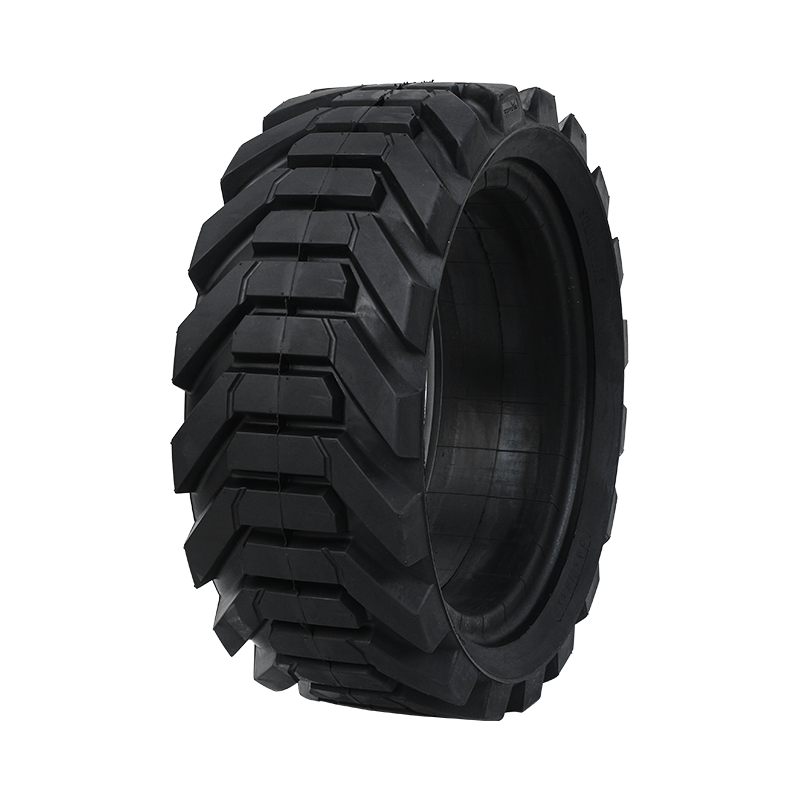
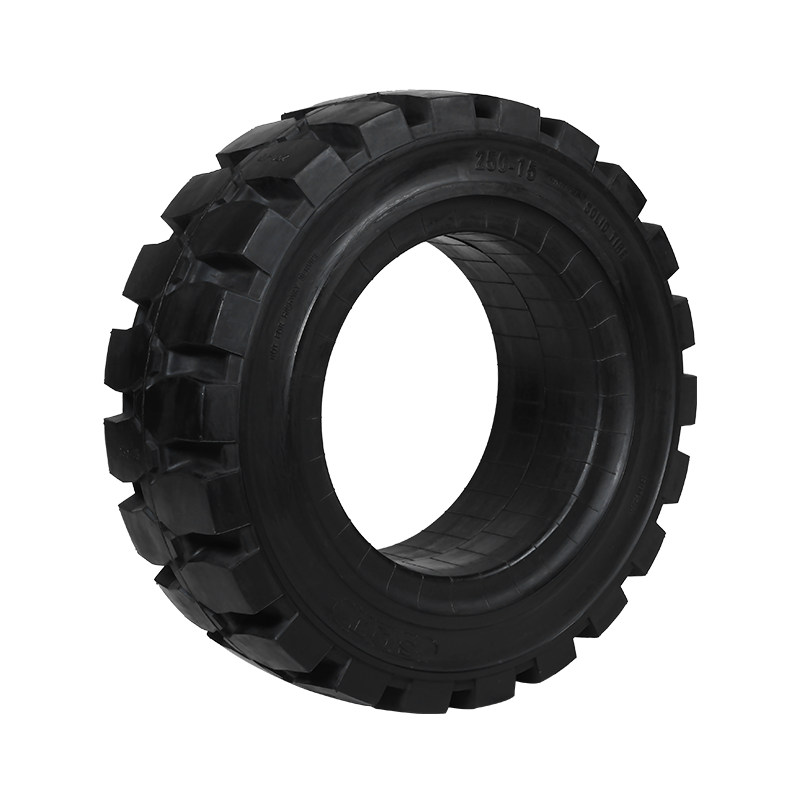
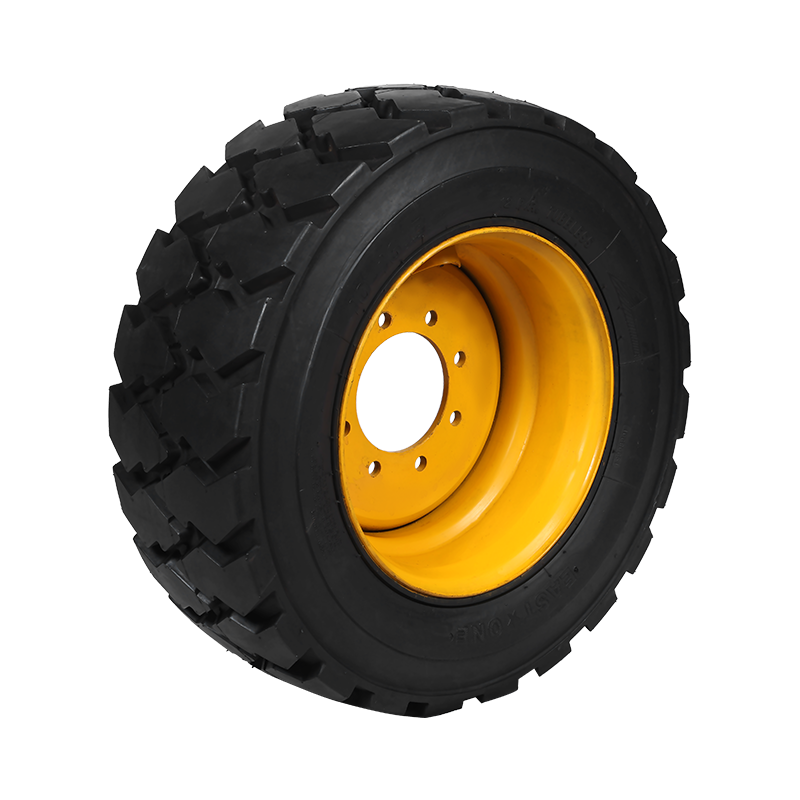
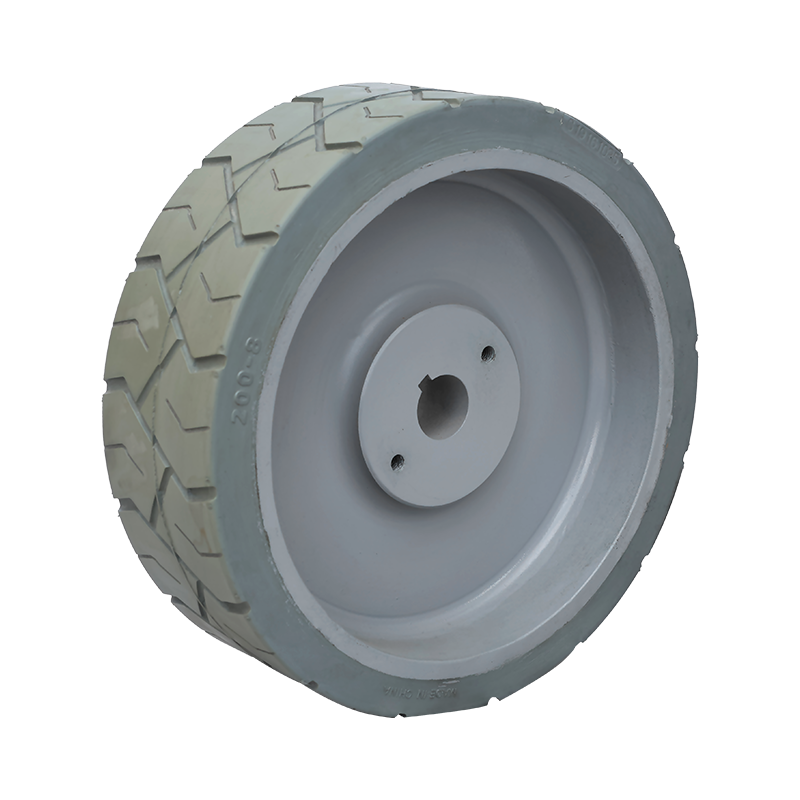
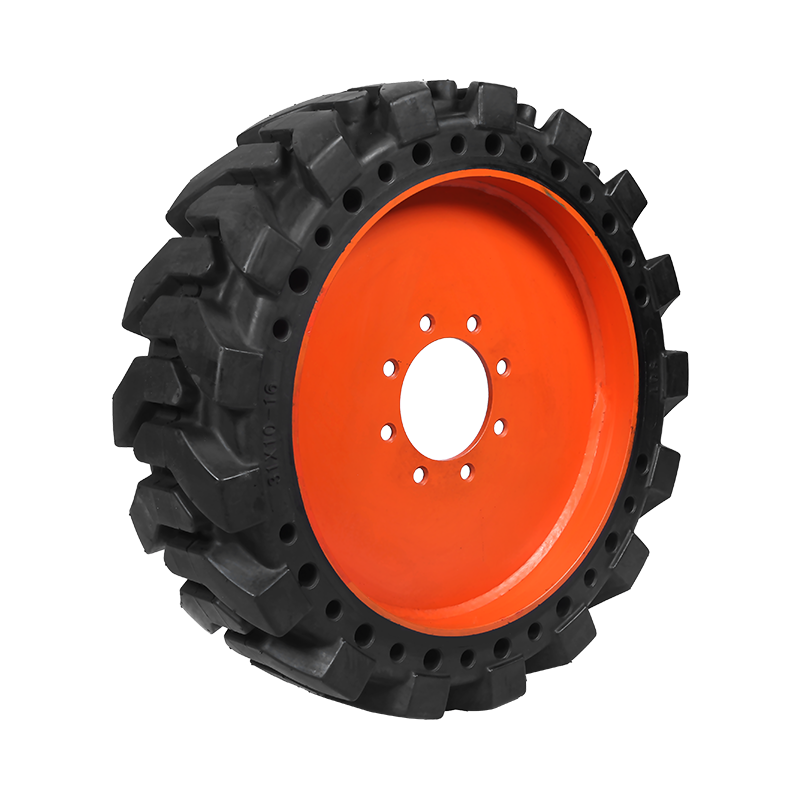
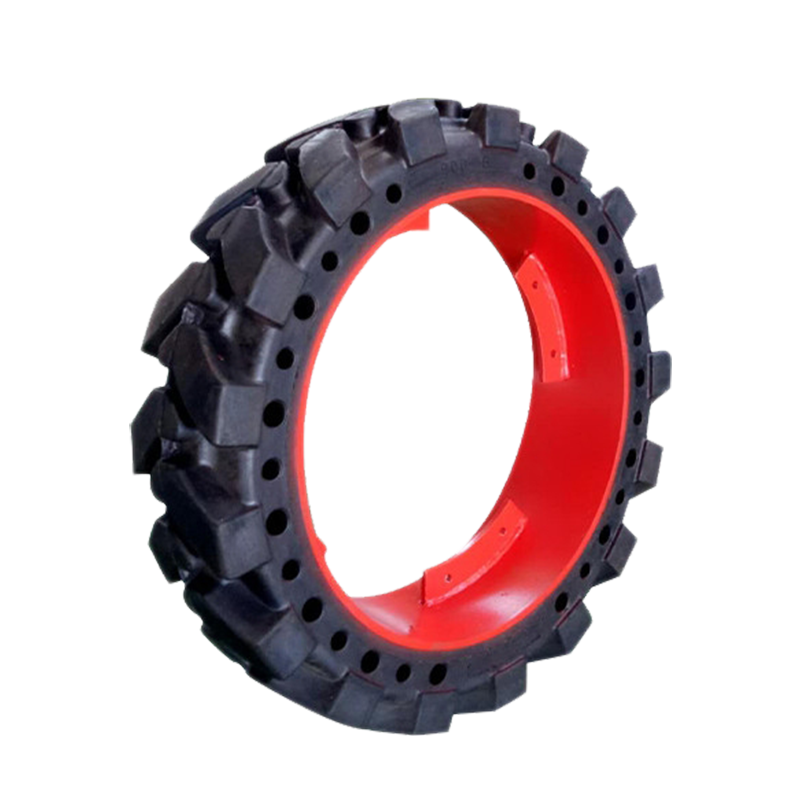
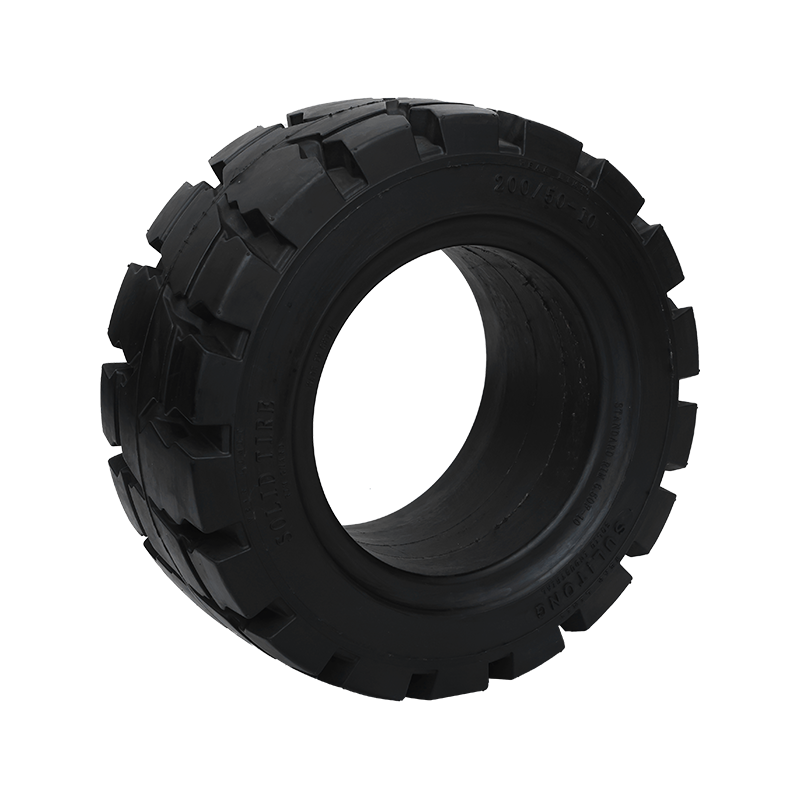
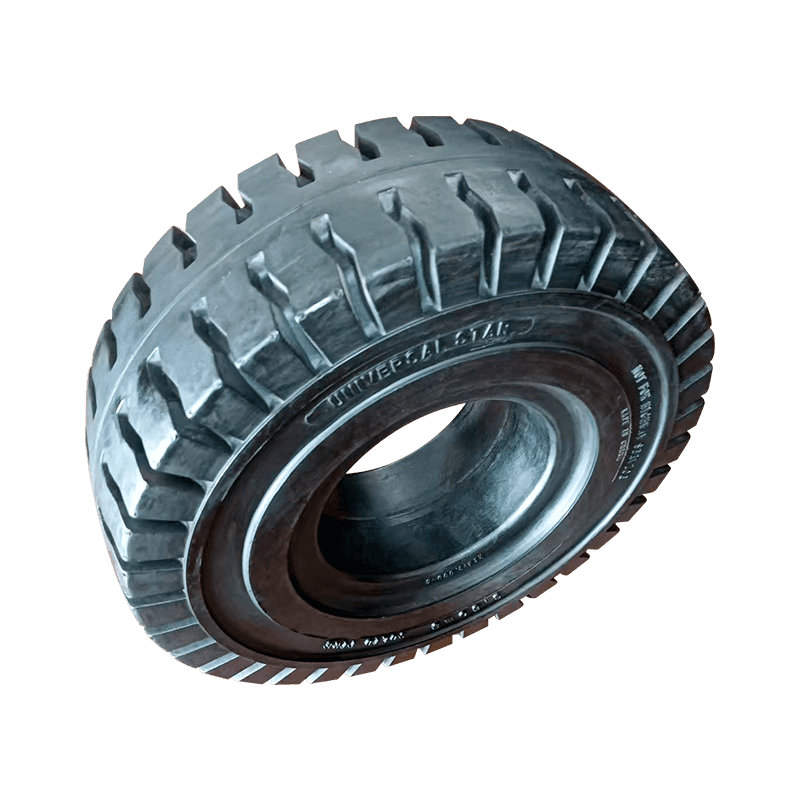
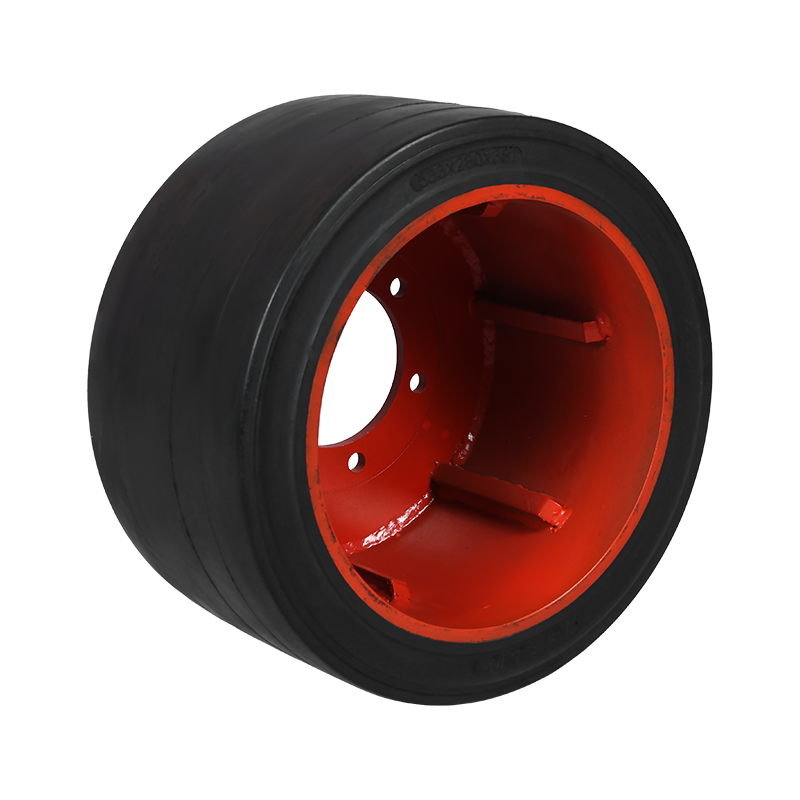
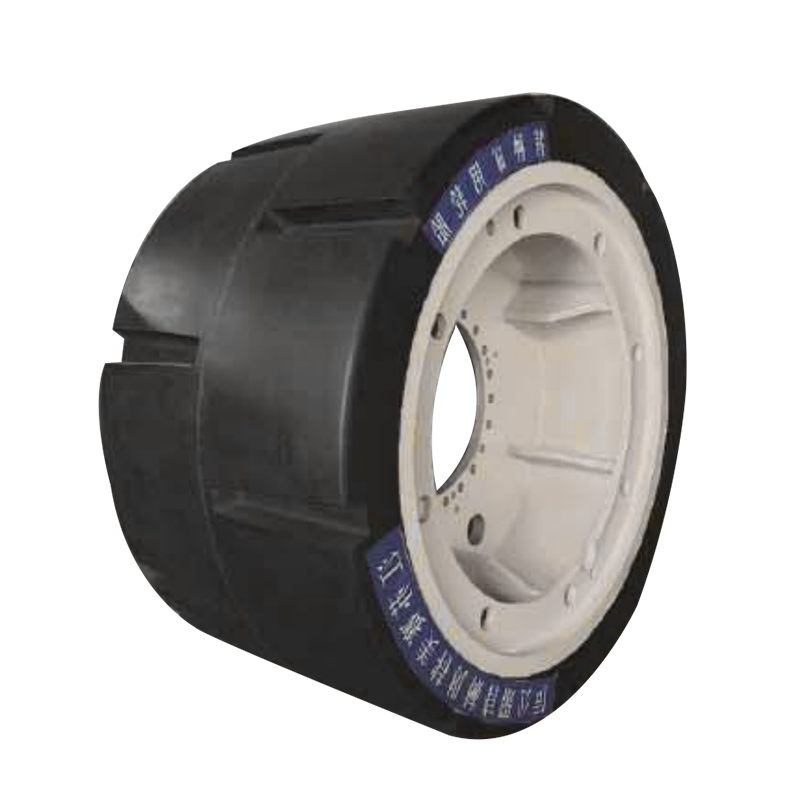
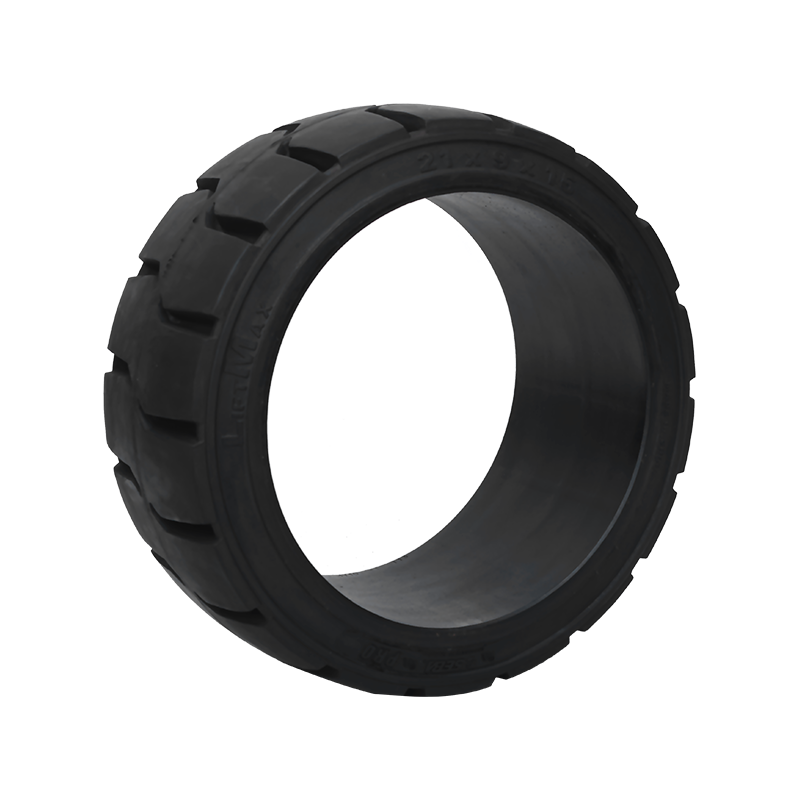
Selecting the right aerial work platform rubber is critical for both safety and machine efficiency. Boom lift tires generally fall into three main categories: pneumatic (air-filled), foam-filled, and solid (aperture) tires. Air-filled tires offer the best cushion and lowest ground pressure, making them ideal for soft soil, though they are susceptible to punctures. Foam-filled tires are the industry standard, providing the stability of a solid tire with a bit more shock absorption. Solid tires, often featuring specialized apertures or "holes" for a smoother ride, are virtually indestructible and used primarily in high-debris environments like demolition sites or scrap yards.
Performance Comparison of Aerial Lift Tire Options
When deciding on a tire replacement, you must weigh the environment of your job site against the specific needs of your machine. Foam-filled pneumatic tires are often preferred because they eliminate the risk of a blowout while the boom is extended, which is a significant safety hazard. Solid rubber tires, while heavier, provide a lower center of gravity which can improve the stability of the lift at its maximum reach.
| Tire Type | Best Use Case | Durability | Cost Factor |
| Pneumatic | Sand and soft turf | Moderate | Low |
| Foam-Filled | General construction | High | Moderate |
| Solid/Aperture | Demolition/Recycling | Extreme | High |
Essential Maintenance Tips for Extending Tire Life
Proper care of your boom lift tires ensures that the machine remains level and safe during operation. Uneven wear can lead to "tippy" behavior, especially when the basket is at full height. Regular inspections are mandatory, particularly checking for "chunking"—where pieces of the tread break off—and sidewall damage from hitting curbs or debris. Keeping the job site clear of sharp metal scraps and large rocks can significantly extend the lifespan of your investment.
Daily Inspection Checklist
- Check for deep cuts or cracks in the sidewalls that expose internal cords.
- Verify that all lug nuts are tightened to the manufacturer's specified torque.
- Inspect the rims for any bends or damage that could compromise the tire bead.
- Ensure there are no oil or chemical leaks on the rubber, as these can degrade the compound.
When to Replace Your Boom Lift Tires
Knowing exactly when to replace your tires is a matter of both safety and compliance. Most manufacturers recommend replacement when the tread depth reaches a certain minimum or when flat spots begin to cause excessive vibration during travel. For foam-filled tires, look for signs of "squishiness" or leakage of the filling material. Because boom lifts are often used on uneven terrain, a tire that has lost its structural integrity can lead to a machine tip-over, making proactive replacement the only responsible choice for fleet managers.
CONTACT US
-

Email: SMT001@saimeite-tyre.com
-

Phone: +86-18451337018No. 1, Renmin South Road, Yandu District, Yancheng City, Jiangsu Province, China