
 English
 한국어
한국어 Français
 Español

Maximizing Efficiency: The Ultimate Guide to Choosing and Maintaining Electric Mini Forklift Tires
Content
Understanding Electric Mini Forklift Tires
Electric mini forklift tires are a crucial component that directly affects the performance, safety, and efficiency of your forklift operations. Unlike traditional forklifts, electric mini forklifts are designed for indoor and light outdoor use, requiring tires that can handle smooth surfaces, tight turns, and frequent stops without compromising stability.
These tires come in various types, including solid rubber, pneumatic, and polyurethane. Each type has unique advantages depending on the work environment, load capacity, and floor conditions.
Types of Electric Mini Forklift Tires
Solid Rubber Tires
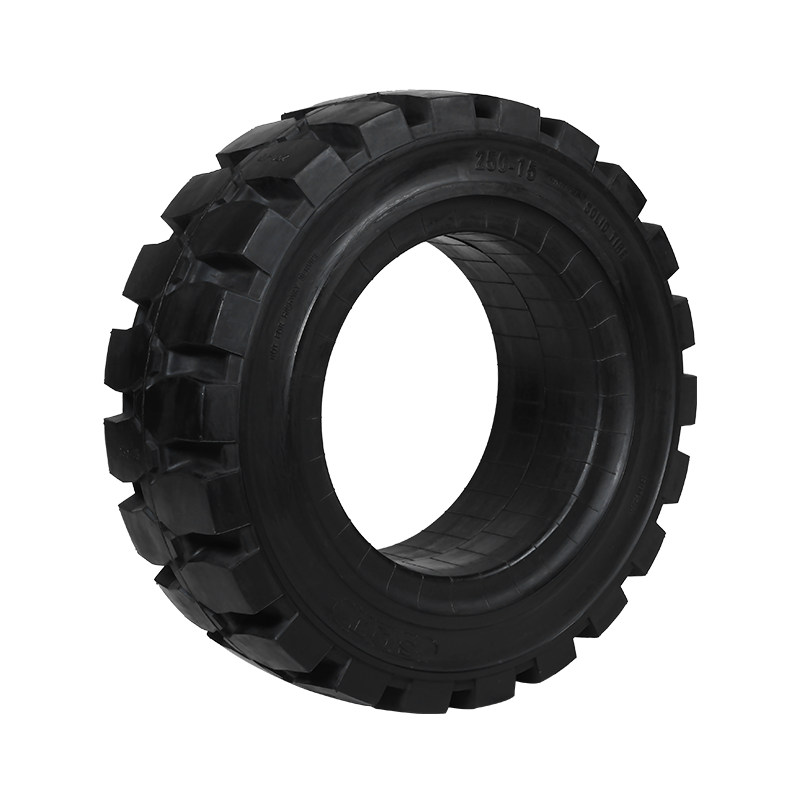
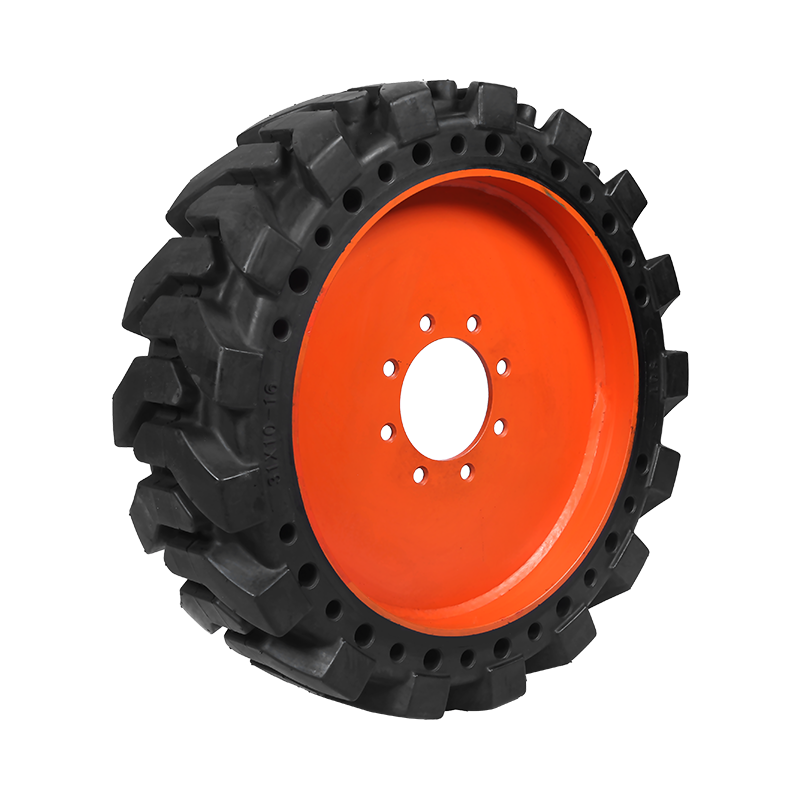
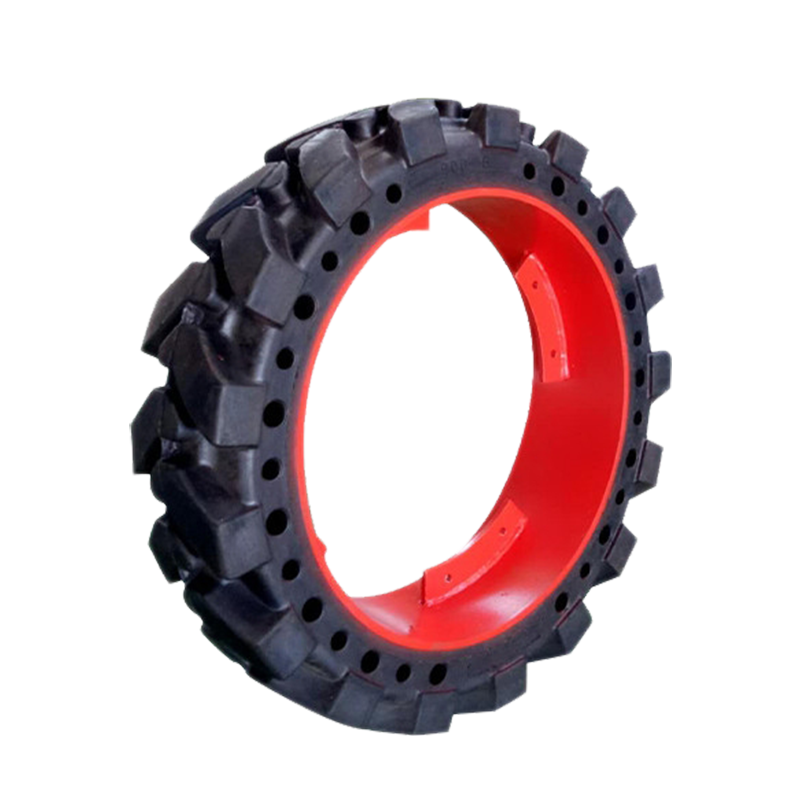
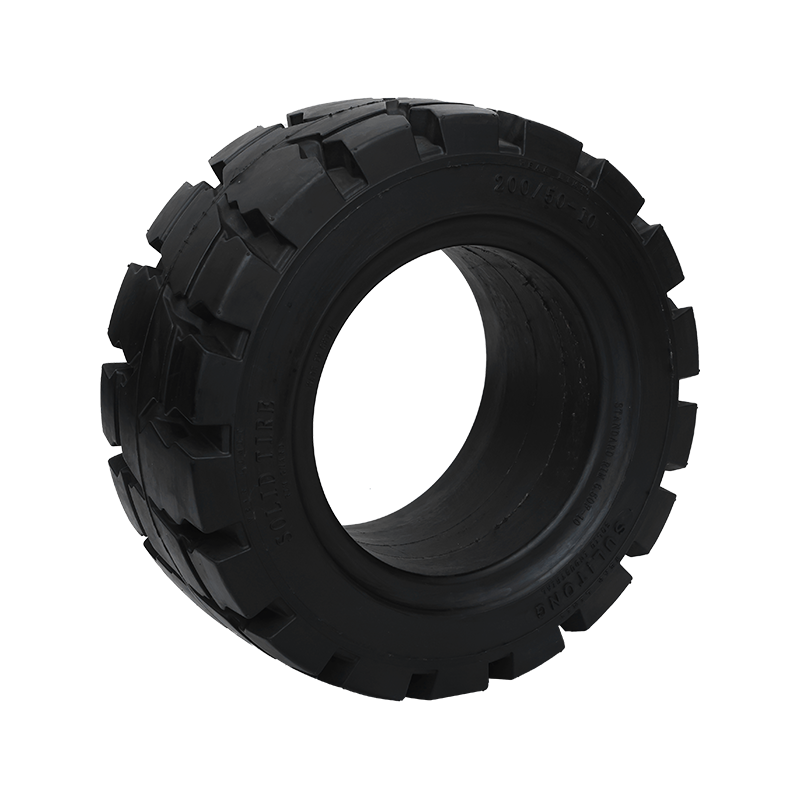
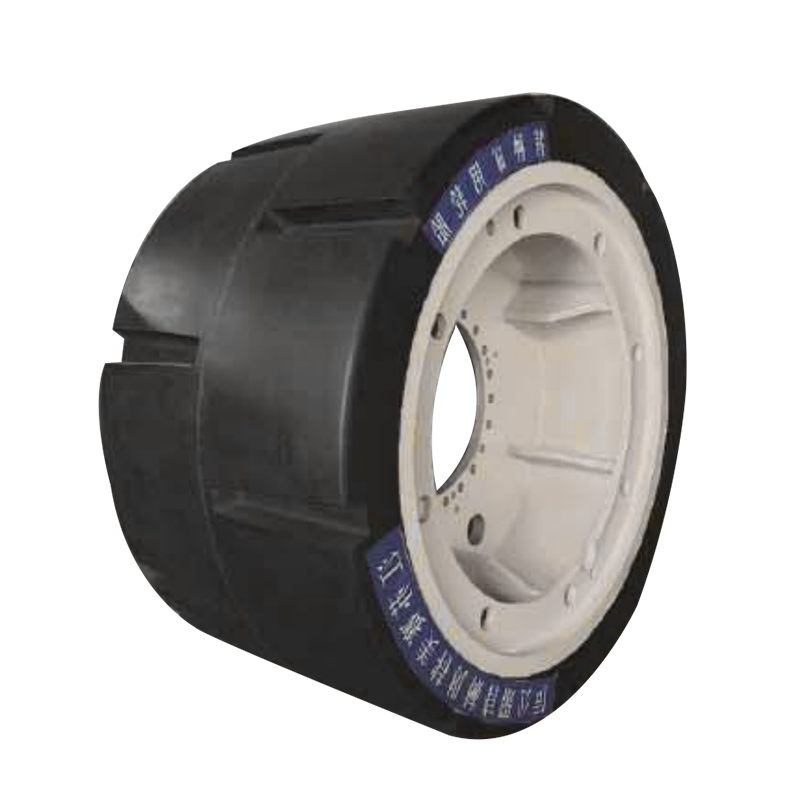
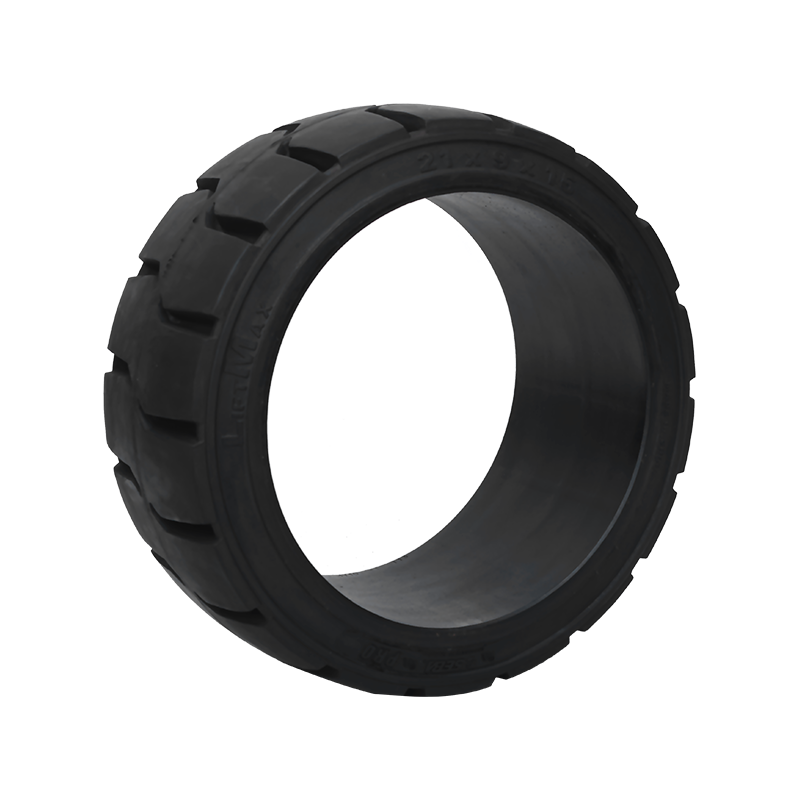
Solid rubber tires are puncture-proof and maintenance-free, making them ideal for indoor warehouses with smooth concrete floors. They provide excellent stability but may result in a slightly rougher ride compared to pneumatic tires.
Pneumatic Tires
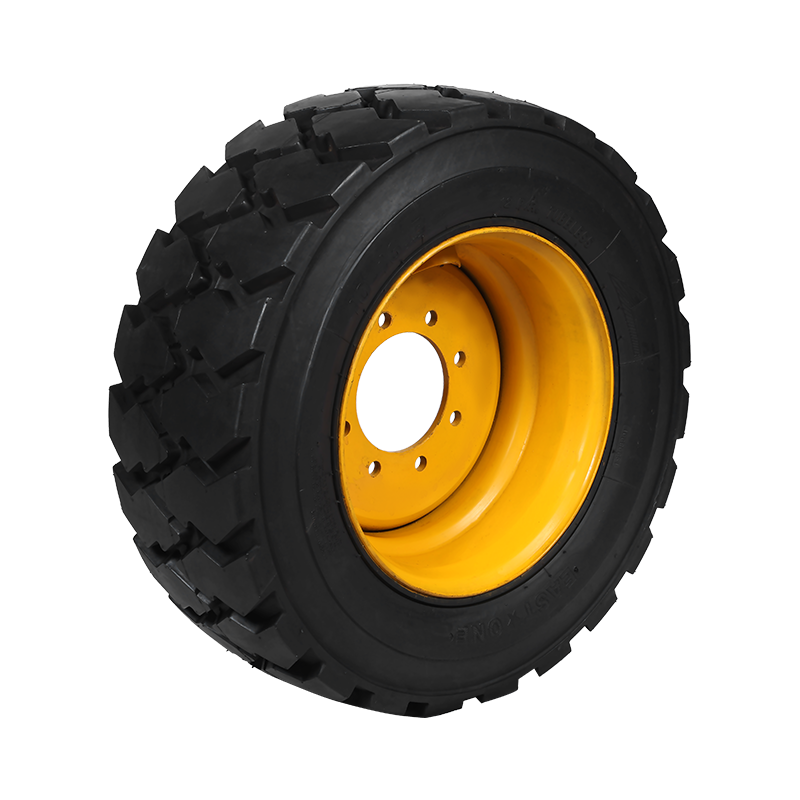
Pneumatic tires are air-filled and provide superior shock absorption. They are suitable for outdoor areas or uneven surfaces, but they require regular maintenance to prevent punctures and maintain optimal air pressure.
Polyurethane Tires
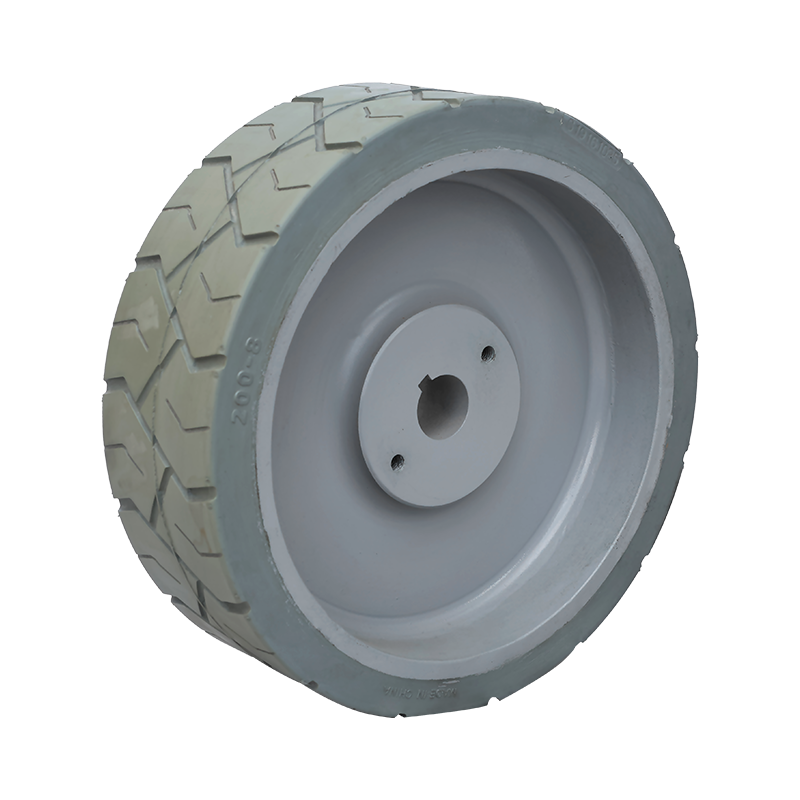
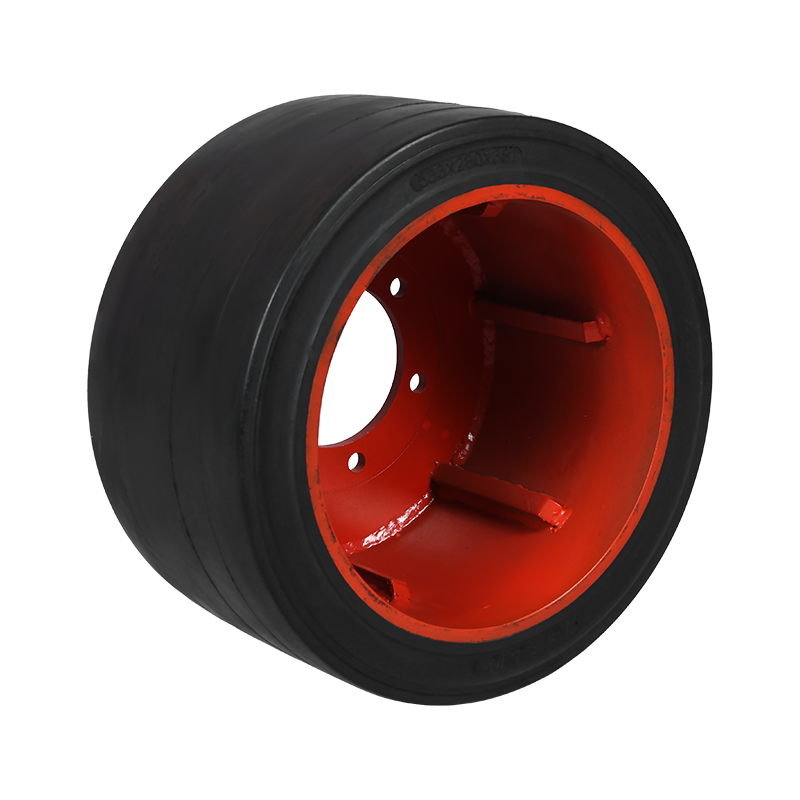
Polyurethane tires are lightweight, resistant to chemicals and abrasions, and offer a smooth ride indoors. They are commonly used in industries like logistics, retail, and food processing, where floor protection and quiet operation are essential.
Key Factors When Choosing Tires
Selecting the right electric mini forklift tire requires evaluating several factors to ensure optimal performance and safety.
- Load Capacity: Tires must match the forklift’s maximum load to prevent premature wear or failure.
- Surface Conditions: Smooth concrete floors, rough terrain, or mixed surfaces demand different tire materials.
- Durability: Consider the expected lifespan and resistance to wear, chemicals, and punctures.
- Traction: Adequate traction is essential for safe operation, especially in wet or slippery environments.
- Maintenance Requirements: Choose tires that fit your maintenance capabilities and downtime tolerance.
Maintenance Tips for Electric Mini Forklift Tires
Proper maintenance extends tire life and ensures forklift safety. For solid and polyurethane tires, regular inspection for cracks, cuts, and excessive wear is essential. Pneumatic tires require checking air pressure and ensuring no leaks are present.
Operators should also monitor tread depth and replace tires before they become too worn. Aligning tires properly and avoiding sharp turns at high speeds can reduce uneven wear and prolong overall performance.
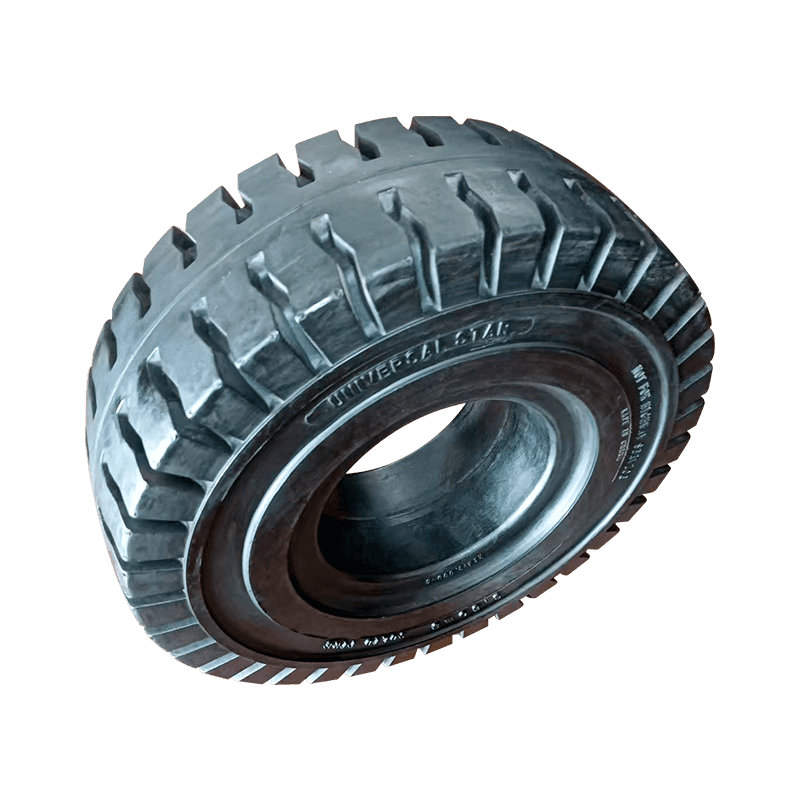
Comparing Electric Mini Forklift Tire Options
The following table provides a side-by-side comparison of the most common electric mini forklift tire types, highlighting their advantages and ideal applications:
| Tire Type | Advantages | Best Use |
| Solid Rubber | Puncture-proof, low maintenance, stable | Indoor warehouses, smooth floors |
| Pneumatic | Shock absorption, comfortable ride | Outdoor use, uneven terrain |
| Polyurethane | Lightweight, chemical-resistant, smooth operation | Indoor operations, quiet environments |
Maximizing Tire Lifespan
To maximize the lifespan of your electric mini forklift tires, follow these practical tips: avoid overloading, keep tires clean, rotate tires when possible, and operate the forklift at recommended speeds. Monitoring floor conditions and keeping sharp debris away from tire paths also prevents accidental damage.
Investing in quality tires and maintaining them properly not only reduces replacement costs but also improves operational efficiency and safety, making them an essential part of any electric mini forklift operation.

CONTACT US
-

Email: SMT001@saimeite-tyre.com
-

Phone: +86-18451337018No. 1, Renmin South Road, Yandu District, Yancheng City, Jiangsu Province, China