
 English
 한국어
한국어 Français
 Español

The Ultimate Guide to Selecting and Maintaining Industrial Forklift Tires
Content
Understanding the Core Types of Industrial Forklift Tires
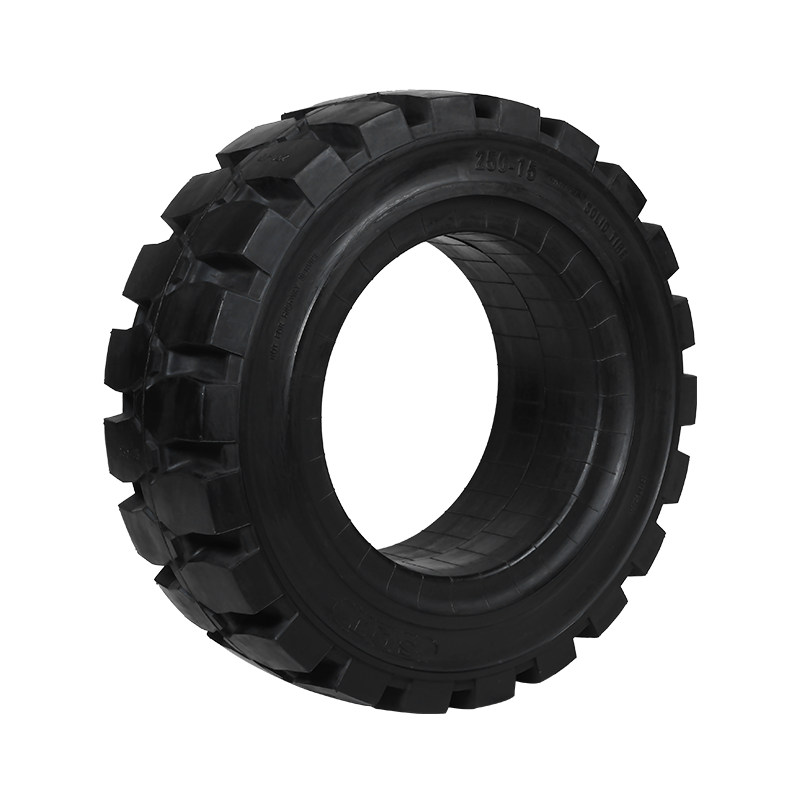
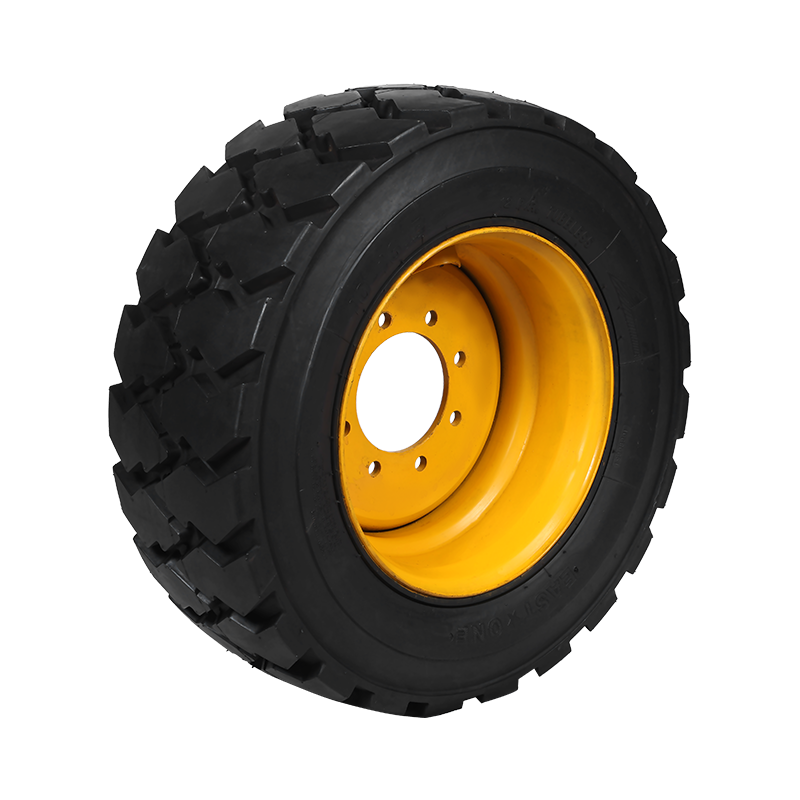
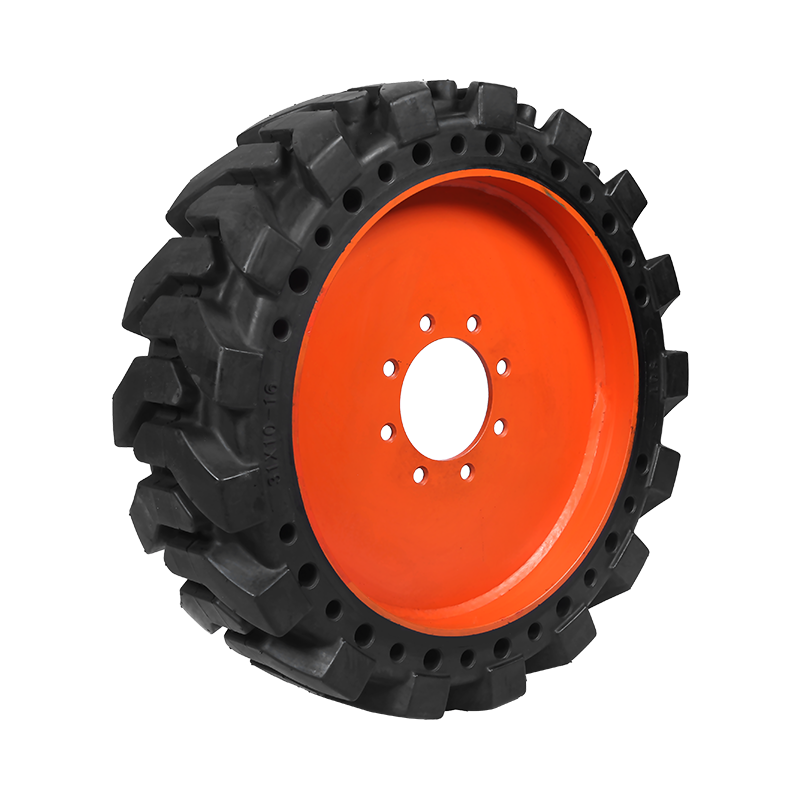
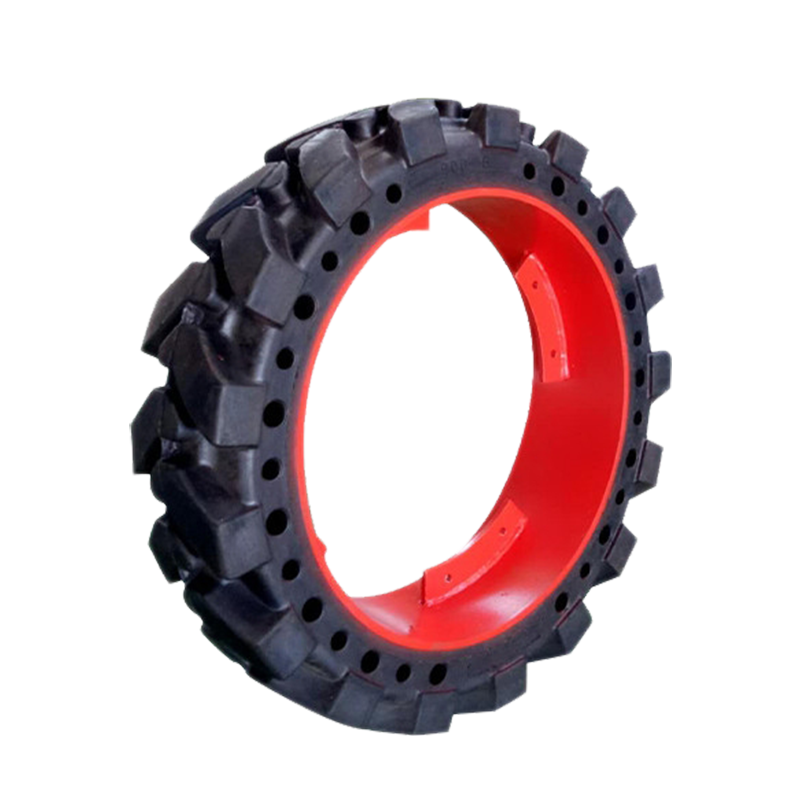
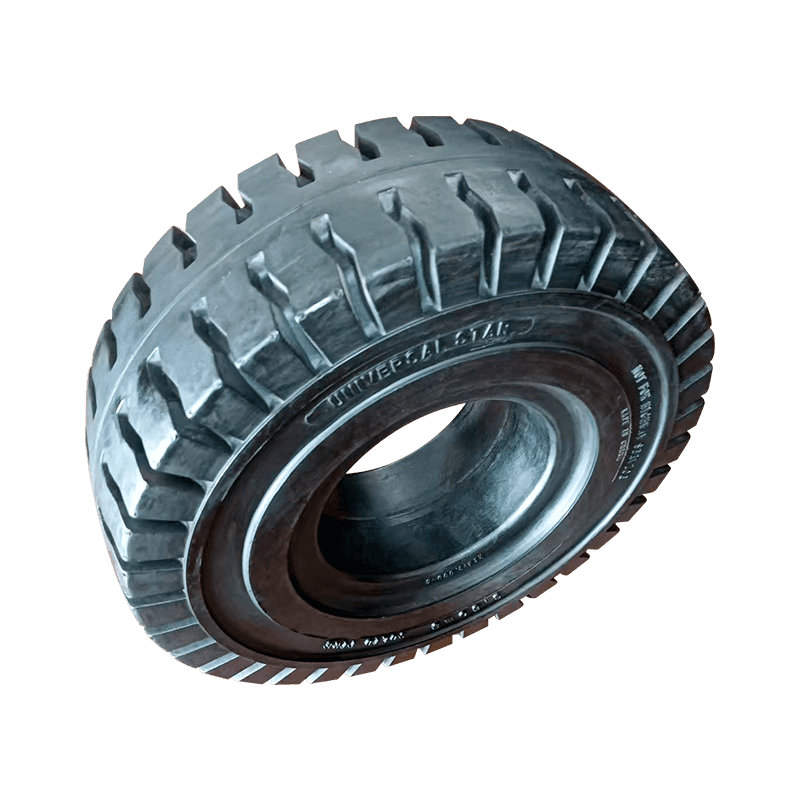
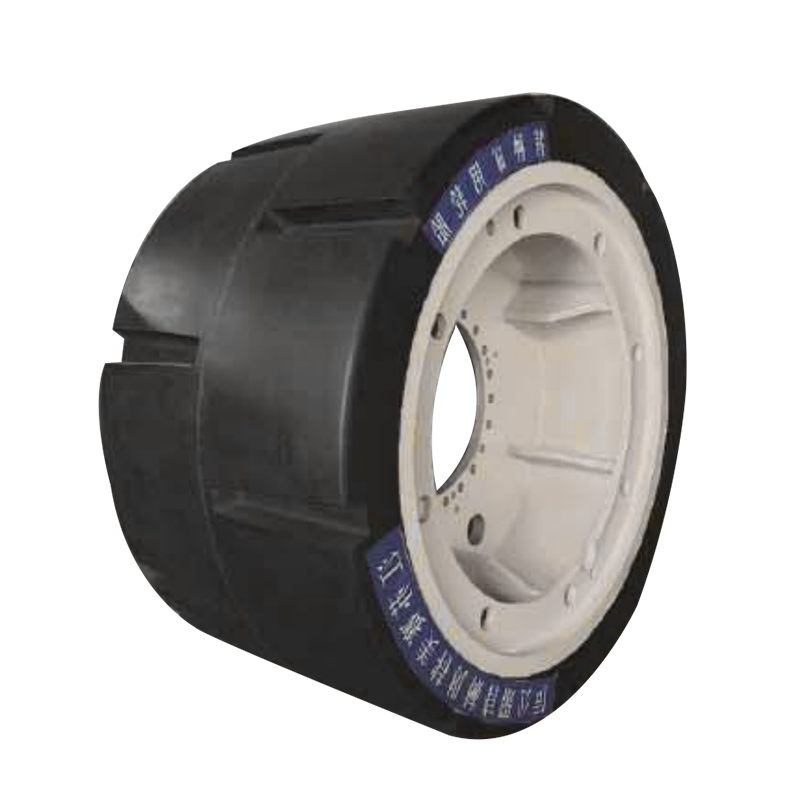
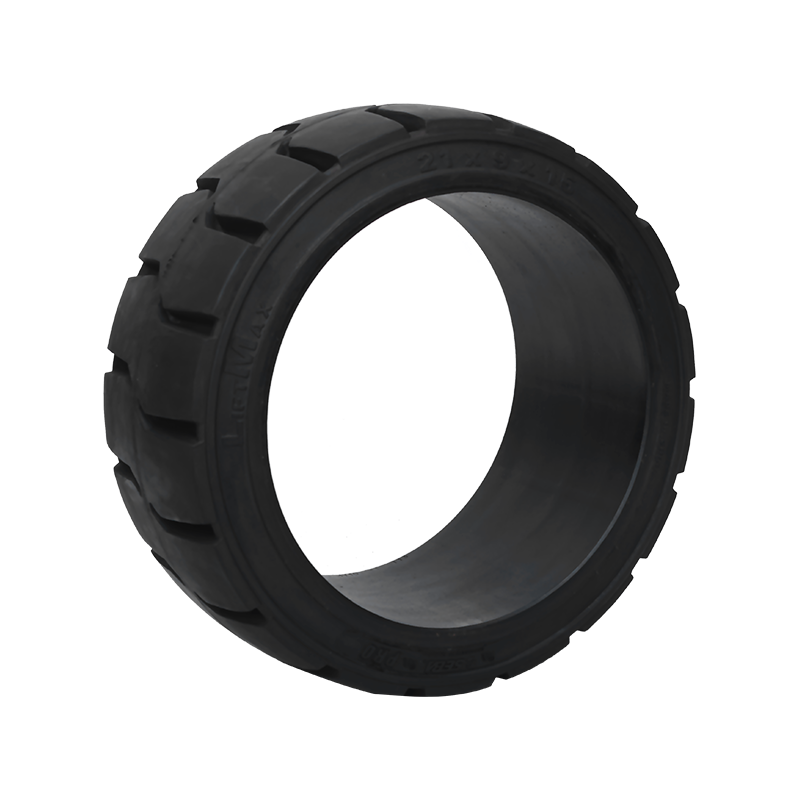
Selecting the right industrial forklift tire is not merely a matter of fitment; it is a critical decision that impacts fuel efficiency, operator safety, and floor preservation. Industrial tires are generally categorized into three primary types: pneumatic, solid (resilient), and polyurethane. Pneumatic tires, similar to truck tires, are filled with compressed air and provide a cushioned ride, making them ideal for uneven outdoor terrain like construction sites or lumber yards. Solid pneumatic tires, however, are made of solid rubber and are puncture-proof, designed for environments with high debris where nails or metal scrap would instantly disable a standard air-filled tire.
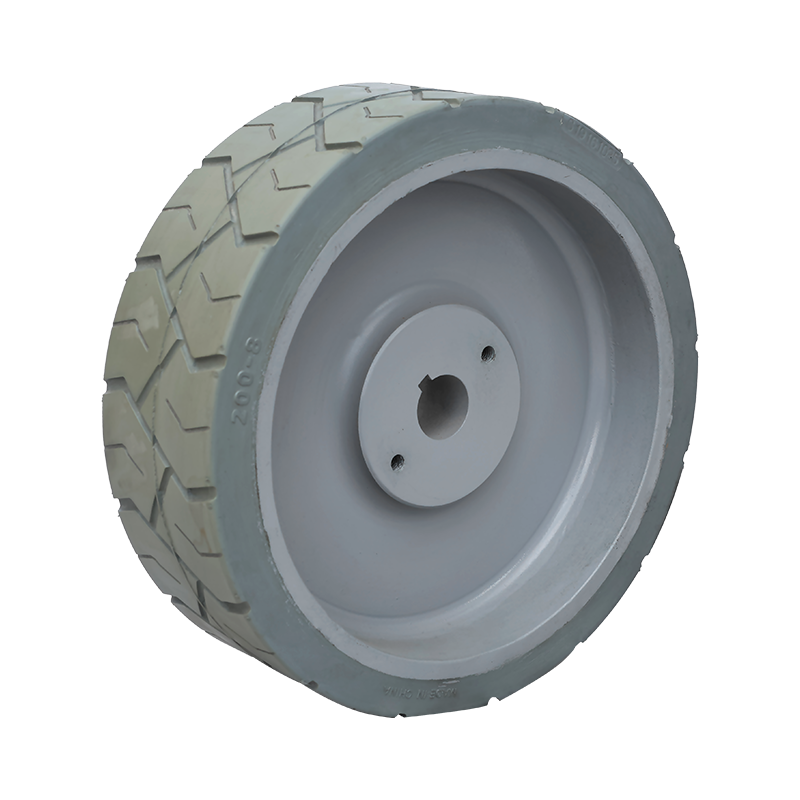
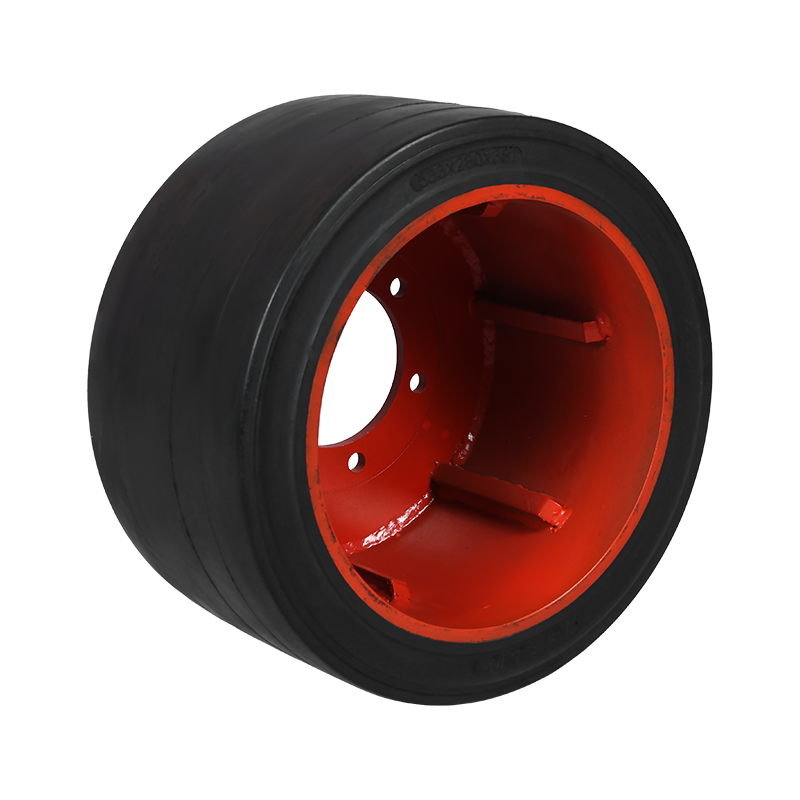
Polyurethane tires are typically used for indoor electric forklifts, such as reach trucks or order pickers. They offer low rolling resistance, which extends battery life, and provide a higher load-carrying capacity than rubber. However, they lack the shock absorption needed for outdoor use. Choosing between these types requires a deep audit of your facility's floor conditions and the specific weight of the loads being moved.
Technical Comparison of Tire Compounds and Performance
The chemical composition of a forklift tire dictates its longevity and suitability for specific applications. Most industrial tires are available in "Standard Black" or "Non-Marking" compounds. Non-marking tires are essential for industries like food processing, pharmaceuticals, or high-end electronics where carbon black dust cannot be tolerated on the floors. While these tires prevent unsightly streaks, they often have a shorter lifespan because they lack the carbon black that helps dissipate heat.
| Tire Feature | Pneumatic (Air) | Solid Resilient | Polyurethane |
| Best Environment | Outdoor / Rough | Indoor / Outdoor Debris | Indoor / Smooth Floors |
| Durability | Moderate | Very High | High (Load specific) |
| Shock Absorption | Excellent | Good | Low |
Critical Indicators for Tire Replacement
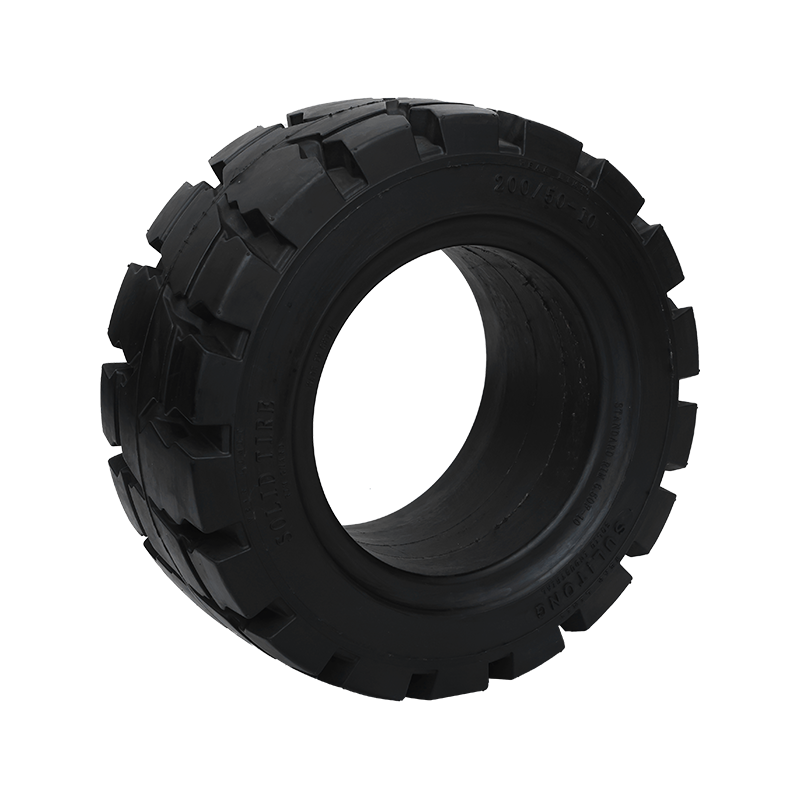
Operating a forklift on worn-out tires is a significant safety hazard that can lead to tip-overs or transmission damage due to increased vibration. Unlike automotive tires, industrial tires often don't show "tread wear" in a traditional sense before they need replacing. Operators and maintenance managers must be trained to recognize specific physical cues that indicate the end of a tire's service life.
Common Signs of Wear:
- The 60-J Line: Most solid tires have a wear bar or "safety line" molded into the sidewall. Once wear reaches this line, the tire has lost its structural integrity.
- Chunking and Pitting: If large pieces of rubber are falling off the tire (chunking) or the surface looks like it has been eaten away (pitting), the tire is no longer safe for heavy loads.
- Flat Spots: Frequent sudden braking or leaving a forklift parked with a heavy load for long periods can create flat spots, causing a bumpy ride and potential axle damage.
- Radial Cracking: Often seen in older tires or those exposed to extreme heat, heat checking or cracking suggests the rubber compound has degraded and may fail under pressure.
Best Practices for Extending Tire Service Life
Industrial forklift tires represent a significant portion of annual maintenance costs. To extend their life, facility managers should implement strict operational protocols. This includes ensuring operators avoid "spinning" tires during acceleration and maintaining a clean warehouse floor to prevent debris from embedding into the rubber. Furthermore, heat is the primary enemy of rubber; allowing tires to "cool down" during multi-shift operations can prevent internal liquefaction or "blowouts" in solid tires.
Regular pressure checks are mandatory for pneumatic tires. Even a 10% drop in pressure can significantly increase the internal temperature and decrease the load-bearing capacity of the tire. For solid tires, ensuring the steer axle is properly aligned prevents uneven wear patterns that force premature replacement of the entire set. By treating tires as a high-value asset rather than a consumable, companies can reduce downtime and improve their bottom line.

CONTACT US
-

Email: SMT001@saimeite-tyre.com
-

Phone: +86-18451337018No. 1, Renmin South Road, Yandu District, Yancheng City, Jiangsu Province, China