
 English
 한국어
한국어 Français
 Español

The Unsung Heroes of Industry: A Deep Dive into Forklift Tires
Forklifts are the tireless workhorses of global commerce, moving nearly every produced good at some point along the supply chain. Yet, the components that literally keep these essential machines rolling—the industrial forklift tires—often go unnoticed. Far from being simple rubber circles, these tires are engineering marvels whose design is critical to safety, efficiency, and the entire logistics operation.
Content
Defining the Work Environment
The choice of forklift tire is dictated almost entirely by the environment in which the forklift operates. A tire perfect for a smooth indoor warehouse floor would quickly fail in a rugged lumberyard, and vice versa. This necessity has given rise to a few main types of specialized industrial tires.
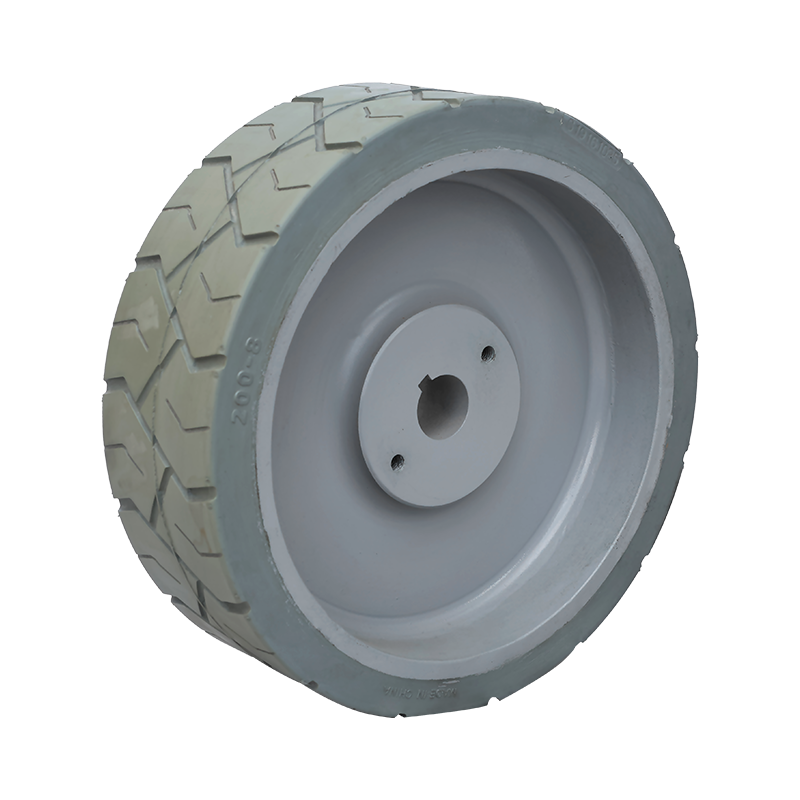
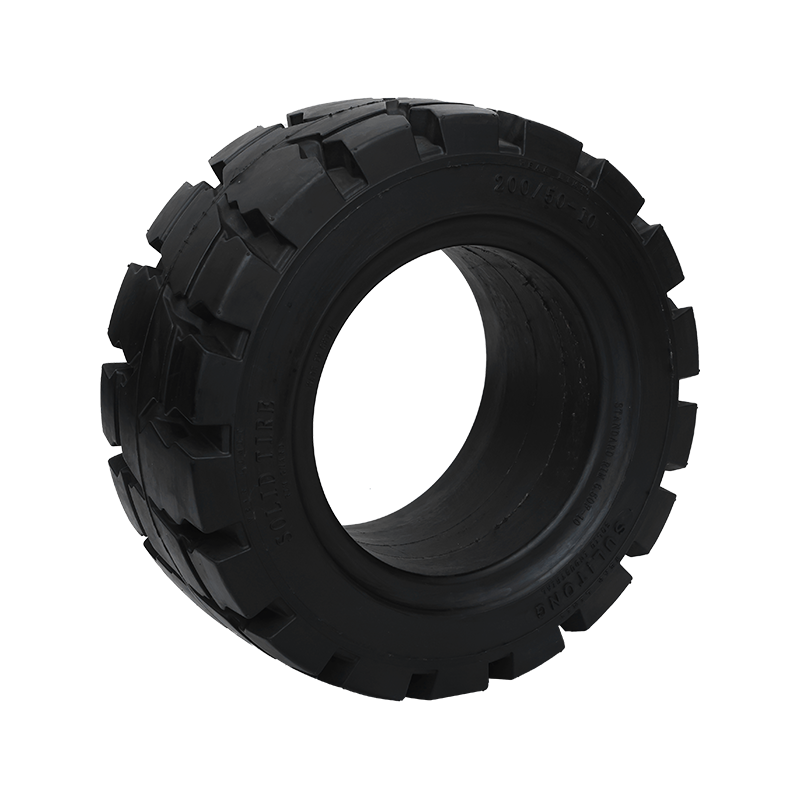
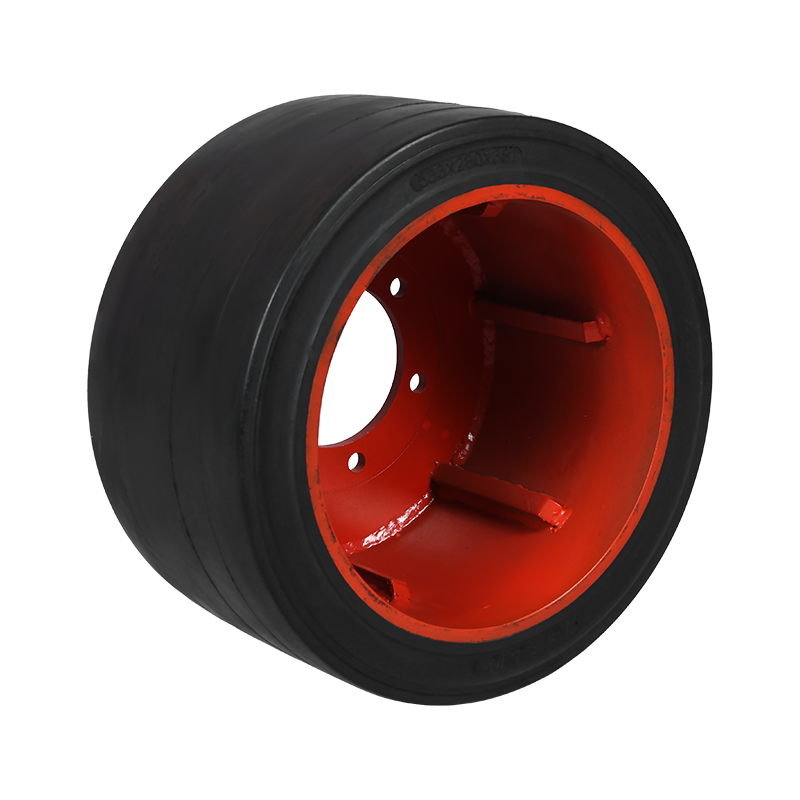
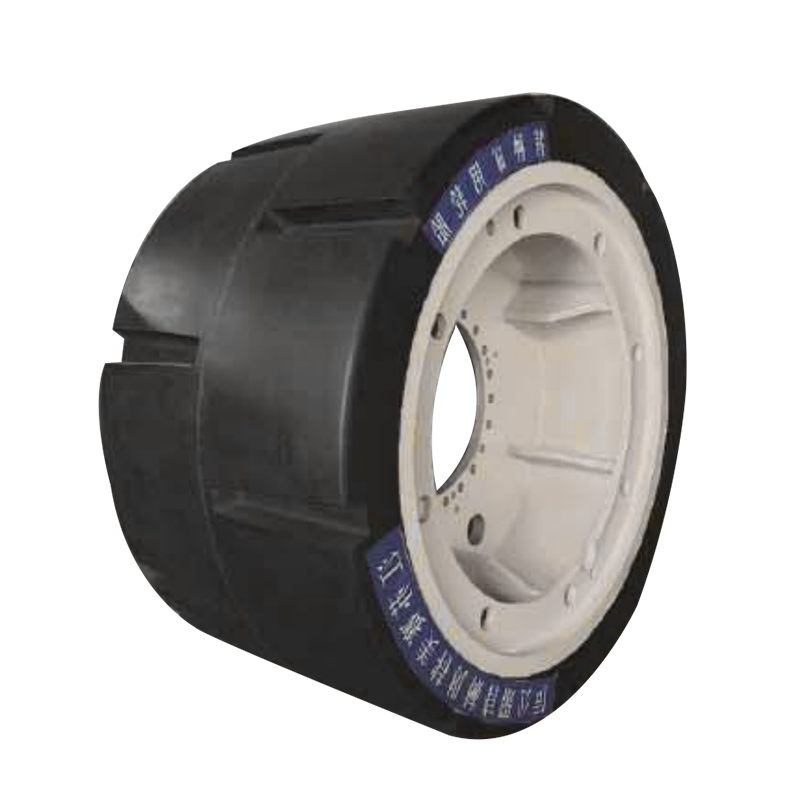
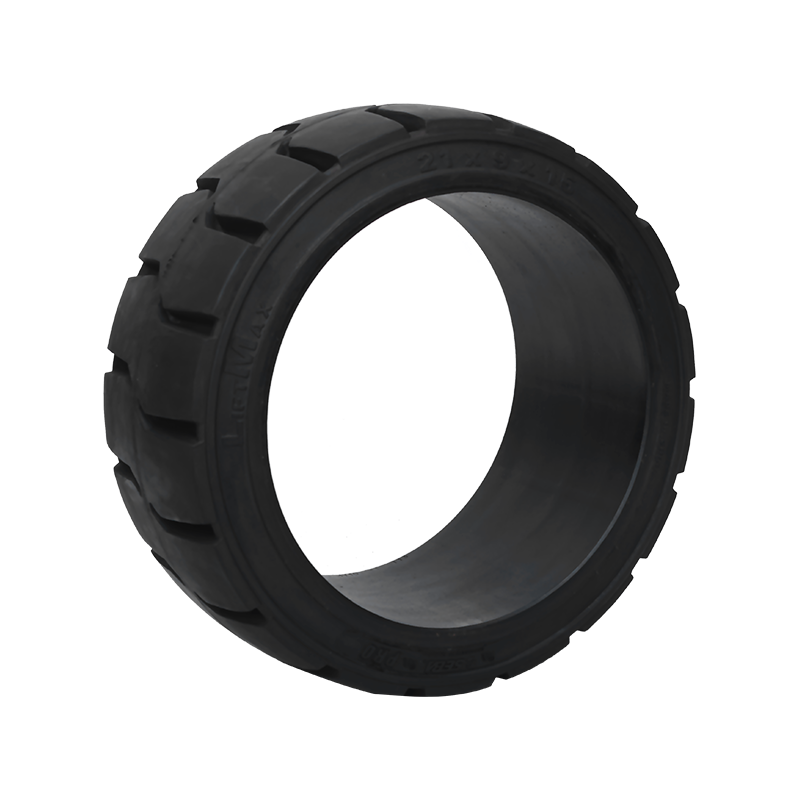
Cushion Tires
- Best for: Smooth, indoor surfaces like concrete warehouses, factory floors, and dock areas.
- Design: These are made of solid rubber molded around a steel band, which is then pressed onto the wheel rim. They have a smaller diameter than pneumatic tires.
- Advantages: Their compact size allows for an exceptionally tight turning radius, making them perfect for navigating narrow aisles. Since they are solid, they are puncture-proof and require virtually no maintenance. They also offer low rolling resistance, which is a major benefit for electric forklifts as it maximizes battery life.
Pneumatic Tires
Pneumatic tires, which look similar to truck tires, are the solution for rougher conditions. They are available in two main variations:
Air-Filled Pneumatic Tires
- Best for: Outdoor, rough, or uneven terrain, such as construction sites, lumber yards, or gravel surfaces.
- Design: These tires are filled with compressed air, giving them a cushioned ride. They have deep treads for maximum grip.
- Advantages: The air-filled design provides the best shock absorption and traction, leading to a smoother, more comfortable ride for the operator and protecting the forklift’s mechanical components from vibration damage.
- Disadvantages: Like any air-filled tire, they are susceptible to punctures and require regular pressure checks.
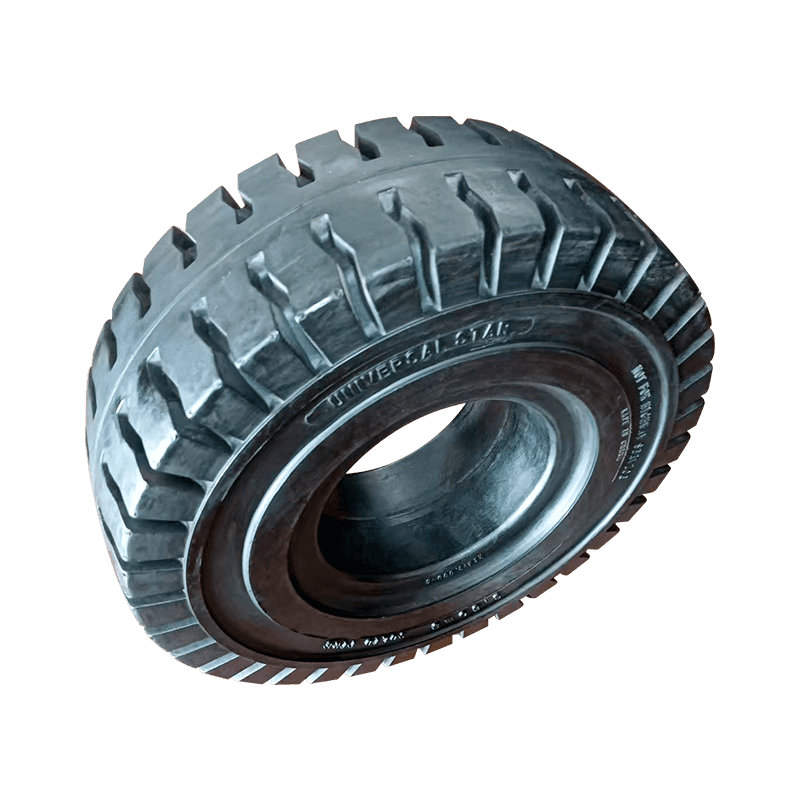
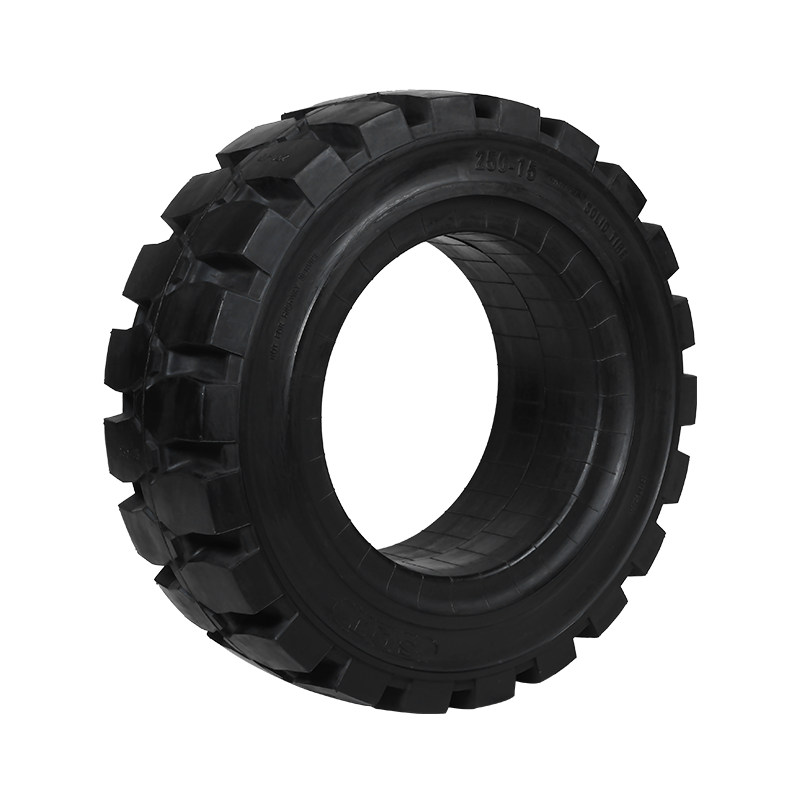
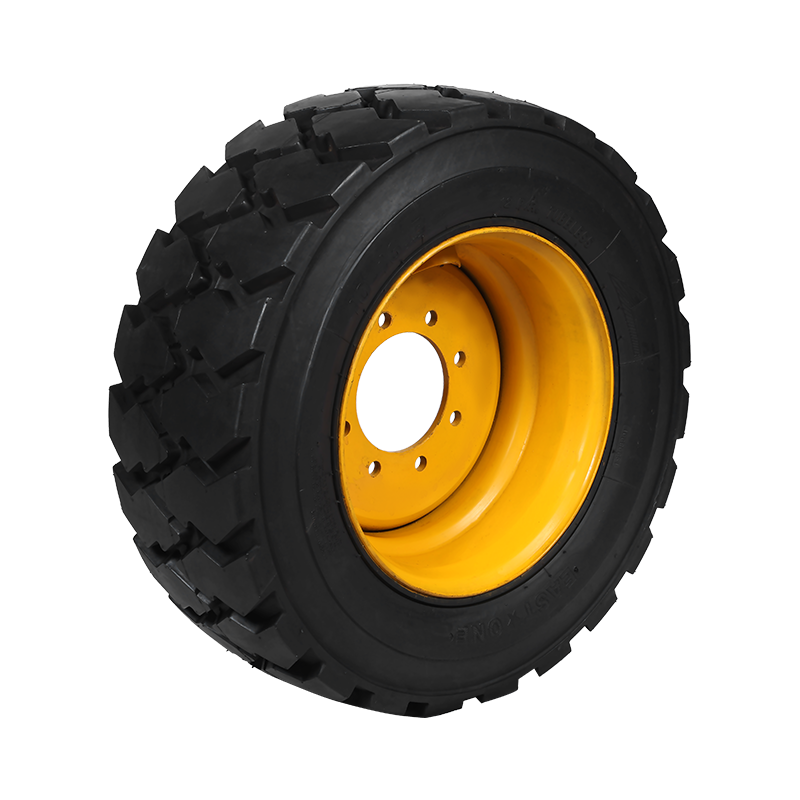
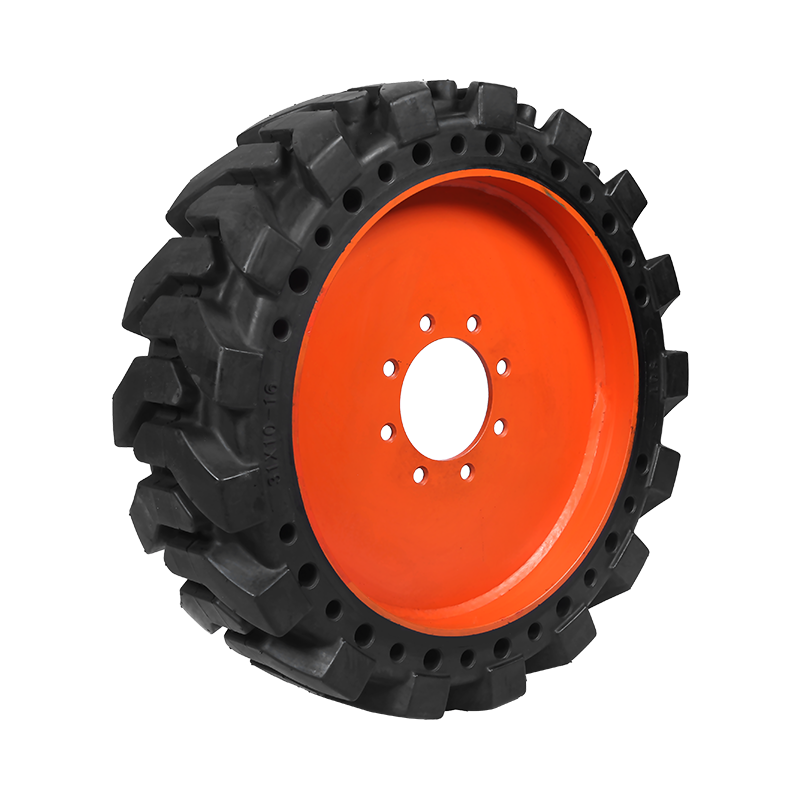
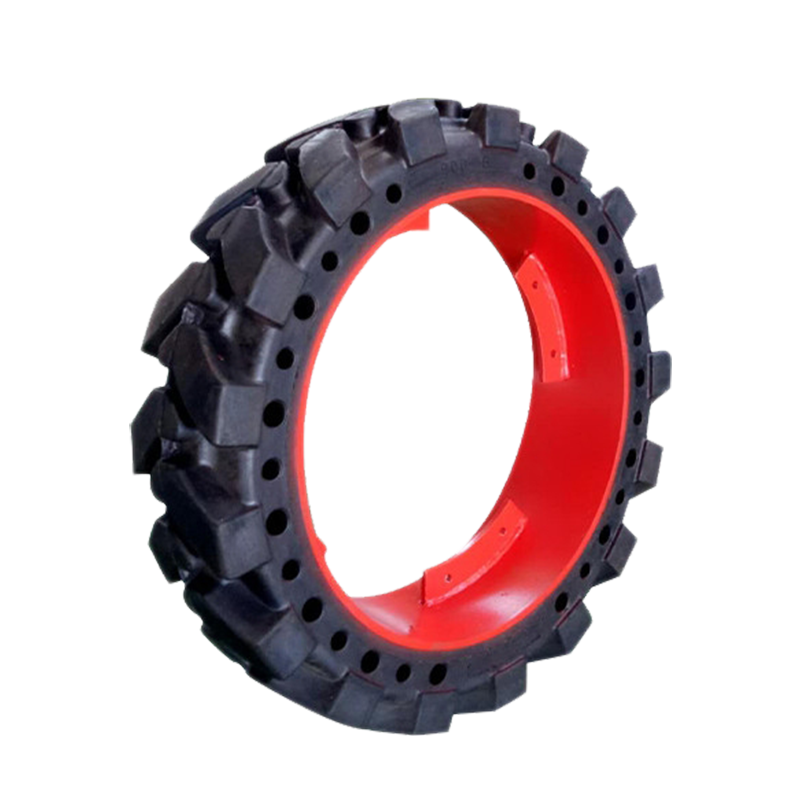
Solid Pneumatic Tires
- Best for: Outdoor applications with a high risk of puncture, such as recycling centers or scrapyards with sharp debris.
- Design: They retain the size and tread pattern of the air-filled tire but are constructed entirely of solid rubber.
- Advantages: They combine the high-traction, durable shape for rough terrain with the puncture-proof benefit of a solid tire, drastically reducing downtime and maintenance.
- Disadvantages: They offer less cushioning than their air-filled counterparts, resulting in a rougher ride.
The Tire’s Impact on the Bottom Line
The right tire choice is about more than just movement; it’s a critical factor in a company’s safety record and operating budget.
Safety and Stability
A forklift’s tires are its only contact with the ground, making them paramount to stability. Worn, damaged, or improperly inflated tires can severely compromise a forklift’s balance, dramatically increasing the risk of a tip-over—especially when carrying high or heavy loads. The shock absorption provided by the right tire also reduces operator fatigue, which in turn helps keep workers alert and focused, minimizing human error.
Efficiency and Maintenance Costs
Tire condition directly affects operational efficiency. A recent industry study indicated that a vast majority of industrial tires are replaced too late or too early. Replacing them too early is wasteful, but replacing them too late leads to issues like:
- Increased fuel or energy consumption: Worn treads or under-inflated pneumatic tires increase rolling resistance, forcing the engine or battery to work harder.
- Increased vehicle maintenance: Poor shock absorption from worn tires transfers impact to the forklift’s chassis, transmission, and hydraulic systems, leading to costly and premature component wear.
Innovations on the Horizon
The industrial tire industry is not standing still. New technologies are emerging to make these vital components even smarter and more durable:
- Smart Tires: Integrating sensors directly into the rubber allows for real-time monitoring of tire pressure, temperature, and wear. This data can be transmitted to a fleet manager, enabling predictive maintenance and ensuring tires are replaced at the optimal time, maximizing lifespan and safety.
- Polyurethane Compounds: Advances in polyurethane—a tough, non-marking material used for many indoor tires—have increased load capacity and lifespan, making them resistant to chemicals and abrasions for specialized industrial environments.
- Sustainable Materials: Just as in automotive tires, manufacturers are exploring the use of sustainable and recycled materials to reduce the environmental footprint of industrial tire production.
Ultimately, the humble forklift tire is a highly engineered product, precisely tailored to its harsh and demanding work environment. Investing in the correct type and maintaining its condition is one of the most straightforward and impactful ways a business can enhance its safety, boost its efficiency, and support its core mission of moving the world’s goods.

CONTACT US
-

Email: SMT001@saimeite-tyre.com
-

Phone: +86-18451337018No. 1, Renmin South Road, Yandu District, Yancheng City, Jiangsu Province, China