
 English
 한국어
한국어 Français
 Español

What You Need to Know About Bracket Truck Tires Before Hitting the Road
Content
Understanding How Bracket Truck Tires Work
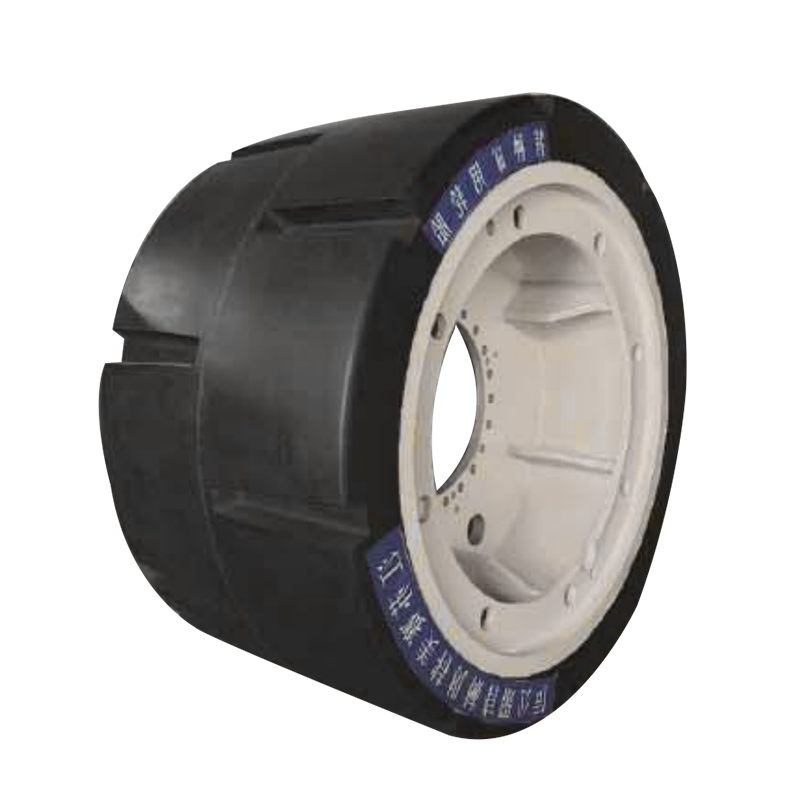
Bracket truck tires rely on a specialized wheel mounting system that uses reinforced brackets instead of traditional single-piece lug configurations. These heavy-duty tire brackets distribute the massive load of commercial vehicles evenly across the wheel hub, reducing stress points that typically lead to cracking or loosening. When you install a bracket-compatible setup, the steel or aluminum mounting plate locks directly onto the axle flange, while the tire and rim assembly secure to the bracket using high-tensile bolts. This design is especially popular among long-haul operators who need reliable traction and minimal downtime during tire swaps. The bracket system essentially acts as a mechanical bridge, transferring road shocks and braking forces away from the wheel studs and into a broader support structure.
Why Commercial Drivers Prefer Bracket-Mounted Truck Wheels
Fleet managers and independent truckers consistently choose bracket tire mounting brackets because they solve several everyday mechanical headaches. Traditional lug setups can stretch or shear under extreme payloads, but a properly rated bracket kit maintains consistent clamping force even when navigating rough terrain. The reinforced design also simplifies tire rotation schedules since each bracket can be unbolted quickly without risking cross-threaded studs. Many operators report fewer flat tires and less vibration because the bracket keeps the rim perfectly centered on the axle flange.
- Improved load distribution prevents wheel hub fatigue and extends axle lifespan
- Faster roadside tire changes reduce costly delivery delays and towing fees
- Enhanced braking stability keeps heavy rigs under control on steep downgrades
- Reduced maintenance frequency lowers long-term operating costs for commercial fleets
Essential Installation Steps for Bracket-Mounted Truck Wheels
Gathering the Right Equipment
Before you start swapping out your current wheels for a new bracket truck tire setup, you need the correct tools to ensure a secure fit. A high-capacity torque wrench calibrated to your manufacturer’s specifications is absolutely necessary because over-tightening can warp the bracket, while under-tightening leads to dangerous wheel wobble. You will also need heavy-duty impact sockets, anti-seize compound rated for high temperatures, a calibrated dial indicator for checking runout, and a quality hydraulic jack that can safely lift your axle weight. Keep a clean workspace free of gravel to prevent contaminants from getting into the mounting surfaces.
- Heavy-duty torque wrench with a 50 to 250 foot-pound range
- Metric or standard deep-impact sockets matching your bracket bolt pattern
- Thread-locking sealant approved for commercial wheel applications
- Digital runout gauge to verify proper bracket alignment
Following the Mounting Procedure
Begin by safely jacking up the axle and removing the old wheel assembly, taking care not to damage the existing hub surface. Clean the mating area with a wire brush and apply a thin layer of anti-seize to prevent future corrosion. Position the new bracket firmly against the hub, aligning the bolt holes precisely before sliding the mounting studs through. Tighten the fasteners in a star pattern using three progressive torque passes to guarantee even pressure across the entire bracket. Once everything reaches the specified torque rating, spin the tire by hand to check for smooth rotation, then lower the truck and re-torque after fifty miles of driving to settle the bracket truck tire components.
Daily Maintenance and Safety Checks for Bracket Systems
Keeping your heavy-duty tire brackets in optimal condition requires regular visual inspections and scheduled torque verifications. Drivers should check for visible cracks, rust streaks, or oil leaks around the bracket base every time they pre-trip their vehicle. If you notice uneven tire wear or hear a rhythmic clicking sound at highway speeds, the bracket may have shifted or a bolt could be loosening. Always use a calibrated torque wrench during routine service stops rather than relying on impact tools, which often deliver inconsistent clamping force. Maintaining proper bracket alignment prevents premature bearing wear and keeps your commercial truck tire bracket system operating safely for hundreds of thousands of miles.
| Inspection Item | Recommended Frequency | Warning Signs | Corrective Action |
| Bracket Bolt Torque | Every 5,000 miles | Vibration, loose caps | Re-torque to manufacturer specs |
| Surface Corrosion | Monthly pre-trip | Rust streaks, flaking paint | Clean, treat, apply anti-corrosion coating |
| Bracket Runout | During tire rotation | Uneven tread wear | Realign bracket or replace warped plate |
Picking the Best Bracket Kit for Your Fleet
Selecting the correct bracket wheel kit for your trucks depends on your typical payload, axle configuration, and regional road conditions. Always verify the bolt circle diameter and stud pitch to ensure the bracket matches your existing hub without requiring costly adapters. Look for kits forged from high-tensile carbon steel or aerospace-grade aluminum, as these materials resist fatigue cracking better than standard cast options. Consider the environmental rating too; coastal routes or winter road salt exposure demand powder-coated finishes with superior moisture resistance. By matching your operational demands with a properly engineered bracket-compatible truck tire system, you maximize safety while keeping replacement costs predictable and downtime minimal.

CONTACT US
-

Email: SMT001@saimeite-tyre.com
-

Phone: +86-18451337018No. 1, Renmin South Road, Yandu District, Yancheng City, Jiangsu Province, China