
 English
 한국어
한국어 Français
 Español

Boom Lift Tires Explained: How to Pick the Right Type and Keep Them in Good Shape
Content
- 1 Why Boom Lift Tires Matter More Than Most People Realize
- 2 The Three Main Types of Boom Lift Tires
- 3 Comparing Boom Lift Tire Types Side by Side
- 4 How to Match Boom Lift Tires to Your Job Site Conditions
- 5 Reading Boom Lift Tire Specifications and Size Markings
- 6 Signs That Your Boom Lift Tires Need Replacing
- 7 Boom Lift Tire Maintenance Practices That Extend Service Life
Why Boom Lift Tires Matter More Than Most People Realize
Boom lift tires are one of the most overlooked components on aerial work platforms, yet they directly affect machine stability, operator safety, surface protection, and overall productivity on the job site. A boom lift operating at full height with a loaded platform places enormous dynamic loads on its tires — not just the static weight of the machine, but the lateral forces generated by reaching out over the side, the impact loads from driving across uneven terrain, and the torque forces from turning under load. The tires absorb and distribute all of this, and when they're worn out or wrong for the application, the entire machine becomes less predictable and more dangerous to operate.
Unlike standard vehicle tires, aerial lift tires are engineered specifically for low-speed, high-load applications where traction, stability, and surface protection take priority over ride comfort or rolling efficiency. Understanding the different types available and what each one is designed for is the foundation of making a smart tire choice for any boom lift application.
The Three Main Types of Boom Lift Tires
Boom lift tires fall into three primary categories, each with its own construction, performance characteristics, and ideal use case. Choosing the wrong type for the job site conditions is a common and costly mistake.
Pneumatic Tires
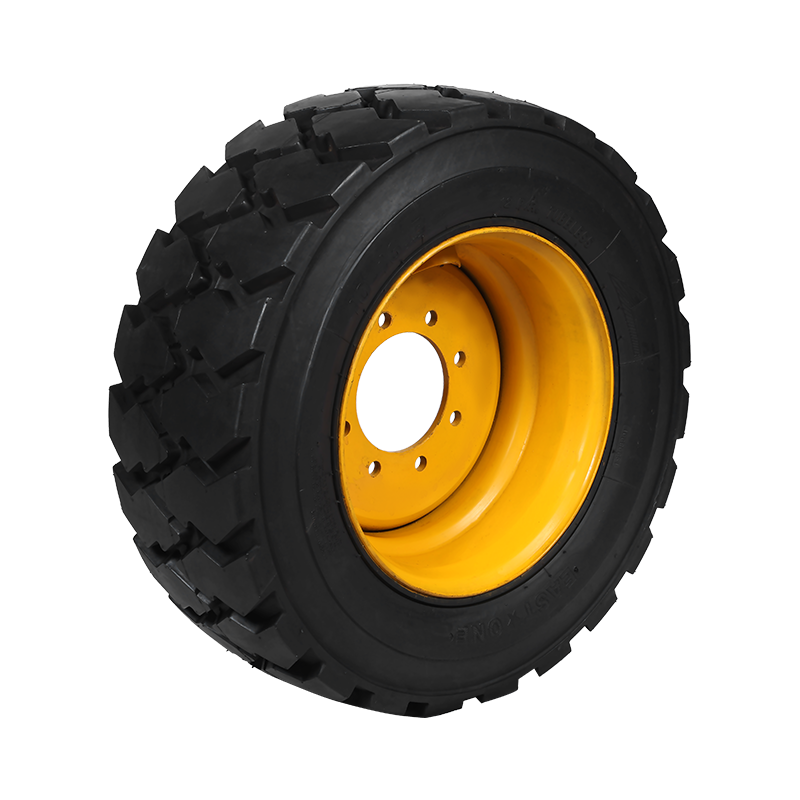
Pneumatic tires are air-filled tires similar in principle to standard truck or construction equipment tires. They provide the best ride quality and shock absorption of any boom lift tire type, which makes them well suited for rough outdoor terrain — gravel lots, construction sites, uneven ground, and graded surfaces. The air cushion inside the tire compresses and flexes over bumps and obstacles, protecting both the machine's structure and the operator from harsh impact loads. Pneumatic aerial lift tires are available in a range of tread patterns, from deep lug designs for soft or muddy ground to smoother highway-style treads for harder packed surfaces.
The downside of pneumatic tires is that they can go flat. A puncture on an active job site — from rebar, sharp rock, or debris — can put a machine out of service immediately and create a stability hazard if the flat isn't caught before the operator elevates the platform. For this reason, many operators and rental companies transitioning away from standard pneumatics choose foam-filled tires as an upgrade that retains the pneumatic form factor but eliminates the flat tire risk.
Foam-Filled Tires
Foam-filled boom lift tires start as standard pneumatic tires but are injected with a two-part polyurethane foam compound that cures inside the casing, completely filling the air void. The result is a tire that looks and handles like a pneumatic but cannot go flat under any normal job site condition. Foam filling is one of the most popular upgrades for boom lifts used on construction sites where puncture risk is high. The foam compound maintains consistent tire pressure throughout the tire's service life, eliminating pressure checks and the sudden loss of machine stability that a flat tire can cause.
Foam-filled tires are heavier than their air-filled equivalents — sometimes significantly so — which adds to the machine's overall weight and can affect transport logistics. The ride is also noticeably firmer, since the foam doesn't compress as freely as air. On very rough terrain, this can translate to higher impact loads transmitted through the machine frame. Despite these tradeoffs, foam-filled aerial platform tires are widely considered the best all-around option for outdoor boom lift applications where puncture risk is a real concern.
Solid Rubber and Non-Marking Tires
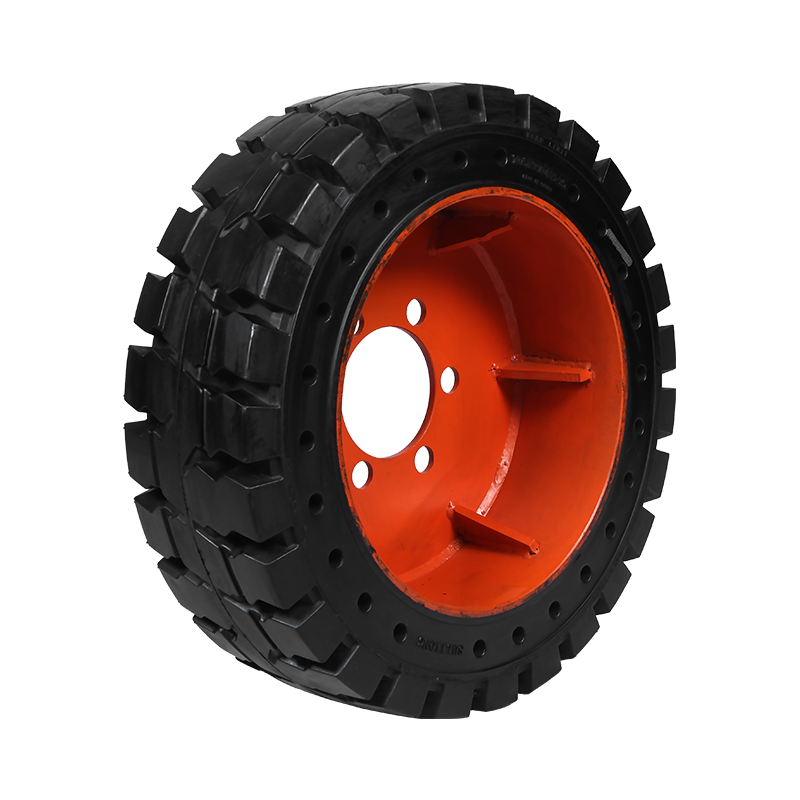
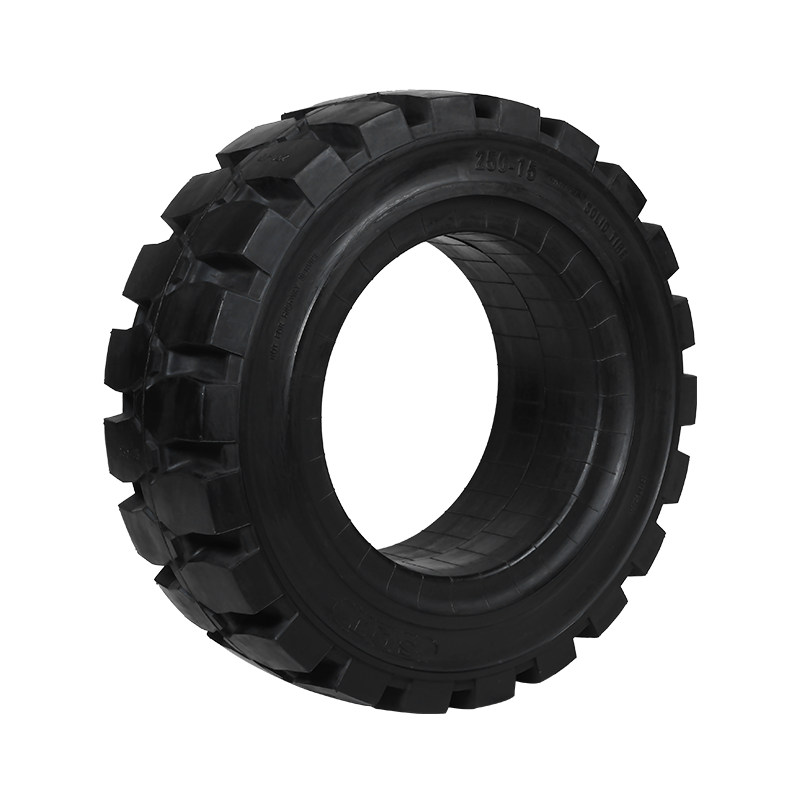
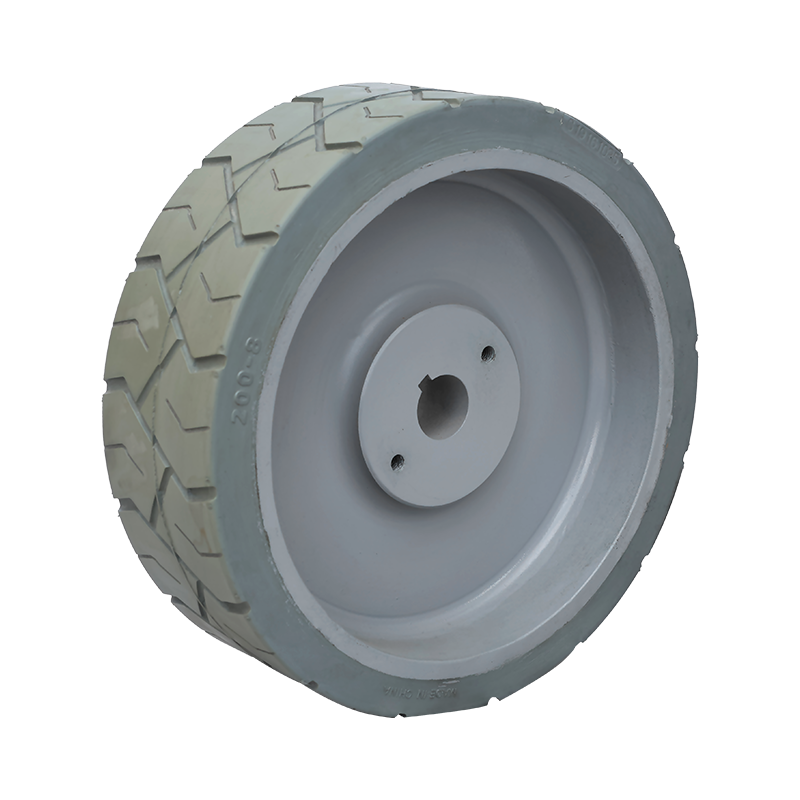
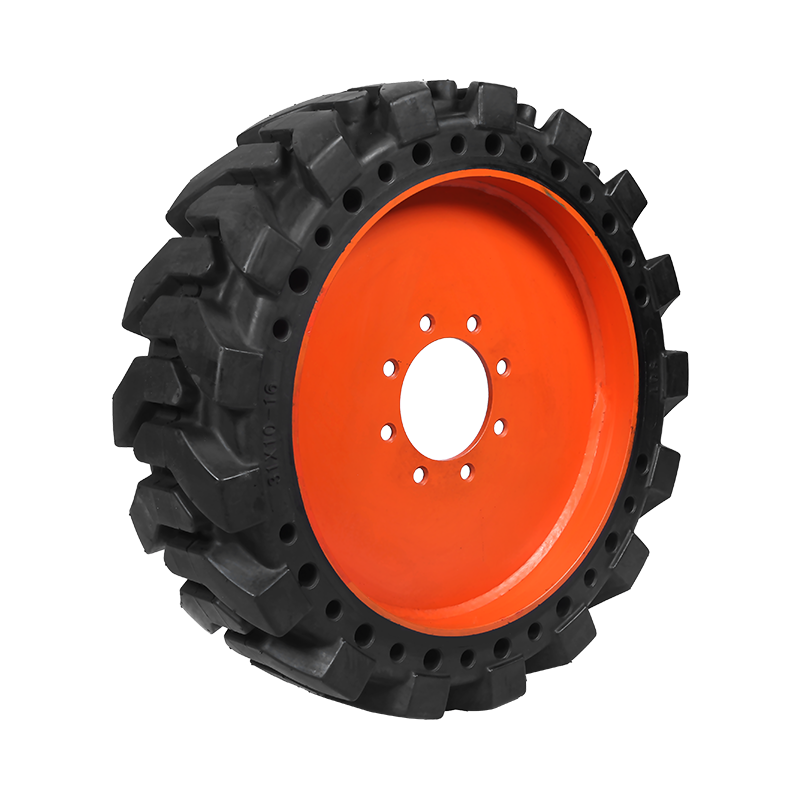
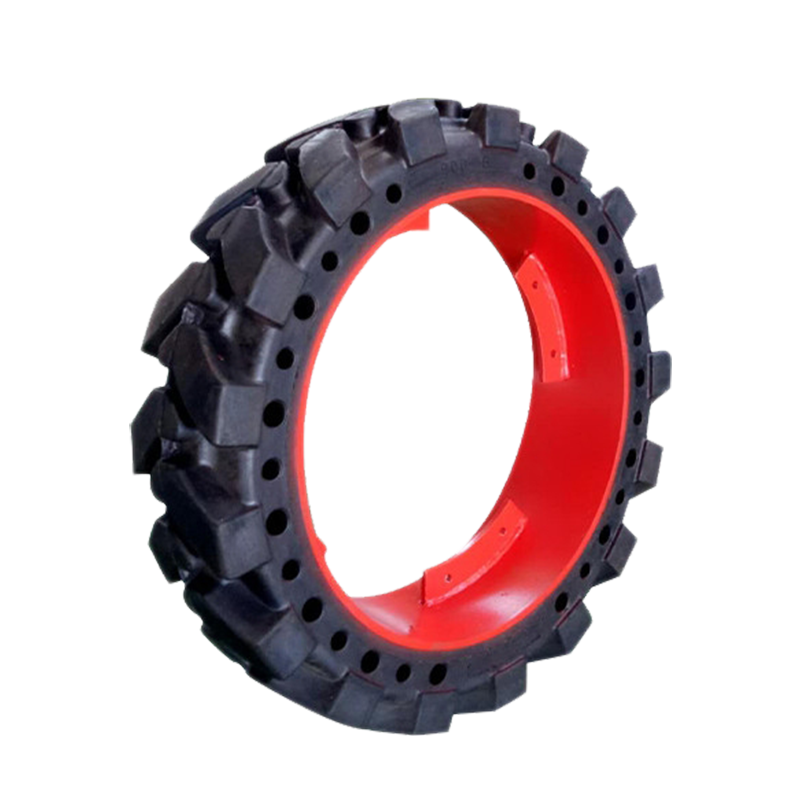
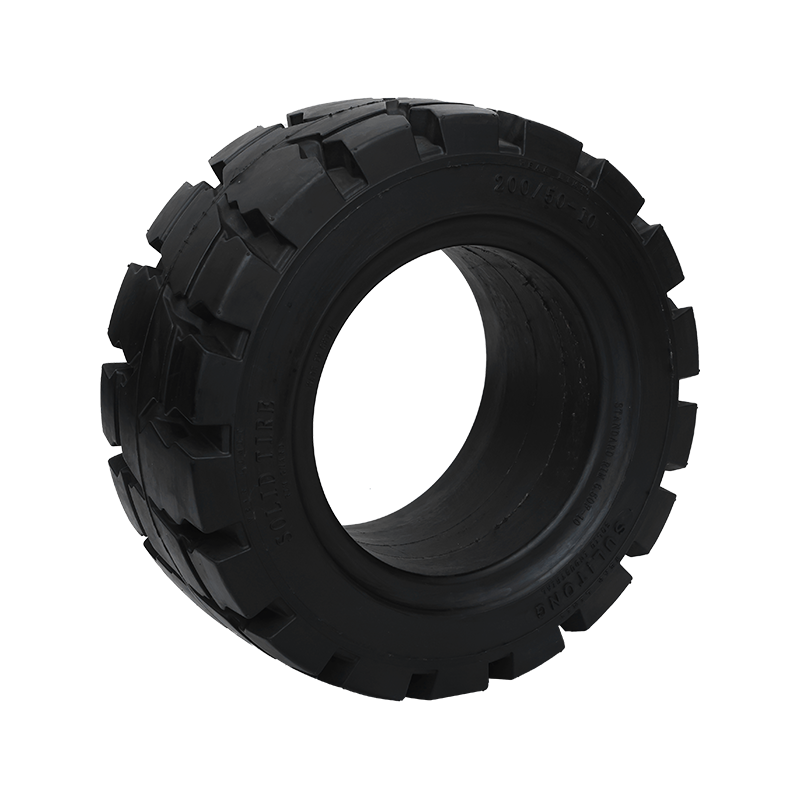
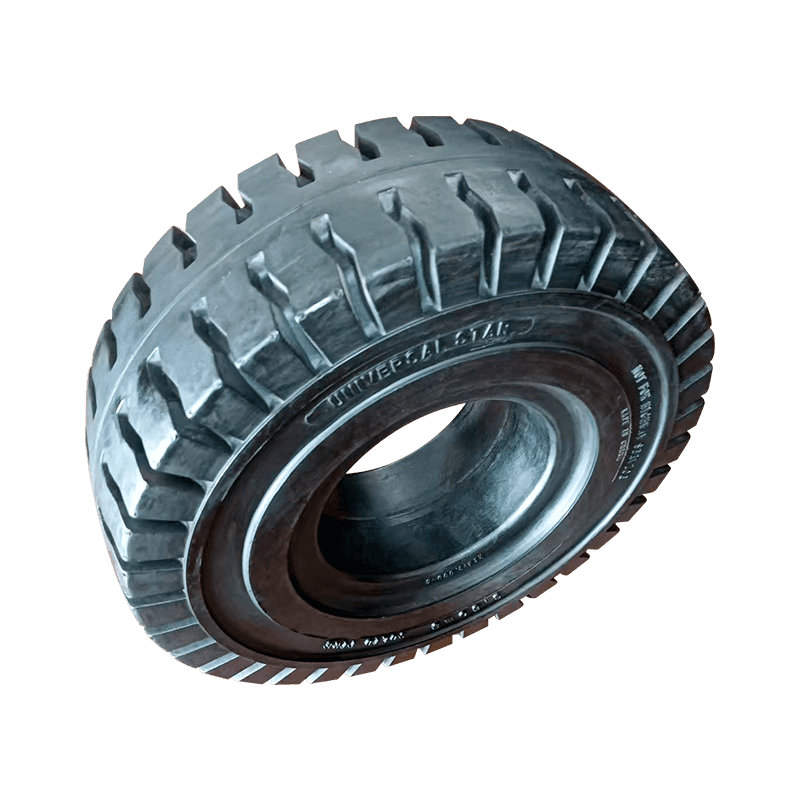
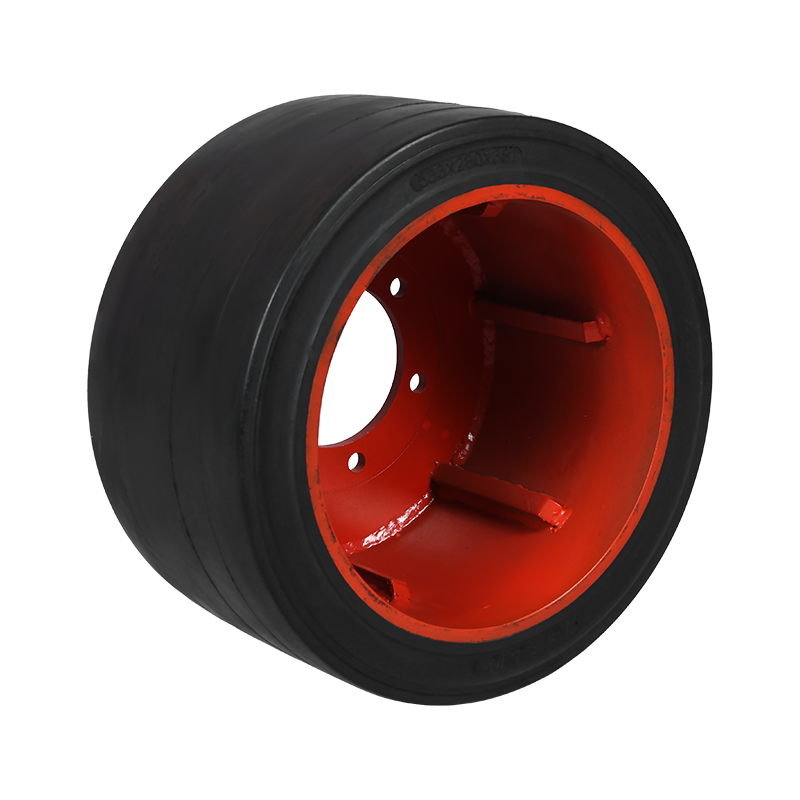
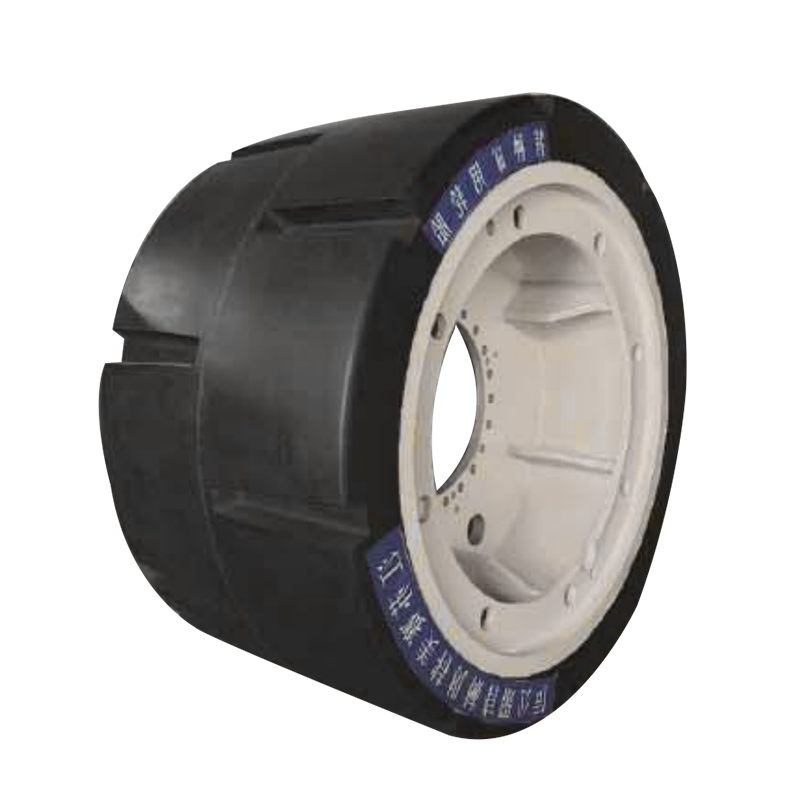
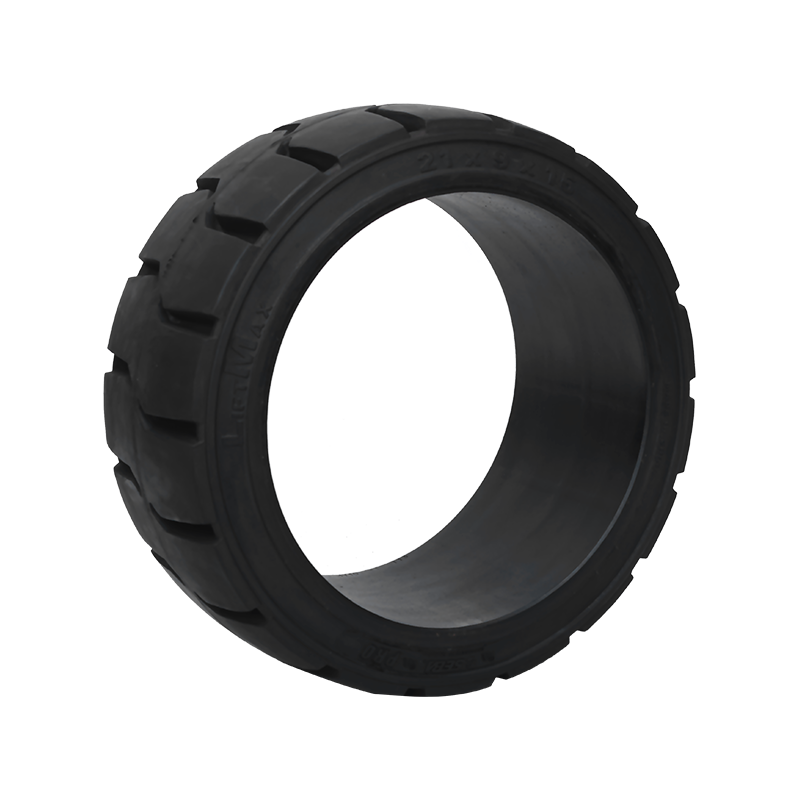
Solid rubber tires are molded entirely from rubber compound with no air cavity at all. They are the most durable option in terms of resistance to punctures, cuts, and sidewall damage, and they essentially never need replacement due to deflation or blowout. Solid boom lift tires are the standard choice for machines used indoors or in mixed indoor/outdoor environments where floor protection is a priority. Non-marking solid tires — made from a light gray or white rubber compound rather than standard black carbon rubber — leave no tire marks on polished concrete, epoxy-coated warehouse floors, or finished surfaces, making them the required choice for many indoor industrial and commercial job sites.
The trade-off with solid tires is that they offer the least shock absorption of any option. On rough outdoor terrain, the hard rubber transmits impact loads directly to the machine chassis, which can be hard on the operator and accelerates wear on the machine's structural components. For this reason, solid tires are best reserved for smooth, prepared surfaces and are not recommended for aggressive outdoor use on uneven ground.
Comparing Boom Lift Tire Types Side by Side
The right tire type depends on where the machine works and what conditions it faces. The table below summarizes the key differences to make the comparison straightforward:
| Feature | Pneumatic | Foam-Filled | Solid Rubber |
| Flat Tire Risk | Yes | None | None |
| Shock Absorption | Excellent | Good | Poor |
| Rough Terrain Performance | Excellent | Good | Poor |
| Floor/Surface Protection | Moderate | Moderate | Excellent (non-marking) |
| Maintenance Required | Pressure checks, puncture repair | Minimal | Minimal |
| Machine Weight Added | Low | High | Medium |
| Best Application | Outdoor rough terrain | Outdoor with puncture risk | Indoor / smooth surfaces |
How to Match Boom Lift Tires to Your Job Site Conditions
Selecting the right aerial lift tires starts with an honest assessment of where the machine will actually be used, not just where it's expected to go. Many projects involve both indoor and outdoor work, which means tire selection has to account for the harshest conditions the machine will encounter in either environment.
Outdoor Construction Sites
Active construction sites are the most demanding environment for boom lift tires. The ground surface changes constantly — from compacted gravel to loose fill to muddy areas — and the hazard profile includes rebar, nails, broken concrete, and sharp aggregate. For these conditions, foam-filled tires fitted with a deep-lug or all-terrain tread pattern are the most practical choice. They handle the terrain well, resist punctures entirely, and don't require the pressure monitoring that pneumatic tires demand. For machines on very rough graded sites where maximum shock absorption is needed, standard pneumatic tires with a lug tread pattern remain a valid option, provided the operator and maintenance team are disciplined about daily pressure checks and puncture inspections.
Indoor Warehouses and Finished Facilities
Indoor work requires a different set of priorities. Floor protection, cleanliness, and compactness matter far more than terrain capability. Non-marking solid rubber tires are the standard for boom lifts used in warehouses, distribution centers, manufacturing plants, and any facility with a finished floor. The non-marking compound prevents the black rubber streak marks that standard tires leave on polished concrete, and the solid construction eliminates any risk of a flat tire damaging a facility floor. Some indoor applications also specify polyurethane tires for specific machines where even softer contact with the floor surface is required.
Mixed-Use and Transition Applications
Projects that move between outdoor and indoor environments — such as a commercial building fit-out that starts with exterior facade work and transitions inside — present a genuine challenge. Most contractors in this situation opt for foam-filled tires with a smoother tread pattern that performs acceptably both outdoors on prepared surfaces and indoors on concrete. If non-marking is an absolute requirement for the indoor phase, the tires may need to be swapped at the transition point, which adds cost and downtime. It's worth planning this change into the project schedule rather than being forced into an unplanned tire swap mid-job.
Reading Boom Lift Tire Specifications and Size Markings
Boom lift replacement tires are specified using a standardized sizing system that appears on the tire sidewall. Understanding these markings is essential when sourcing replacements to ensure exact fitment. A typical marking might read 355/55-20 or 10-16.5, depending on the format used:
- Metric format (e.g., 355/55-20): The first number is the section width in millimeters, the second is the aspect ratio (sidewall height as a percentage of width), and the third is the rim diameter in inches.
- Imperial format (e.g., 10-16.5): The first number is the tire width in inches and the second is the rim diameter in inches. This format is common on skid steer and telehandler-style rim configurations used on many rough terrain boom lifts.
- Load index and speed rating: These appear alongside the size marking and indicate the maximum load the tire can carry at a specified inflation pressure and the maximum safe operating speed. Always verify that replacement tires meet or exceed the OEM load index specification for the machine.
- Ply rating: Indicates the structural strength of the tire casing. Higher ply ratings handle heavier loads and are more resistant to sidewall damage. Heavy-duty boom lift tires typically carry 8-ply or 10-ply ratings.
Always cross-reference the tire size marking with the machine's operator manual or the manufacturer's parts list before ordering replacements. Installing an incorrect size — even one that physically fits on the rim — can alter the machine's load capacity, ground clearance, and stability calculations in ways that aren't immediately obvious but can affect safety ratings.
Signs That Your Boom Lift Tires Need Replacing
Boom lift tires don't follow a simple mileage-based replacement schedule the way vehicle tires do. Wear patterns depend heavily on usage intensity, surface type, load cycles, and how the machine is driven. The following indicators are the clearest signals that replacement is overdue:
- Tread depth below safe limits: Most boom lift tire manufacturers specify a minimum tread depth of around 1.5mm to 2mm. At or below this level, wet traction drops sharply and the risk of slippage on smooth or sloped surfaces increases significantly.
- Chunking and tearing: Pieces of tread breaking away from the casing — known as chunking — indicate that the rubber compound has degraded or that the tire has been subjected to repeated impact overload. A tire showing chunking should be replaced immediately, as the structural integrity of the remaining tread cannot be relied on.
- Sidewall cracking or bulging: Cracks running around the sidewall indicate ozone degradation, age hardening, or previous overinflation damage. Bulges or bubbles in the sidewall mean the internal structure has been compromised and the tire is at risk of sudden failure.
- Flat spots on solid tires: Solid rubber tires develop flat spots over time from stationary storage under load or from repeated hard braking on the same spot. Flat spots cause the machine to vibrate at low speeds and indicate uneven compression of the rubber that can affect stability.
- Separation of foam fill from the casing: On foam-filled tires, separation between the cured foam and the inner tire casing causes the machine to handle unevenly and can cause visible sidewall deformation. This condition is not repairable and requires full tire replacement.
Boom Lift Tire Maintenance Practices That Extend Service Life
Even the most rugged aerial lift tires wear out faster when the basics of maintenance are ignored. Establishing consistent practices across your fleet can meaningfully extend tire service life and reduce unplanned replacements.
Daily Pre-Use Inspection
Every operator should include a visual tire inspection in their daily pre-operation checklist. This takes less than two minutes and should cover the visible tread surface for cuts, embedded objects, or unusual wear; the sidewalls for cracking, bulging, or impact damage; and the tire pressure on pneumatic-equipped machines using a calibrated gauge. A flat or significantly underinflated pneumatic tire should never be operated on — even at ground level — until the issue is identified and corrected. Catching damage early prevents a manageable repair from becoming a full replacement.
Correct Inflation Pressure on Pneumatic Tires
Operating a pneumatic boom lift tire at incorrect pressure is one of the fastest ways to destroy it. Underinflation causes the sidewalls to flex excessively, generating heat that breaks down the rubber compound and can cause internal delamination. It also allows the tread area to deflect more than designed, accelerating center and edge wear simultaneously. Overinflation reduces the tire's footprint, concentrates load on the center of the tread, and increases vulnerability to impact damage from sharp objects. Always inflate to the pressure specified in the machine's operator manual, not to the maximum pressure marked on the tire sidewall, which represents an absolute limit rather than an operating target.
Driving Habits That Reduce Tire Wear
How an operator drives a boom lift has a significant impact on tire longevity. Sharp, fast turns — particularly under load — scrub the tread aggressively and are one of the leading causes of premature outer edge wear on aerial platform tires. Driving across sharp edges, rebar, or debris fields without deviation puts unnecessary puncture and cut stress on the tire casing. On sloped surfaces, avoid turning at full lock — take wider, gentler arcs to reduce lateral scrub. When relocating the machine over longer distances on a paved surface, use a transport vehicle rather than driving the boom lift, which protects the tires from unnecessary wear mileage and keeps the machine in compliance with road use restrictions.
CONTACT US
-

Email: SMT001@saimeite-tyre.com
-

Phone: +86-18451337018No. 1, Renmin South Road, Yandu District, Yancheng City, Jiangsu Province, China