
 English
 한국어
한국어 Français
 Español

Foam Filled Tires: The Complete Guide to Puncture-Proof Performance
Content
- 1 What Are Foam Filled Tires? (And How They Work)
- 2 Foam Filled vs. Air-Filled vs. Solid Tires: A Clear Comparison
- 3 Where Foam Filled Tires Truly Shine (Real-World Applications)
- 4 How Foam Filling Is Done: The Step-by-Step Process
- 5 Cost Breakdown: What You’ll Pay for Foam Filled Tires
- 6 Pros and Cons: Is Foam Filling Right for Your Equipment?
- 7 Installation and Fitting: What You Must Know
- 8 Common Myths About Foam Filled Tires – Debunked
- 9 Maintenance Tips for Foam Filled Tires
- 10 Where to Buy Foam Filled Tires or Get Foam Fill Service
What Are Foam Filled Tires? (And How They Work)
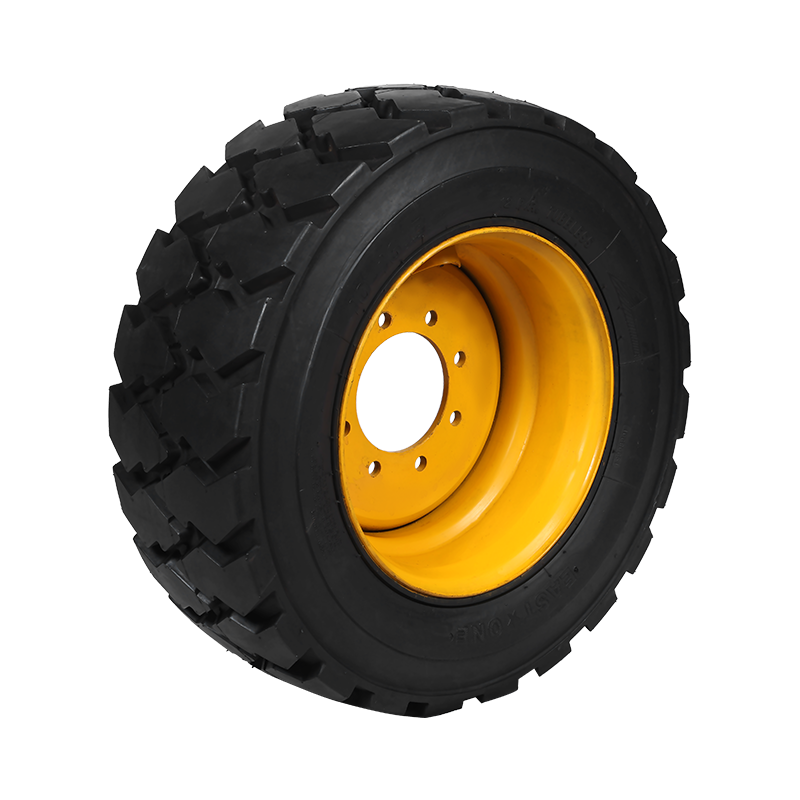
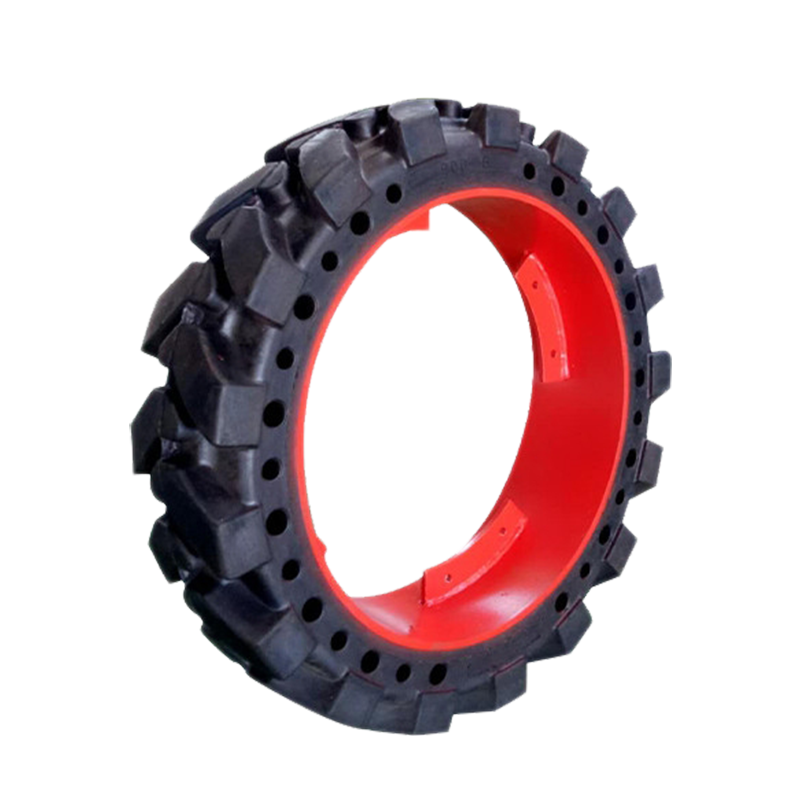
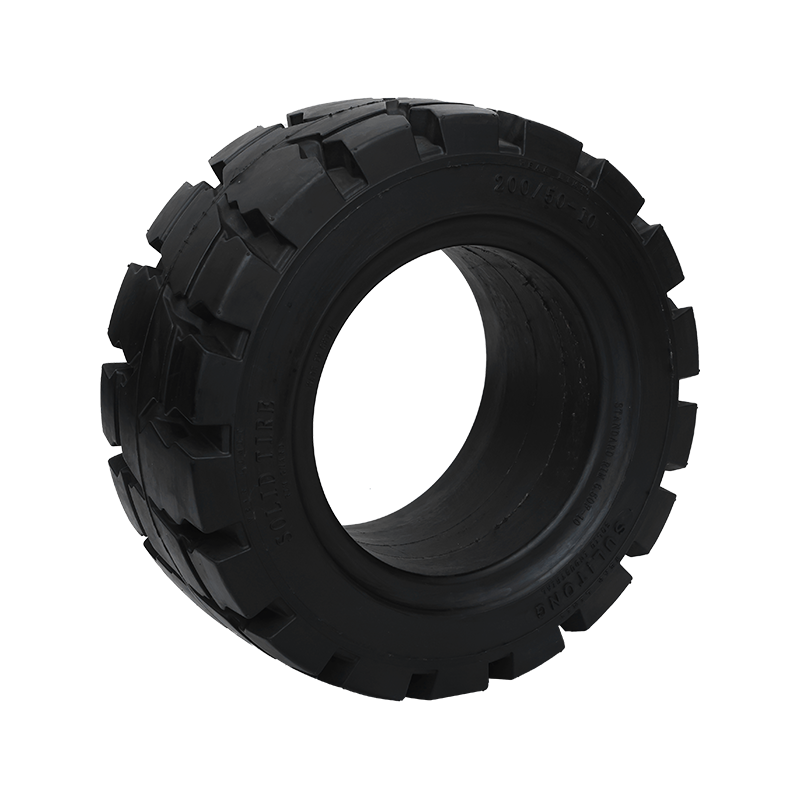
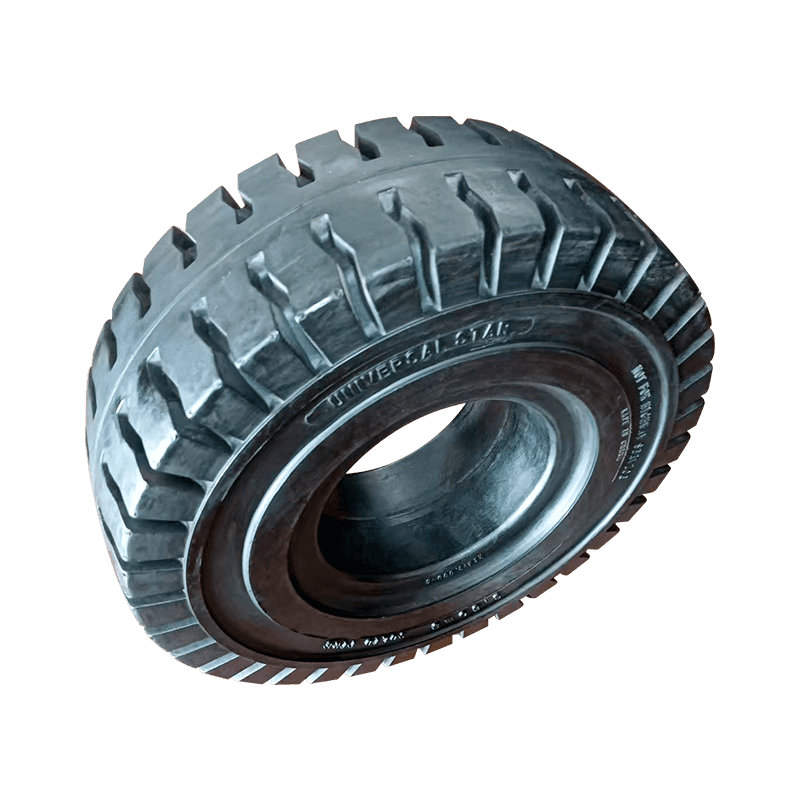
Foam filled tires are pneumatic tires where the inner air cavity is replaced with a solid, resilient polyurethane foam. Instead of pumping air into a rubber tire, a specialized two-part liquid foam is injected through the valve stem or through holes drilled in the tread. The foam expands and cures into a flexible, closed-cell filler that supports the tire’s shape while absorbing impacts. Unlike air, foam never leaks – puncture a foam filled tire with a nail, and it keeps rolling. You’ll find them on construction equipment, zero-turn mowers, forklifts, and any machine where a flat tire means expensive downtime.
Foam Filled vs. Air-Filled vs. Solid Tires: A Clear Comparison
Choosing between foam filled tires, standard pneumatic tires, and solid (press-on) tires depends on your work environment. The table below breaks down the real-world differences.
| Feature | Foam Filled Tires | Standard Air Tires | Solid Rubber Tires |
|---|---|---|---|
| Puncture risk | Zero (foam seals itself) | High (nails, thorns, glass) | Zero |
| Ride comfort (vibration dampening) | Good – similar to low-pressure air | Excellent | Poor – very harsh ride |
| Weight (per tire) | Heavy (+30-50% vs air) | Light | Very heavy |
| Maximum speed rating | Usually ≤ 25 mph | High (any speed) | ≤ 15 mph (overheats) |
| Cost (installed) | $$$ (premium) | $ (affordable) | $$ (mid-range) |
| Repairability | None – replace entire tire | Easy (patch or plug) | None – replace |
| Best applications | Skid steers, scrap yards, logging, rough terrain mowers | Highway vehicles, passenger cars, light trucks | Pallet jacks, slow industrial carts |
Where Foam Filled Tires Truly Shine (Real-World Applications)
Foam filled tires are not for everyone. But in certain industries, they’re considered essential. Here are the top use cases where the puncture-proof nature pays off fast.
- Skid steer loaders (Bobcats): Construction sites have rebar, screws, and sharp debris. A foam filled tire on a skid steer saves $300 in downtime per flat.
- Zero-turn lawn mowers: Commercial mowing crews face thorns, wire, and hidden rocks. Foam filled front caster tires and rear drive tires eliminate mid-job flats during peak season.
- Forklifts in scrap yards or demolition: Metal shards are everywhere. Foam filled forklift tires last thousands of hours without a single air loss.
- Wheelbarrows and hand trucks: A foam filled wheel never goes flat, even if you roll over nails every day. Many rental yards convert all their carts.
- Military and airport ground support: Runway debris can shred air tires. Foam filled tires on tow tractors and baggage tugs add mission-critical reliability.
- Mining and quarry vehicles: Sharp rock cuttings destroy air tires quickly. Foam filling extends tire life 3-5x in these abrasive conditions.
What About Ride Quality? The Harshness Trade-Off
One common complaint about foam filled tires is a stiffer ride. Because foam doesn’t compress as much as air, small bumps and cracks in pavement transfer more vibration to the operator. However, modern polyurethane foam formulations (like those from Arnco or Myers) have improved dramatically. A good foam fill has a durometer (hardness) of 55-65 Shore A, which feels similar to an air tire inflated to 35 psi. For rough terrain, some suppliers offer a “soft fill” that mimics 20 psi. The trade-off: softer foam wears faster on high-speed turns. You can’t have both ultimate flat protection and Cadillac comfort – you need to choose based on your worksite.
How Foam Filling Is Done: The Step-by-Step Process
Converting standard pneumatic tires to foam filled tires requires specialized equipment. Most shops don’t do it in-house; they send tires to a foam filling specialist. Here’s what happens behind the scenes.
- Step 1 – Tire preparation: The tire is mounted on a rim, and a hole is drilled in the tread (or the valve stem is removed). The tire is cleaned and dried to remove moisture.
- Step 2 – Foam mixing: Two liquid chemicals (isocyanate and polyol blend) are heated and mixed in a dispensing machine. The mixture begins expanding immediately.
- Step 3 – Injection: A hose is attached to the valve stem or tread hole, and the liquid foam is pumped in under low pressure. The tire is rotated to ensure even distribution.
- Step 4 – Curing: The foam expands to fill the entire cavity. The tire sits for 12-24 hours while the foam hardens into a resilient solid. Pressure is maintained to avoid voids.
- Step 5 – Finishing: Excess foam is trimmed, and the hole in the tread is plugged. The tire is then balanced (foam fill can add slight imbalance, so wheel weights may be needed).
Note: Foam filling is permanent. Once done, you cannot remove the foam to go back to air. The tire must be disposed of as a solid waste when it wears out.
Cost Breakdown: What You’ll Pay for Foam Filled Tires
Foam filling is an investment. The price depends on tire size and the type of foam used. For a typical lawn mower tire (13x5.00-6), expect $40-$60 per tire for the foam fill service. For a skid steer tire (12x16.5), prices range $150-$250 per tire. That’s on top of the cost of the tire itself. However, calculate the cost of downtime: one flat on a rented skid steer costs $500+ per hour in lost productivity. For commercial operations, foam filled tires often pay for themselves in under three months. Below is an approximate pricing guide.
| Tire size (example) | Vehicle type | Foam fill cost (per tire) | Total cost (tire + fill) |
|---|---|---|---|
| 4.10/3.50-4 | Hand truck / wheelbarrow | $20 - $30 | $40 - $60 |
| 13x5.00-6 | Zero-turn mower (front) | $40 - $60 | $80 - $120 |
| 18x8.50-8 | Zero-turn mower (rear) | $70 - $100 | $140 - $200 |
| 10x16.5 (skid steer) | Compact loader | $120 - $180 | $300 - $450 |
| 12x16.5 (skid steer) | Standard skid steer | $150 - $250 | $350 - $550 |
| 21Lx24 (agricultural) | Tractor or telehandler | $400 - $800 | $1,200 - $2,000 |
Pros and Cons: Is Foam Filling Right for Your Equipment?
Before you order foam filled tires for your entire fleet, weigh these advantages and disadvantages carefully.
Advantages of Foam Filled Tires
- Complete puncture immunity – Nails, glass, thorns, and even bullet holes won’t deflate the tire.
- No air pressure checks – Zero maintenance for inflation. Great for equipment that sits unused for months.
- Improved stability on slopes – The foam doesn’t shift like air, reducing sidewall flex on hills.
- Run-flat capability indefinitely – Even with the tread shredded, the tire remains drivable to the shop.
- Fire-resistant option – Some foam formulations are flame-retardant, critical in mining or welding environments.
Disadvantages of Foam Filled Tires
- Heavier weight – Adds 30-70 lbs per tire on large equipment, reducing fuel efficiency and increasing strain on wheel bearings.
- No repairability – If the sidewall tears or the tread separates, the entire tire is scrap. You can’t patch foam.
- Harsher ride on pavement – The foam transmits more vibration than air. Operators may fatigue faster.
- Limited top speed – Foam generates internal heat at high speeds. Most manufacturers cap at 25 mph to prevent foam degradation.
- Difficult to dispose of – Foam filled tires are considered solid industrial waste; many tire recyclers refuse them.
Installation and Fitting: What You Must Know
You can’t just buy foam filled tires online and bolt them on like regular tires. The foam fill is done to your existing rims – you ship bare tires (or complete wheel assemblies) to a foam service center. Turnaround time is typically 3-5 business days. Some mobile foam filling trucks can do the job on-site, but that’s rare outside major metro areas. Important: Ensure your rims are in good condition. Foam filled tires put extra lateral stress on rims, so rusty or cracked rims should be replaced first. Also, never attempt DIY foam filling with hardware store expanding foam – those products are not formulated for tire loads and will disintegrate in days.
- For zero-turn mowers: Most manufacturers (Scag, John Deere, Toro) approve foam filling for rear drive tires but caution that it voids the warranty on some front caster forks due to added weight.
- For skid steers: Always use foam fill designed for high-torque applications. Cheap foam can chunk out under heavy digging forces.
- For wheelbarrows: Look for pre-made foam filled wheels sold as assemblies (e.g., Marathon flat-free wheels). They’re cheap and save the hassle of sending tires out.
Common Myths About Foam Filled Tires – Debunked
Over the years, several misconceptions have spread about foam filling. Here’s the truth behind the most persistent myths.
- Myth #1: “Foam filled tires are solid rubber.” – False. They are pneumatic tire casings filled with flexible polyurethane foam. The foam is compressible, unlike solid rubber. That’s why the ride is much softer than solid press-on tires.
- Myth #2: “They last forever.” – No. The rubber tread still wears down like any tire. Once the tread is gone, the foam will start to erode. Typical lifespan is 1,000-2,000 operating hours, similar to good air tires.
- Myth #3: “You can repair a puncture in a foam filled tire.” – Not really. The foam seals around any object, so a puncture doesn’t cause a flat. But if the sidewall is cut open, foam will leak out slowly. There’s no effective patch. You replace the tire.
- Myth #4: “Foam filling makes tires explode in heat.” – False when done professionally. Quality foam has a working temperature range of -30°F to +200°F. However, running a foam filled tire at highway speeds (50+ mph) for extended periods can cause internal overheating. That’s why they’re not for passenger cars.
Maintenance Tips for Foam Filled Tires
One big selling point is “maintenance free.” While you never check air pressure, a few simple actions extend the life of your foam filled tires significantly.
- Inspect tread depth monthly – Use a tread depth gauge. Once tread is below 20% remaining, plan for replacement. Running foam filled tires bald exposes the foam to abrasion and UV, which accelerates crumbling.
- Check for rim slip (on skid steers) – High torque can cause the foam filled tire to spin on the rim. Mark a line across the rim and sidewall. If the line misaligns, you need rim screws or bead locks.
- Keep tires out of direct sunlight when stored – UV damages the rubber casing and can degrade the top layer of foam if the tread is very low. Store equipment indoors or with tire covers.
- Remove large embedded objects – Even though foam filled tires don’t go flat, a piece of rebar sticking out can tear the sidewall when you turn. Pull out nails or screws with pliers; the foam will seal the tiny hole instantly.
- Balance after foam fill – For tires that spin at 15+ mph (like some zero-turn mowers), ask your foam provider to spin-balance the assembly. Unbalanced foam can cause a wobble at high speed.
Where to Buy Foam Filled Tires or Get Foam Fill Service
You have two options: buy pre-filled tires online, or send your existing tires to a foam service center. For common sizes (lawn mower wheels, hand trucks), Amazon and Northern Tool sell ready-to-ship foam filled tires. For industrial sizes, contact specialty suppliers like Arnco, Myers Tire Supply, or T.R. Cushion Tire. Local tire shops often subcontract foam filling – ask your commercial tire dealer. Expect lead times of 1-2 weeks for custom filling. Always get a written warranty: reputable foam fillers guarantee against foam separation or extreme softening for 12 months.
- Best for homeowners: Buy pre-filled foam tires for your wheelbarrow or garden cart. Under $50 per wheel, no downtime.
- Best for landscapers: Send your zero-turn mower’s rear tires to a foam filler in the off-season (winter). Cost ~$150 for both rears, lasts two seasons.
- Best for contractors: Lease a skid steer with factory foam filled tires from rental yards like United Rentals – they add about $10/day to the rental cost.

CONTACT US
-

Email: SMT001@saimeite-tyre.com
-

Phone: +86-18451337018No. 1, Renmin South Road, Yandu District, Yancheng City, Jiangsu Province, China