
 English
 한국어
한국어 Français
 Español

The Complete Guide to Scissor Lift Tires: Types, Sizes, and Replacement Tips
Content
- 1 Why Scissor Lift Tires Matter More Than Most People Realise
- 2 Types of Scissor Lift Tires Explained
- 3 How to Read Scissor Lift Tire Sizes
- 4 Common Scissor Lift Tire Sizes by Machine Type
- 5 Signs That Your Scissor Lift Tires Need Replacing
- 6 Choosing the Right Replacement Scissor Lift Tires
- 7 How Scissor Lift Tires Are Fitted and What It Involves
- 8 Extending the Life of Your Scissor Lift Tires
- 9 Scissor Lift Tire Costs: What to Budget For
Why Scissor Lift Tires Matter More Than Most People Realise
Scissor lift tires are one of the most frequently overlooked components on an aerial work platform, yet they directly affect the safety, stability, and performance of the entire machine. A scissor lift operating on worn, damaged, or incorrectly specified tires is at far greater risk of tipping, sliding, or causing an accident — particularly when the platform is elevated and the centre of gravity is high. Choosing the right scissor lift wheels and tires for the application, and replacing them at the right time, is a fundamental part of responsible machine ownership and safe site operations.
Whether you operate an electric slab scissor lift on smooth warehouse floors or a rough terrain diesel scissor lift on unprepared outdoor surfaces, the tires fitted to the machine play a critical role in how it handles, how much load it can carry, and how safely it can be positioned under a working platform. This guide covers everything from tire types and size specifications to replacement intervals and what to look for when sourcing replacement scissor lift tires.
Types of Scissor Lift Tires Explained
There are three main categories of tires used on scissor lifts, each designed for a specific operating environment and load requirement. Understanding the differences is essential before purchasing replacement tires or specifying a machine for a new application.
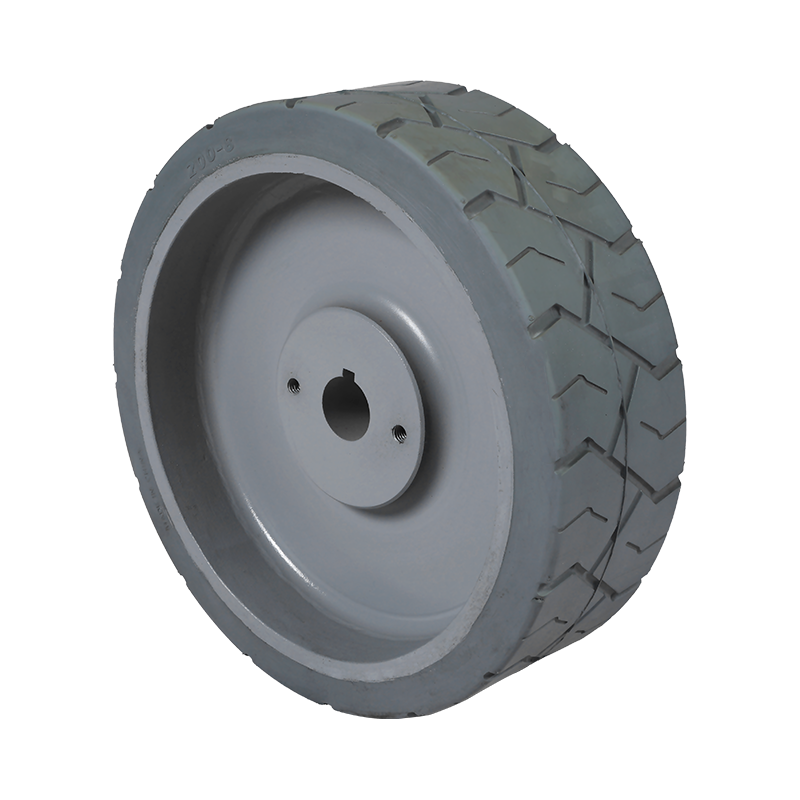
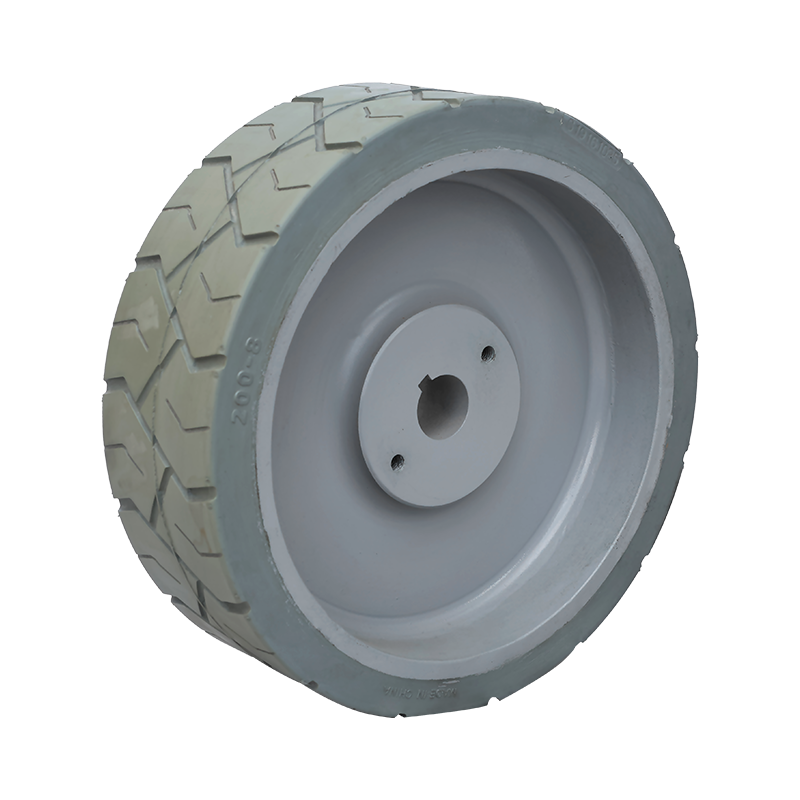
Solid Non-Marking (Non-Pneumatic) Tires
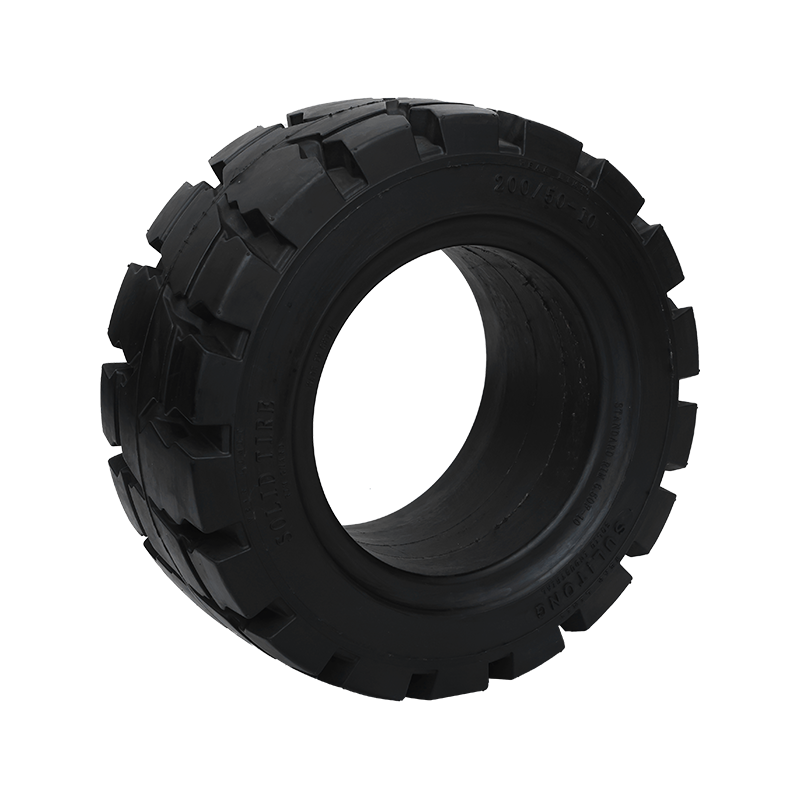
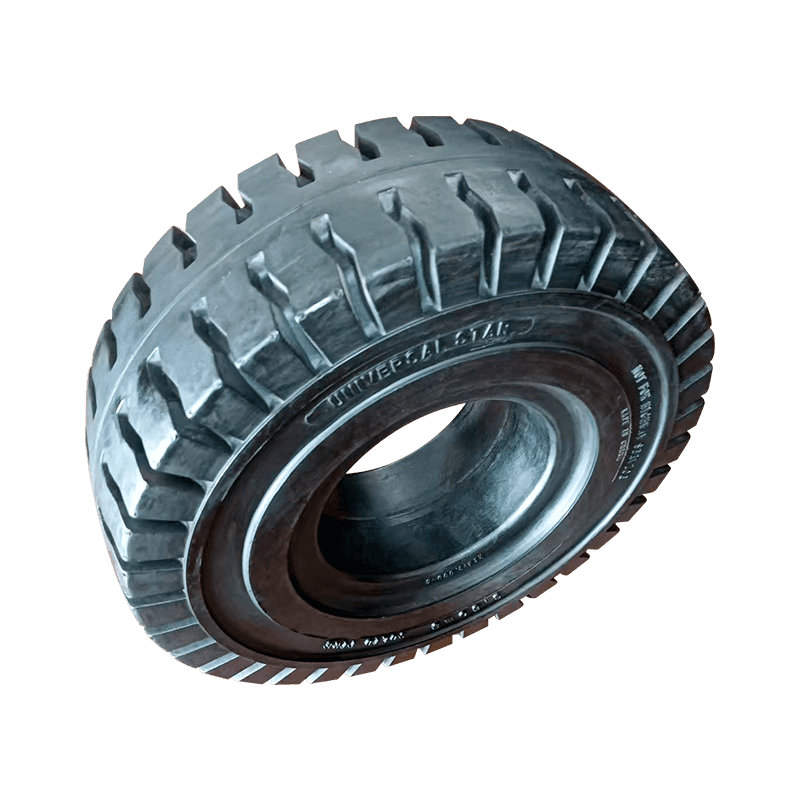
Solid non-marking tires are the most commonly fitted type on indoor electric scissor lifts. Made from a specially formulated white or grey rubber compound, they leave no scuff marks or black streaks on polished concrete, epoxy-coated, or tiled floors — making them the required choice for warehouses, retail environments, hospitals, food processing facilities, and any location where floor cleanliness is a priority. Because they contain no air, they are completely puncture-proof and require virtually no inflation maintenance. The trade-off is a slightly firmer ride compared to pneumatic alternatives, though on smooth indoor surfaces this is rarely an issue.
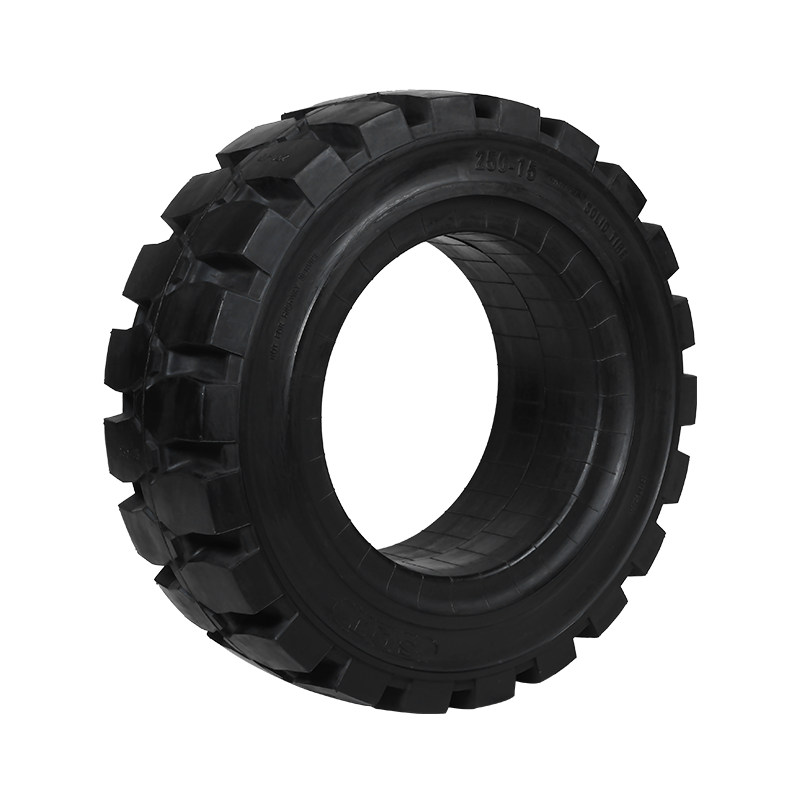
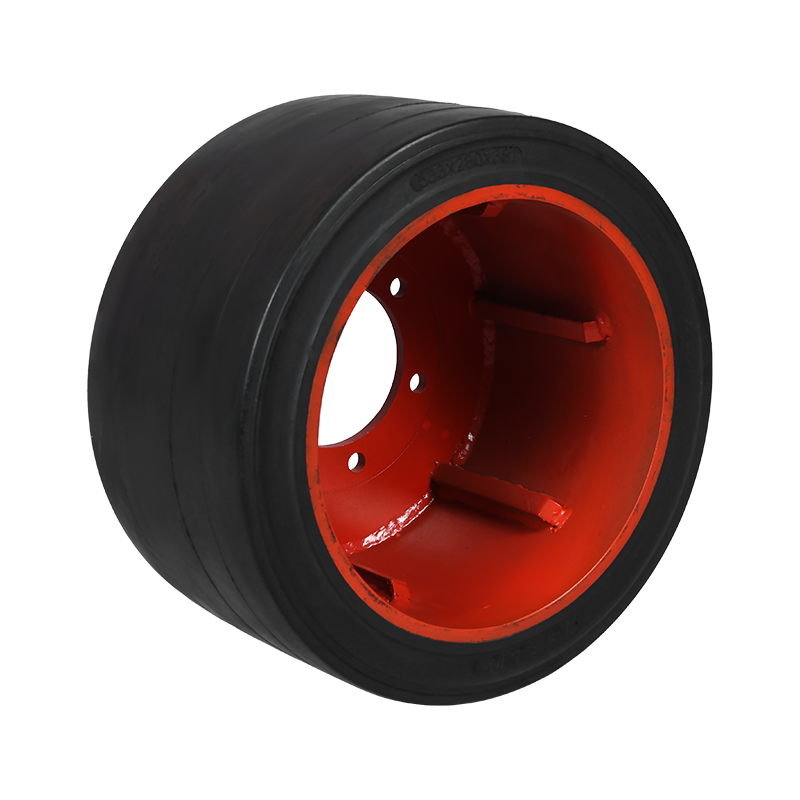
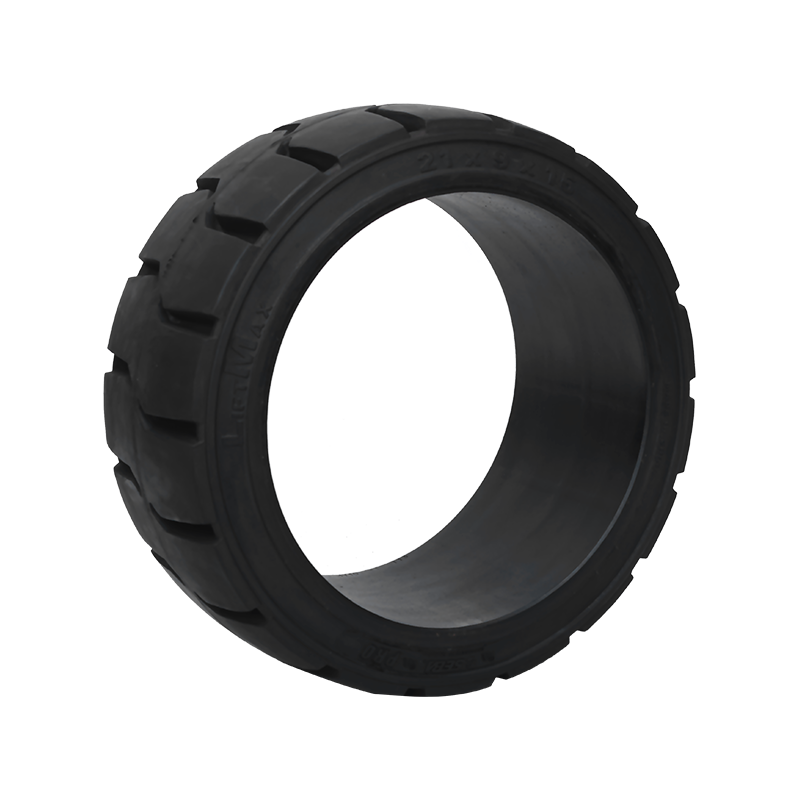
Solid Black Rubber Tires
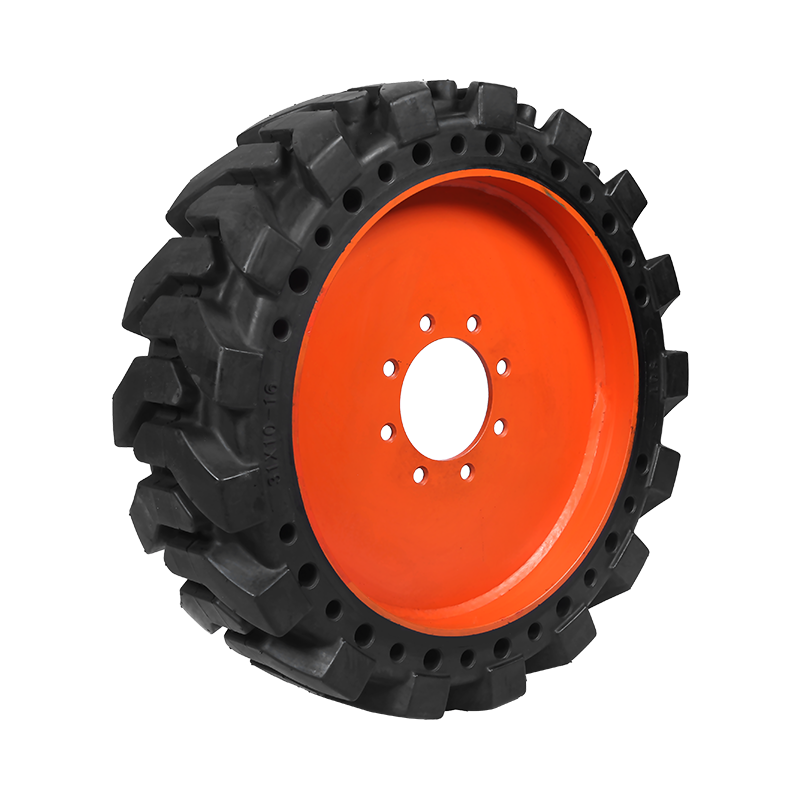
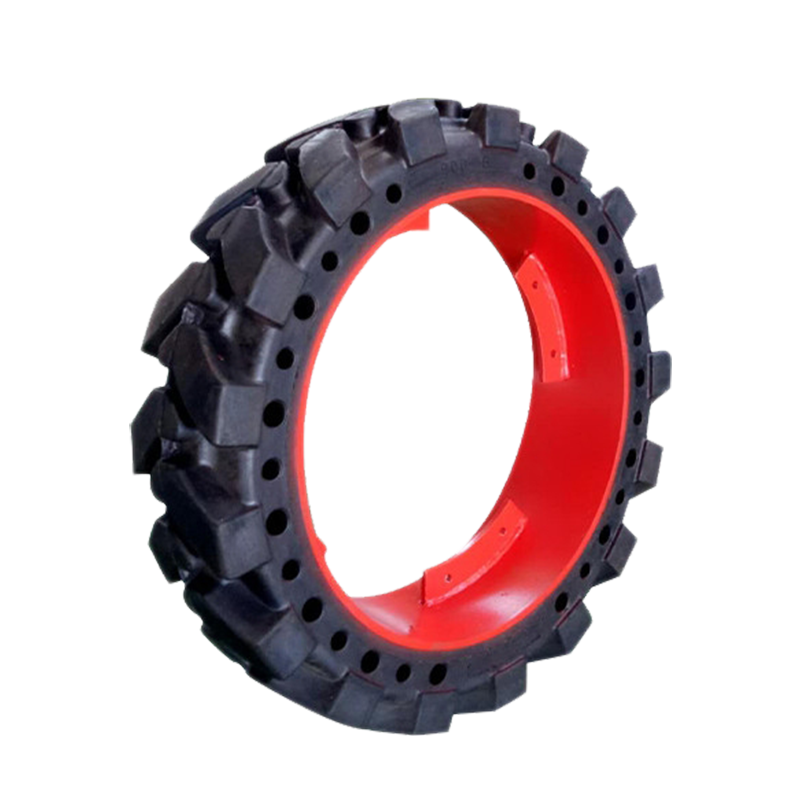
Solid black rubber scissor lift tires are similar in construction to non-marking tires but use a standard black rubber compound that offers slightly higher durability and cut resistance. They are better suited for semi-outdoor or mixed-use applications such as construction sites, car parks, and loading docks where floor marking is not a concern. Like non-marking tires, they are puncture-proof and maintenance-free in terms of air pressure. Solid black tires are available in smooth and lug tread patterns depending on the surface type.
Pneumatic Tires
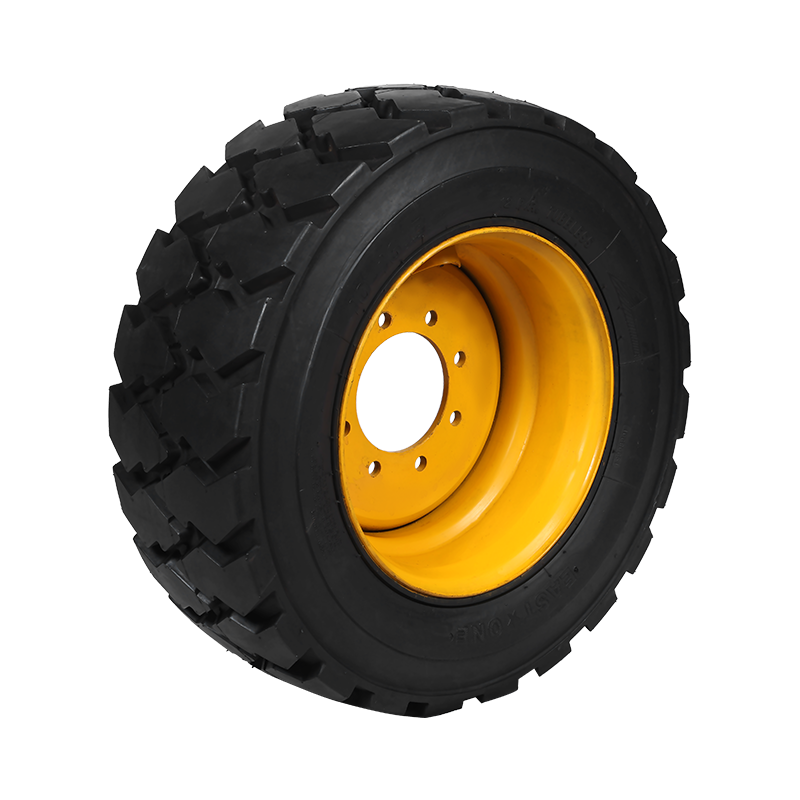
Pneumatic scissor lift tires contain an air-filled inner tube or tubeless air chamber, providing a cushioned ride and excellent traction on rough, uneven, or soft outdoor ground. They are the standard fitment on rough terrain scissor lifts designed for outdoor construction sites, agricultural settings, and unprepared ground. Pneumatic tires offer better shock absorption over obstacles and terrain irregularities, which is important for both operator comfort and machine stability when the platform is raised. The downside is that they can be punctured by nails, rebar, or sharp debris common on construction sites, which is why foam-filled pneumatic tires are increasingly used as a compromise solution.
Foam-Filled Tires
Foam-filled scissor lift tires — sometimes called flatproof tires — start life as pneumatic tires but have their air cavity filled with polyurethane foam after mounting. This gives the tire the tread profile and ground-clearance characteristics of a pneumatic tire, combined with the puncture resistance of a solid tire. Foam filling adds significant weight to the tire and wheel assembly and is irreversible once done, but for contractors working in environments where punctures are a constant problem, the reduced downtime and improved reliability can far outweigh the additional upfront cost.
How to Read Scissor Lift Tire Sizes
Scissor lift tire sizing follows standard industrial and construction equipment conventions, though the format can be confusing if you are not familiar with it. Getting the size exactly right is critical — fitting an incorrect tire size can affect the machine's stability calculations, ground clearance, turning radius, and load ratings as published in the original equipment manufacturer (OEM) documentation.
The most common sizing formats you will encounter on scissor lift tires are:
- Inch format (e.g. 15×5–8): The first number is the overall diameter in inches, the second is the section width in inches, and the third is the rim diameter in inches. This format is common on solid and pneumatic tires for smaller electric scissor lifts.
- Metric format (e.g. 355/55–20): The first number is the section width in millimetres, the second is the aspect ratio (section height as a percentage of section width), and the third is the rim diameter in inches. This format is common on larger rough terrain scissor lift tires.
- NHS designation: "NHS" stands for Non-Highway Service and indicates the tire is not rated for on-road use. Most scissor lift tires carry this designation as they are designed exclusively for off-road or indoor use.
- Load index and ply rating: Some scissor lift tires include a load index number or ply rating that indicates the maximum load the tire is rated to carry. Always ensure replacement tires meet or exceed the OEM-specified load rating for the machine.
If you are unsure of the correct tire size for your machine, the OEM part number is printed on the tire sidewall and cross-referenced in the machine's operator manual or parts catalogue. Many scissor lift tire suppliers also offer lookup tools where you can search by machine make and model to find the correct replacement specification.
Common Scissor Lift Tire Sizes by Machine Type
While tire sizes vary by manufacturer and model, the following table gives a general overview of the most common scissor lift tire sizes you are likely to encounter across popular machine categories:
| Machine Category | Typical Tire Size | Tire Type | Common Brands |
| Compact electric slab (up to 26 ft) | 15×5–8 / 200×50–10 | Solid non-marking | Genie GS-1930, JLG 1930ES |
| Mid-size electric slab (26–40 ft) | 18×7–8 / 250×70–15 | Solid non-marking or black | Genie GS-2669, JLG 3246ES |
| Large electric slab (40–50 ft) | 25×8–12 / 300×75–20 | Solid black or non-marking | Genie GS-4069, JLG 4669LE |
| Rough terrain diesel (up to 40 ft) | 31×15.50–15 / 355/55–20 | Pneumatic or foam-filled | Genie GS-3384RT, JLG 3394RT |
| Large rough terrain diesel (40–60 ft) | 385/65–22.5 / 12–16.5 | Pneumatic or foam-filled | Skyjack SJRT 6826, Haulotte H23RTJ |
Signs That Your Scissor Lift Tires Need Replacing
Unlike vehicle tires, scissor lift tires do not have a legal minimum tread depth requirement in most jurisdictions, but they are subject to pre-use inspection requirements under most national safety regulations and equipment rental standards. Knowing what to look for during a pre-start check can prevent an unsafe machine from being put into service.
Wear Indicators on Solid Tires
Most solid scissor lift tires are manufactured with a wear indicator — a coloured layer (often red or orange) visible below the outer tread surface. When this colour begins to show through the tread, it is a clear signal that the tire has reached the end of its safe service life and must be replaced. On tires without a colour indicator, a general rule of thumb is that replacement is required when the tread has worn to less than 50% of its original depth, or when chunking, cracking, or flat spots are visible anywhere on the tire surface.
Damage Signs to Look for on All Tire Types
Regardless of tire type, the following conditions indicate that a scissor lift tire should be taken out of service immediately and inspected by a qualified technician:
- Chunking or tearing: Pieces of rubber missing from the tread or sidewall, often caused by running over sharp debris or operating on surfaces the tire was not designed for.
- Flat spots: Areas of uneven wear caused by the tire locking up and dragging across a surface, typically resulting from hard braking or driving with a seized wheel bearing.
- Sidewall cracking: Fine or deep cracks running across the tire sidewall, indicating rubber degradation due to age, UV exposure, or chemical contamination.
- Separation from the rim: On solid press-on tires, the rubber bond between the tire and the steel or aluminium rim can fail over time. Any movement or visible gap between the tire and rim is a serious safety concern requiring immediate replacement.
- Deflation or soft spots (pneumatic tires): Any tire that repeatedly loses pressure, shows visible bulging, or feels significantly softer in one area than the rest of the circumference should be inspected for punctures, valve damage, or bead seal failure.
Age-Based Replacement
Even tires that appear visually sound should be considered for replacement after a certain age. Most scissor lift tire manufacturers and OEMs recommend replacing tires after five to seven years from the date of manufacture, regardless of visible wear condition. The manufacture date is moulded into the tire sidewall as a four-digit DOT code — the first two digits represent the week and the last two the year of manufacture (e.g. "2319" means the 23rd week of 2019). Rubber degrades chemically over time even when stored correctly, and an aged tire can fail suddenly even if the tread appears intact.
Choosing the Right Replacement Scissor Lift Tires
When it comes time to replace scissor lift tires, you have a choice between OEM (original equipment manufacturer) tires and aftermarket alternatives. Both have their place, but the decision should always start with a clear understanding of what the machine requires and where it will be operating.
OEM vs. Aftermarket Scissor Lift Tires
OEM tires are manufactured to the exact specification approved by the machine manufacturer and will guarantee that the machine's stability test compliance, load ratings, and operating envelope remain valid. Aftermarket scissor lift replacement tires can be a cost-effective alternative, provided they exactly match the OEM size specification and meet or exceed the original load and ply rating. Reputable aftermarket suppliers will cross-reference their tires to the OEM specification and provide written confirmation that the replacement is a direct equivalent. Be cautious of cheap, unbranded tires with no specification data — saving money on tires is never worth compromising the machine's safety certification.
Indoor vs. Outdoor Application
The operating environment should drive tire selection as much as the machine specification. If you are fitting a machine that was previously used outdoors with solid black tires for a new indoor contract in a sensitive facility, switching to non-marking tires is essential. Conversely, if an indoor machine is being pressed into service on a construction site, upgrading to a more robust solid black or foam-filled tire with a deeper lug tread will significantly extend tire life and reduce the risk of damage from site debris.
Always Replace Tires in Axle Pairs
It is strongly recommended — and in many cases required by the OEM — to replace scissor lift tires in matching pairs on the same axle. Fitting one new and one worn tire on the same axle creates an uneven rolling diameter, which can affect the machine's straight-line tracking, place uneven loads on the drive motors and gearboxes, and alter the machine's stability characteristics. For the same reason, avoid mixing tire types (e.g. solid and pneumatic) on the same machine unless specifically approved by the manufacturer.
How Scissor Lift Tires Are Fitted and What It Involves
Fitting solid press-on scissor lift tires is not the same as changing a car tire and requires specialist equipment. Understanding the process helps you plan downtime, source the right service provider, and avoid attempting the job with inadequate tools.
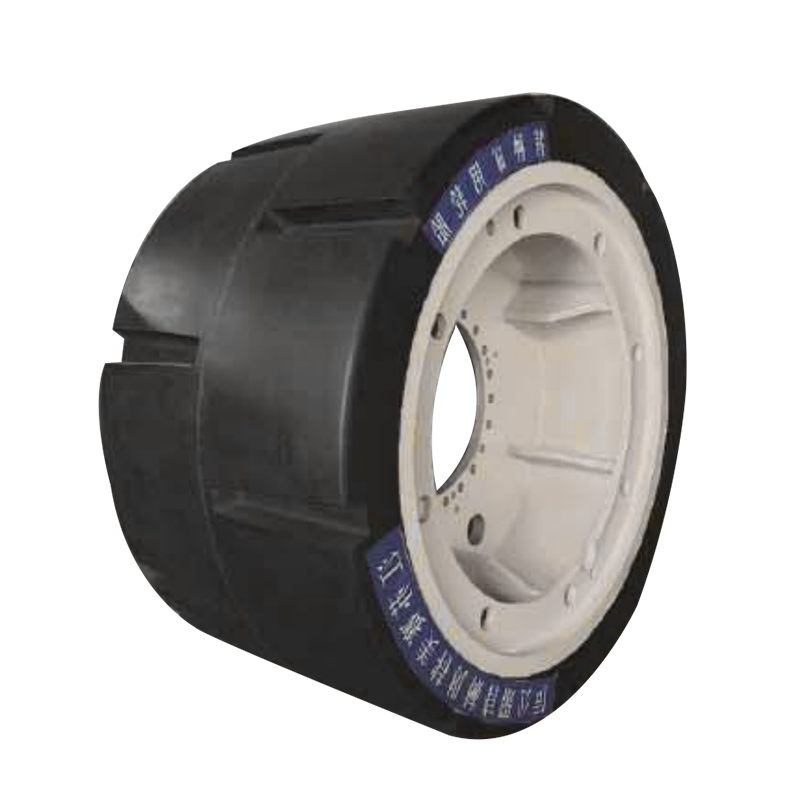
Press-On Solid Tire Fitting
Solid rubber tires for scissor lifts are mounted on a steel or aluminium rim using a hydraulic press. The tire is cold-pressed onto the rim with a precise interference fit — typically 1–2mm tighter than the rim's outer diameter — which creates a secure mechanical bond without adhesive. This process requires a purpose-built tire press capable of generating several tonnes of force and cannot be done by hand or with basic workshop tools. The wheel assembly is then torqued back onto the machine using the manufacturer's specified lug nut torque and pattern. Most experienced scissor lift service technicians can complete a solid tire press and refit in 30–60 minutes per wheel.
Pneumatic Tire Mounting
Pneumatic scissor lift tires are mounted using a standard tire mounting machine similar to those used in the automotive industry but rated for the larger diameter and heavier construction equipment tire sizes. After mounting, the tire must be inflated to the OEM-specified pressure — typically 50–100 PSI for rough terrain scissor lift tires — and the bead must be fully seated around the rim before the wheel is reinstalled on the machine. Always inflate pneumatic tires inside a safety cage or with a clip-on chuck and stand well clear during initial inflation, as an improperly seated bead can cause sudden explosive separation.
Extending the Life of Your Scissor Lift Tires
Tires represent a significant maintenance cost over the life of a scissor lift, particularly on machines used intensively on abrasive or debris-strewn surfaces. A few straightforward operating and maintenance practices can significantly extend tire service life and reduce replacement frequency.
- Avoid sharp turns at speed: Spinning the drive wheels while turning sharply scuffs and abrades the tire tread rapidly. Reduce speed before turning and complete steering movements gradually.
- Keep the machine on suitable surfaces: Operating an indoor slab scissor lift on rough or contaminated outdoor surfaces accelerates tread wear and increases the risk of chunking damage. Always match the machine and its tires to the surface conditions.
- Maintain correct inflation (pneumatic tires): Under-inflated pneumatic tires generate excess heat during use, accelerate sidewall cracking, and increase fuel consumption on diesel machines. Check inflation pressure at the start of every shift.
- Inspect tires at every pre-start check: Catching damage early — a small chunk missing or a developing sidewall crack — prevents minor damage from progressing to a complete tire failure mid-shift. Pre-start checks should include a walk-around visual inspection of all four tires.
- Store machines correctly when not in use: Long-term storage on hard surfaces with the machine's full weight on one spot can cause flat spots on solid tires. If possible, position machines on rubber matting or move them periodically during extended storage to redistribute contact points.
- Check wheel bearing condition: Worn or damaged wheel bearings can cause uneven loading and abnormal tire wear patterns. Include bearing inspection in scheduled maintenance alongside tire checks.
Scissor Lift Tire Costs: What to Budget For
The cost of scissor lift tires varies considerably depending on the machine size, tire type, and whether you opt for OEM or aftermarket replacements. The table below provides a general cost guide to help with budgeting:
| Tire Type & Application | Approx. Cost Per Tire | Fitting Cost (Per Wheel) | Expected Service Life |
| Solid non-marking, compact electric | $40 – $90 | $20 – $40 | 2,000 – 4,000 hrs |
| Solid non-marking, mid/large electric | $80 – $180 | $30 – $60 | 2,000 – 5,000 hrs |
| Solid black, construction/outdoor use | $70 – $160 | $30 – $60 | 1,500 – 3,000 hrs |
| Pneumatic, rough terrain machine | $120 – $280 | $40 – $80 | 1,000 – 2,500 hrs |
| Foam-filled, rough terrain machine | $200 – $450 | $60 – $120 | 2,000 – 4,000 hrs |
These figures are approximate and will vary by region, supplier, and current rubber commodity prices. When budgeting for a full tire replacement on a four-wheel scissor lift, multiply the per-tire cost by four and add fitting costs. For a full fleet refresh, many tire suppliers offer volume pricing that can reduce per-unit costs by 15–25% compared to single-machine orders.
CONTACT US
-

Email: SMT001@saimeite-tyre.com
-

Phone: +86-18451337018No. 1, Renmin South Road, Yandu District, Yancheng City, Jiangsu Province, China