
 English
 한국어
 Français
 Español


Farm Tractor Tires: How Tread, Load and Pressure Shape Field Performance
Four patches of rubber, each about the size of a dinner plate, carry everything a tractor does: the pull of a plough, the weight of a full slurry tanker, the slow crawl around a headland. Farm tractor tires are the only part of the machine that touches the ground, so they decide how much of the engine's power actually reaches the soil, how much of that soil gets compacted, and how long the operator's day turns out to be. This guide walks through the choices in the order most buyers meet them.
Content
- 1 What farm tractor tires are asked to do
- 2 Tread patterns and where each one belongs
- 3 Reading the sidewall: size, load index and speed symbol
- 4 Inflation pressure: the lever most operators leave alone
- 5 Matching the tire to the job in front of you
- 6 Wear, stubble and the small habits that add seasons
- 7 When pneumatic tires are the wrong tool
- 8 A short buying checklist
What farm tractor tires are asked to do
Fieldwork sets two demands that pull in opposite directions. A tire has to bite, putting torque into the soil without spinning, and it also has to float, spreading the same axle load over a larger footprint so the machine keeps moving on soft ground. Add the need to shed mud from between the lugs, carry a heavy implement on the rear linkage, and survive hours of road transport without overheating the casing, and you have a component that is really a bundle of compromises.
That is why there is no single best farm tractor tire. There is only the best tire for a particular soil, a particular job and a particular set of axle weights. A tread that shines in a wet, heavy clay will cut up a lawn or an orchard row; a shallow turf pattern that protects grass will struggle for grip in freshly ploughed land.
Tread patterns and where each one belongs
Most agricultural tires fall into a handful of tread families, usually identified by an R-number. The table below is a starting point rather than a specification; exact lug depth, angle and compound vary between manufacturers and between sizes within the same range.
| Pattern | Tread character | Typical work | Trade-offs |
|---|---|---|---|
| R-1 | Angled bar lugs at roughly 45 degrees, moderate depth | General field work, ploughing, cultivations, hay and forage | Strong all-round grip in firm to moist soil; limited flotation when ground is very wet |
| R-1W | Deeper lugs, often around one and a half times R-1, with a wider bar | Heavy draft work, wet soil, high-torque tractors | More pull and better self-cleaning; noisier and faster wearing on road work |
| R-2 | Very deep, widely spaced lugs | Paddy fields, wet and sticky soils | Excellent mud clearance; harsh on turf and on tarmac |
| R-3 | Shallow diamond or turf-style tread | Orchards, vineyards, amenity work, loader duty on grass | Gentle on the surface; noticeably less bite in loose soil |
| R-4 | Industrial lug on a tougher carcass | Loaders, backhoes, yards, mixed farm and construction duty | Good on hard surfaces and in the yard; a compromise once you reach the field |
Notice how the pattern changes the machine's behaviour far more than the headline size does. Two tractors of identical power can feel completely different on the same headland simply because one is on a deeper lug and the other on a turf tread.
Reading the sidewall: size, load index and speed symbol
A modern marking such as 460/85R38 gives section width in millimetres, aspect ratio, radial construction and rim diameter. An older size like 18.4R38 does the same job in inches, and both may appear in the same workshop. Behind that first line sit the numbers that decide whether the tire is legal and safe for your machine: the load index, the speed symbol, and for radial agricultural tires the star rating that indicates how much load the casing can carry at a given pressure.
This is where many buyers get caught out. The load index on the sidewall assumes a specific inflation pressure and a specific speed. Fit a heavy front loader, add a dual wheel set, hitch a fully laden trailer, or run at higher road speed than usual, and the permitted load per tire changes. Before comparing brands, write down the following:
- Front and rear axle loads with the heaviest implement you actually use, not the brochure version.
- Maximum road speed with a full trailer, which sets the speed symbol you need.
- Whether the tractor is fitted with duals, and if so, how the load is shared between them.
- Any requirement for improved flexion or very high flexion casings, which carry more load at lower pressure.
Improved flexion and very high flexion designs have become common on larger tractors because they allow a bigger footprint and lower pressure without sacrificing load capacity. They are genuinely useful, but they also demand that the operator uses the correct pressure table instead of the number that happened to be in the tire when it arrived.
Inflation pressure: the lever most operators leave alone
Pressure is where farm tractor tires earn or lose their keep. The same casing at a low pressure and at a high pressure behaves almost like two different products: one flexes, spreads its footprint and protects the soil, the other runs stiff, concentrates load and transfers every bump into the chassis. Running a radial too hard is one of the most common causes of poor traction, uneven wear and unnecessary compaction in the wheel tracks.
Check pressures cold, before the machine has done any road work, and set them from the manufacturer's load-inflation table rather than from habit. Pay particular attention to the front axle once a loader is fitted, because a bucket full of soil can add more load than the tire was originally set up for. If your tractor has a central tire inflation system, use it deliberately: low pressure in the field, higher pressure before a road run, and back again at the gate.
Matching the tire to the job in front of you
Field work
Primary cultivation, drilling and heavy draft work reward an R-1 or R-1W pattern, a radial casing and a pressure low enough to give a long footprint. If the soil is wet and sticky, self-cleaning becomes the priority, and lug spacing matters as much as lug depth.
Loader and yard duty
A tractor that spends most of its life with a bucket on the front will punish a soft agricultural tread quickly. An R-4 or R-3 pattern with a stronger carcass survives tight turns on concrete, but it also picks up more punctures, so keep an eye on sidewall cuts and rim condition. Further reading on how loads and ground conditions change the picture is available in this guide to farm machinery tires and the surfaces they work on.
Road transport
Road runs generate heat, and heat is what shortens casing life. Respect the speed symbol, raise pressures before long journeys with a loaded trailer, and expect faster tread wear on tarmac no matter which pattern you choose.
Wear, stubble and the small habits that add seasons
Stubble from maize and sunflowers is a quiet killer of agricultural casings, cutting sidewalls and chipping lugs long before the tread is worn out. Good habits do more for tire life than any single purchase decision:
- Check pressures monthly and before every long road trip, always cold.
- Inspect sidewalls for cuts and lodged stones after working stubble or rocky ground.
- Watch for uneven wear, which often points to alignment or ballasting problems rather than the tire itself.
- Keep wheel slip modest; a tire spinning at full power polishes lugs and burns fuel.
- Store spare tires out of direct sun and away from oil, and keep rims clean before fitting.
When pneumatic tires are the wrong tool
Not every tire on a working farm spends its life in a field. Telehandlers, skid steers, yard loaders and forklifts live on concrete, gravel and packed yard surfaces, where a puncture from a nail, a scrap of metal or a broken pallet is the most expensive event of the week. A pneumatic tire that loses pressure at six in the morning stops work for the rest of the day.
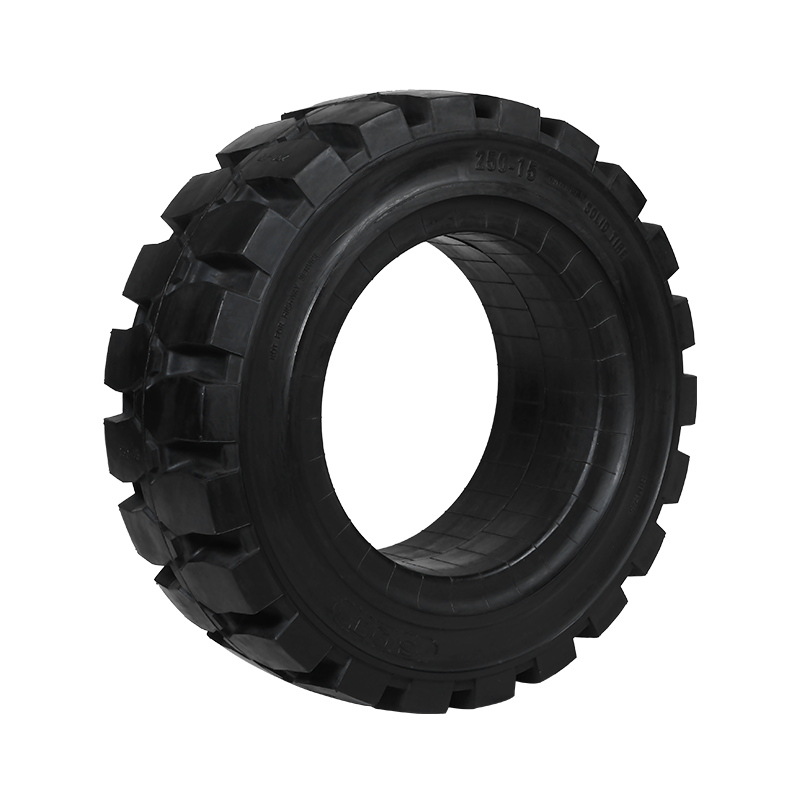
This is where solid rubber and foam-filled options earn their place. There is no inflation pressure to lose and no sidewall to pinch, and the service life on abrasive hard ground is usually far longer than a pneumatic equivalent, at the cost of some ride comfort and more unsprung weight.
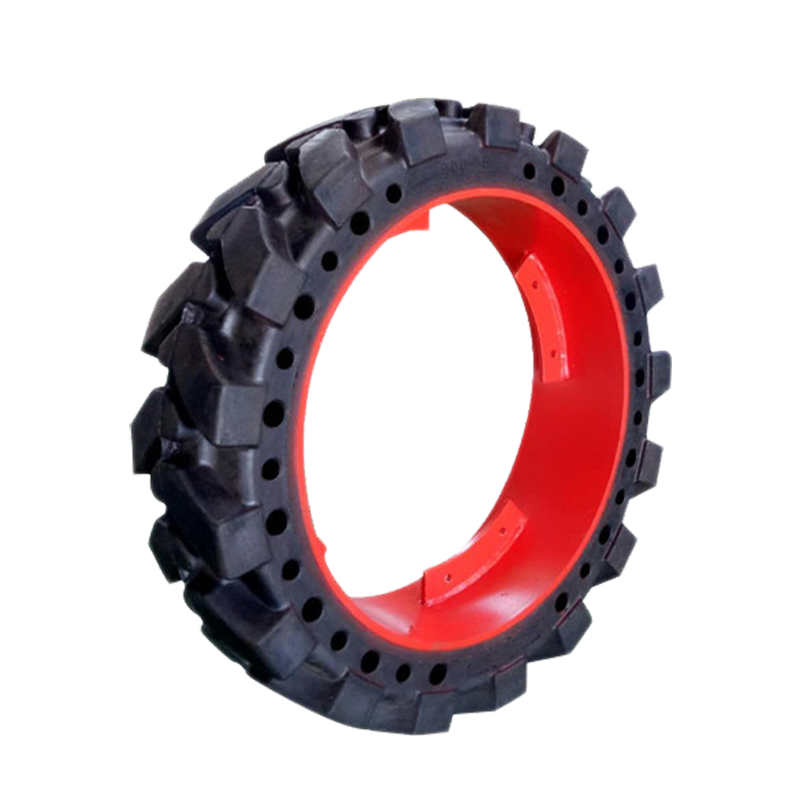
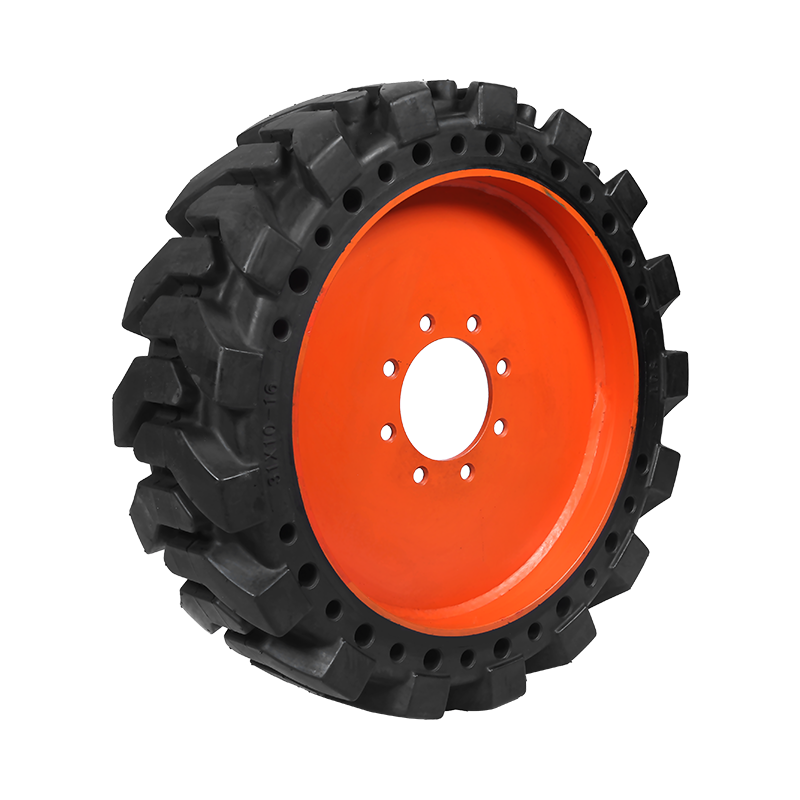 Skid Steer Tires with Transverse TreadView the series for multiple sizes, rim specifications and side-hole options; the large-pitch transverse tread and wear-resistant compound support skid steer traction and stability.View Product →
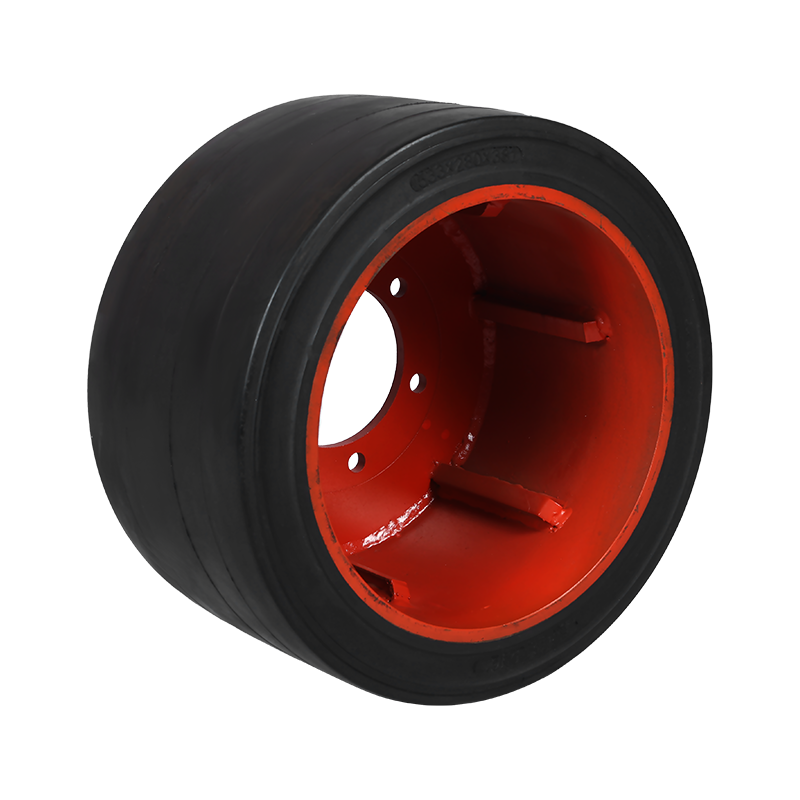
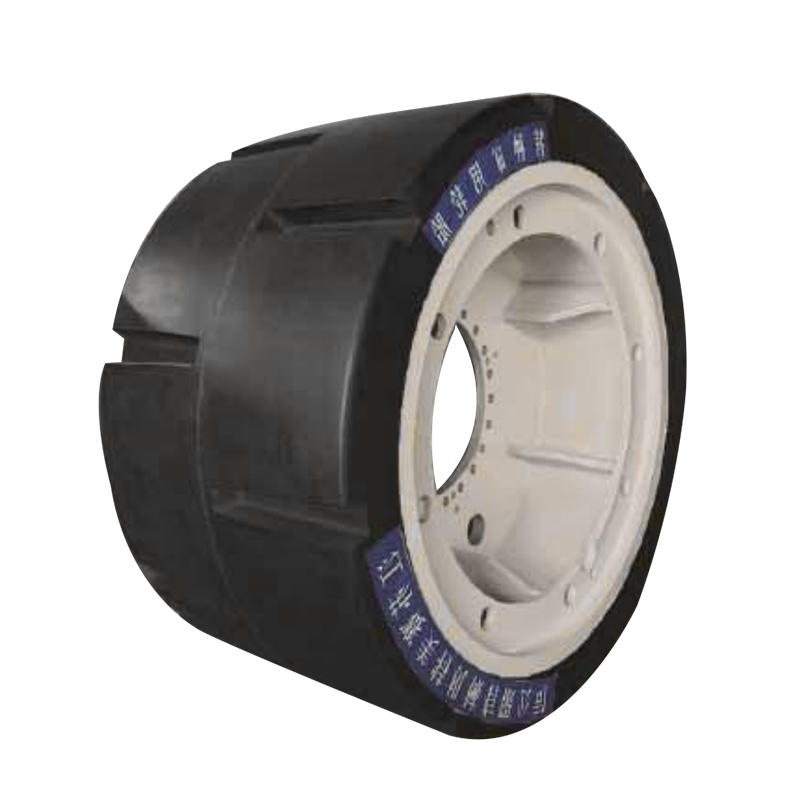
Foam filling suits machines that still need a pneumatic footprint and a bit of flotation on sand or loose gravel, while keeping the puncture resistance of a filled casing. Press-on solid tires remain the standard answer for forklifts in workshops and yards, where the machine turns tightly on concrete all day and downtime costs more than the tire.
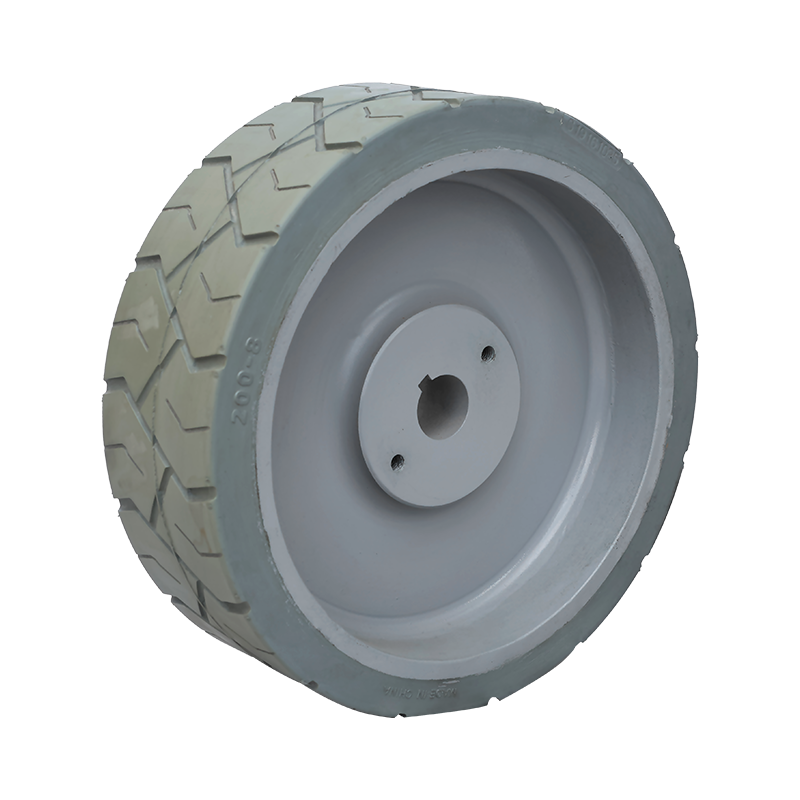
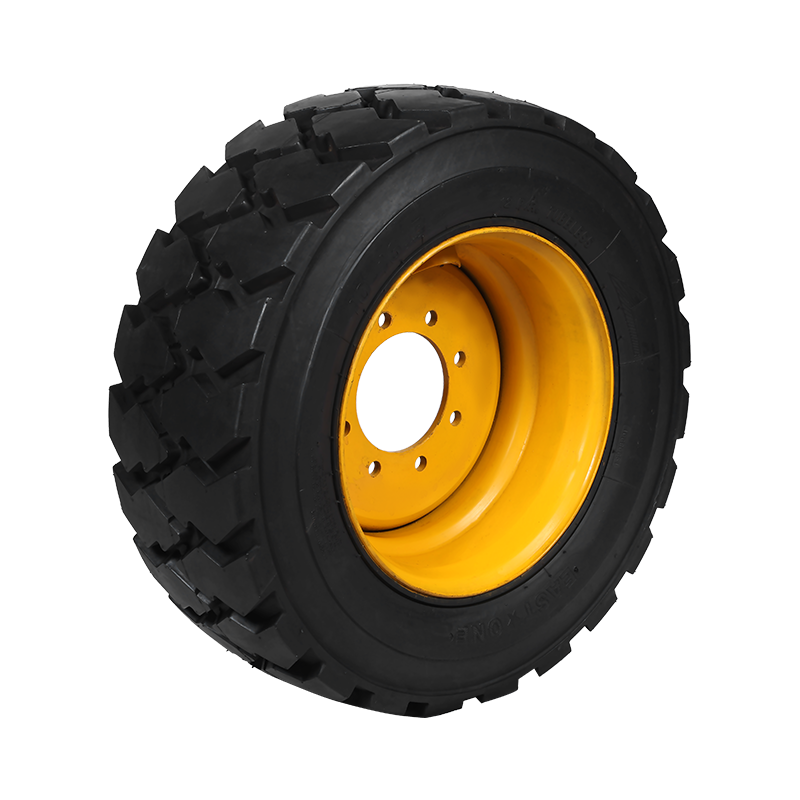 Foam Filled Tires for Air Work PlatformsThese foam-filled tires combine pneumatic and solid characteristics, offering high load capacity, stability and comfort; sizes, load ratings, tread patterns and rim specifications are listed.View Product →
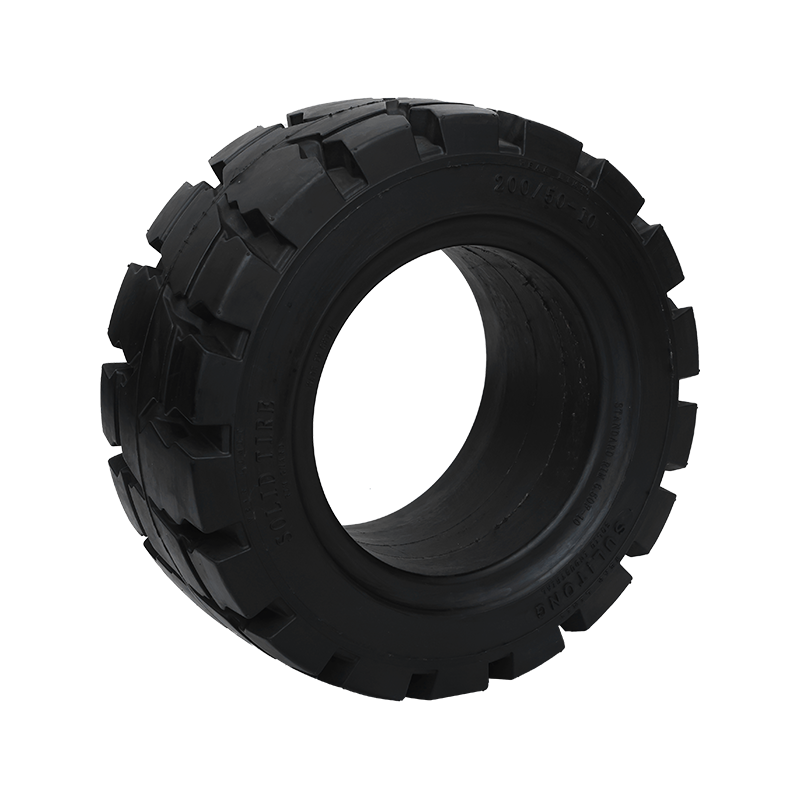
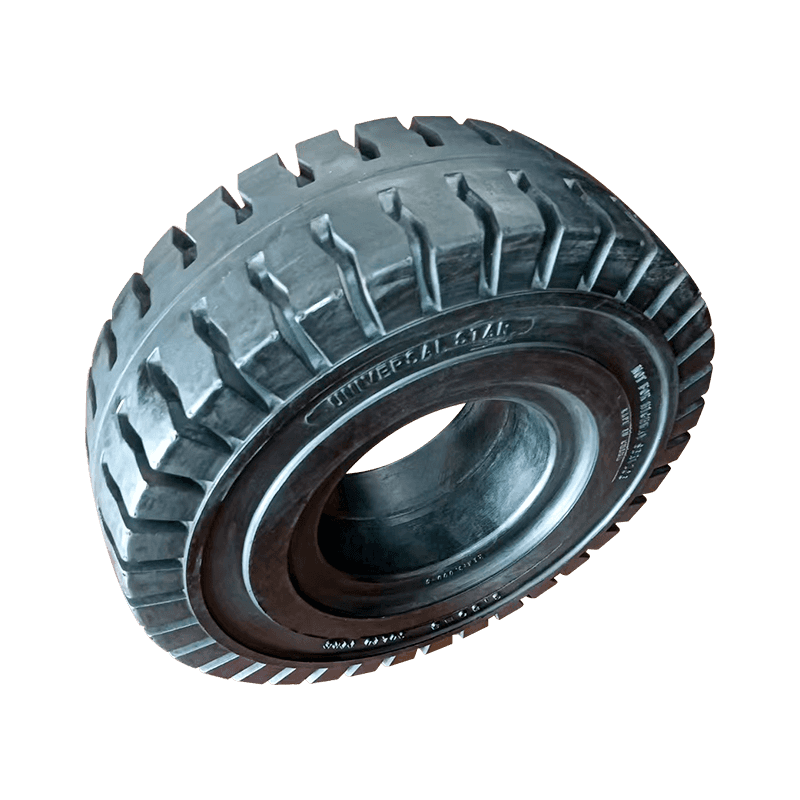
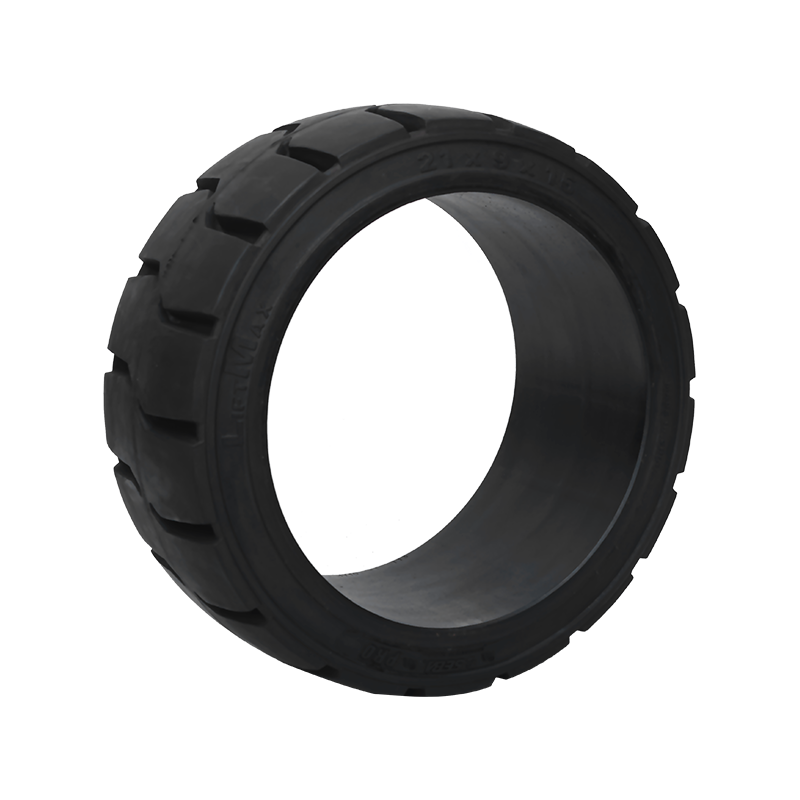 Press-On Solid Tyres for Industrial VehiclesSteel-rim press-fit solid tyres for forklifts and industrial vehicles, with high-density wear-resistant compound, strong grip and low rolling resistance; inch and metric sizes are listed.View Product →
That industrial side of the business is where our own experience sits. We supply solid, foam-filled and press-on tires for equipment that never sees a ploughed field, and much of what we have learned about carcass strength and compound choice carries over to yard machines on farms. You can read more about our background in industrial rubber if that is the part of the job you are sourcing for.
A short buying checklist
- Record real axle loads with your heaviest implement, not the figures in the sales brochure.
- Choose the tread for the ground you work most, and accept that the rest is a compromise.
- Confirm load index and speed symbol against your fastest road speed with a loaded trailer.
- Ask for the load-inflation table and set pressures to your own weights.
- Inspect rims, valves and wheel nuts before new casings go on.
- For yard machines, compare annual pneumatic replacement cost against foam-filled or solid tires.
Farm tractor tires rarely get the attention that engines and implements receive, yet they sit at the centre of traction, fuel use and soil health. Get the pattern, the load rating and the pressure right, and the rest of the machine simply works better. If you are weighing up options for a mixed fleet, whether that means field tractors or the loaders and forklifts working the yard, send us your axle weights and duty cycle, and we will tell you honestly which part of the problem we can help with.
CONTACT US
-

Email: SMT001@saimeite-tyre.com
-

Phone: +86-18451337018No. 1, Renmin South Road, Yandu District, Yancheng City, Jiangsu Province, China