
 English
 한국어
한국어 Français
 Español

Foam Filled Tires vs. Pneumatic: Which Is the Ultimate Solution for You?
Content
Understanding the Mechanics of Foam Filling
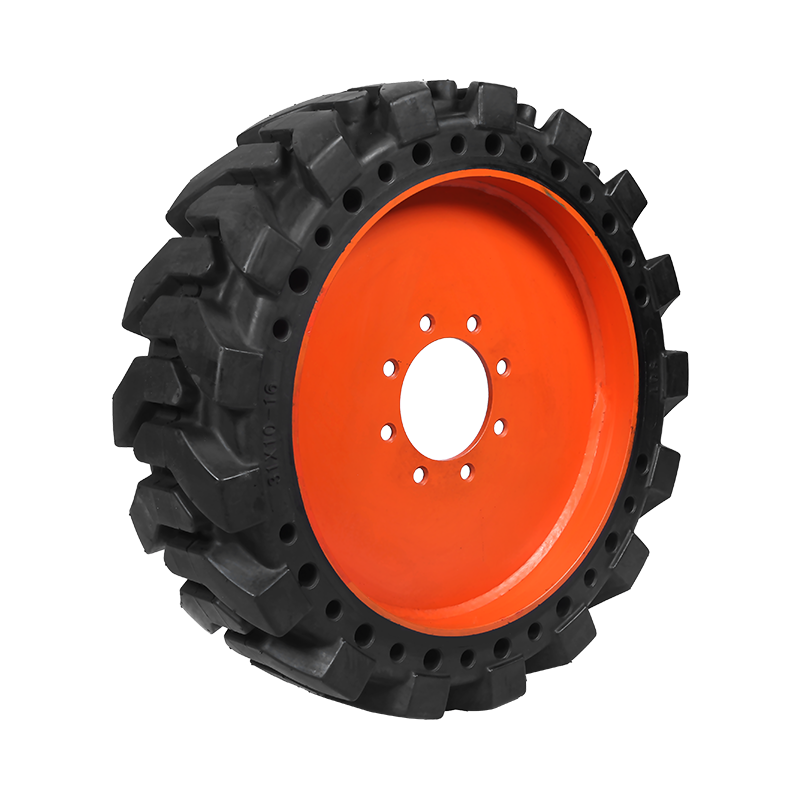
Foam filling, often referred to as "tyre-filling," is a specialized process where a pneumatic tire is injected with a precise polyurethane liquid mixture. This liquid is pumped into the tire through the valve stem until it reaches the manufacturer's recommended pressure, displacing all the air inside. Once injected, the tire is left to cure at a controlled temperature for 24 to 48 hours. During this time, the liquid transforms into a solid, resilient elastomer core. Unlike solid rubber tires, foam-filled tires maintain a degree of flexibility that allows the casing to deflect, mimicking the ride quality of an air-filled tire while becoming completely puncture-proof.
Comparative Performance: Foam-Filled vs. Pneumatic
Deciding whether to transition to foam-filled tires requires an understanding of how they compare to traditional pneumatic options. While air-filled tires offer the best shock absorption and lowest weight, they are highly susceptible to downtime in debris-heavy environments. Foam-filled tires bridge the gap between air and solid rubber, offering the stability of a solid tire with the footprint and traction of a pneumatic tire.
| Feature | Pneumatic (Air) | Foam-Filled |
| Puncture Resistance | Low | 100% Flat-Proof |
| Weight | Lightweight | Heavy (Ballast) |
| Ride Comfort | High | Moderate to High |
| Initial Cost | Lower | Higher |
Key Benefits for Heavy Equipment and Industrial Use
Elimination of Costly Downtime
In industrial sectors like construction, scrap yard management, and mining, a single flat tire can halt production for hours, leading to significant financial losses. Foam-filled tires are immune to sharp rocks, nails, rebar, and glass. Even if the tire casing is severely cut or damaged, the solid polyurethane core remains intact, allowing the machine to finish the shift and maintain project timelines.
Improved Machine Stability
Because foam is significantly denser than air, it adds substantial weight to the wheels. This serves as a low-center-of-gravity ballast, which is particularly beneficial for lifting equipment like skid steers, telehandlers, and aerial work platforms. The added weight increases the tipping load capacity and provides a more planted feel when operating on uneven or sloped terrain.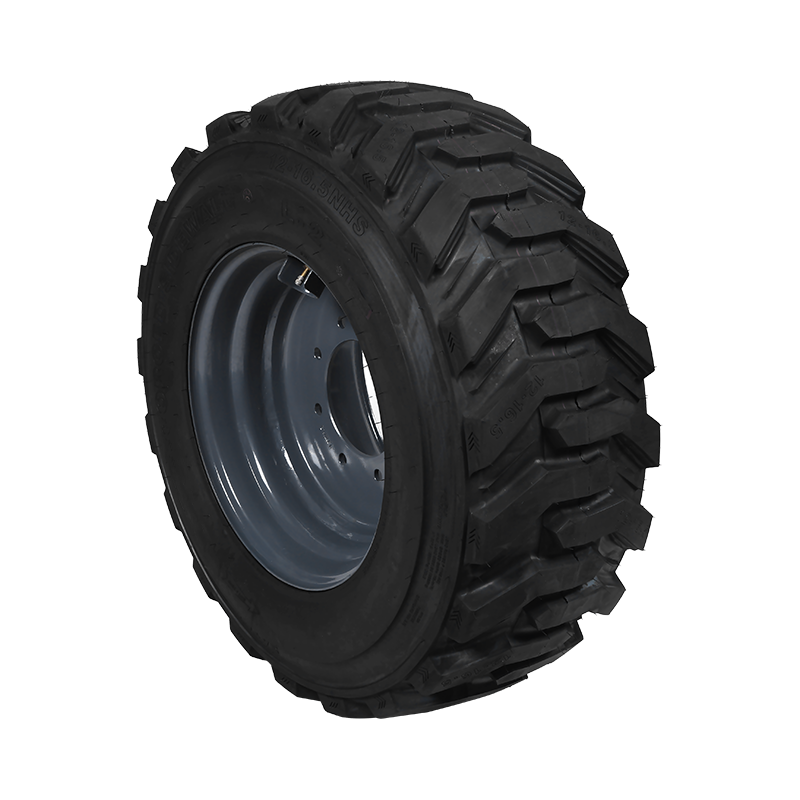
Critical Considerations and Operational Limitations
While the advantages are numerous, foam filling is not a universal solution for every vehicle. It is essential to evaluate the operational environment to ensure the benefits outweigh the technical trade-offs.
- Heat Buildup: Foam-filled tires are designed for low-speed applications (typically under 35 mph). Continuous high-speed use causes friction within the foam, leading to internal heat buildup that can destroy the tire casing or cause the foam to disintegrate.
- Increased Component Wear: The added weight of the foam places more stress on the drivetrain, axles, and bearings. It is vital to check if your machine's suspension and drivetrain are rated for the increased unsprung weight.
- Permanent Application: Once a tire is filled with foam, the process is permanent. The tire cannot be "deflated," and when the tread eventually wears down, the entire assembly (foam and tire) must be replaced or the foam cut out for the casing to be recycled.
Ideal Applications for Foam-Filled Tires
The decision to use foam filling is usually driven by the severity of the work site. If you find yourself repairing punctures more than once a month, the ROI for foam filling becomes very attractive. Common applications include:
- Waste Management: Garbage trucks and loaders working in landfills where sharp metal and glass are constant threats.
- Demolition Sites: Skid steers and excavators moving over jagged concrete and structural steel.
- Military and Defense: Logistics vehicles that require mobility even after taking ballistic damage to the tires.
- Lawn and Garden: Commercial mowers used in areas with thorns or debris that cause frequent annoying punctures.
CONTACT US
-

Email: SMT001@saimeite-tyre.com
-

Phone: +86-18451337018No. 1, Renmin South Road, Yandu District, Yancheng City, Jiangsu Province, China