
 English
 한국어
한국어 Français
 Español

Maximizing Jobsite Efficiency: The Ultimate Guide to Boom Lift Tire Selection and Maintenance
Content
Understanding the Impact of Tire Choice on Boom Lift Performance
Boom lift tires are more than just rubber components; they are critical to the stability and safety of the machine while working at height. Because boom lifts often extend platforms dozens of feet into the air, the tire's ability to maintain a consistent footprint and absorb ground fluctuations is paramount. Choosing the wrong tire type can lead to increased machine downtime, compromised safety margins, and accelerated wear on the aerial work platform's drivetrain. Operators must evaluate the specific demands of their jobsite—whether it is a finished indoor floor or a rugged, muddy construction zone—to determine which tire construction offers the best balance of traction and durability.
Primary Categories of Boom Lift Tires
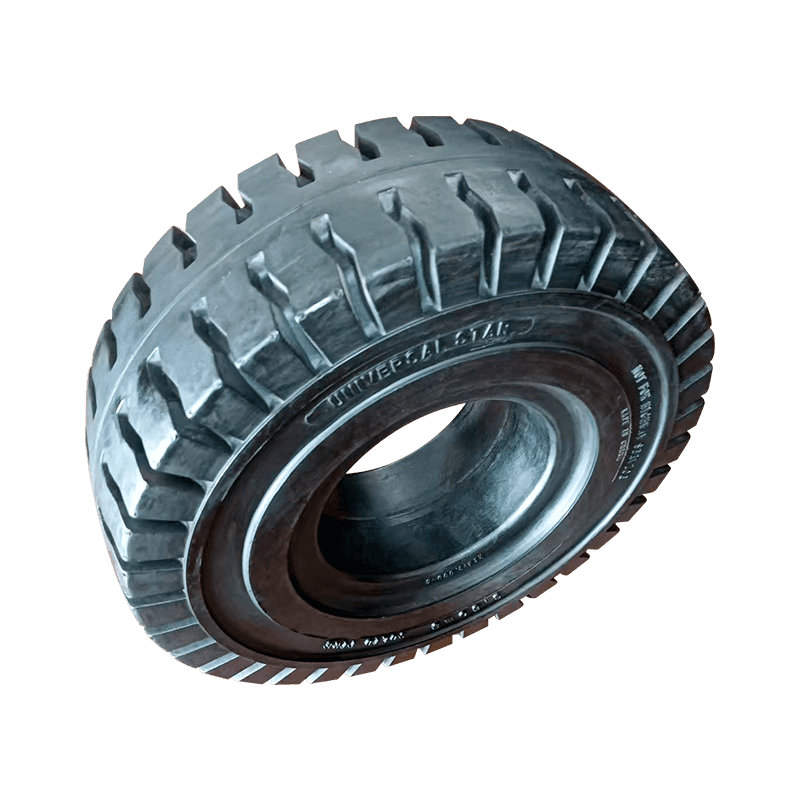
The industry typically utilizes three main types of tires for boom lifts, each engineered for specific environmental challenges. Selecting the right category ensures that the lift operates within its engineered load capacities and stability profiles.
Foam-Filled Pneumatic Tires
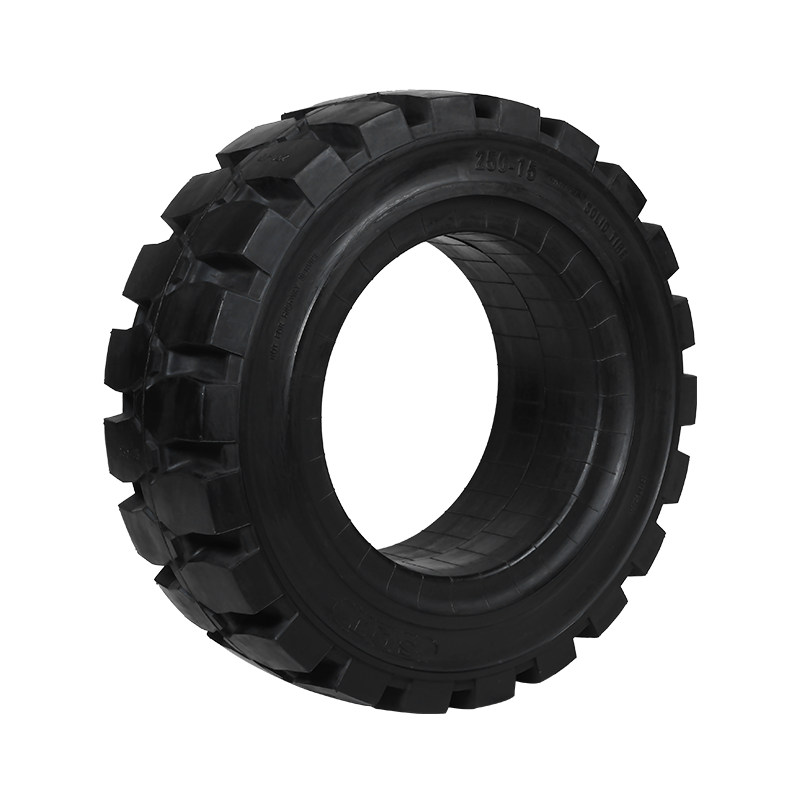
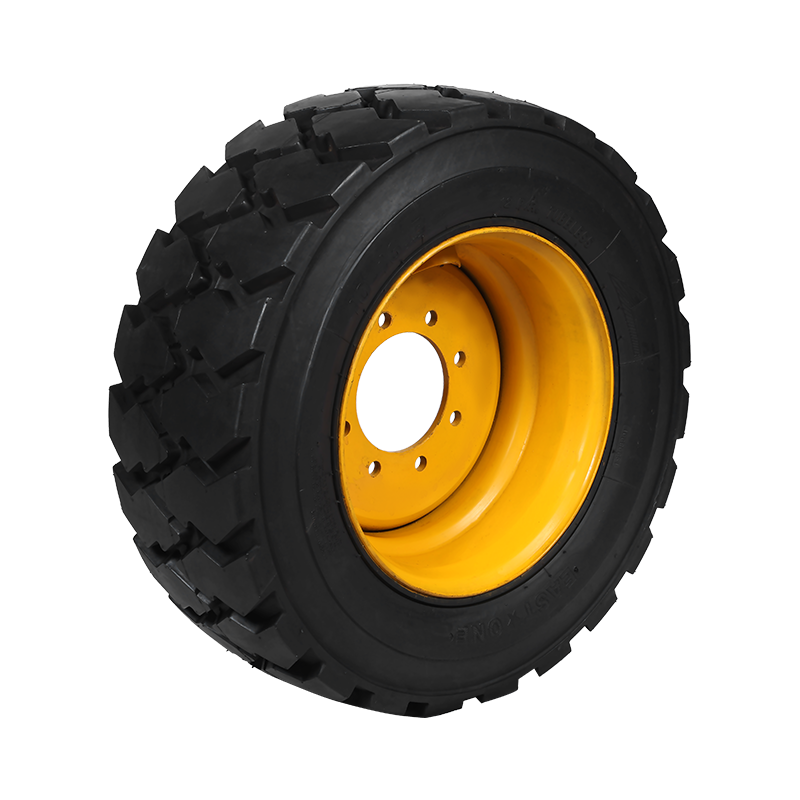
Foam-filling is the most common solution for outdoor boom lifts. This process involves injecting a specialized polyurethane substance into a standard pneumatic tire, replacing the air. This eliminates the risk of flat tires caused by nails, rebar, or sharp rocks while maintaining a degree of flexibility that mimics air-filled tires. The added weight of the foam also acts as a counterweight, lowering the machine's center of gravity and enhancing stability when the boom is fully extended.
Solid Aperture Tires
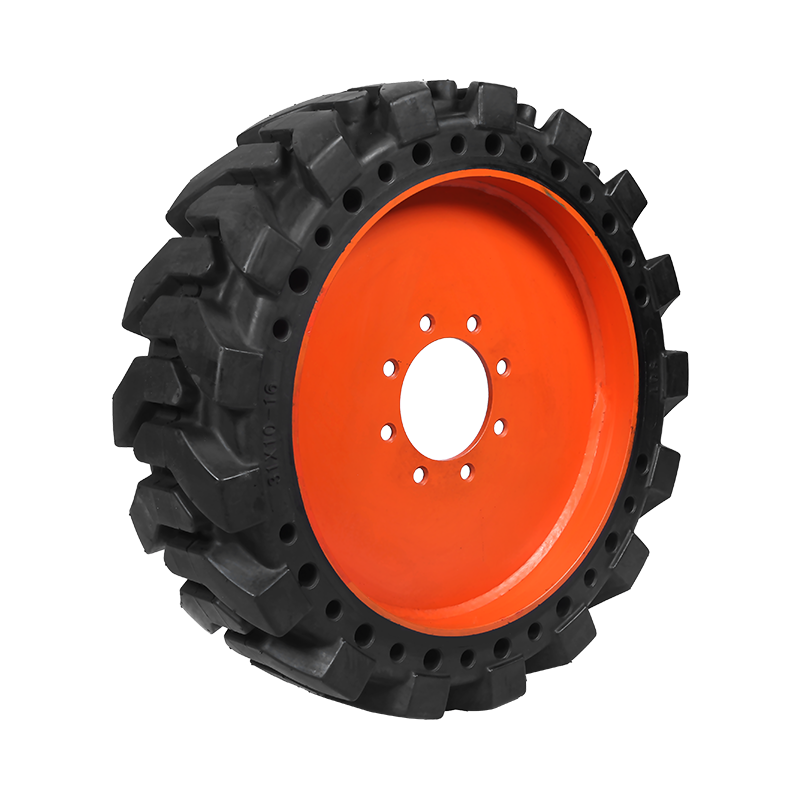
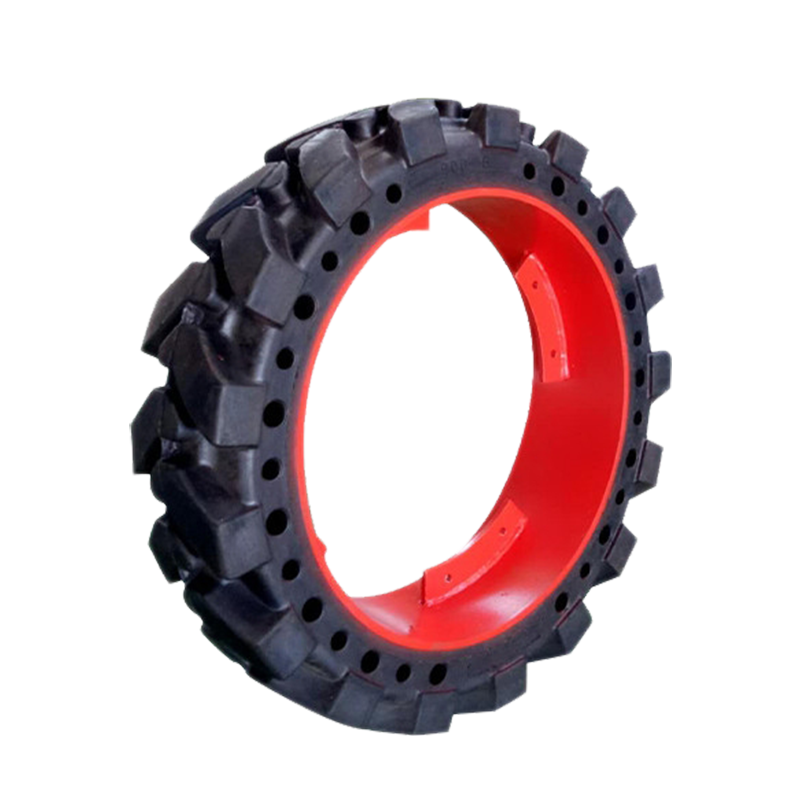
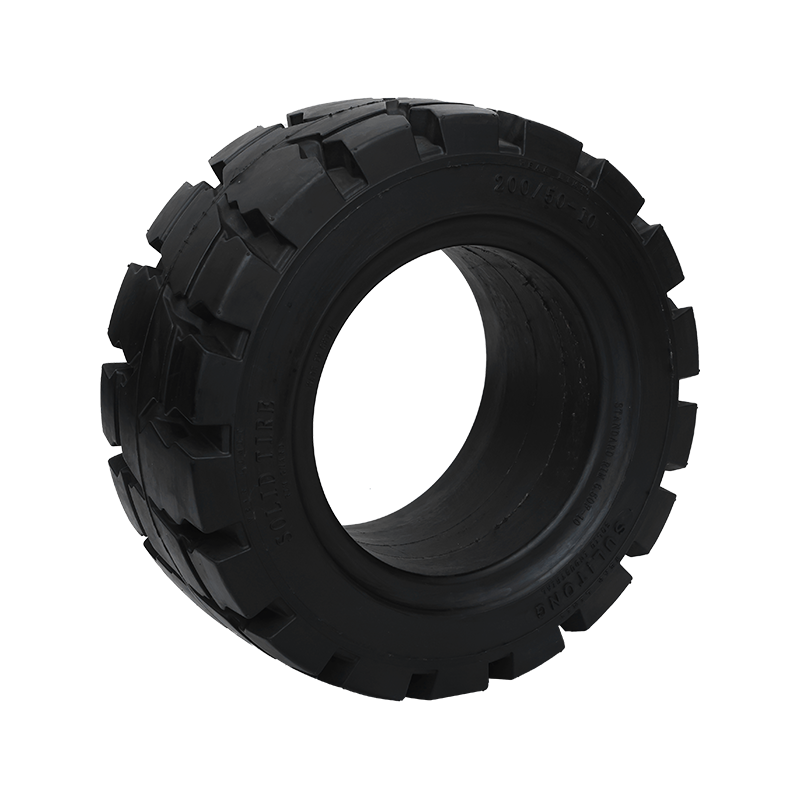
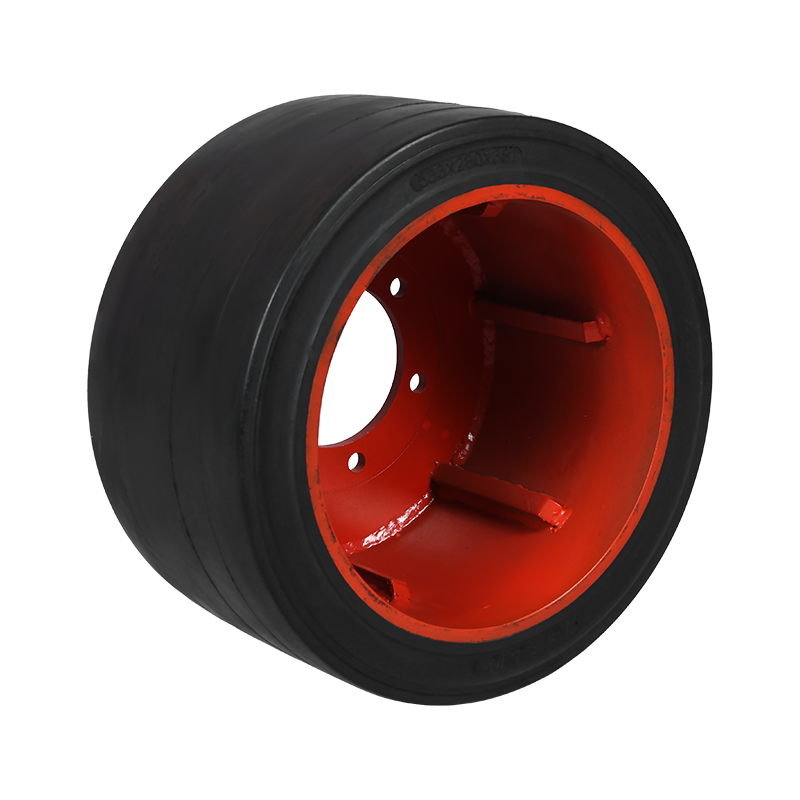
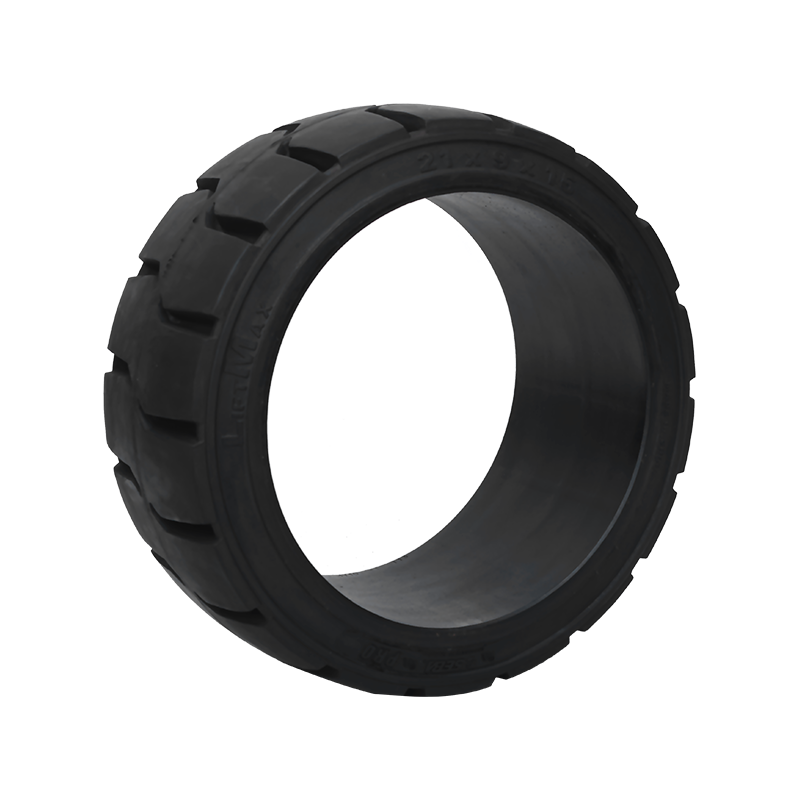
Solid tires are constructed entirely of rubber compounds and are virtually indestructible. Many modern solid tires feature "apertures" or holes engineered into the sidewalls to provide a cushioned ride, reducing the vibration transferred to the operator in the basket. These are ideal for demolition sites or scrap yards where debris would easily shred a standard tire.
Non-Marking Tires
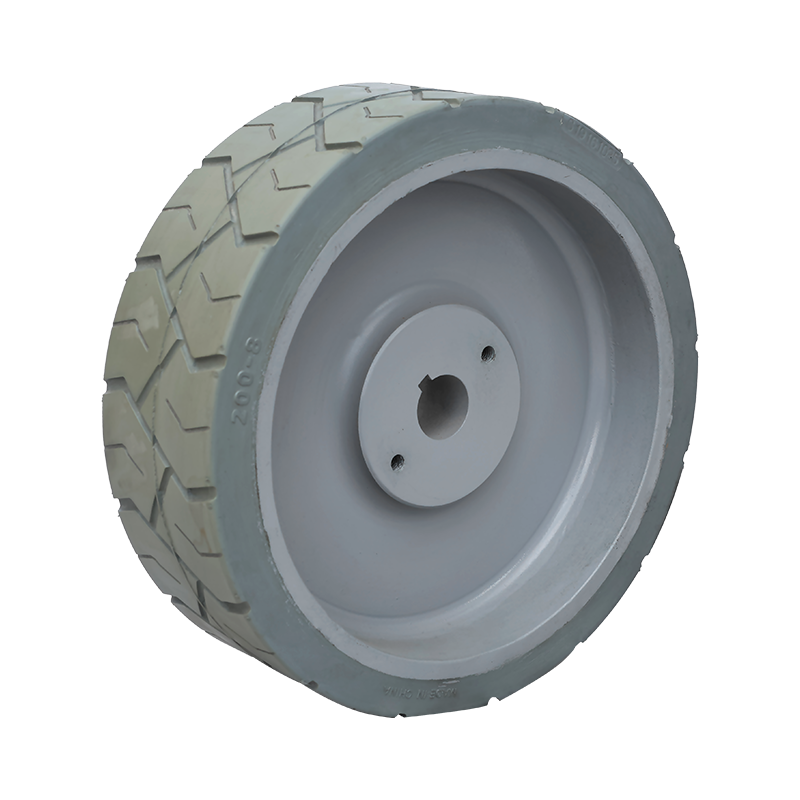
For indoor applications, such as warehouses or convention centers, non-marking tires are essential. These tires use a specialized silica-based compound rather than carbon black, ensuring they do not leave dark scuff marks on finished concrete or epoxy floors. While they are cleaner, they often wear faster than standard black rubber tires when used on abrasive outdoor surfaces.
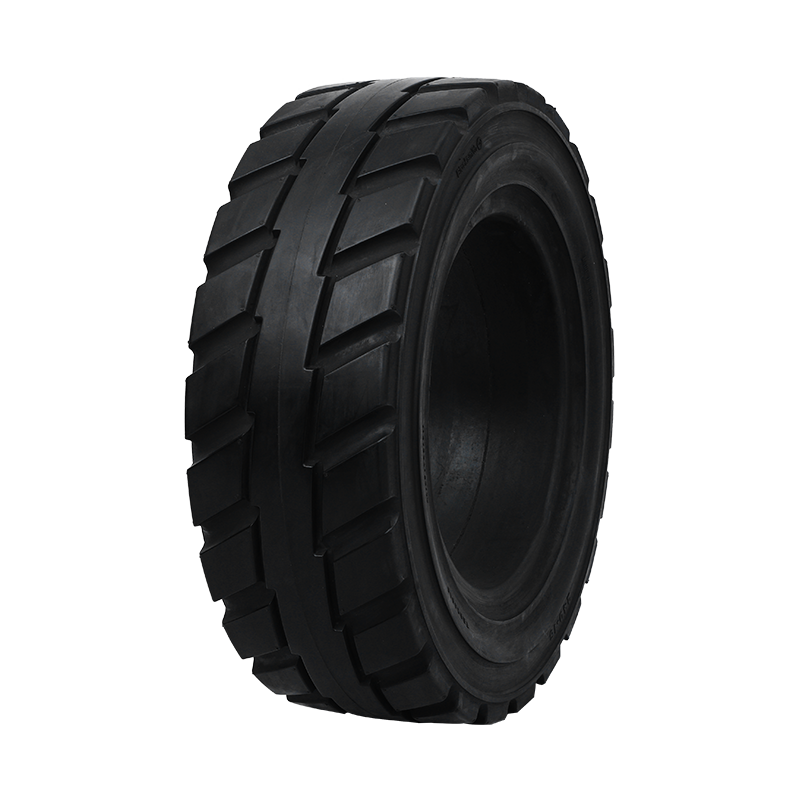
Comparison Table: Tire Performance by Surface Type
| Tire Type | Best Environment | Puncture Resistance | Ride Comfort |
| Foam-Filled | General Construction | High | Medium-High |
| Solid Aperture | Demolition/Severe Debris | Extreme | Medium |
| Non-Marking | Indoor Finished Floors | Low (Air) / High (Foam) | High |
Essential Maintenance Practices for Longevity
Regular inspection of boom lift tires is a mandatory safety requirement and a savvy financial practice. Because these machines carry heavy loads, tire failure can be catastrophic. Following a strict maintenance schedule ensures that the tires provide the necessary traction and support throughout their service life.
- Check for deep cuts, lug tearing, or sidewall bulges during every pre-start inspection.
- Ensure that lug nuts are torqued to the manufacturer’s specifications to prevent wheel wobble.
- Monitor tread depth; tires with less than 25% tread remaining should be evaluated for replacement to maintain traction on inclines.
- Clean tires after working in muddy or corrosive environments to prevent compound degradation.
- Verify that all four tires are of the same size and type to maintain machine leveling accuracy.
When to Replace Your Boom Lift Tires
Determining the right time for replacement is vital for both safety and cost-efficiency. Using a tire until it "blows" is not an option for boom lifts due to the heights involved. Warning signs that replacement is imminent include "chunking," where large pieces of rubber break off the tread, or visible internal foam/casing. If a tire shows uneven wear, it may indicate an alignment issue with the lift’s steering geometry or axle. Replacing tires in pairs (front or back) is generally recommended to ensure the machine remains level, which is critical for the tilt sensors to function correctly during high-reach operations.
CONTACT US
-

Email: SMT001@saimeite-tyre.com
-

Phone: +86-18451337018No. 1, Renmin South Road, Yandu District, Yancheng City, Jiangsu Province, China