
 English
 한국어
한국어 Français
 Español

Maximizing Cold Planer Efficiency: The Engineering Behind Low Resistance Milling Machine Tires
Content
The Critical Role of Rolling Resistance in Milling Operations
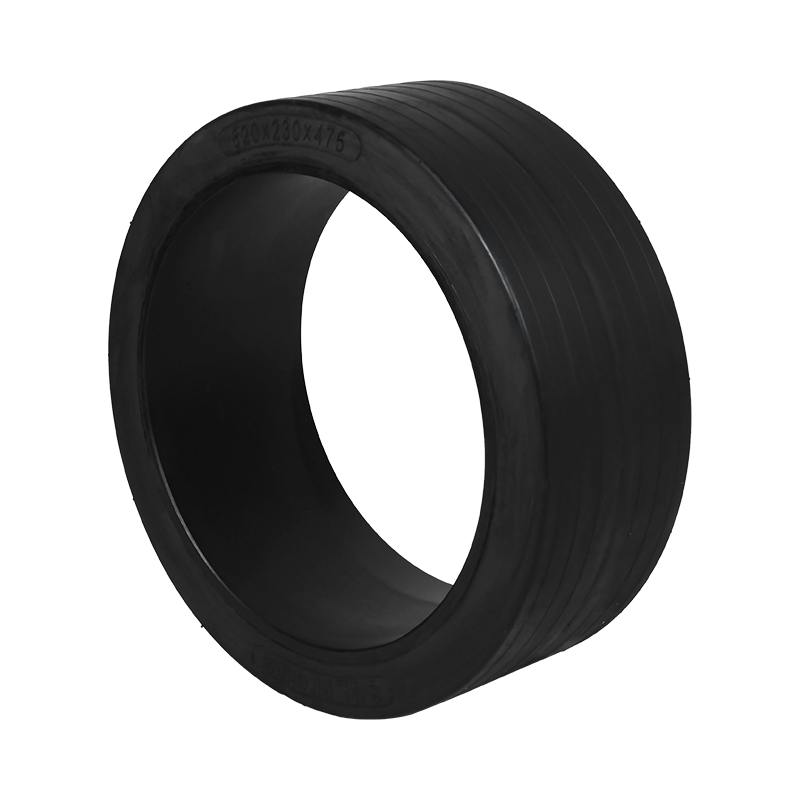
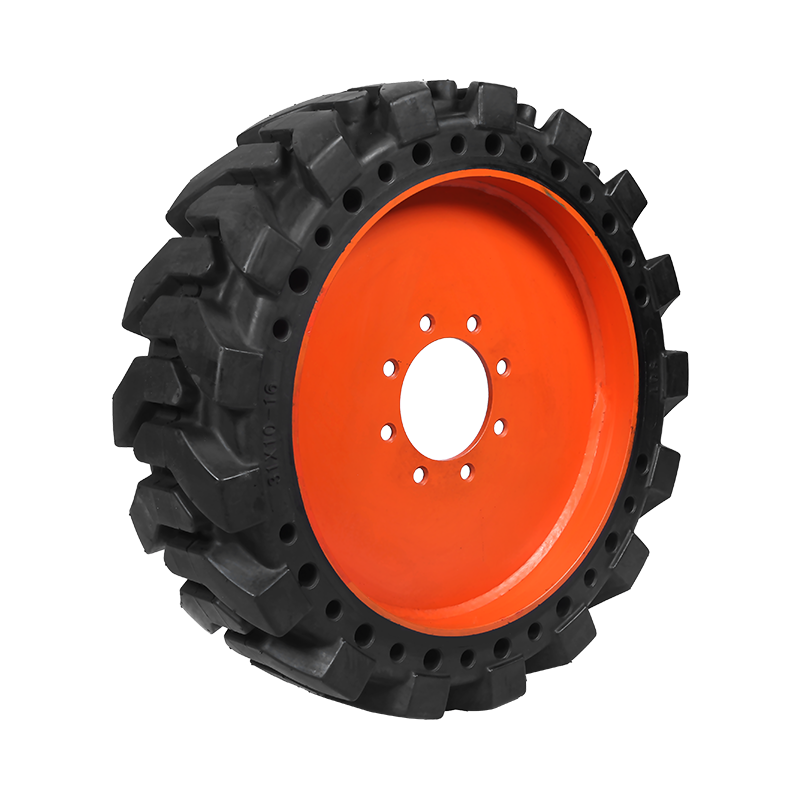
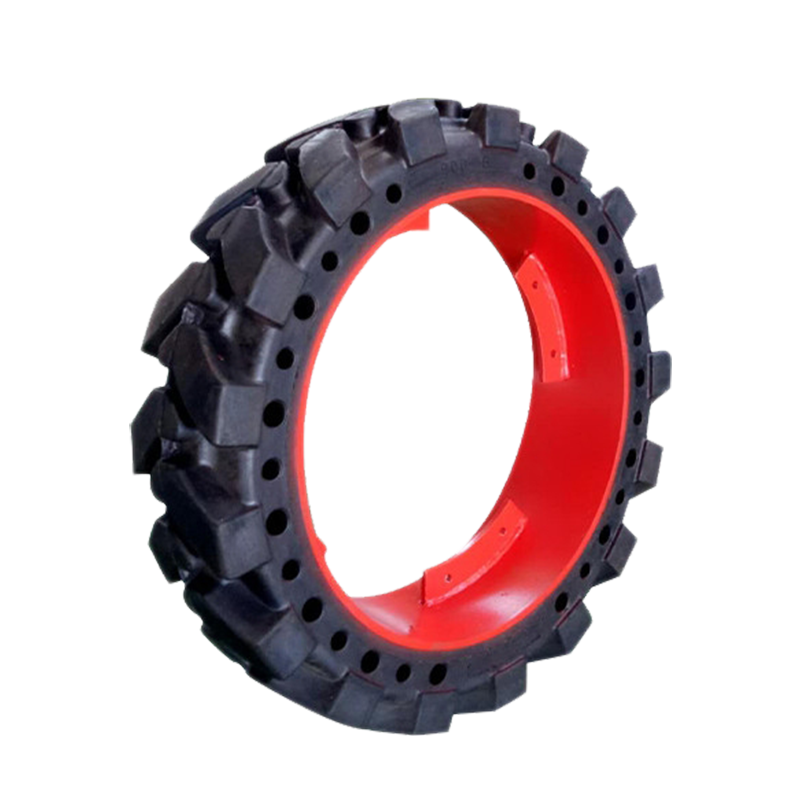
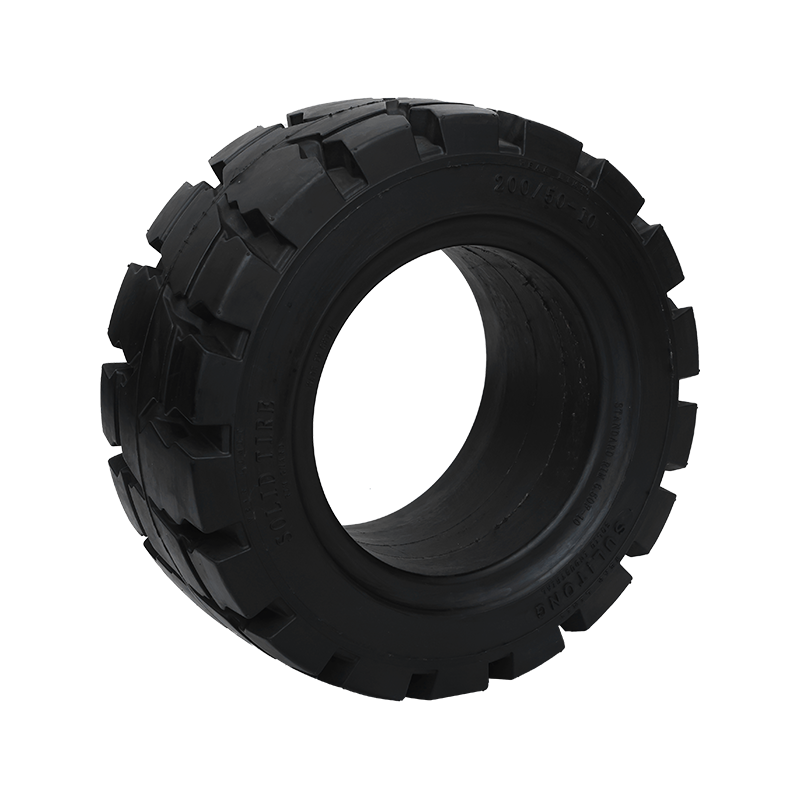
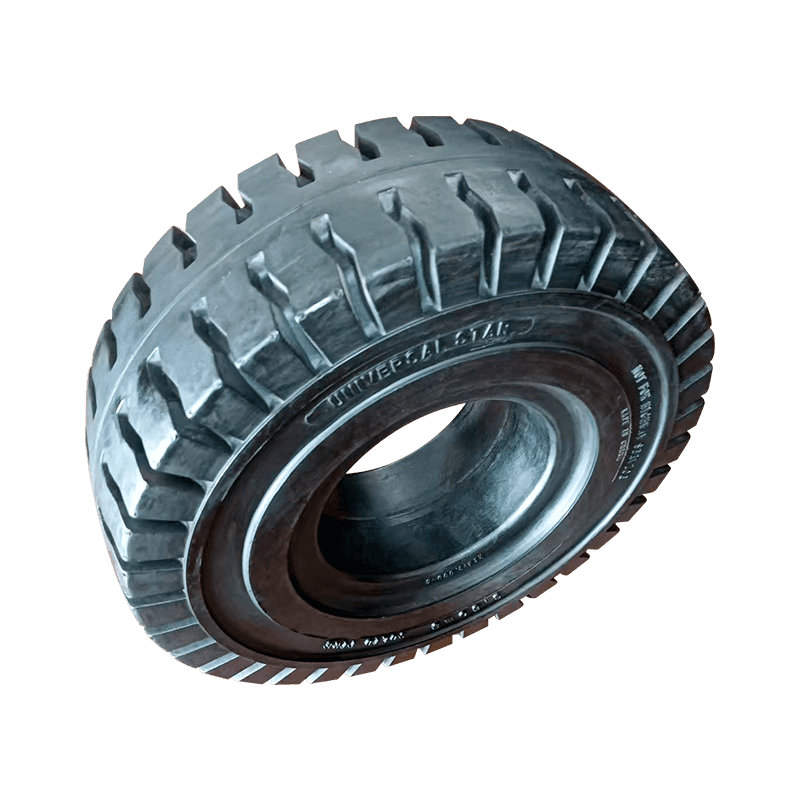
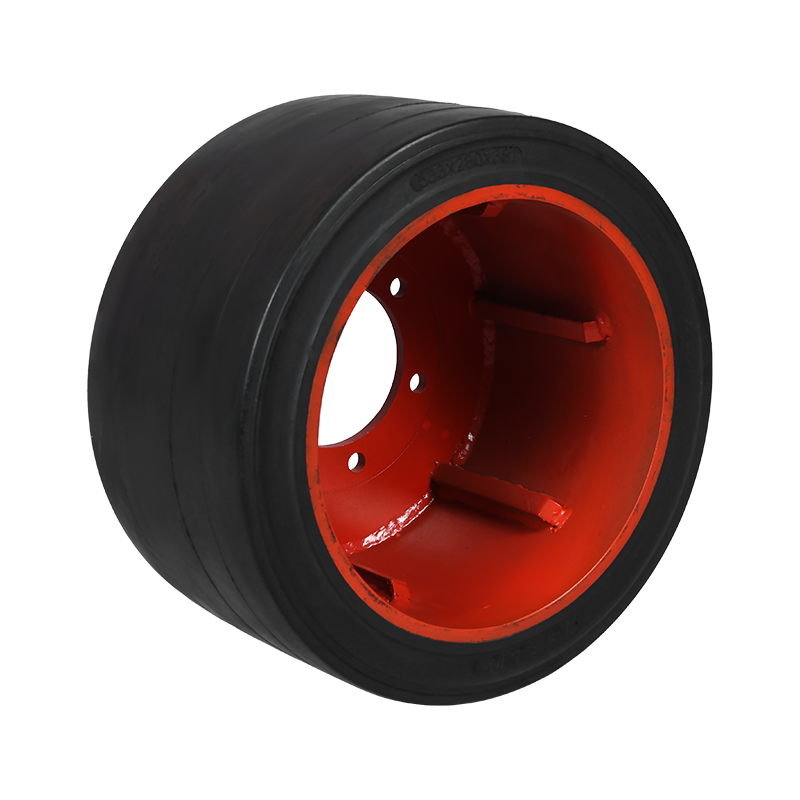
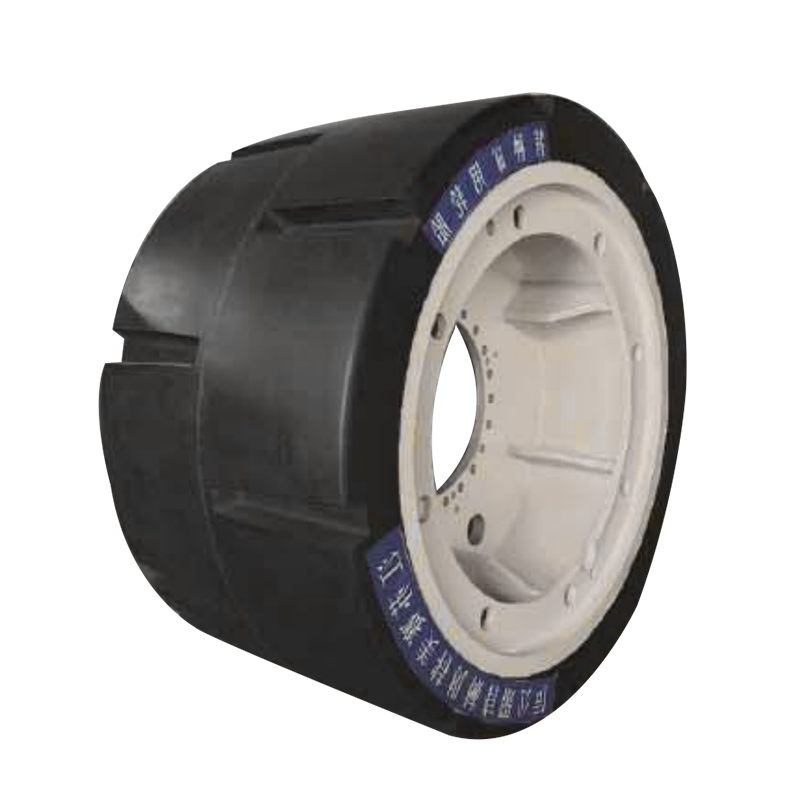
In the demanding environment of road construction, milling machines (or cold planers) require immense power to strip asphalt and concrete surfaces. Low resistance milling machine tires are engineered specifically to minimize the energy lost as the tire deforms under heavy loads. By reducing this "rolling resistance," the machine can direct more horsepower to the cutting drum rather than wasting it on propelling the chassis. This efficiency gain is not merely theoretical; it translates directly into higher meters-per-minute production rates and a noticeable reduction in fuel consumption over long shifts.
High-quality low resistance tires achieve this through advanced rubber compounding. Manufacturers utilize specialized polymers that exhibit low internal friction, meaning they generate less heat during rotation. This heat management is vital for milling machines that operate continuously in high-ambient temperatures, as it prevents the rubber from softening prematurely, thereby maintaining the structural integrity of the tire throughout its service life.
Key Technical Specifications of Low Resistance Tires
Compound Density and Shore Hardness
The effectiveness of a low resistance tire is often determined by its Shore hardness rating. For milling applications, a harder compound is generally preferred to prevent the "sinking" effect on soft, freshly milled surfaces. A higher density rubber ensures that the tire maintains a consistent contact patch, which reduces the effort required by the drive motors to keep the machine moving at a steady pace.
Tread Pattern and Traction Balance
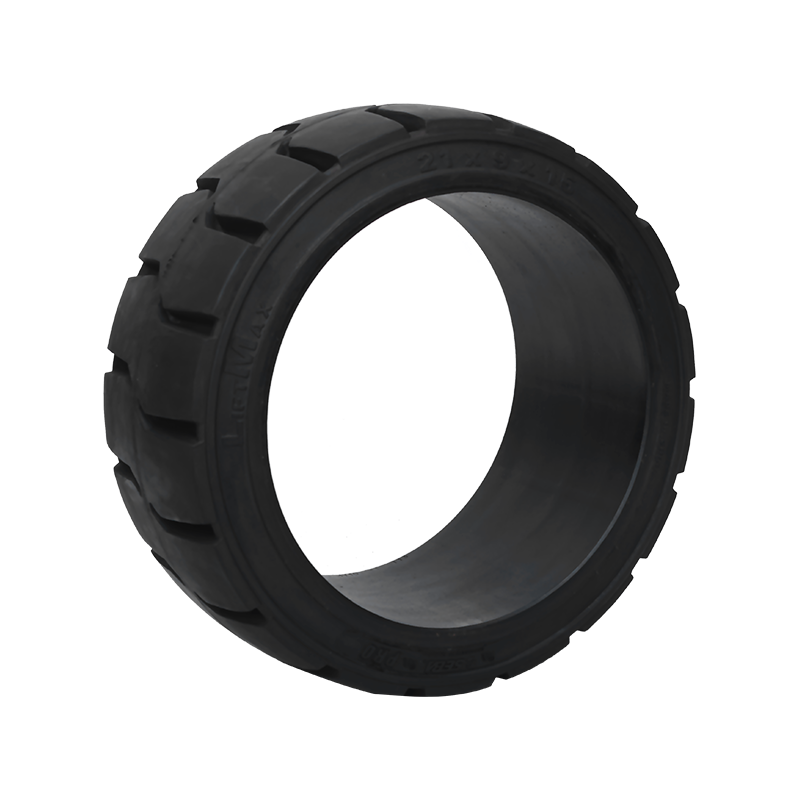
While low resistance is the primary goal, traction cannot be sacrificed. Many low resistance tires feature a smooth or "slick" profile to maximize surface area contact on hard pavement, while others incorporate shallow siping to channel away water and dust. This balance ensures that the machine does not slip when climbing inclines or working on wet substrates, which would otherwise lead to uneven milling depths.
Comparative Analysis: Standard vs. Low Resistance Tires
Understanding the tangible benefits of upgrading to low resistance tires requires a look at performance metrics. The following table highlights the operational differences between traditional pneumatic or solid tires and specialized low-rolling-resistance (LRR) versions.
| Feature | Standard Milling Tires | Low Resistance Tires |
| Fuel Efficiency | Baseline | 5-10% Improvement |
| Heat Build-up | High | Minimal |
| Vibration Damping | Moderate | High (Specialized Core) |
| Service Life | Standard | Extended (Cooler Run) |
Maintenance Practices for Optimizing Tire Performance
To ensure that low resistance tires provide the maximum return on investment, fleet managers must adhere to strict maintenance protocols. Because these tires are designed for precision, even minor deviations in alignment or machine weighting can negate their efficiency benefits.
- Regularly inspect the tread surface for "chunking" or embedded debris that can increase drag.
- Monitor the hydraulic drive system to ensure power is being distributed evenly across all four tires.
- Verify that the machine's water spray system is not over-saturating the tires, which can lead to hydroplaning on slick asphalt surfaces.
- Rotate tires according to the manufacturer’s schedule to ensure even wear patterns across the front and rear axles.
Impact on Total Cost of Ownership (TCO)
While the initial purchase price of low resistance milling machine tires may be higher than economy alternatives, the Total Cost of Ownership is significantly lower. The combination of fuel savings and reduced strain on the machine’s drivetrain components means the tires often pay for themselves within a few hundred operating hours. Furthermore, because these tires run cooler, they are less prone to sudden failure or blowouts, reducing costly downtime on the job site where every hour of delay can lead to liquidated damages.
Contractors looking to modernize their fleet should prioritize tires that offer a high "load-to-resistance" ratio. This ensures that even when the milling machine is equipped with full water tanks and additional ballast, the tires continue to provide a smooth, efficient glide over the pavement, maintaining the precision required for high-spec DOT road projects.
CONTACT US
-

Email: SMT001@saimeite-tyre.com
-

Phone: +86-18451337018No. 1, Renmin South Road, Yandu District, Yancheng City, Jiangsu Province, China